What the Randburg team needed from the router
The client was a shopfitting team working from Randburg with installs across Johannesburg. Their workload changed from week to week, with shop counters one day, wall shelving the next, then display panels and cut to size parts for fitouts. They needed a machine that could move from drawing to parts with less hand trimming and fewer stop start delays.
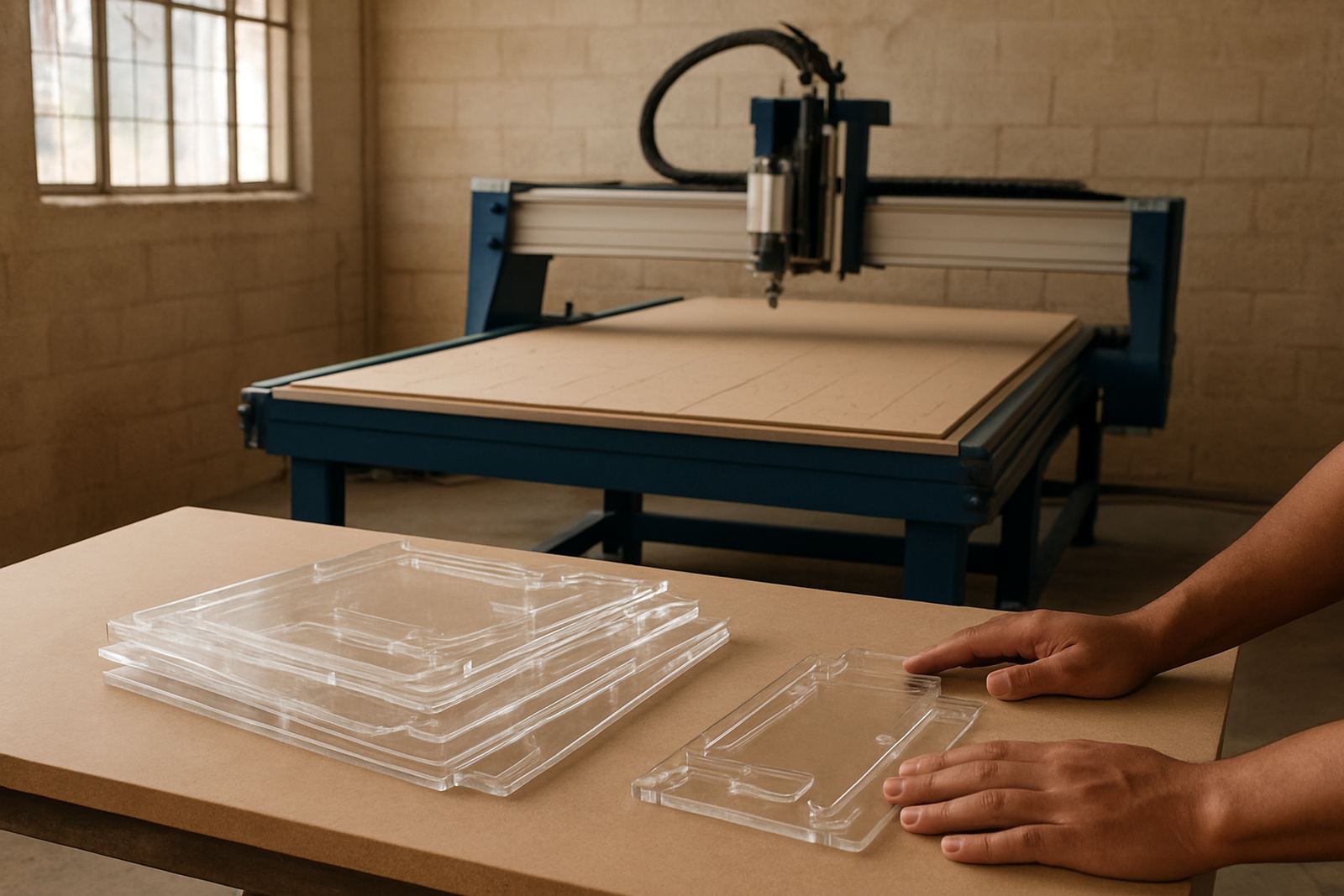
The brief was straightforward: cut melamine board, MDF, compact laminate blanks and acrylic parts cleanly, keep repeat jobs accurate, and make the system easy enough for operators to learn quickly. They also wanted proper nesting so material waste stayed under control, because sheet stock prices had been moving and no one wanted offcuts piling up.
- Client type: shopfitting and joinery team
- Town: Randburg, Johannesburg
- Main parts: counters, shelving, display fittings
- Materials: board products, plastics and light composite sheet
Workshop limits we had to work around
The workshop sat in a busy light industrial area, so access had to be planned around deliveries and other trades on site. Floor space was tight, power quality was not always ideal during load shedding recovery, and dust control mattered because the team was cutting large volumes of laminated board. In summer, Johannesburg dry air helped a little, but they still needed a setup that would stay consistent as temperature changed through the day.
We also had to keep the learning curve low. The team did not want a machine that needed constant babysitting. They wanted clear cutting paths, predictable hold down and a controller workflow that did not confuse the operators when jobs were handed over between shifts.
- Tight workshop footprint
- Mixed daily job sizes
- Power interruptions and restart discipline
- Dust extraction and table cleanliness
What MultiCAM supplied and set up
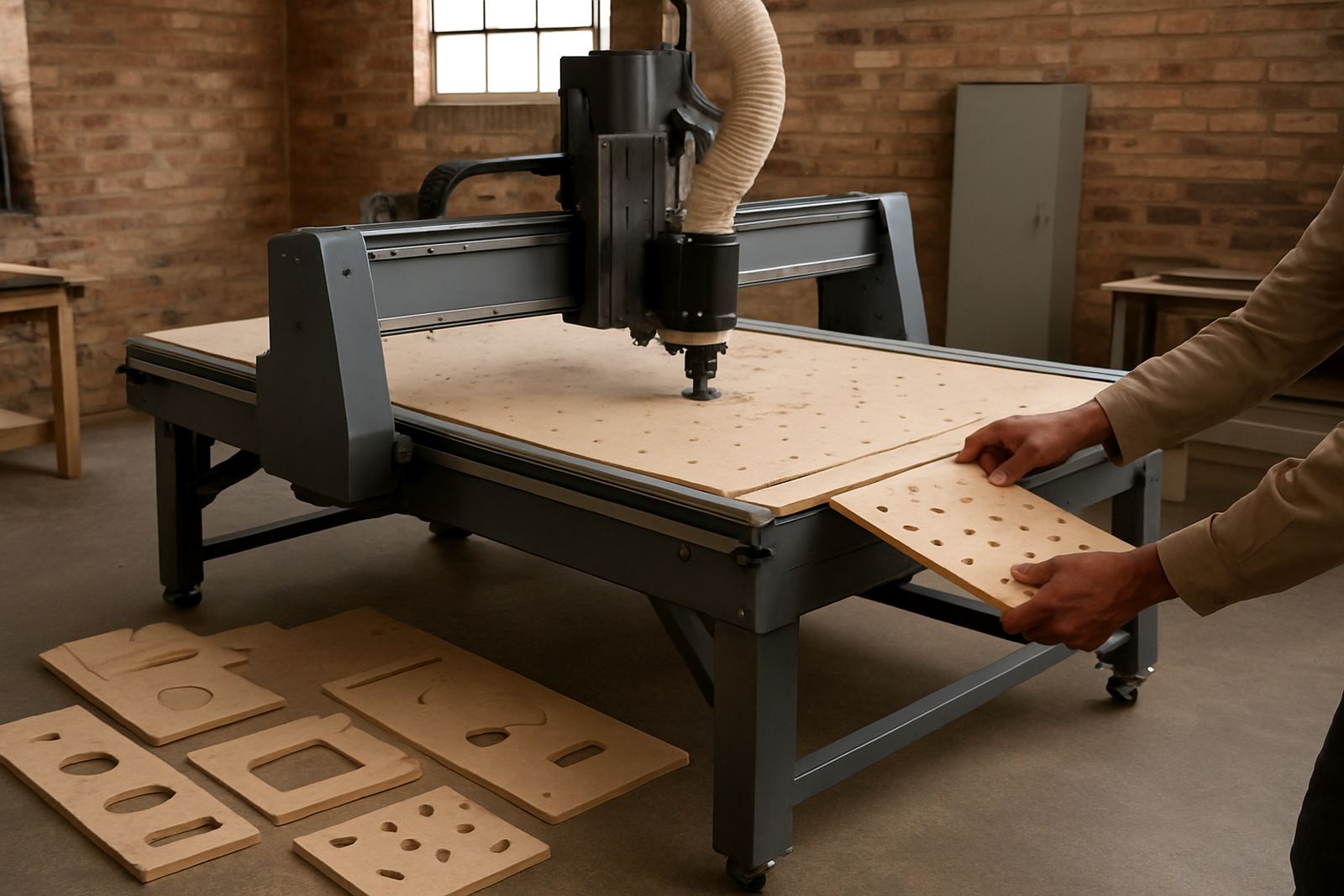
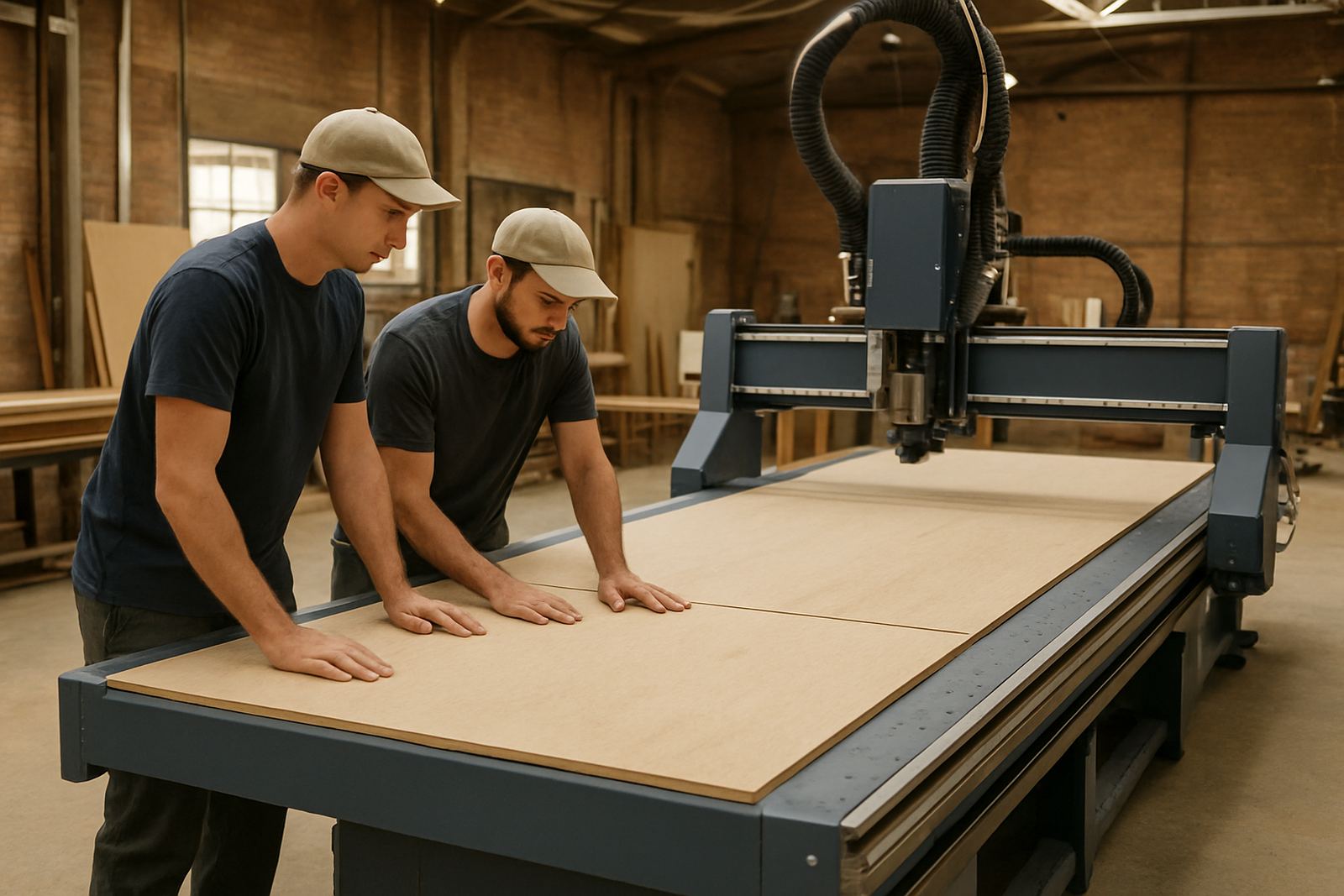
We supplied a production ready CNC router package sized for standard sheet work and repeat shopfitting parts. The machine was chosen for nested cutting, profile work and pocketing, with enough spindle strength for laminate board and plastics. The table and vacuum arrangement were matched to the workshop's mix of full sheets and smaller offcuts, so the team could hold both large and smaller parts properly.
Along with the machine, we handled tooling notes, operator guidance and the first job setup. That included cutter selection for different materials, safe feed and speed guidance, machine homing routines and controller backups so recovery after power cuts would not be a guessing game. Stefan handled the technical side, while Lerato coordinated the production needs and delivery timing.
- CNC router suited to nesting and profile cutting
- Vacuum table configuration for sheet work
- Tooling setup for board, plastics and soft metals
- Controller backup procedure
- Operator handover and first job support
Installation and commissioning over three weeks
The project ran over three weeks from final sign off to productive cutting. Week one covered site checks, machine positioning and service planning. Week two was installation, levelling and electrical checks, plus dust connection adjustments and vacuum leak checks. Week three covered commissioning, test cuts and operator training on actual job files from the shop floor.
Because shopfit work is deadline driven, we used real parts rather than demo shapes. That gave the operators a proper feel for edge quality, lead in points, nesting layout and cut order. Mpho managed the install on site, Lesedi checked the application settings and Farieda kept the service schedule aligned so nothing drifted.
- Week 1: site assessment and planning
- Week 2: installation, levelling and utility checks
- Week 3: commissioning, test cuts and training
Results on counters, shelving and display parts
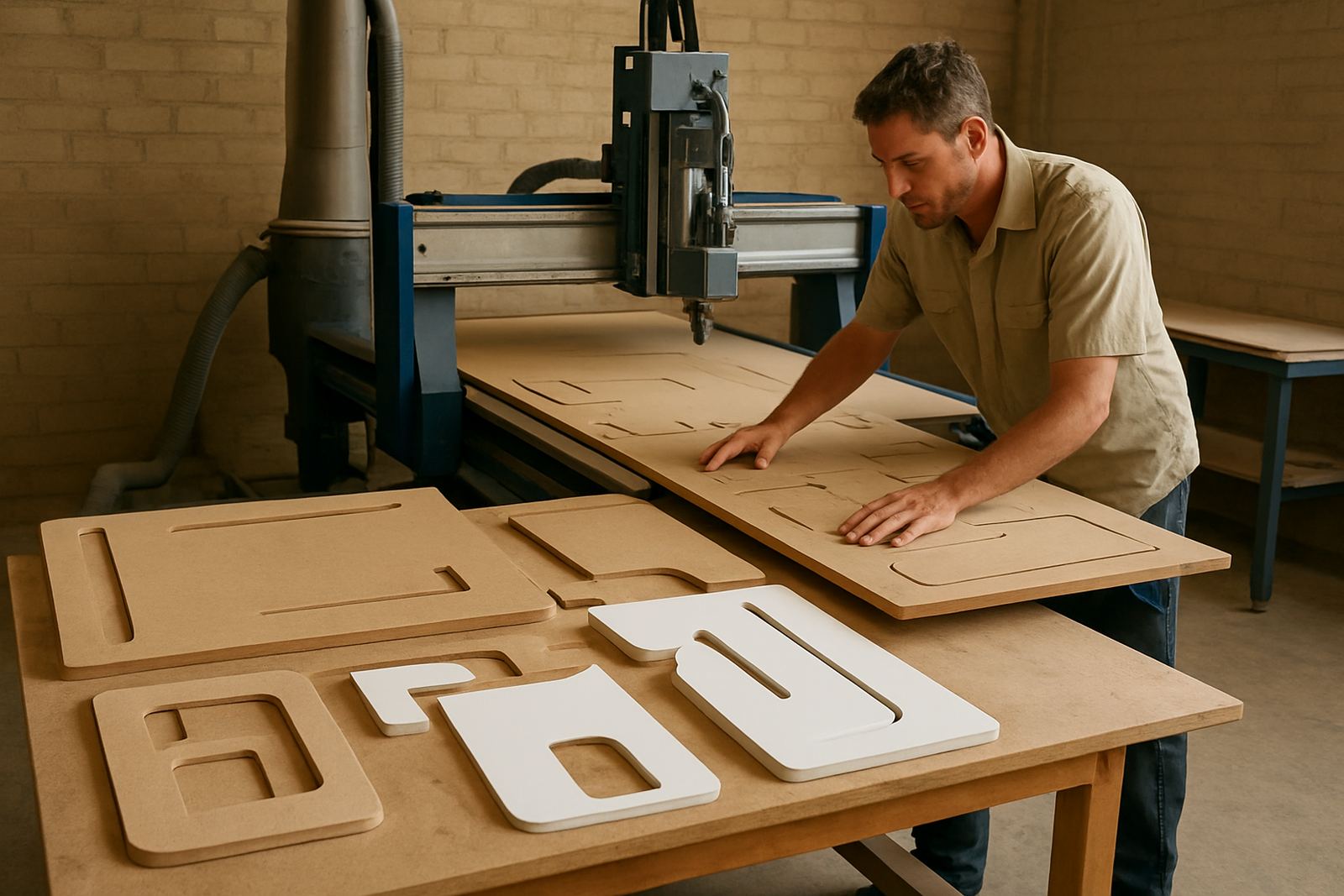
The shopfitting team saw quicker turnaround almost immediately. Counters came off the machine with cleaner edges and fewer rework passes, shelving components matched more closely from job to job, and display parts could be nested more tightly on the sheet. That meant less manual trimming and less time spent chasing small fit issues during installation.
More importantly, the workshop could now plan around a repeatable cutting process. Jobs were easier to quote because they knew what the machine could handle in a shift, and operators were less stressed when load shedding or a busy delivery day interrupted the normal flow. The team said the biggest gain was not just speed, but calmer production.
- Faster turnaround on repeat shopfit jobs
- Cleaner cut edges on laminated board
- Better sheet utilisation through nesting
- Less manual finishing before install
What we would carry into another shopfitting job
For a shopfitting team like this, we would again focus on machine size, hold down and simple operator routines before talking about extras. The right table layout matters, and so does the way dust is handled, because a clean cutting path saves time every day. We would also keep the commissioning practical by using real production files instead of clean test shapes.
If the site had tighter power conditions or more coastal humidity, as we often see on other installs, we would review the electrical protection and storage setup a bit more carefully. For this Randburg job, the key lesson was plain enough: when the machine is matched to the work, the workshop gets steadier output without needing a full rebuild.
MultiCAM continues to support the Germiston and Johannesburg East areas, with service across South Africa for installation, maintenance, tooling and operator training.
Key facts
| Machine type | CNC router for nested cutting and profiling |
|---|---|
| Workpiece focus | Counters, shelving, display parts and panels |
| Materials | Melamine board, MDF, acrylic and light soft metals |
| Table setup | Vacuum table sized for sheet work |
| Project timeline | 3 weeks from sign off to production |
| Location | Randburg, Johannesburg |