Start with the job, not the machine size
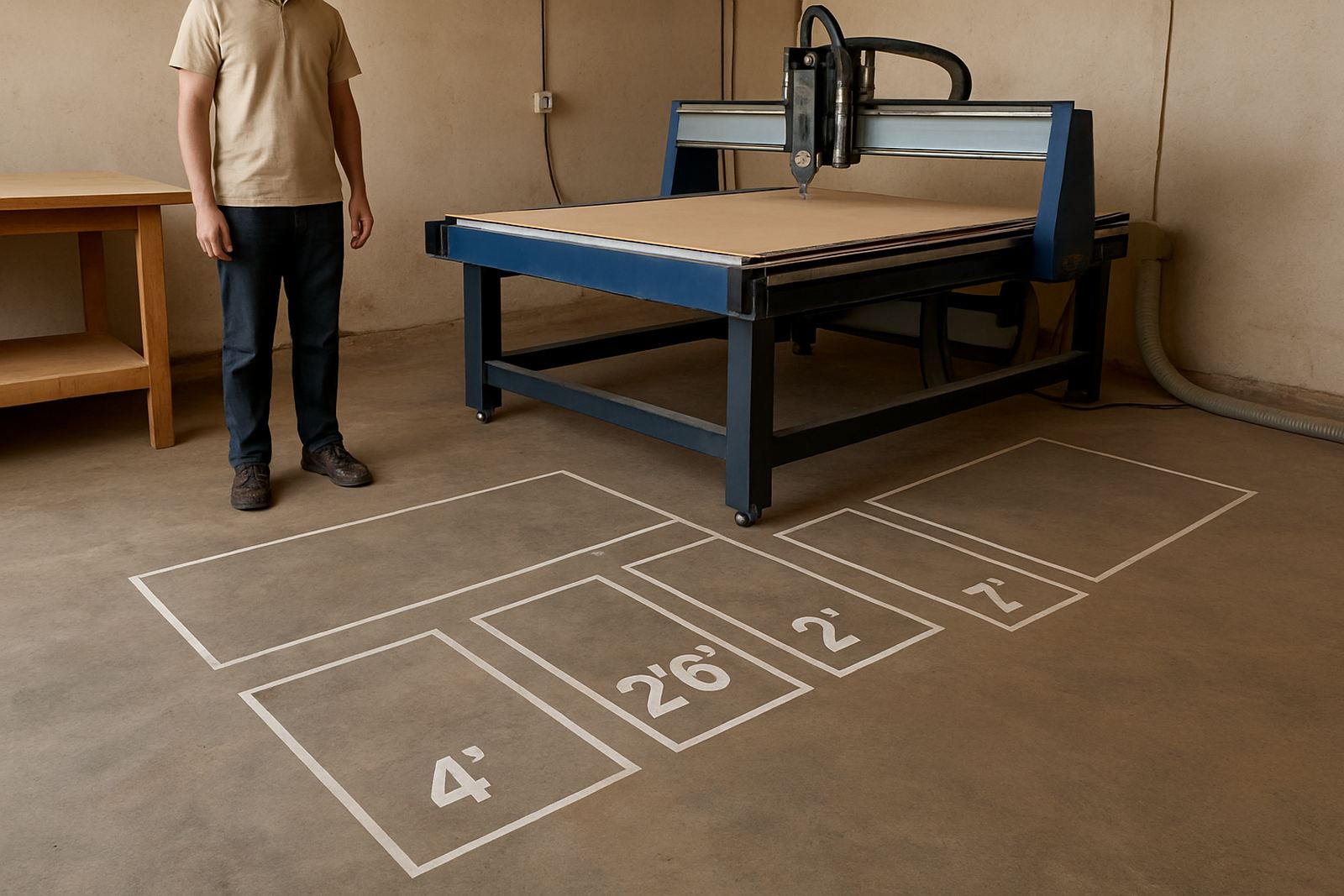
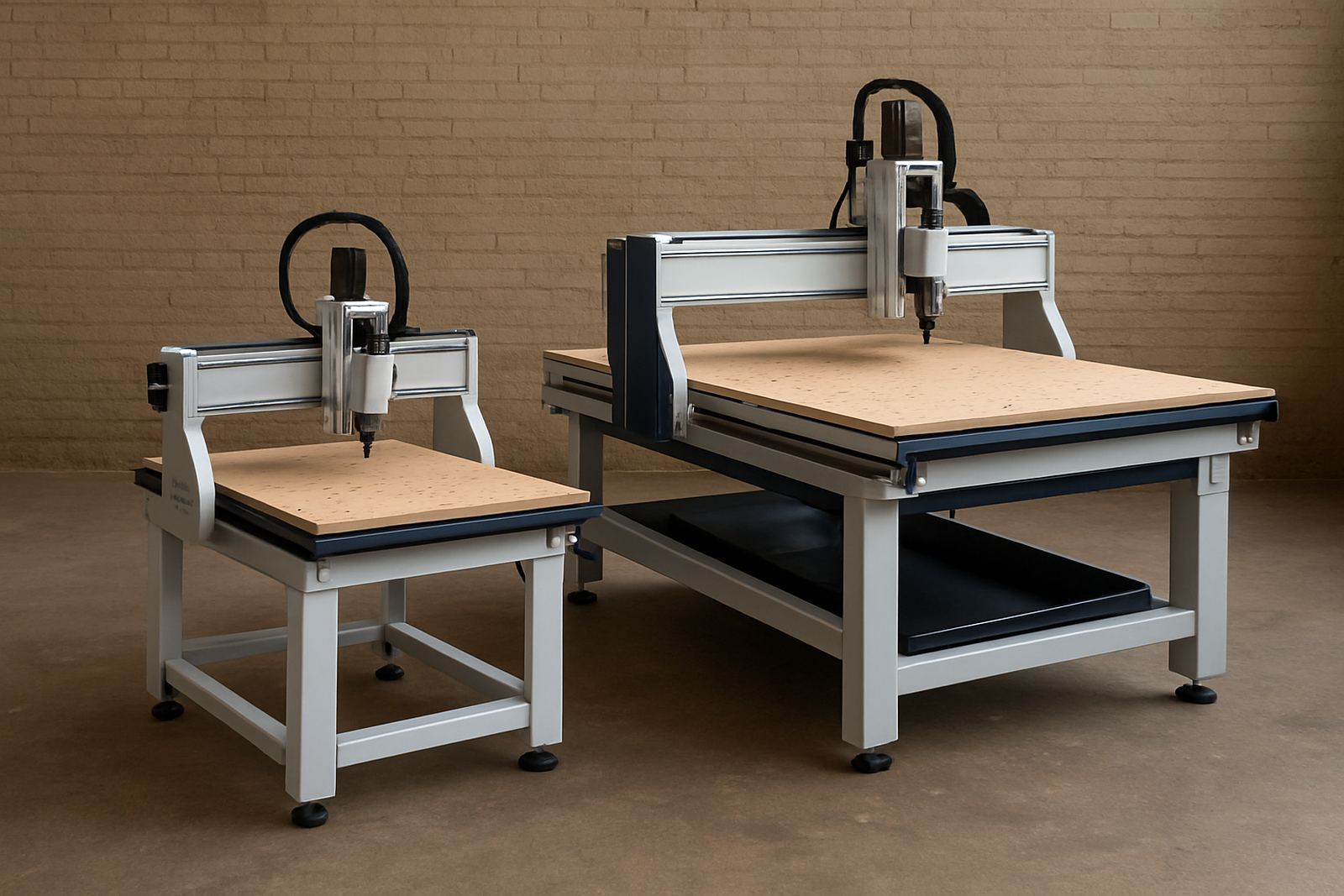
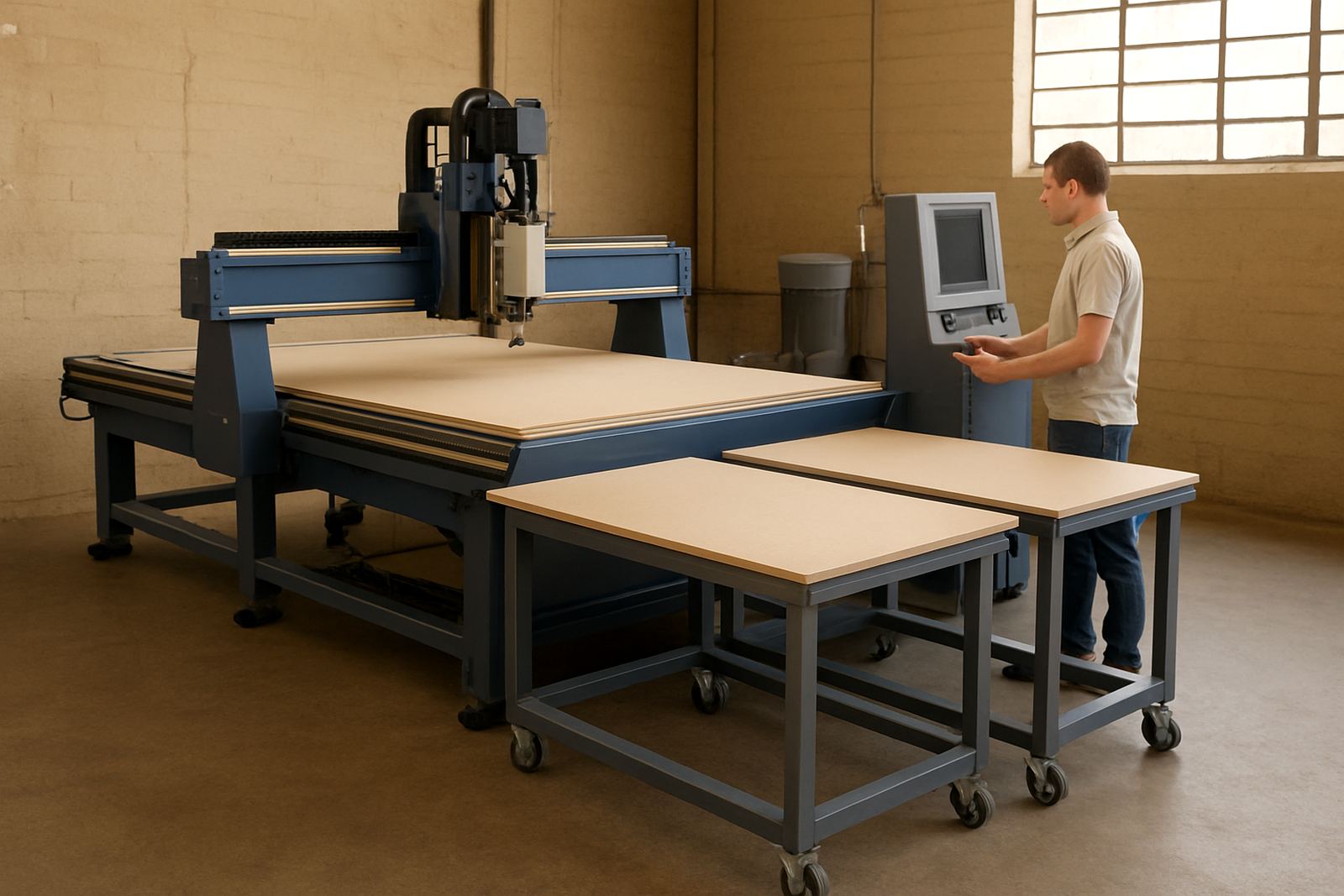
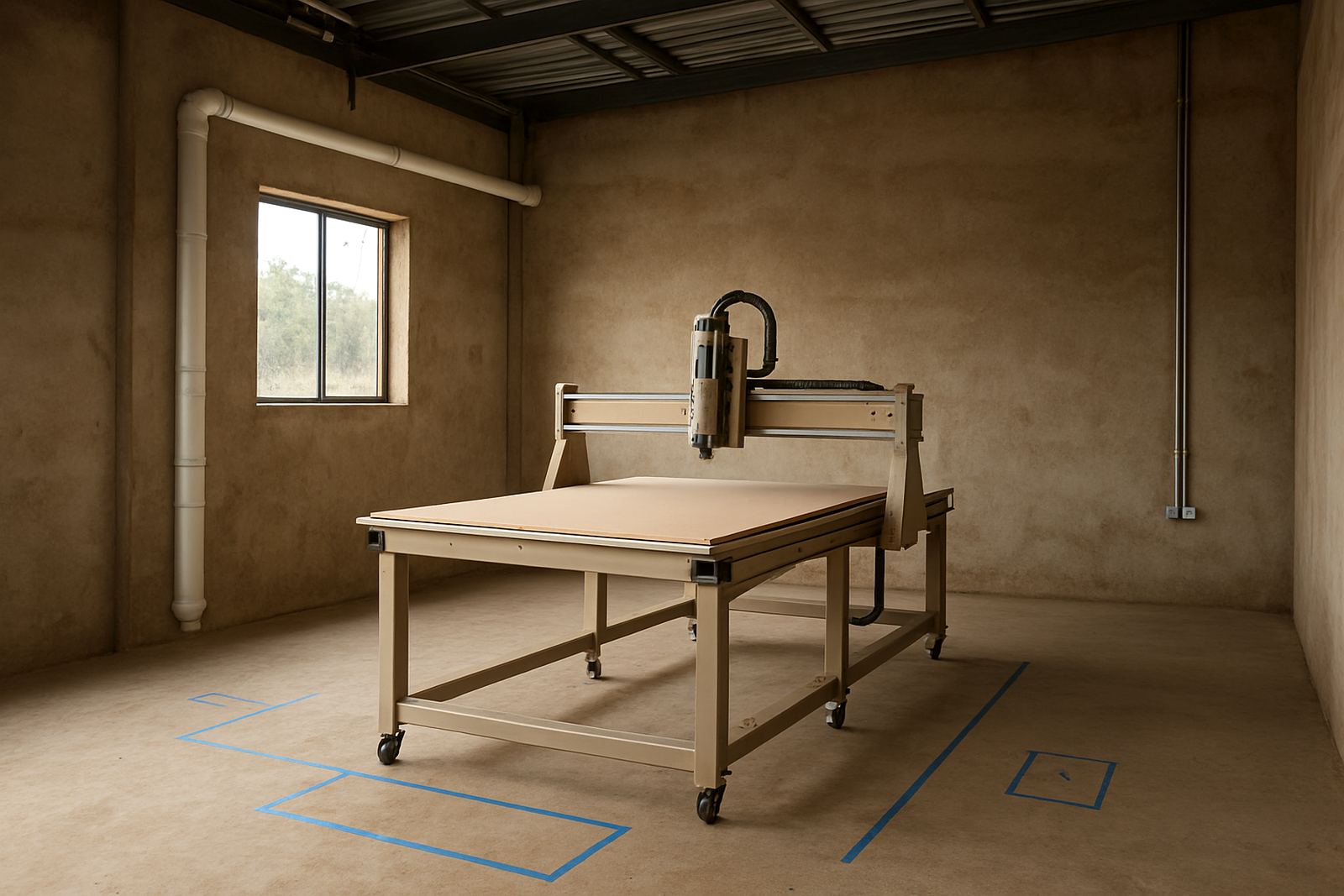
If your workshop cuts cabinet parts, signs, panels or light aluminium, the right format starts with material, sheet size and daily volume. A 1,220 by 2,440 mm table may suit many joinery jobs, while larger beds help with full sheet nesting and fewer trims. In a busy Johannesburg or Durban workshop, floor space, dust control and three phase power often matter just as much as cutting area.
Our guides compare entry routers, production tables and cell-based setups so you can match the machine to the work you already do, then leave room for the jobs you want next. That means fewer surprises at install and a clearer path when orders grow.
What to compare before you ask for a quote
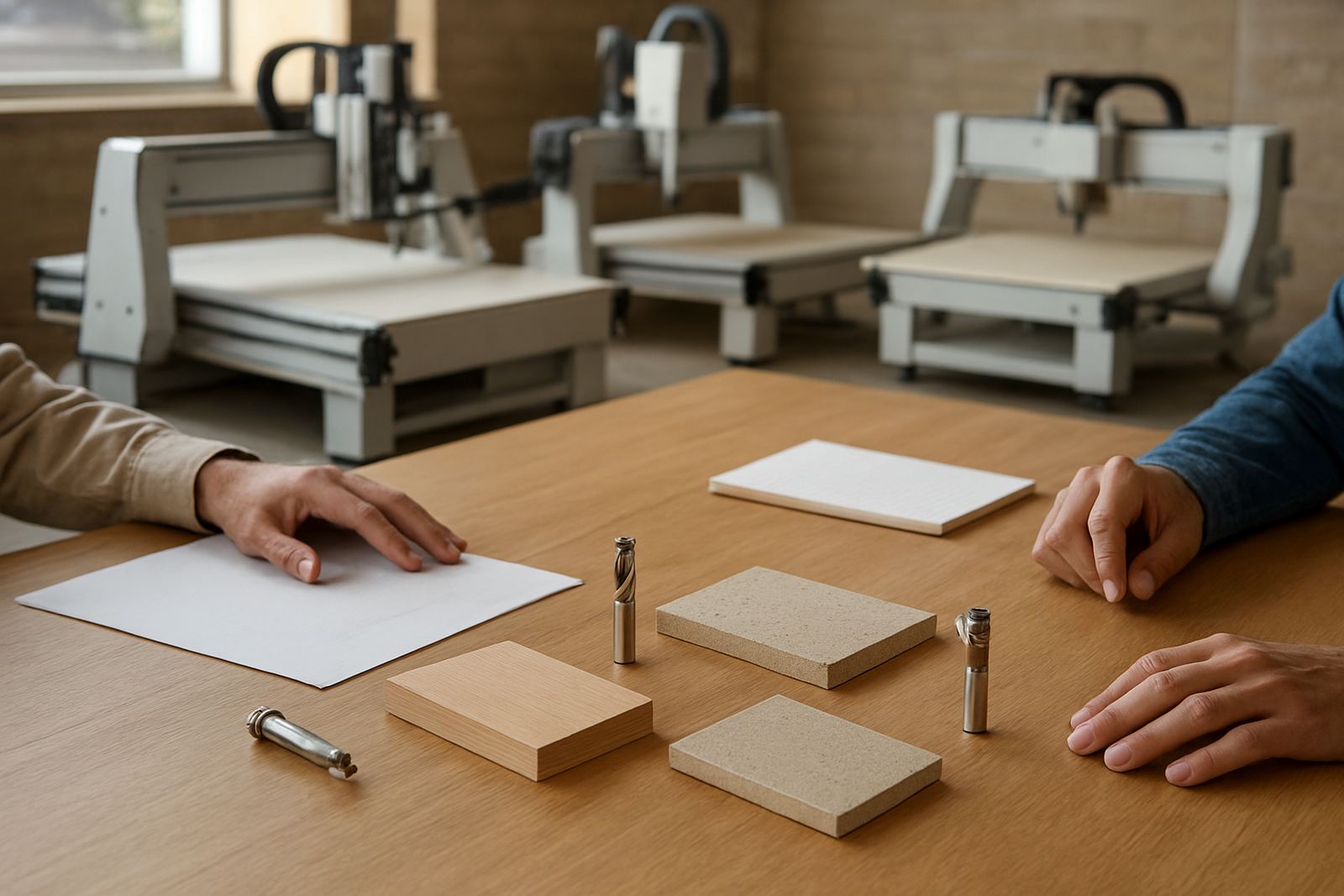
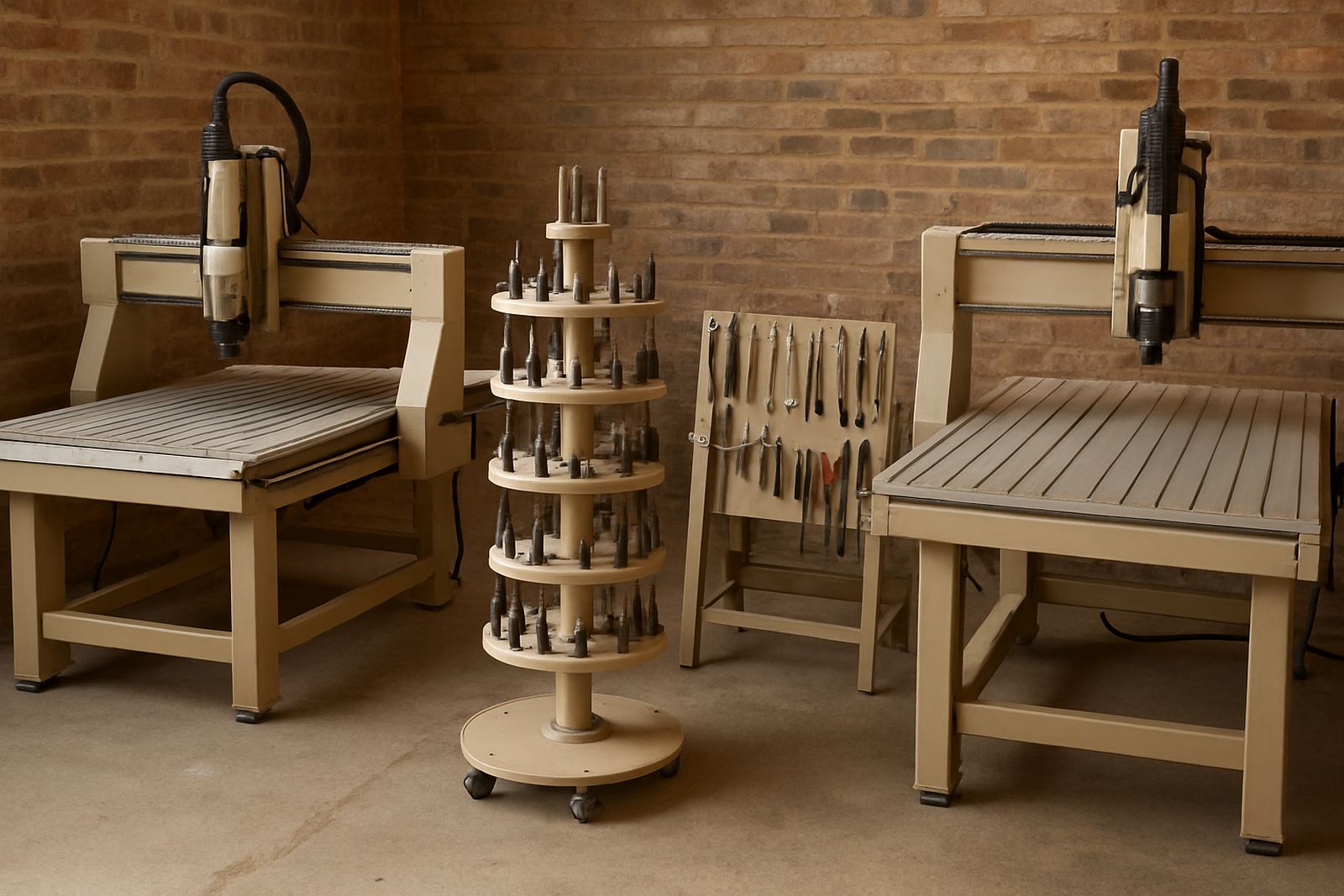
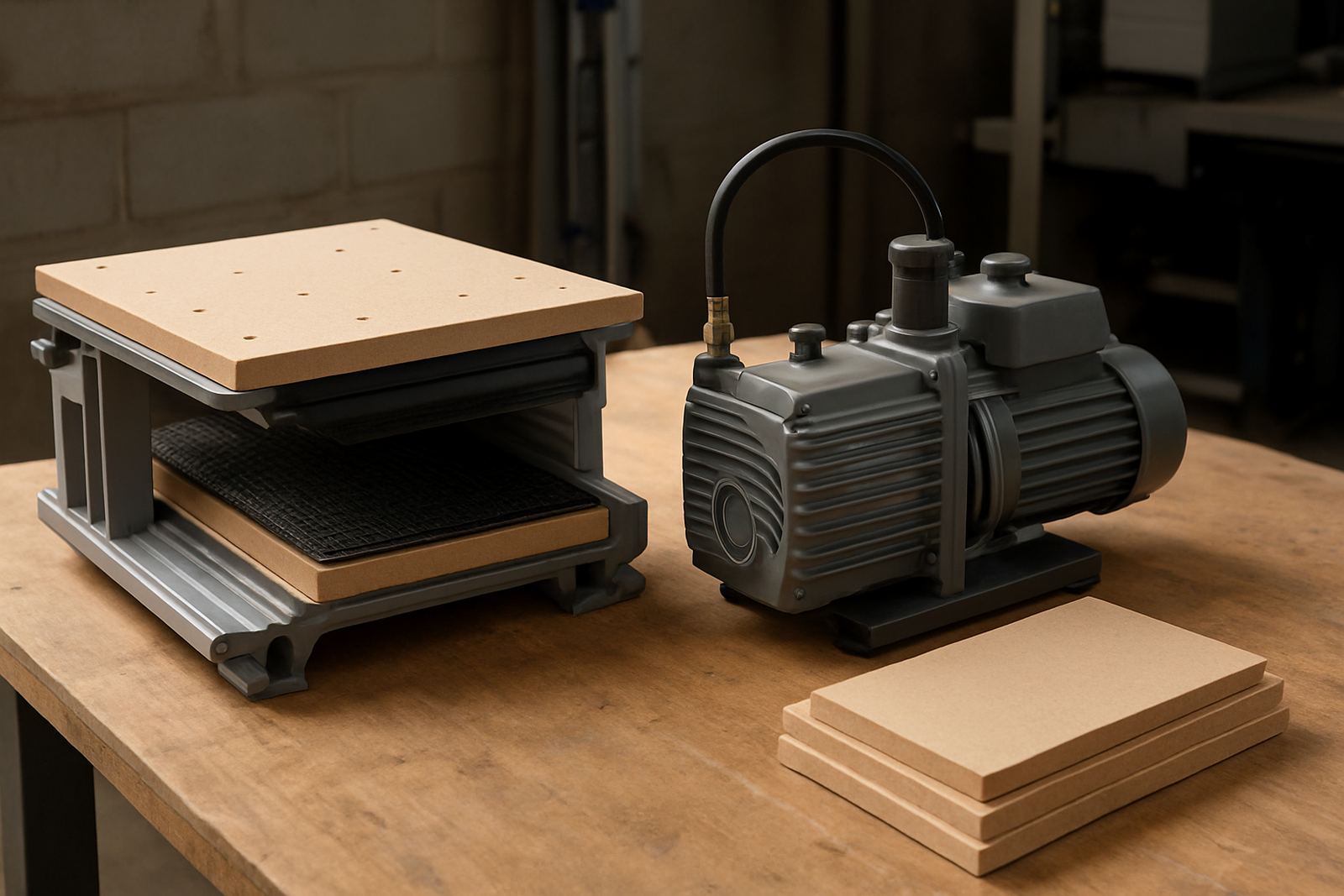
Choosing a CNC router is easier when you compare the parts that affect day to day output. Table design, spindle power, vacuum hold-down, controller type and tool changing all change how fast a team can work and how much hand finishing is left at the end. For coastal sites, protection against humidity also matters because moisture affects boards, tooling and electrical components.
- Sheet size and cutting area
- Material types, from MDF and plywood to plastics and soft metals
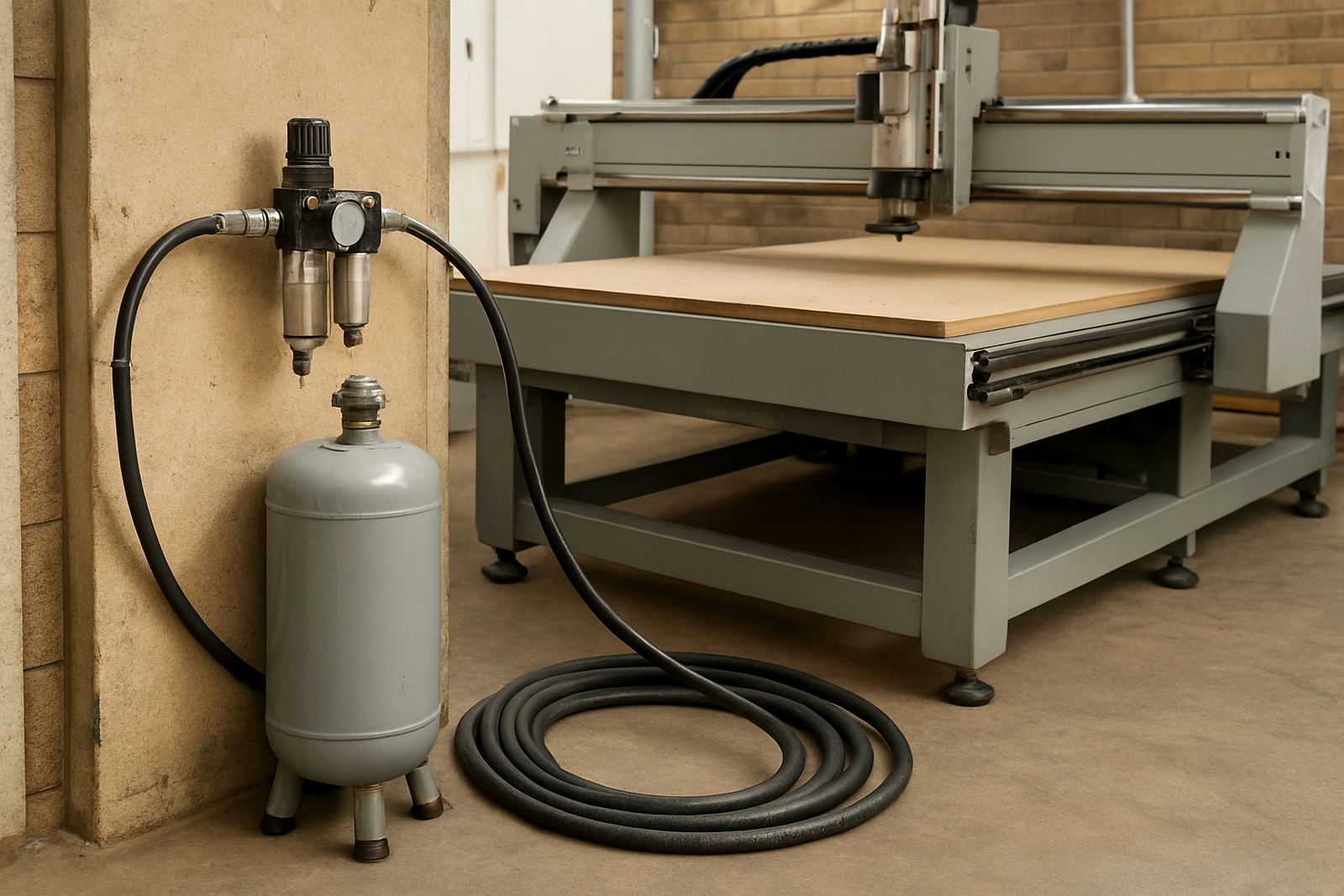
- Vacuum zones, spoilboard design and clamp needs
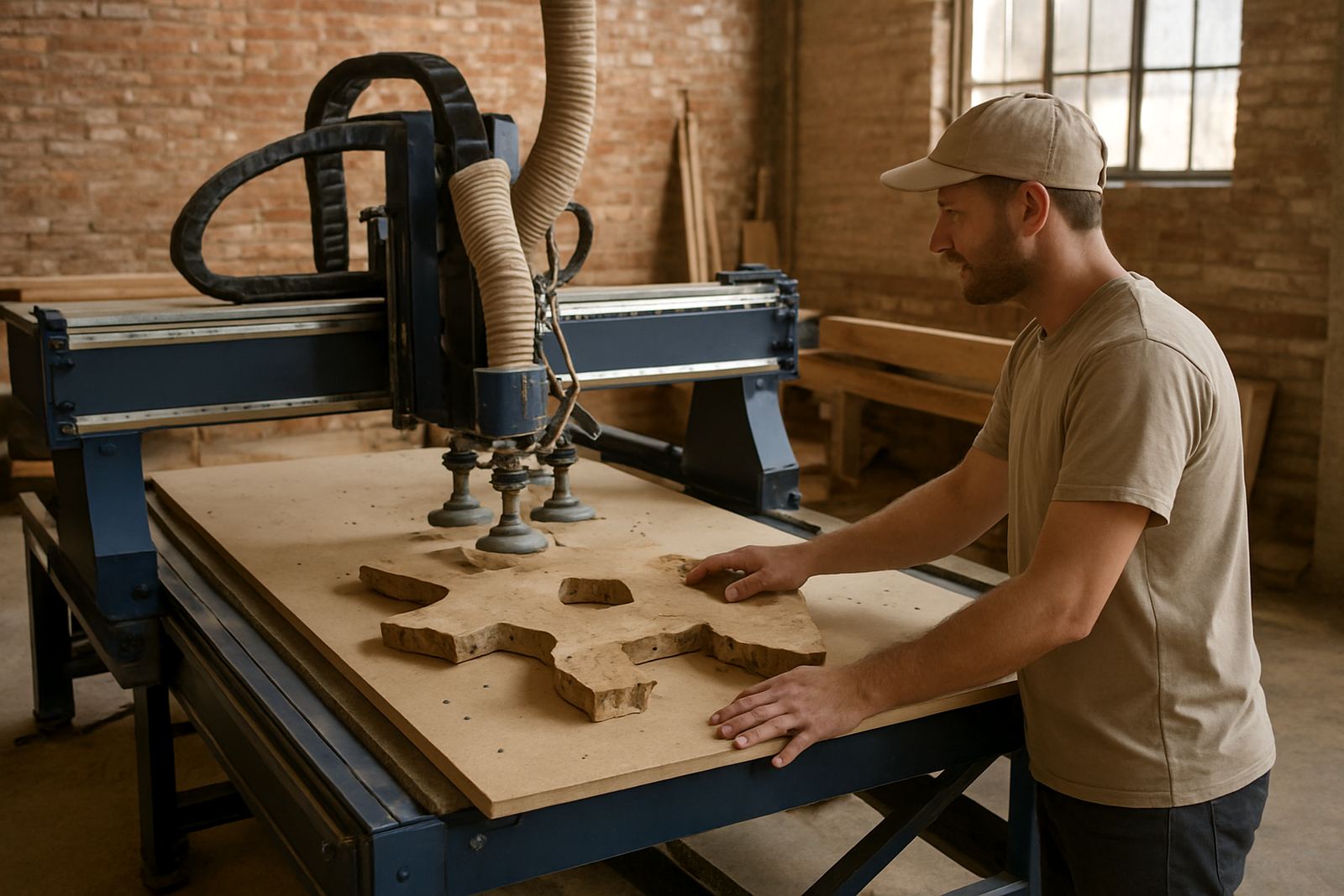
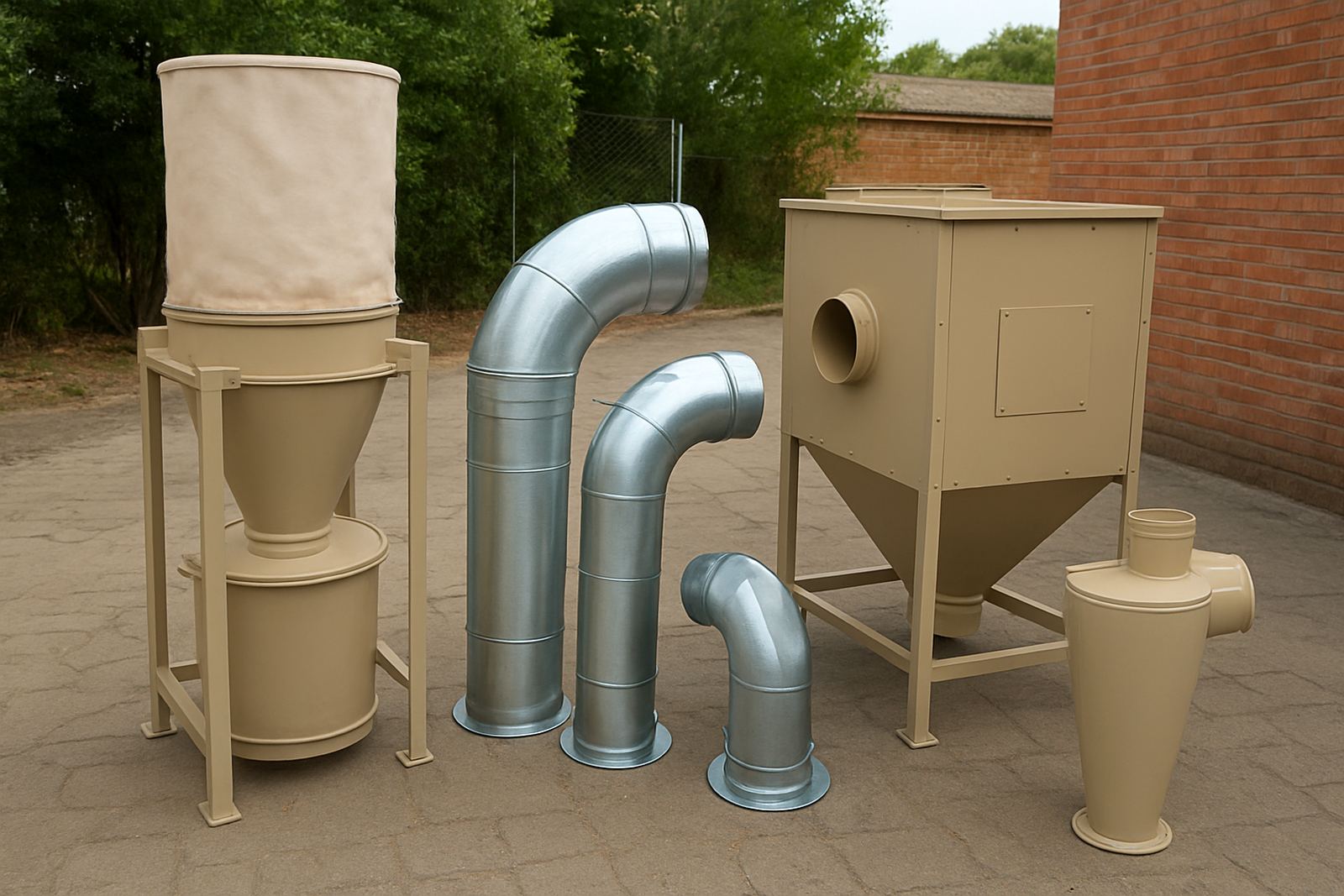
- Dust extraction layout and hose routing
- Operator skill level and training time
- Service access for maintenance and backup
Guides for nesting, sign work and furniture parts
Different workshops need different answers. Nesting routers suit furniture plants that want to squeeze more parts from each sheet and reduce waste. Sign shops often need clean profiles, pockets and repeatable lettering, while plastic fabricators may care more about edge quality and chip removal. For light aluminium, the guide notes where slower feeds, sharper tooling and stable clamping help prevent chatter and poor finish.
These notes are practical rather than theoretical. They explain which machine format fits batch work, short runs or mixed production, so a team can plan around real output instead of guessing from a spec sheet.
Setup advice that keeps first jobs under control
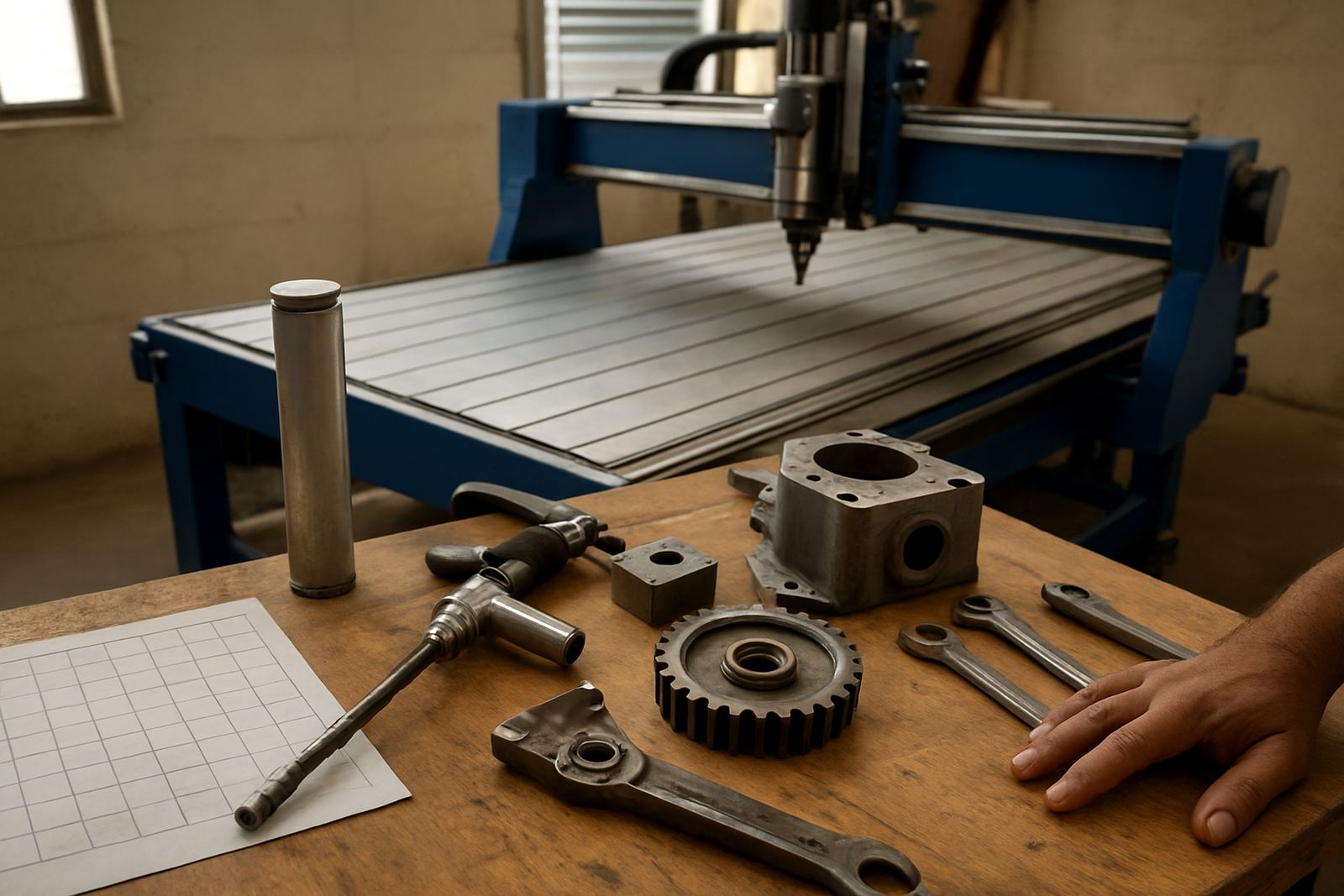
A good machine still needs the right setup. Tooling choice, cutter length, dust flow and vacuum leaks can change results on day one. Our guides cover the small checks that save time later, like spoilboard surfacing, reference edge setting and controller backups before a new operator starts. That sort of preparation matters in workshops where load-shedding, shared power and tight deadlines can disrupt the day.
- Check vacuum zones before full sheet runs
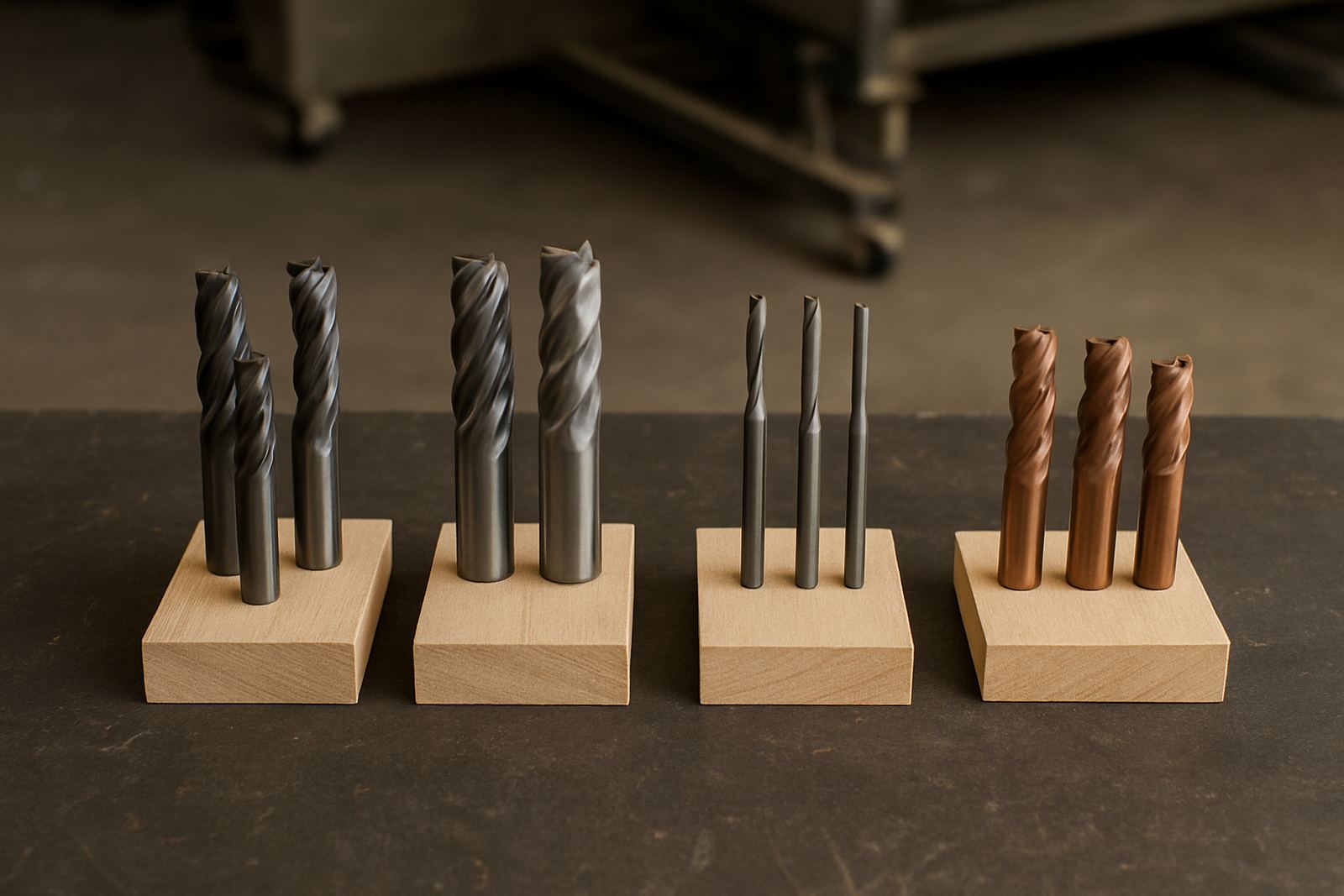
- Keep spare tooling for the materials you cut most
- Back up machine settings after commissioning
- Train operators on safe zeroing and job setup
- Plan maintenance around production hours, not after a breakdown
How local workshop conditions change the choice
South African sites are rarely identical. A Germiston factory may need stronger dust control and efficient loading access, while a Cape Town North workshop might plan for moisture, salt air and storage discipline. In Pretoria East and Midrand, many teams want a balance between footprint and output because space gets used quickly once material racks and extraction are in place.
Our hub pages help you weigh the local factors that matter: power quality, floor loading, forklift access, tool storage and the cost of downtime. One extra hour spent choosing often saves many more later, especially when the machine becomes part of a larger production flow.
Use the guides to narrow the machine list
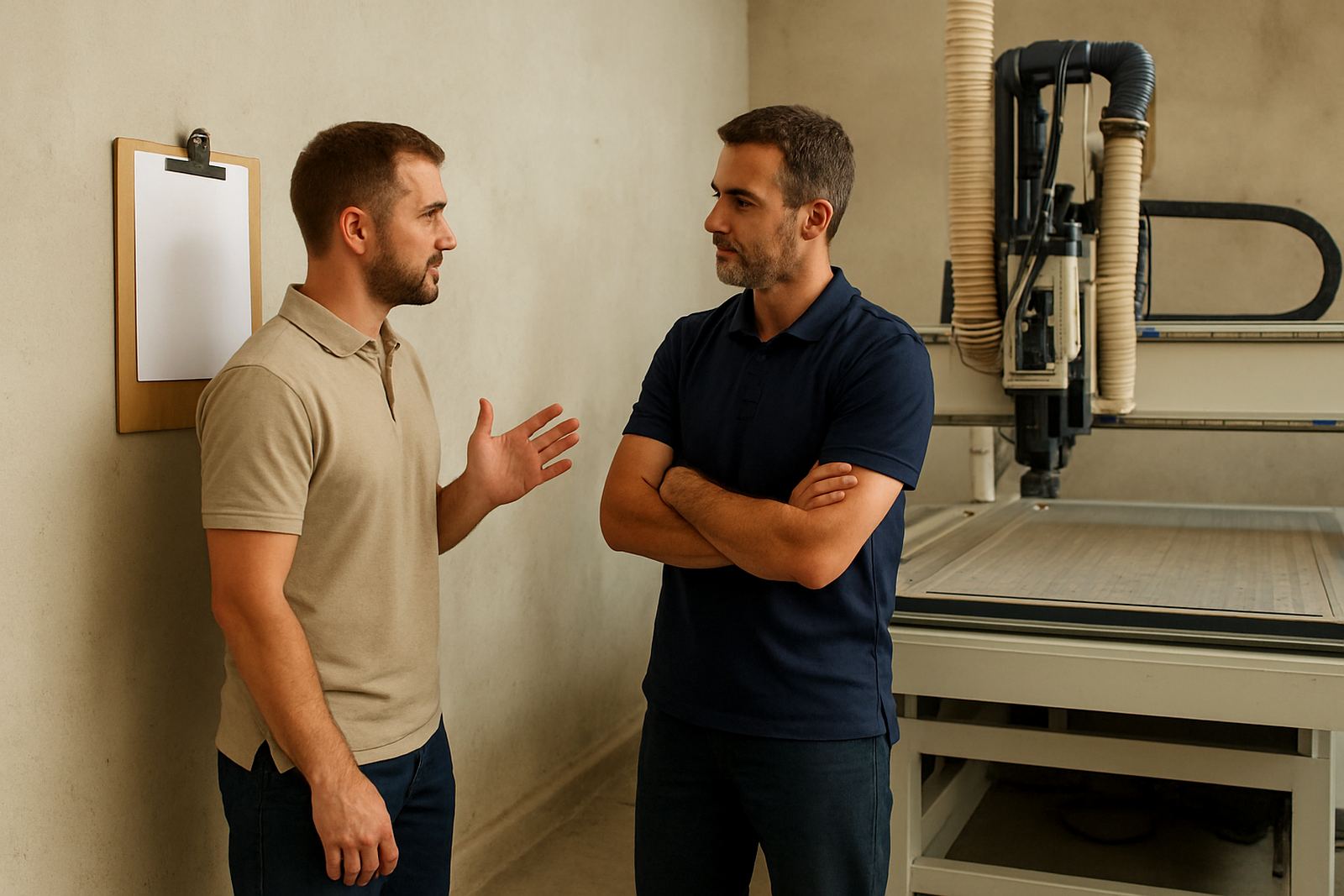
The guide pages are meant to help you ask better questions before you compare models. If you already know your sheet size, material mix and target output, it becomes easier to see whether an entry router, a larger production bed or a full nesting setup makes sense. From there, the next step is usually a site discussion, so the machine and the workshop fit each other instead of forcing compromises.
Once you have the right format in mind, the listing cards below can be used to review individual machine options in more detail. That keeps the process simple, practical and easier for the team to follow.