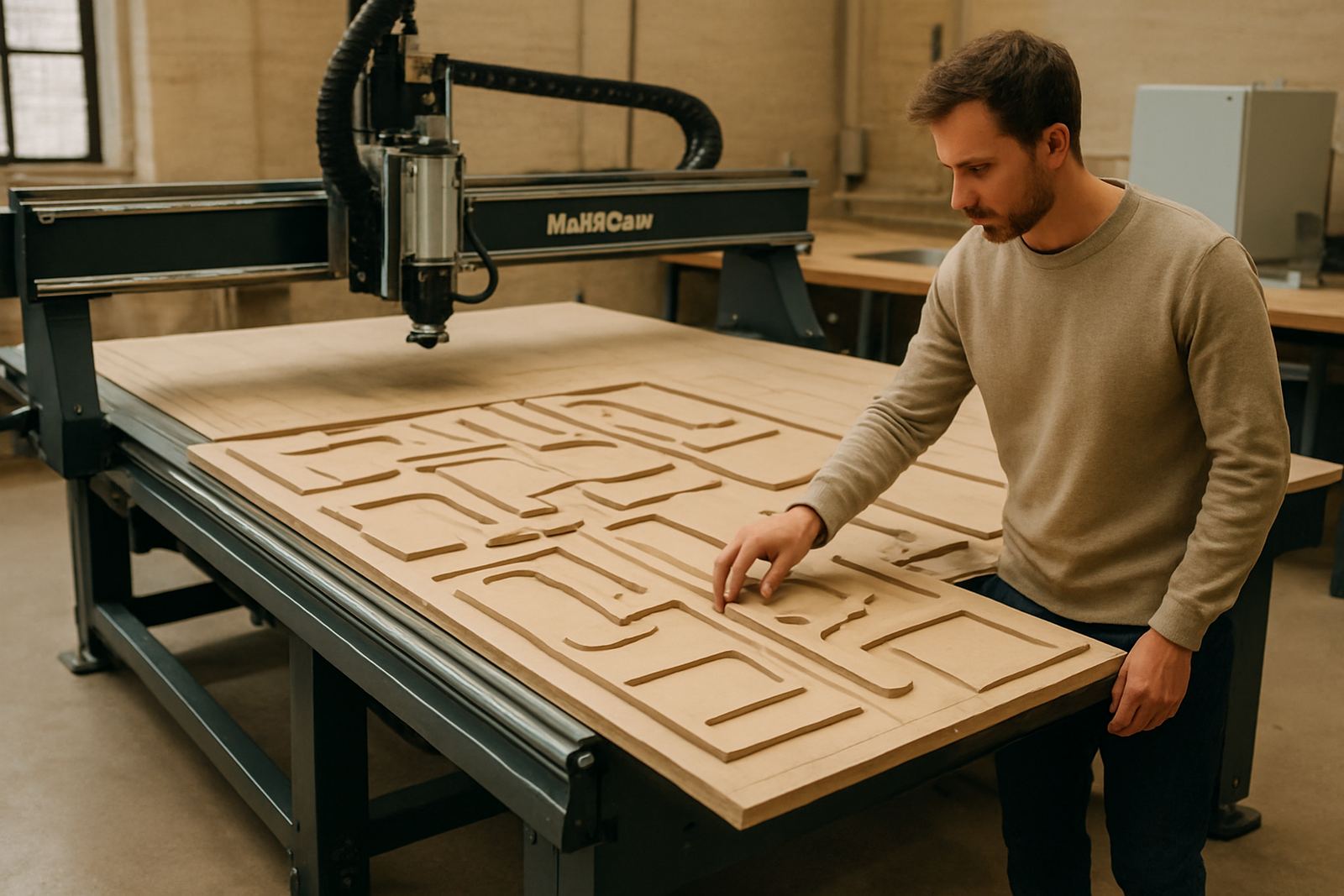
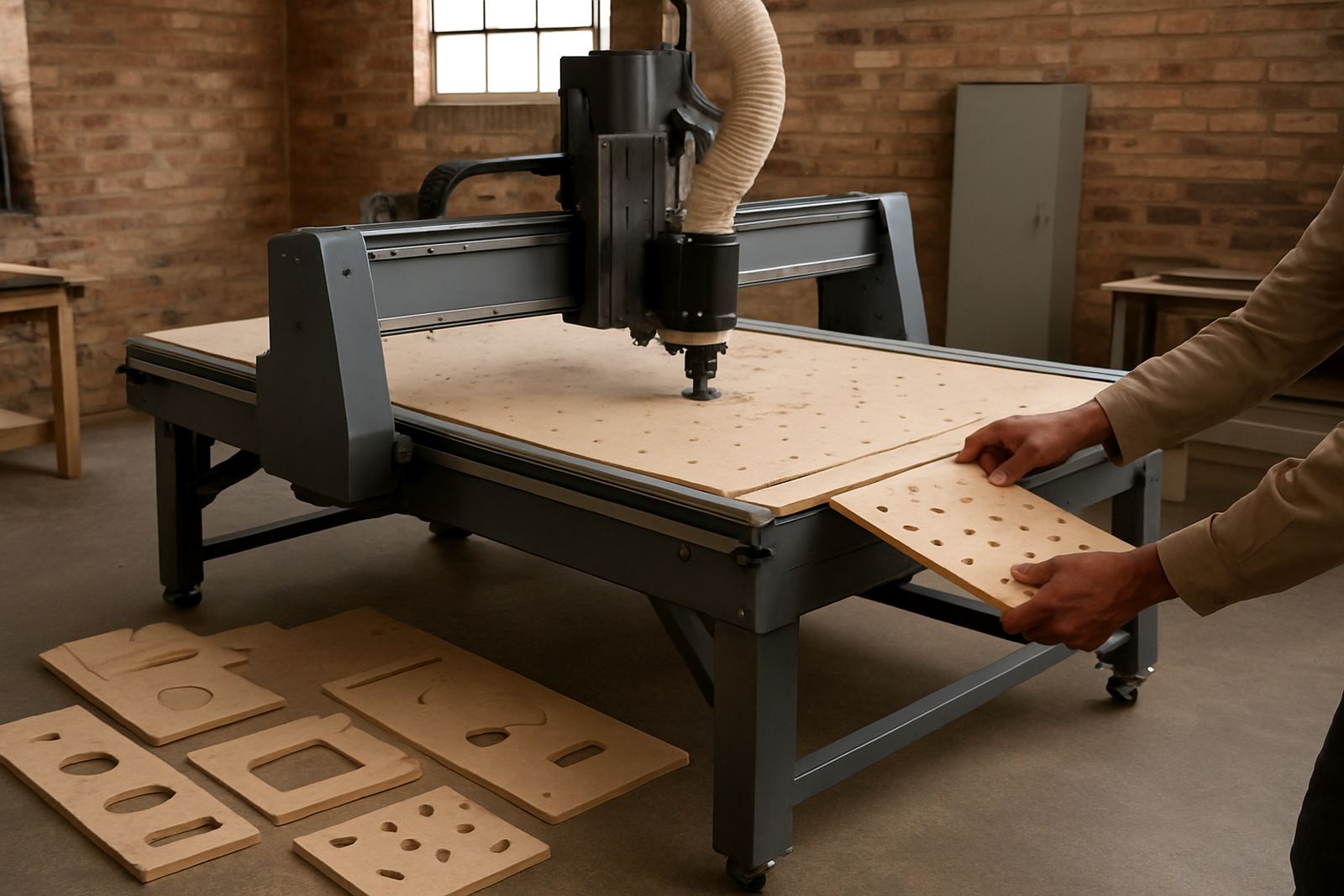
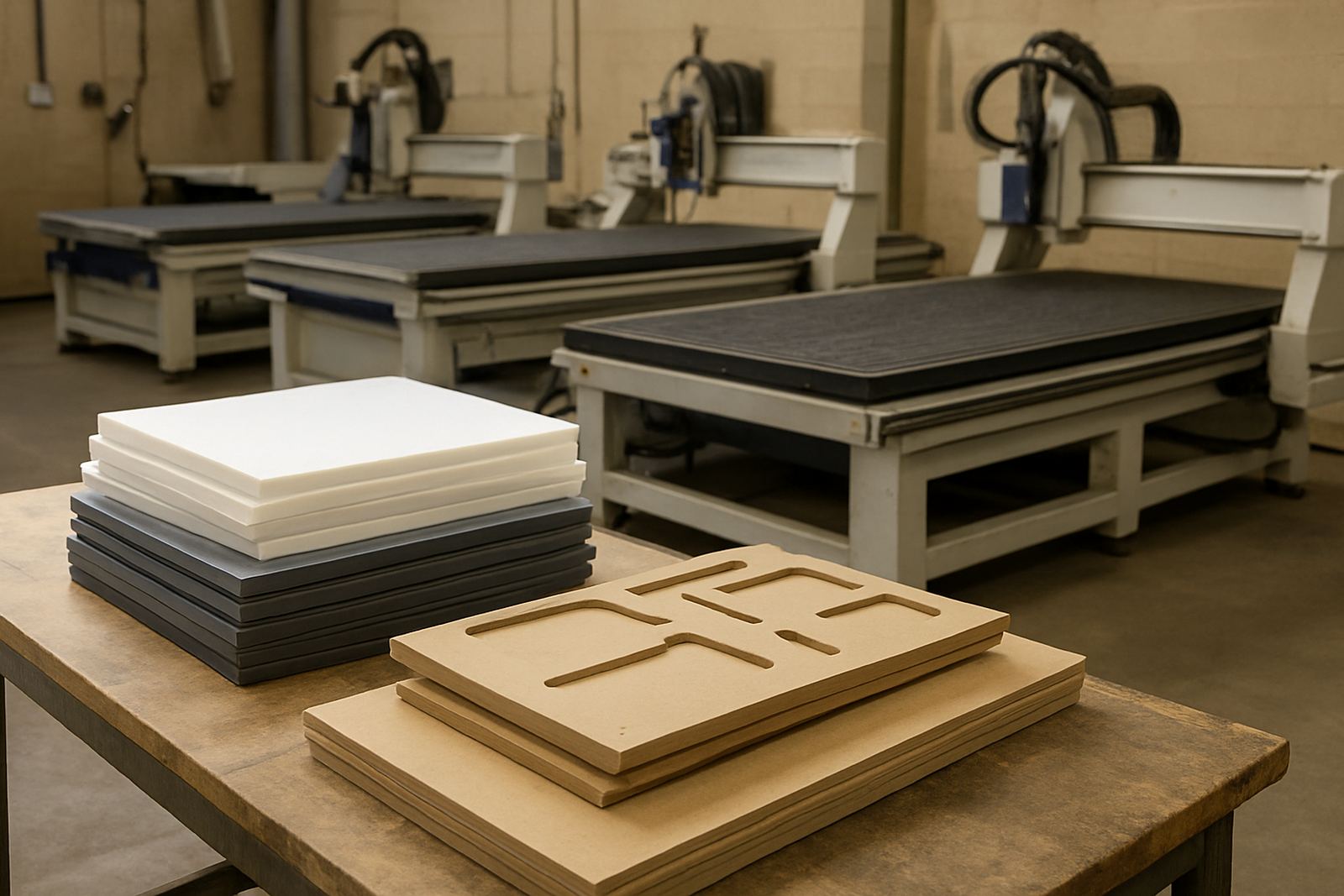
What to expect from the installation stories
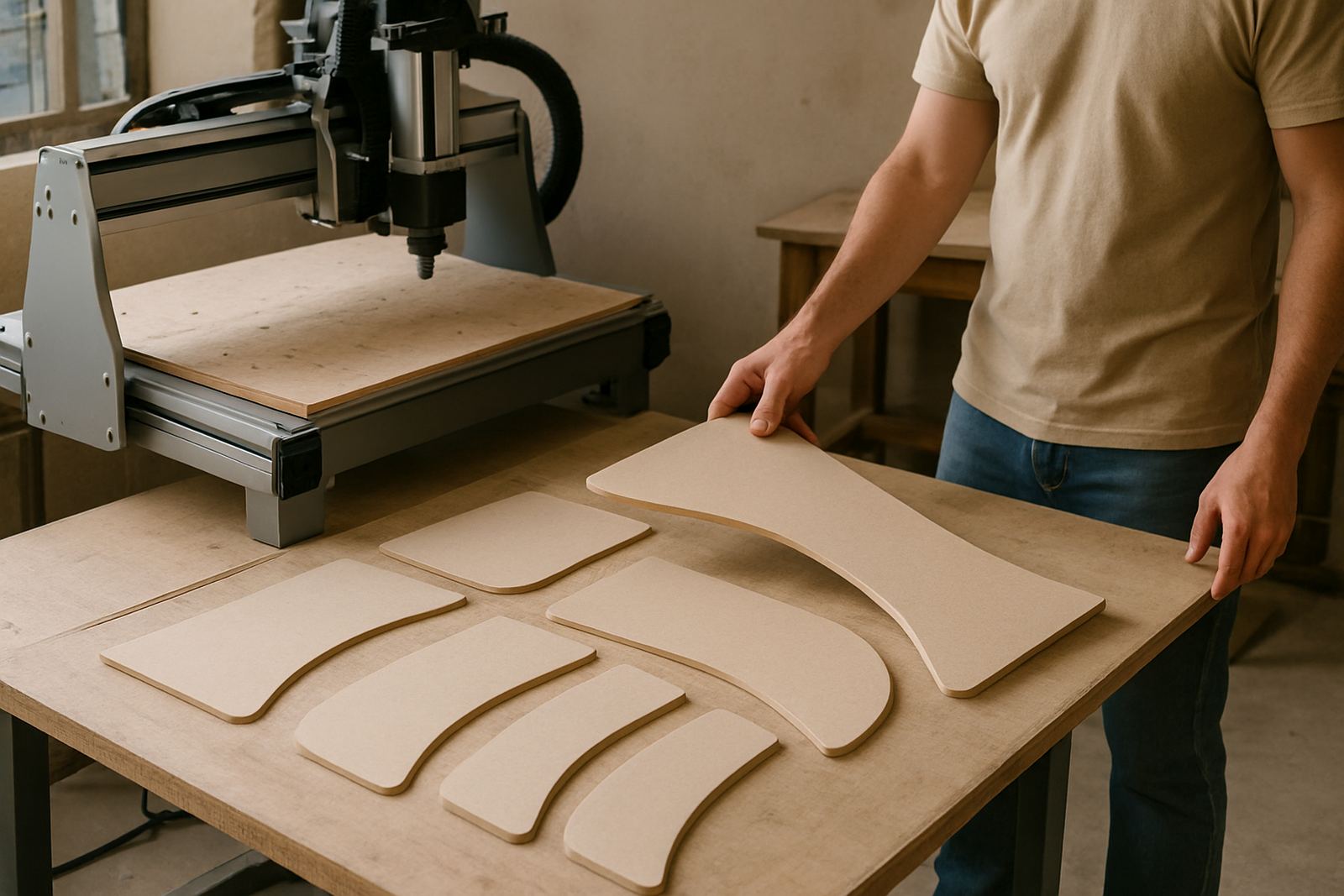
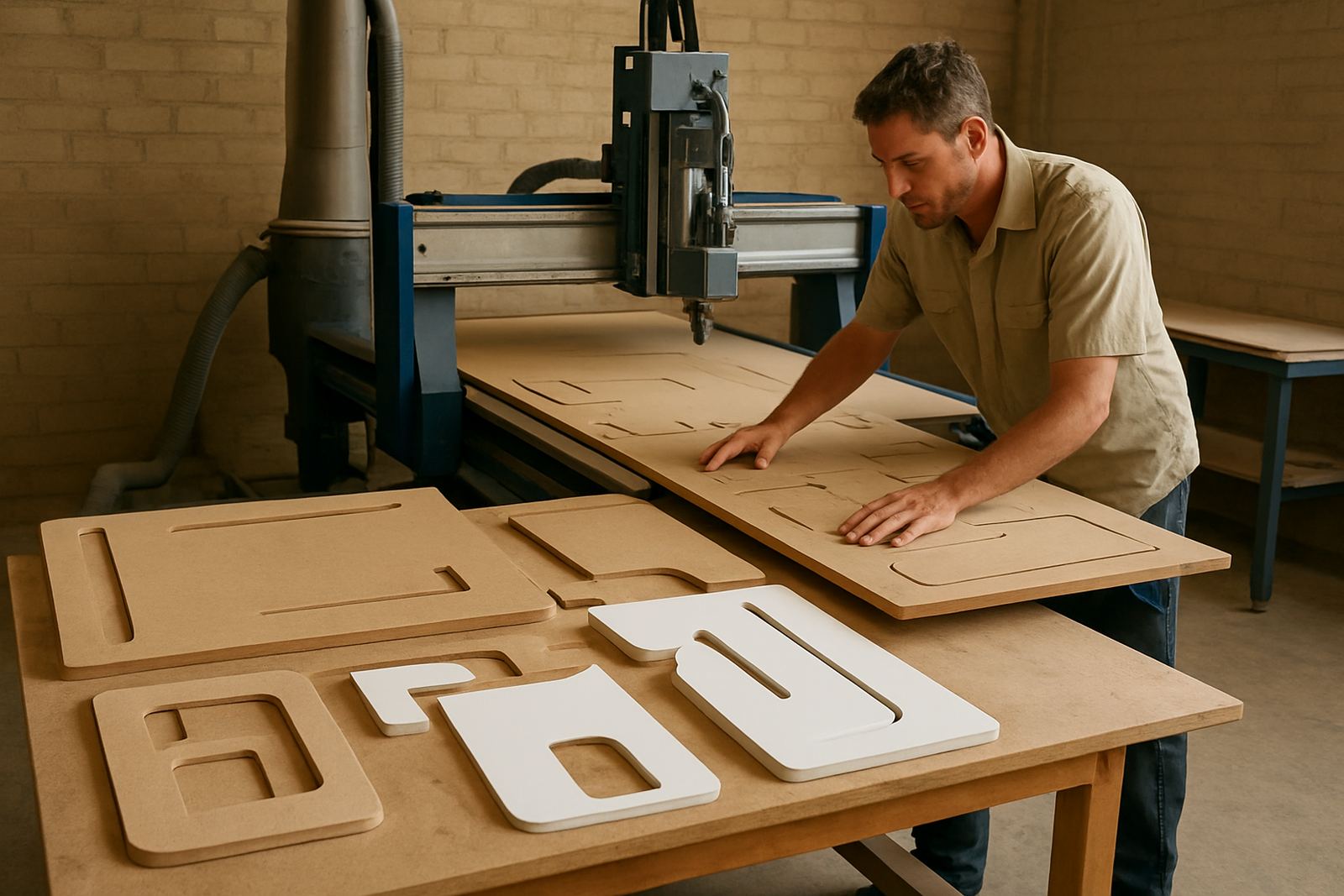
This hub brings together recent jobs across wood, plastics and soft metal work. Some sites needed a first router for sign cutting, others were replacing older machnines that had become difficult to keep accurate, and a few were building out from a single table to a full production cell.
Use these stories to compare table size, spindle choice, dust extraction, vacuum hold-down and operator workflow. The aim is not to overwhelm you with technical language, but to show what changed on the shop floor once the system was installed and set up properly.
Jobs for sign shops, cabinet makers and general fabricators
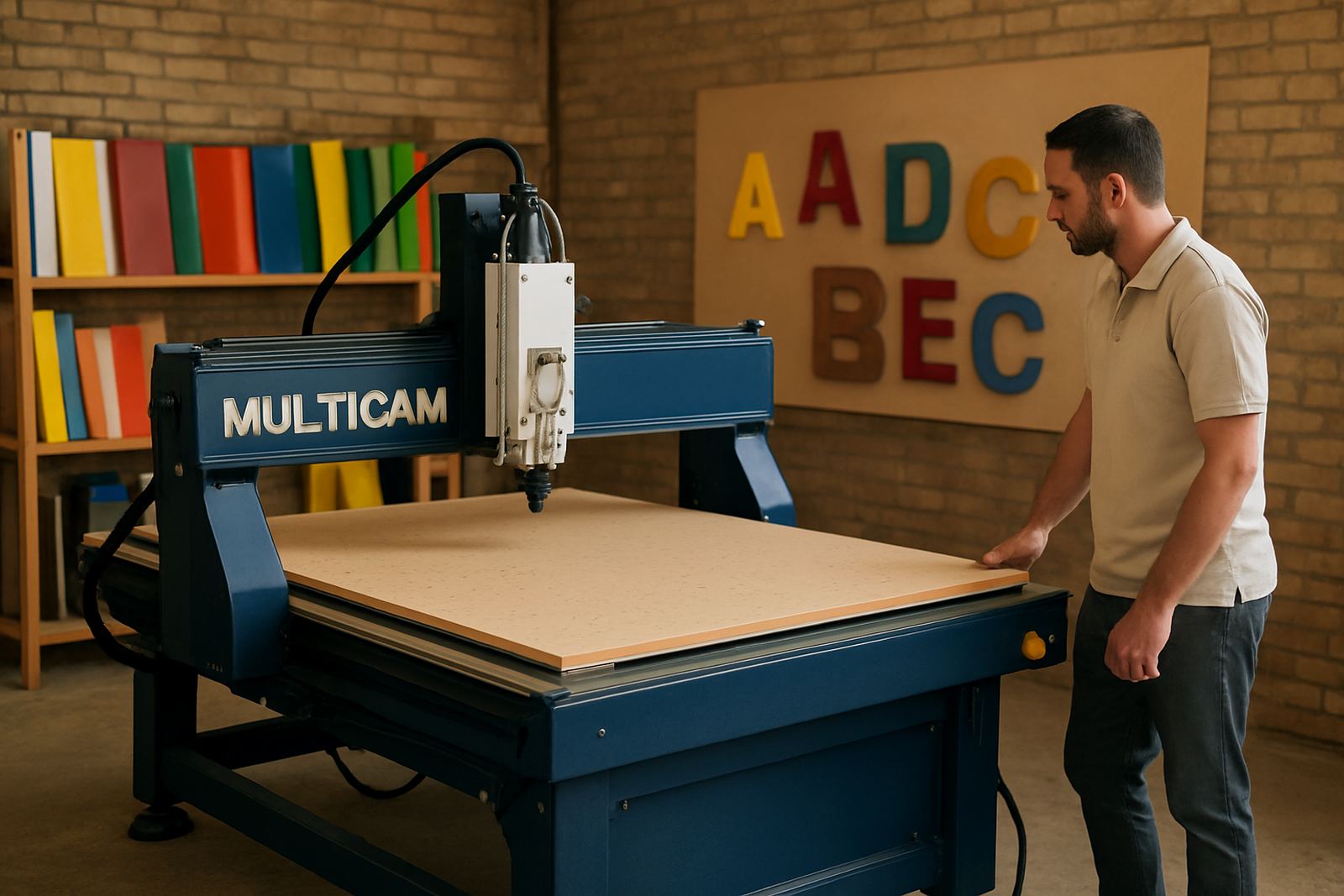
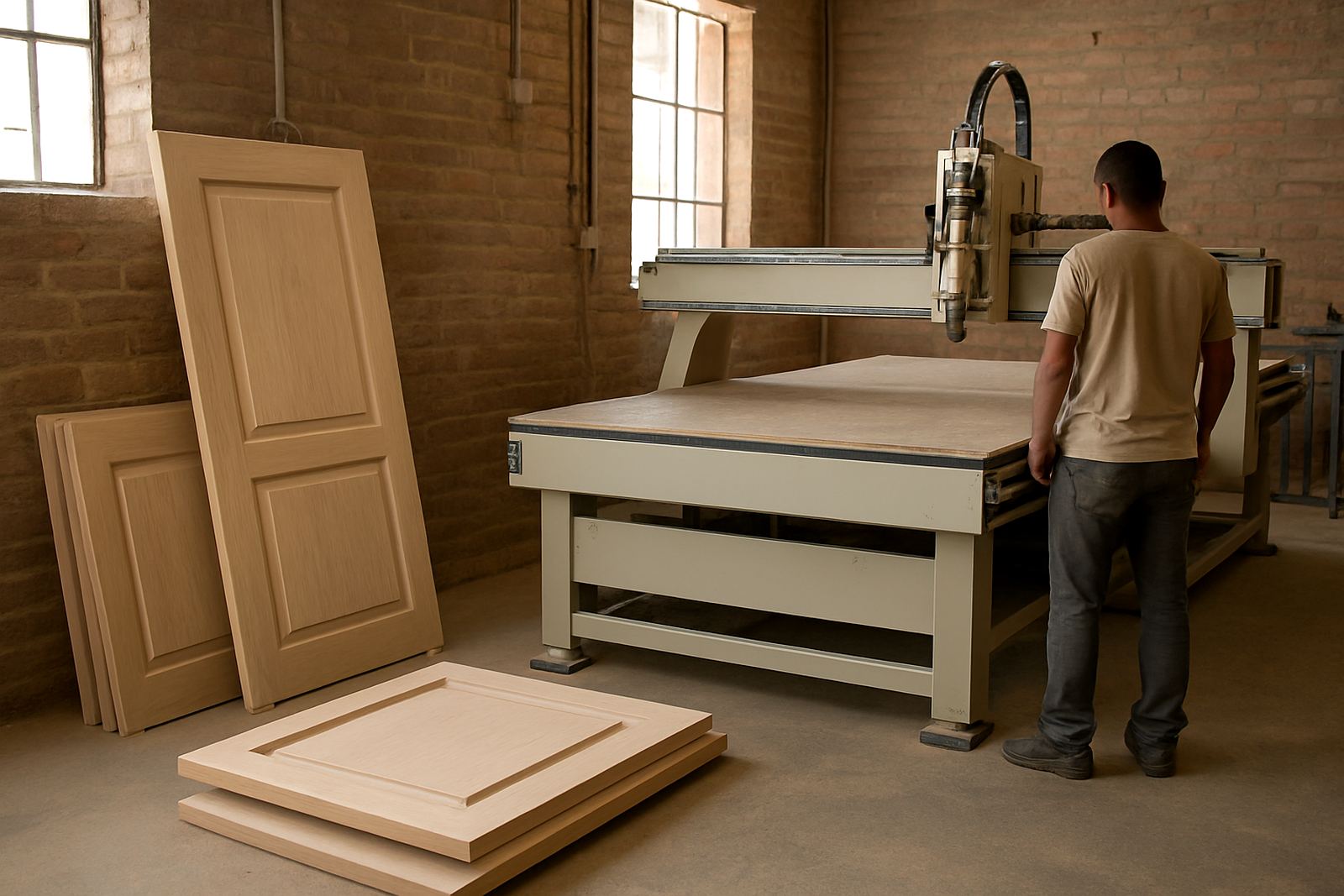
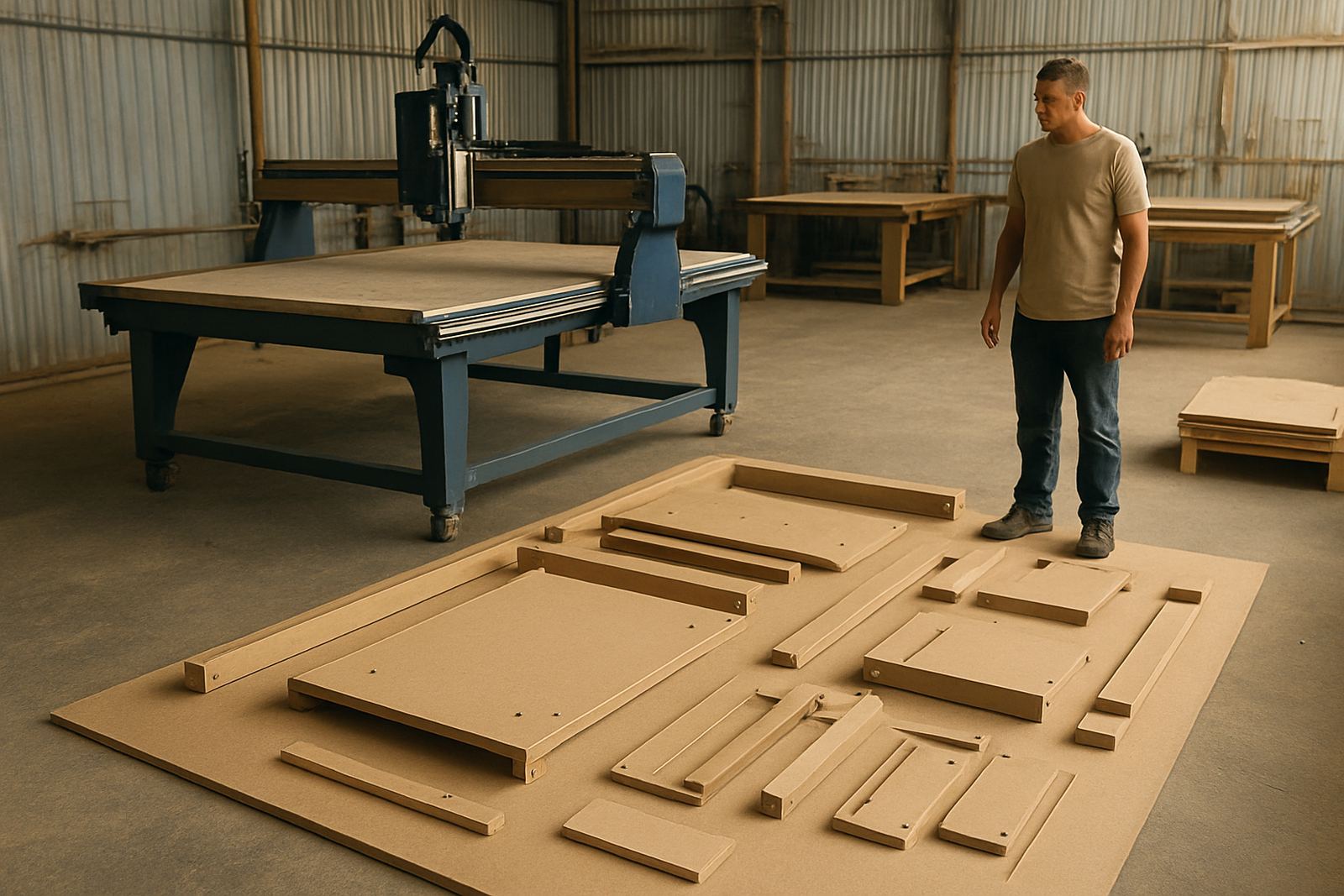
Across South Africa, the same machine can serve very different teams if the tooling and hold-down are matched to the work. A sign shop may need fast profile cutting in ACP and acrylic, while a cabinet shop cares more about nesting boards cleanly and keeping edge quality steady on laminated panels.
- Sign work: letters, panels, routing, drilling and repeatable sheet cutting
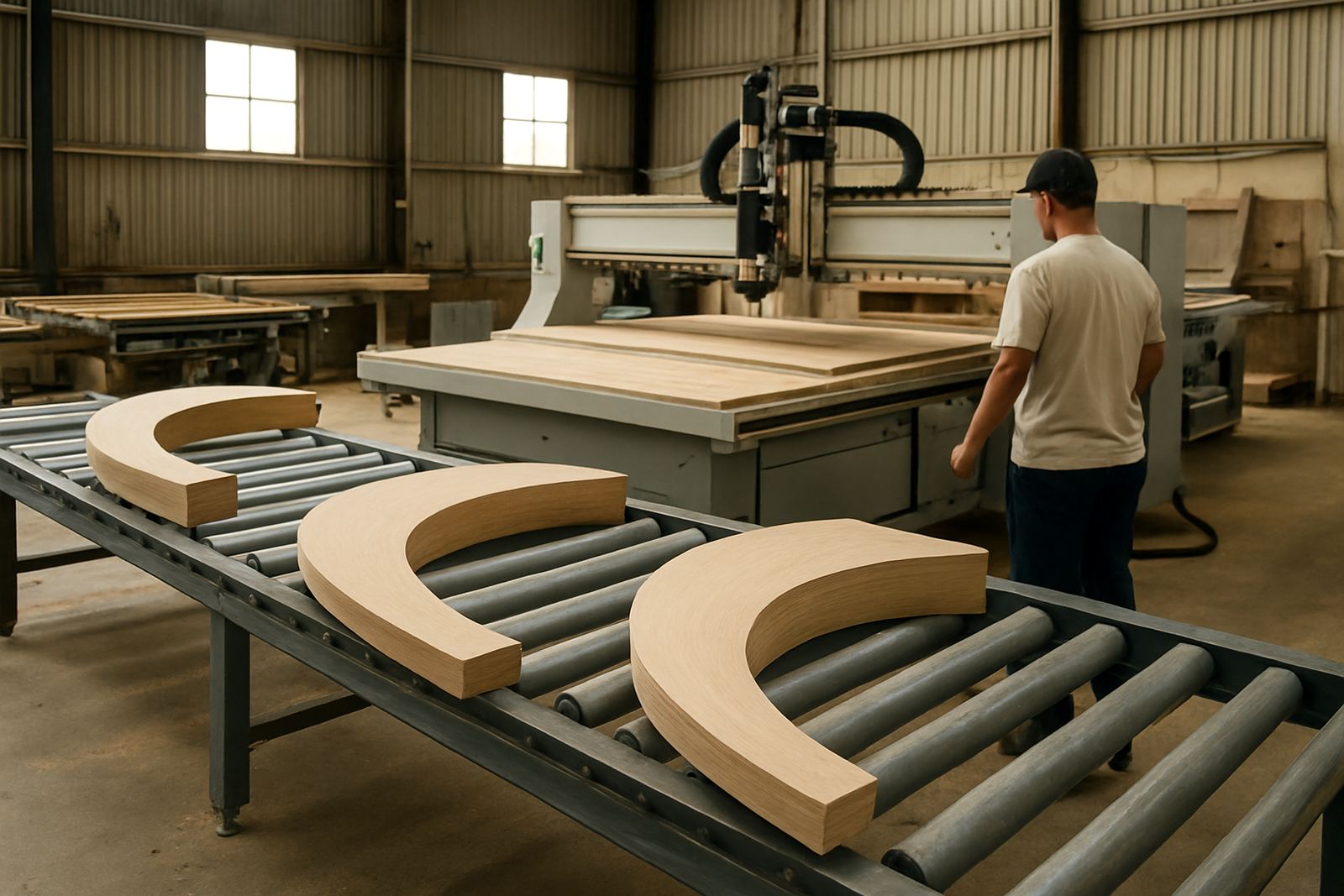
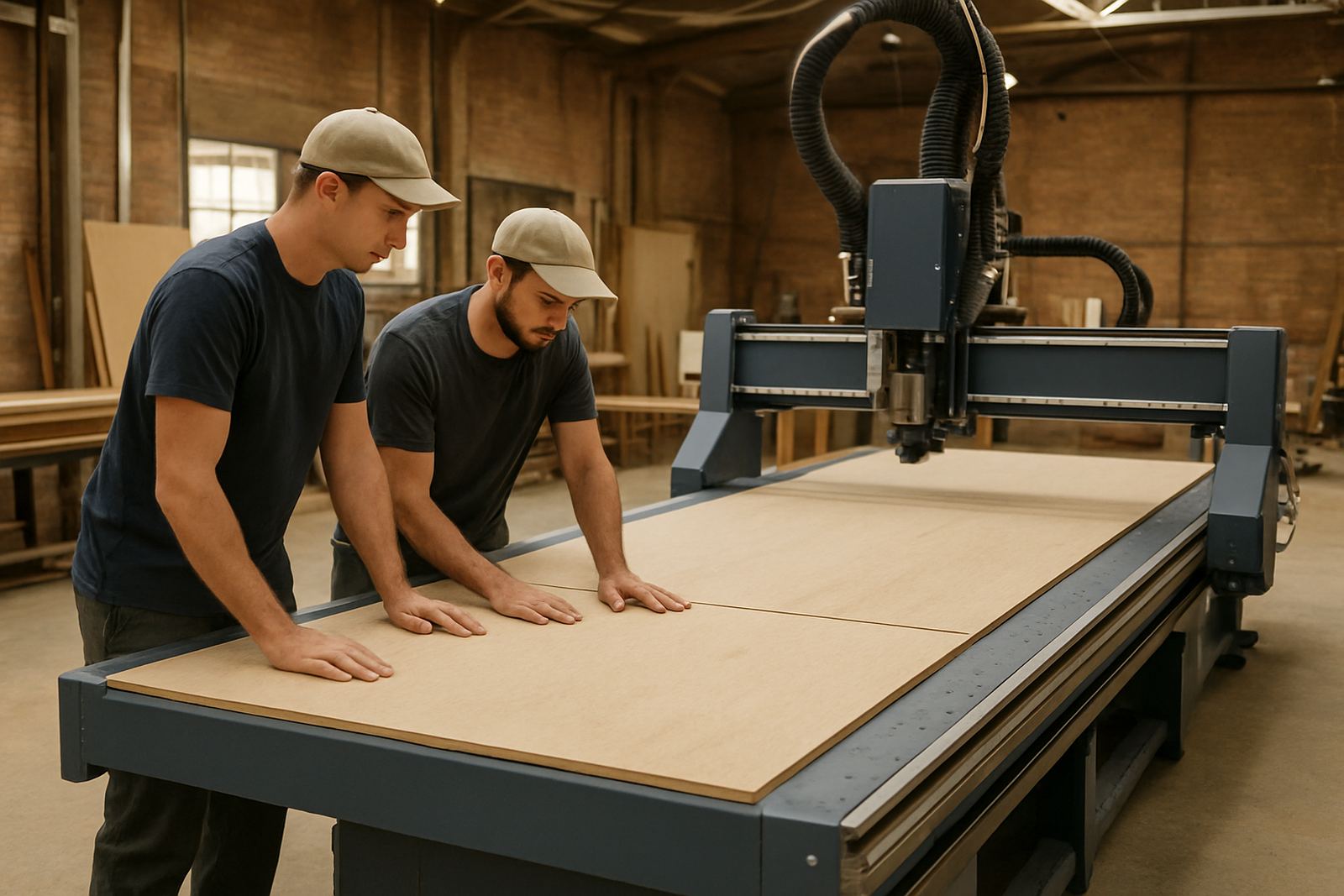
- Furniture work: nesting, panel sizing, hinge holes and part labelling
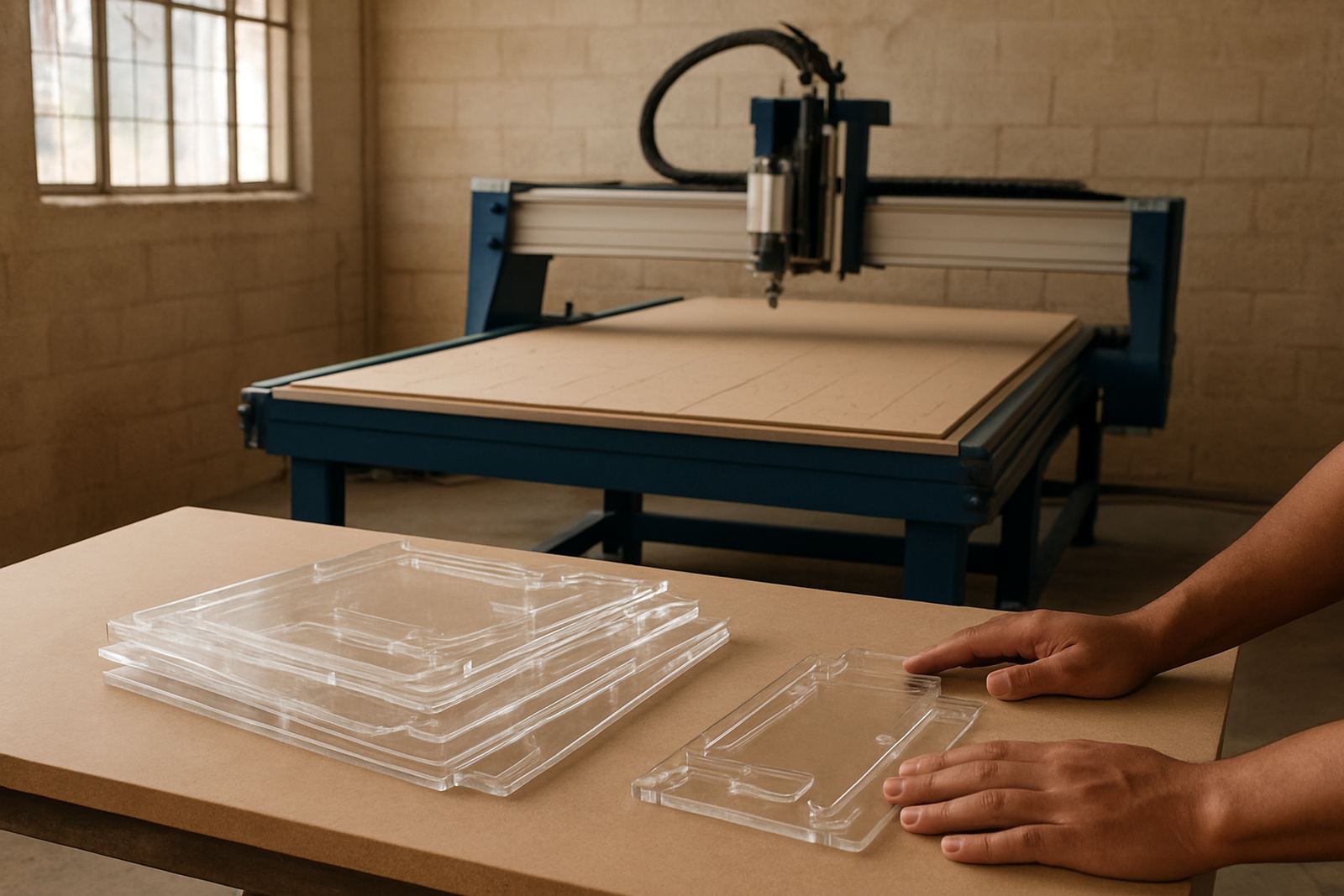
- Fabrication work: templates, jigs, plastic components and light aluminium jobs
- Mixed-use shops: one machine that can move between jobs without long resets
When you read the examples below, look at the material first, then the daily output and the level of operator support that was needed. That is usually the best clue to the right setup.
From first machine to full workshop flow
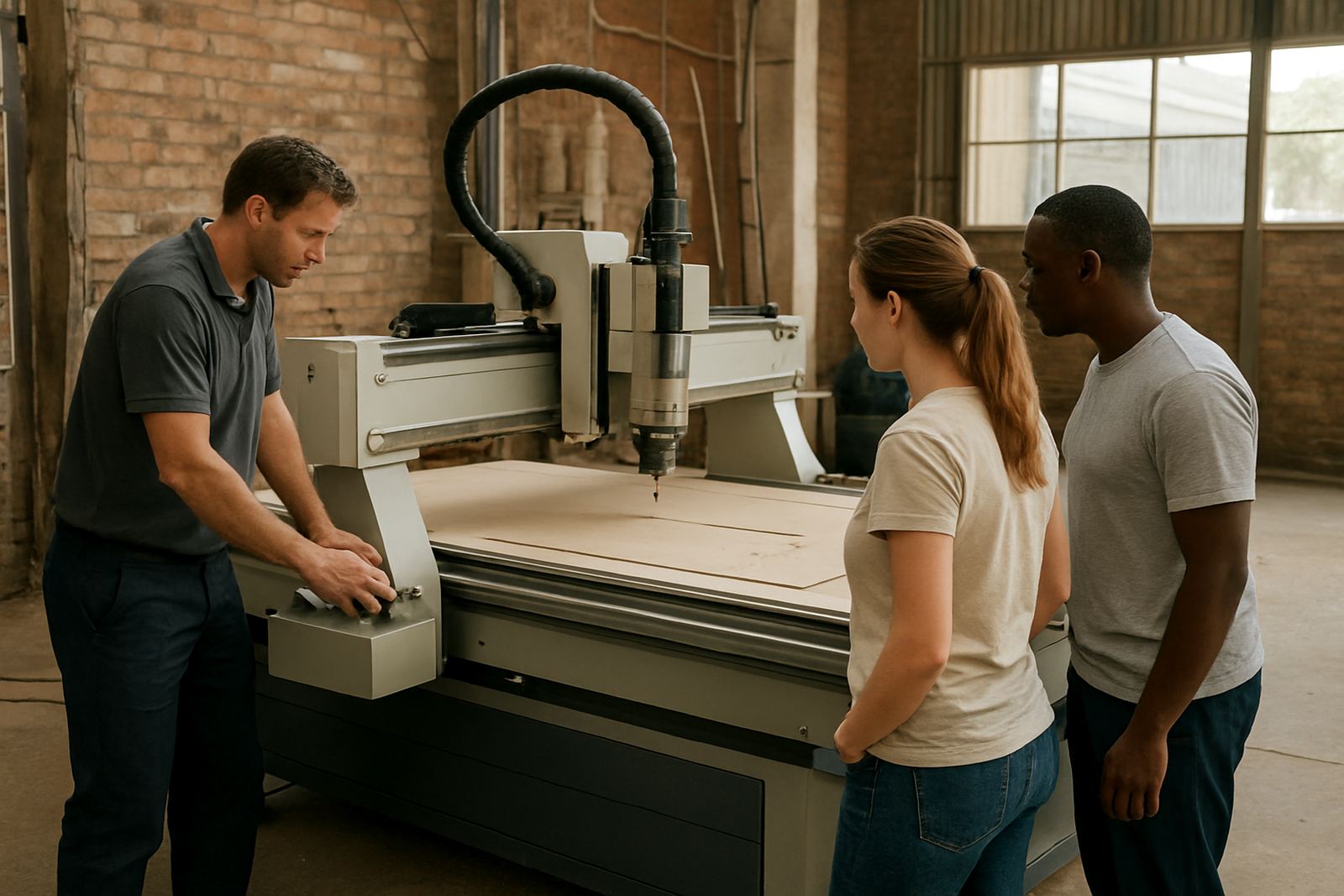
Several installations started with a simple brief: reduce manual marking and cutting time, and get parts off the machine ready for assembly. In those cases the setup often included controller backup, basic tooling notes and operator training so the team could load jobs with confidence.
Where growth was already happening, the focus moved to vacuum leak checks, dust system balancing and machine relocation planning. That matters in Gauteng and along the coast because dust, humidity and power interruptions all affect how a CNC system behaves from one week to the next.
- Entry workshops usually need simple, repeatable workflows
- Growing shops benefit from better nesting and faster changeovers
- Production sites need stable uptime, clean extraction and clear maintenance intervals
Installation notes that matter in South African conditions
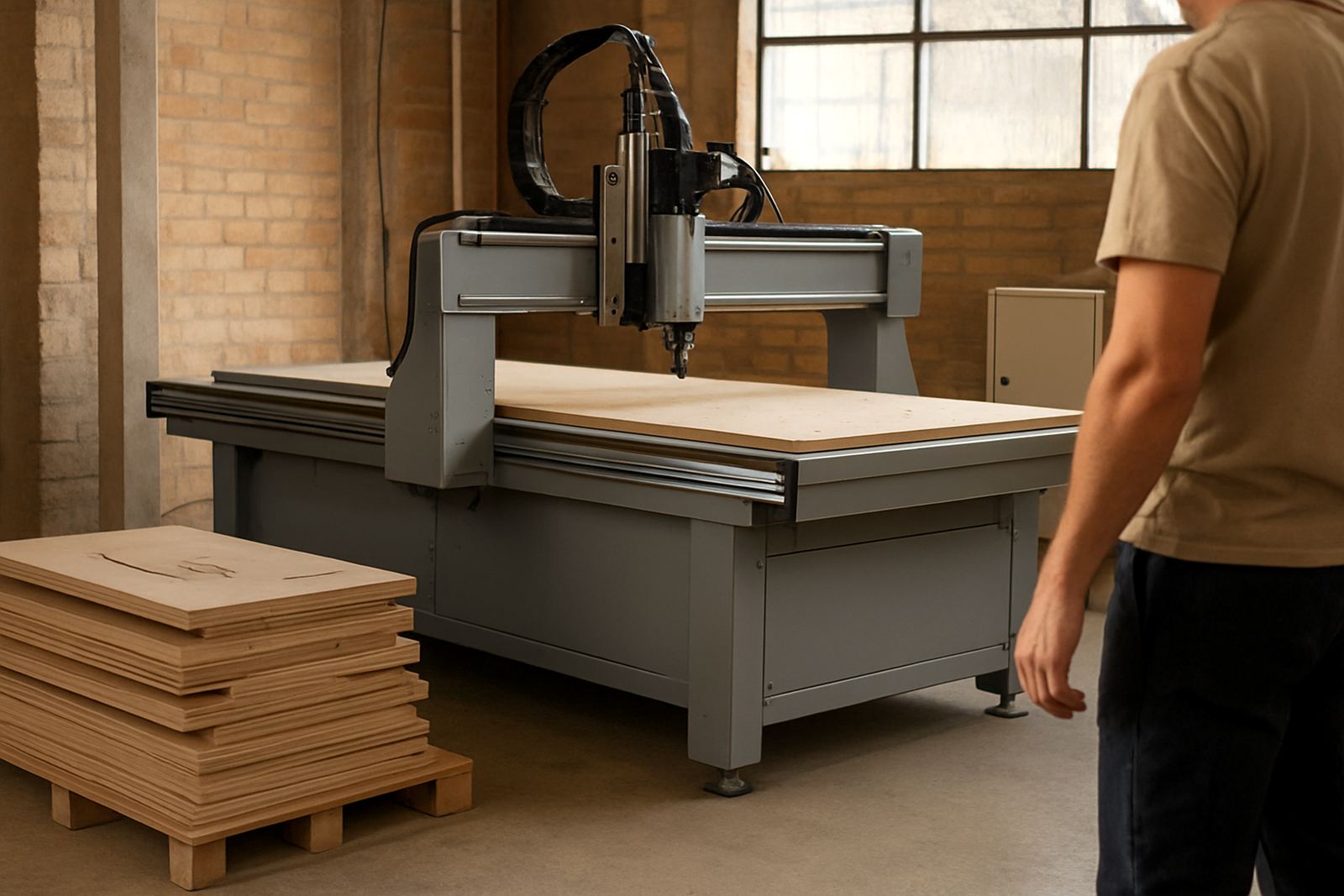
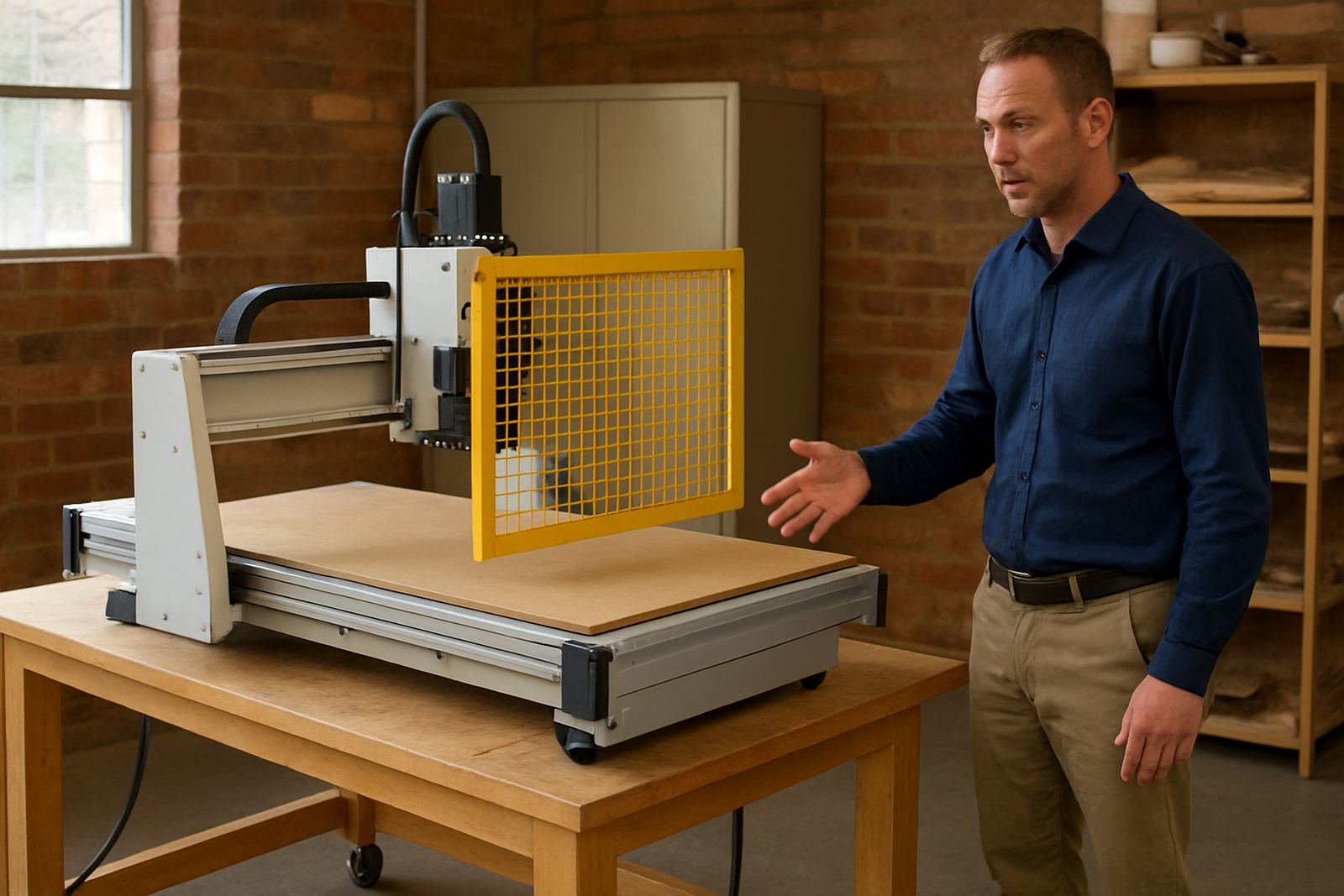
A clean install is not just about bolting down a machine. It also means checking floor level, cable routing, air supply, extraction capacity and safe access around the table. In older premises, especially around Germiston and other industrial areas, the available power supply and airflow may need a closer look before the first run.
On coastal sites, humidity can affect boards, tools and stored components, so operators are advised to keep consumables dry and inspect spindles and bearings on schedule. In load-shedding areas, shutdown procedure and controller backups are part of daily discipline, not an afterthought.
How the support team fits into each project
Each installation is supported by a team that handles different parts of the process. Sales, applications, service and parts all matter when the machine must move from delivery to daily cutting without wasting time.
- Lerato Nkosi helps with machine selection and job-fit questions
- Stefan Naude handles technical checks and commissioning detail
- Lesedi Ntanzi assists with tooling setup and cut strategy
- Farieda Adams coordinates service calls and maintenance scheduling
- Mpho Mtshali manages installation and relocation work on site
- Chantel Naidoo supports parts and tooling planning
That mix is useful when a workshop wants one contact for practical decisions, not a long chain of handovers.
Choose a story that matches your own workshop
Before you pick through the cards that sit below this hub, decide what you need most from the machine. If your main issue is manual cutting time, look for straightforward entry installs. If your pain point is sheet utilisation, focus on nesting examples. If your staff need confidence on the control side, choose stories that mention training and commissioning.
MultiCAM installs run from Germiston and Johannesburg East through Midrand, Pretoria East, Durban North and Cape Town North, with support available across South Africa. If you are comparing setups for your own workshop, the best match is usually the one that looks closest to your material thickness, shift pattern and finishing standard.