What a pod rail router does on the shop floor
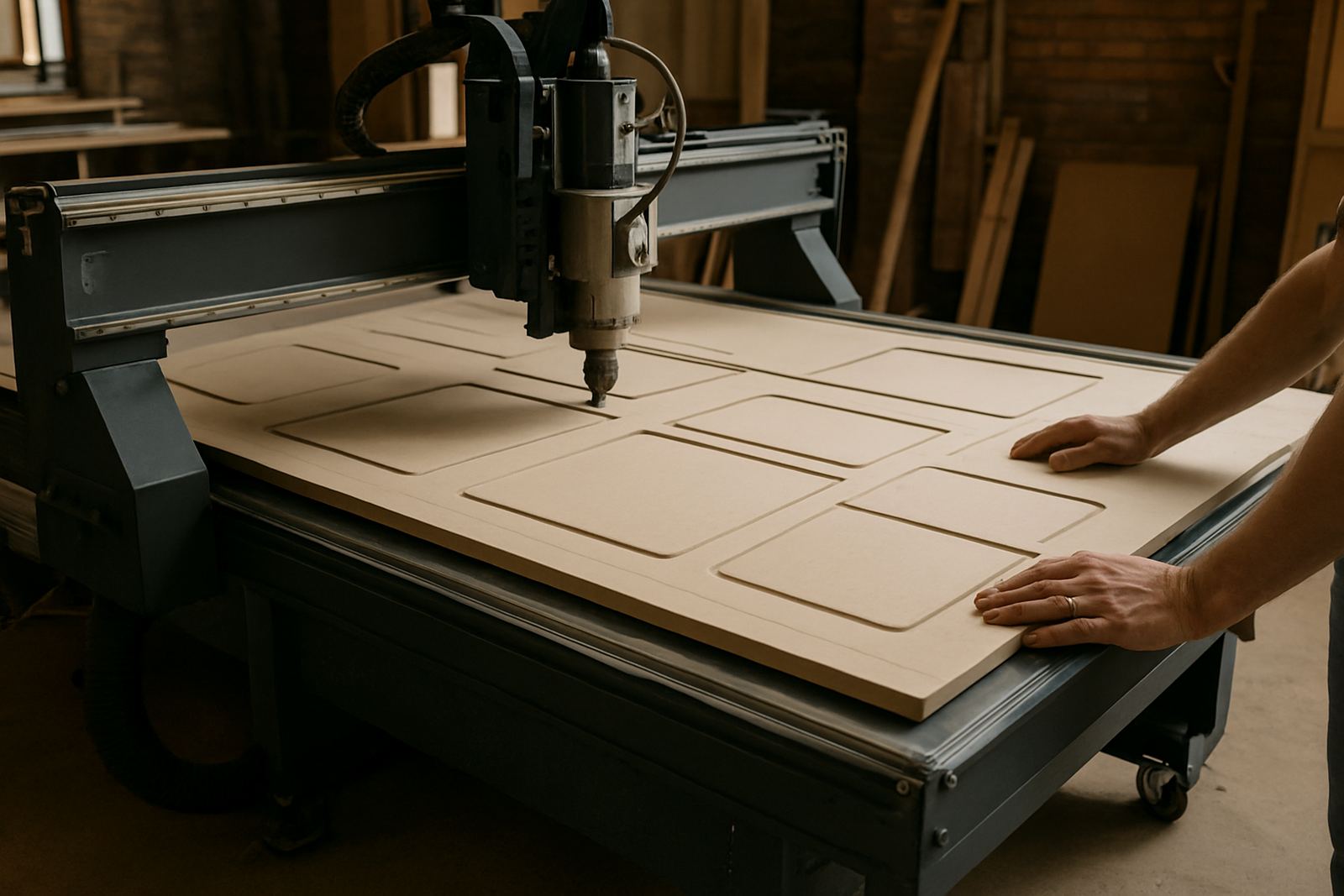
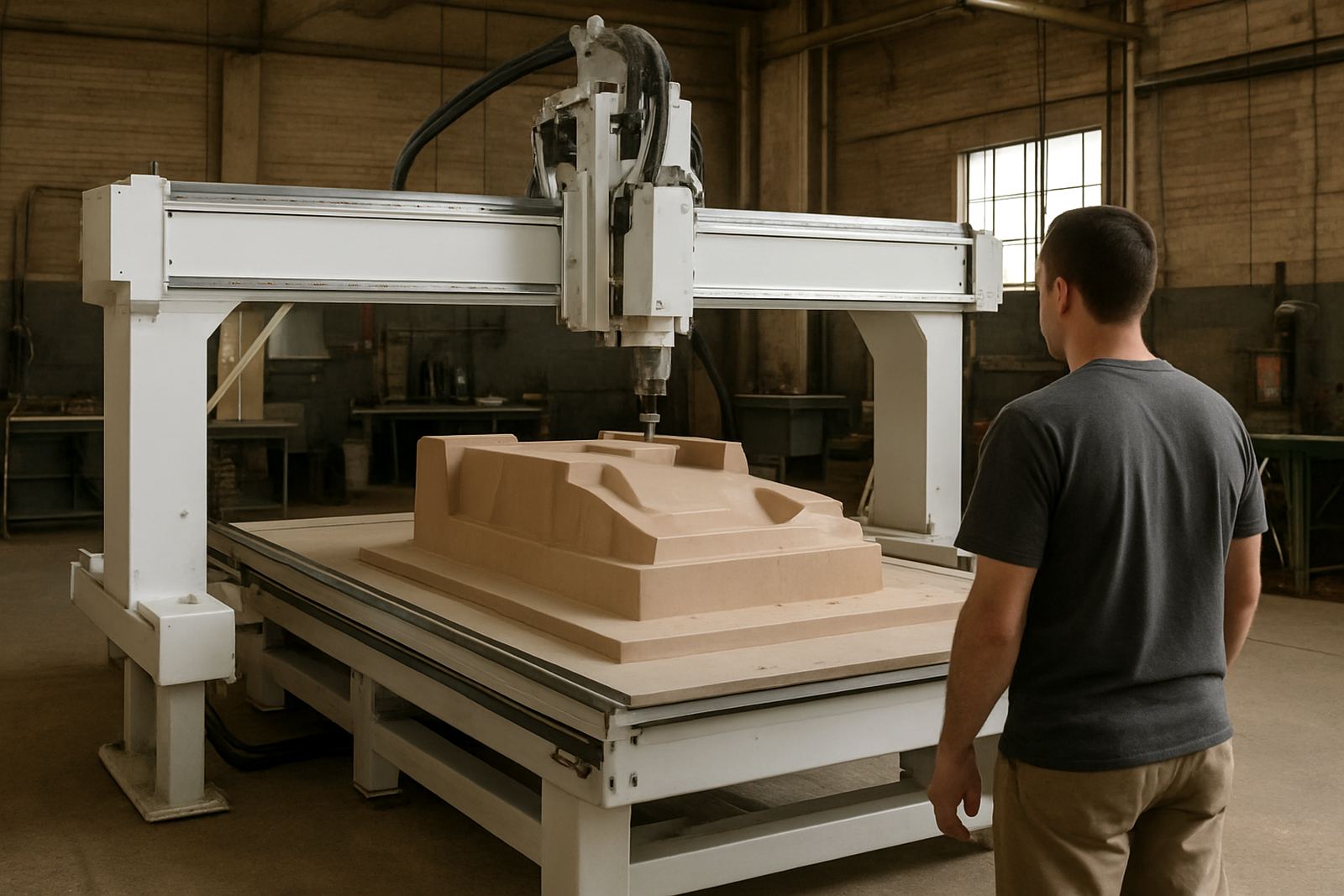
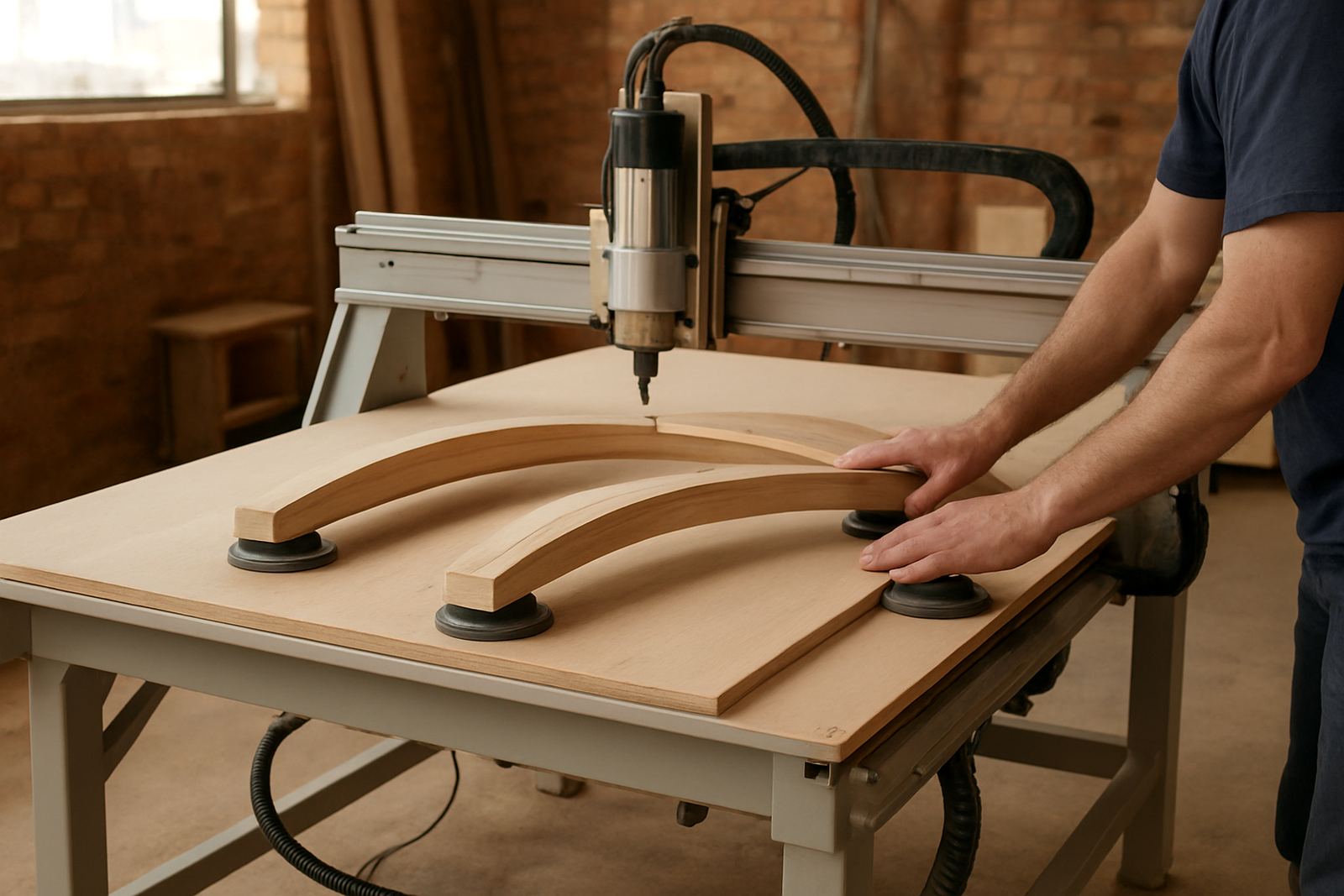
A pod rail router uses movable pods and rails instead of a fixed vacuum bed, so you can support parts where they are needed most. That matters when you are machining nested components, curved blanks, short runs or panels that change size from one job to the next. The table can be set up for strong clamping on both small and large workpieces, which helps reduce movement during cutting and leaves cleaner edges.
For sign shops, cabinet makers and general fabricators, the format suits work that is too varied for a single fixed layout. It also helps when you need to cut around cut outs, rebates and profiles without spending too much time on support changes. In practical terms, the machine is about flexibility, repeatability and less handling between drawing and finished part.
- Supports shaped and rectangular parts
- Works well for short runs and mixed batches
- Allows fast repositioning of pods and rails
- Suitable for nesting, profiling, drilling and pocketing
Sizes and options that fit local production
Pod rail routers are usually specified by working area, spindle power, table layout and the style of clamping your team prefers. Common formats suit 2 500 x 1 250 mm, 3 100 x 2 100 mm and larger beds for full production use. The right choice depends on sheet size, average part size and how much throughput you need each day. If your workshop handles many different jobs, a flexible table often saves more time than a fixed vacuum setup.
Options can include automatic tool change, extra pods, pop-up location stops, side fences and different vacuum zones for certain materials. A stronger spindle helps on hardwoods and thicker boards, while lighter duty machines can still handle plastics and softer materials with good tooling. MultiCAM can guide selection so the table size, spindle and control system fit the work you actually do, not just the biggest job on paper.
- Working areas from entry size to full production formats
- Spindle power matched to material thickness and cycle time
- Optional tool change for multi tool jobs
- Vacuum, pod and clamp layouts chosen to suit the part shape
Best uses for fabricators, sign shops and furniture makers
This type of router suits shops that cut boards, panels and shaped parts across more than one product line. Furniture makers use it for cabinet parts, shelves, drawer fronts and edging work. Sign shops use it for acrylic, PVC foam board and composite panels. Light fabrication teams use it for templates, jigs and non ferrous sheet parts where controlled routing is needed.
It is a practical choice where job sizes change often and operators need a clear setup process. If you work near the coast or in areas with high humidity, the open clamping layout also makes day to day cleaning easier, because you are not relying on a single large vacuum surface for every job. That said, extraction and housekeeping still matter and should not be treated as optional.
- Furniture components and panel processing
- Sign making and acrylic cutting
- Jigs, templates and production aids
- Soft metal, plastic and board work
Installation, power and air requirements
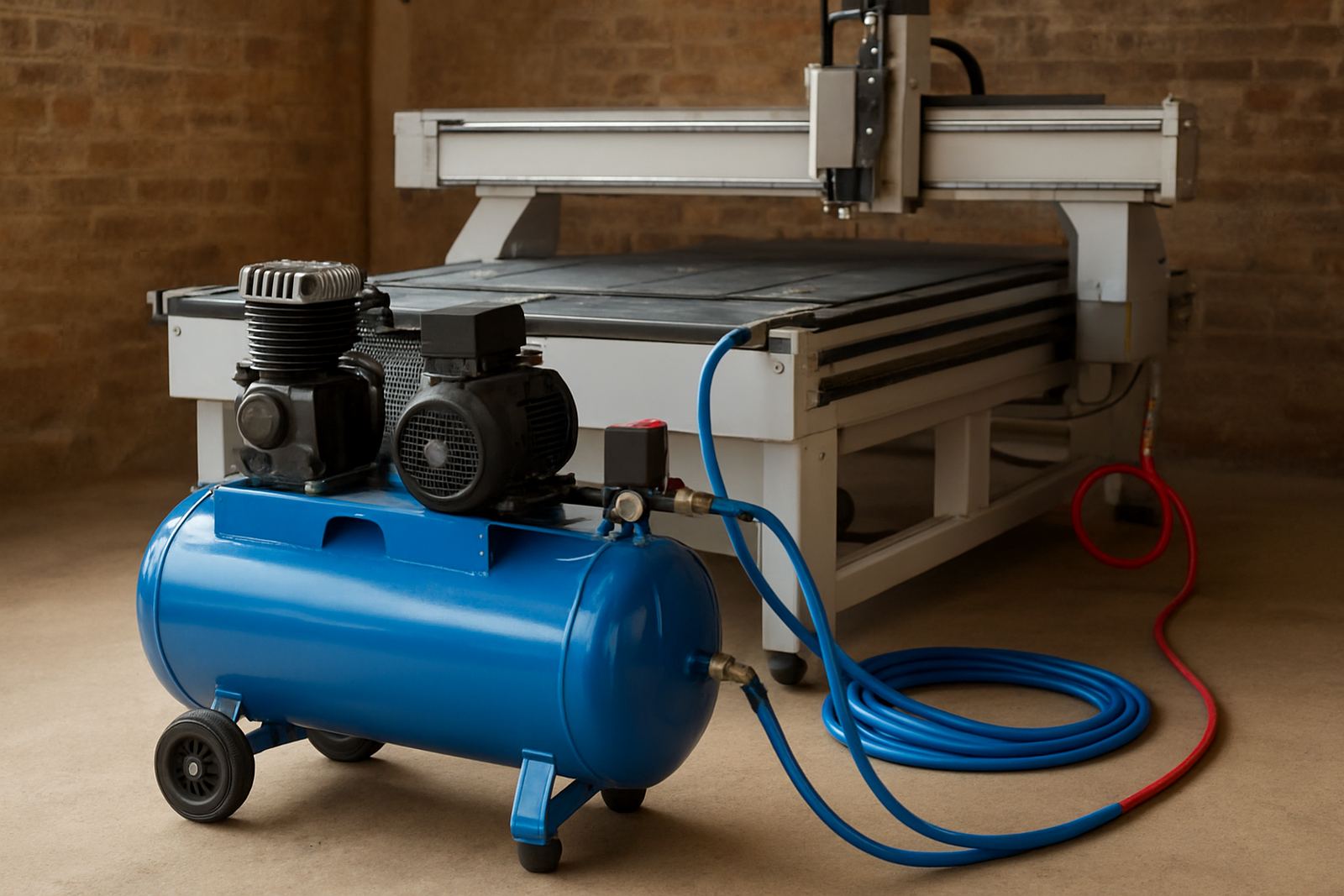
Before installation, the workshop should have a level floor, safe lifting access and enough clear space for loading, maintenance and sheet handling. Most pod rail routers need stable three phase power, proper earthing and a clean supply that suits the drive system and spindle load. Compressed air is often needed for pod movement, clamping and certain machine functions, while dust extraction should be sized to the cutter load and the volume of chips produced.
In Johannesburg and across South Africa, it is worth planning for load shedding and voltage dips from the start. A controller backup, correct shutdown process and sensible restart routine can save time and avoid lost settings. On some sites, the biggest issue is not the machine itself, its the workshop flow around it, so installation planning should cover material infeed, offload space and operator access as well.
- Three phase power with proper earthing
- Compressed air for pod and clamp functions
- Dust extraction matched to cutting volume
- Clear floor space for loading and maintenance
Care, servicing and everyday checks
A pod rail router works best when operators keep the table clean, check clamps before each run and remove dust build-up from the rails, pods and guides. Regular vacuum leak checks, spindle service and controller backups help prevent avoidable stoppages. Tooling also needs attention, because a blunt cutter increases heat, edge tear-out and load on the spindle.
Preventive maintenance should follow actual use, not only the calendar. A busy Germiston or Midrand workshop may need more frequent checks than a lighter production site. Good service habits reduce downtime and help keep cut quality consistent from one shift to the next. Keep spare tooling on hand, record common setups and train new operators to read the machine before they press cycle start.
- Clean rails, pods and guide surfaces daily
- Check spindle condition and collet wear
- Back up controller settings regularly
- Review dust extraction and vacuum performance
What to confirm before you order
When ordering, start with the materials you cut most often, the largest sheet or part size, and whether you need automatic tool change or manual tool loading. Confirm if the machine will run flat board work only, or if you also need support for shaped parts, nested parts and occasional soft metal jobs. It also helps to know your dust system capacity, compressor output and whether the workshop can support the power supply needed.
Ask for the table layout, spindle specification, controller format and the amount of training included with commissioning. If your team is moving an older machine or setting up a second production line, ask about relocation and installation timing so the changeover stays orderly. A clear order sheet now avoids arguments later, because the small things are usually what slow a line down.
- Largest material size and thickness
- Main material types and cutting frequency
- Power, air and dust extraction available on site
- Need for tool change, training and service support
Key facts
| Machine format | Pod and rail CNC router for shaped panels and flexible clamping layouts |
|---|---|
| Working areas | Common formats available from 2 500 x 1 250 mm to 3 100 x 2 100 mm and larger |
| Materials | Wood, board products, plastics, composites and selected soft metals |
| Table system | Movable pods and rails with clamp or vacuum based support options |
| Power | Three phase supply with correct earthing and site specific electrical setup |
| Support services | Installation, commissioning, maintenance, training, tooling setup and relocation |