What a T-Slot Table Router Does on the Shop Floor
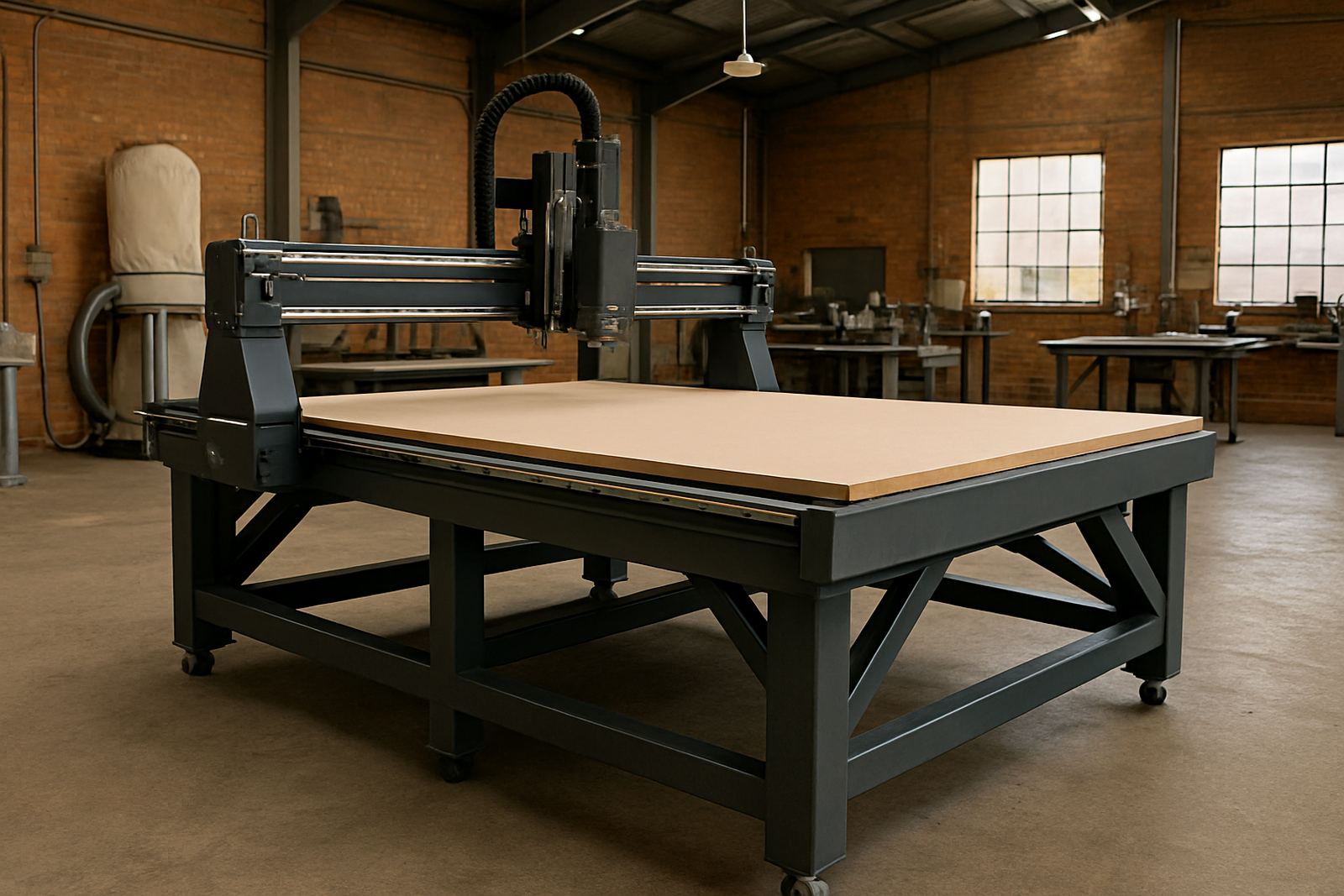
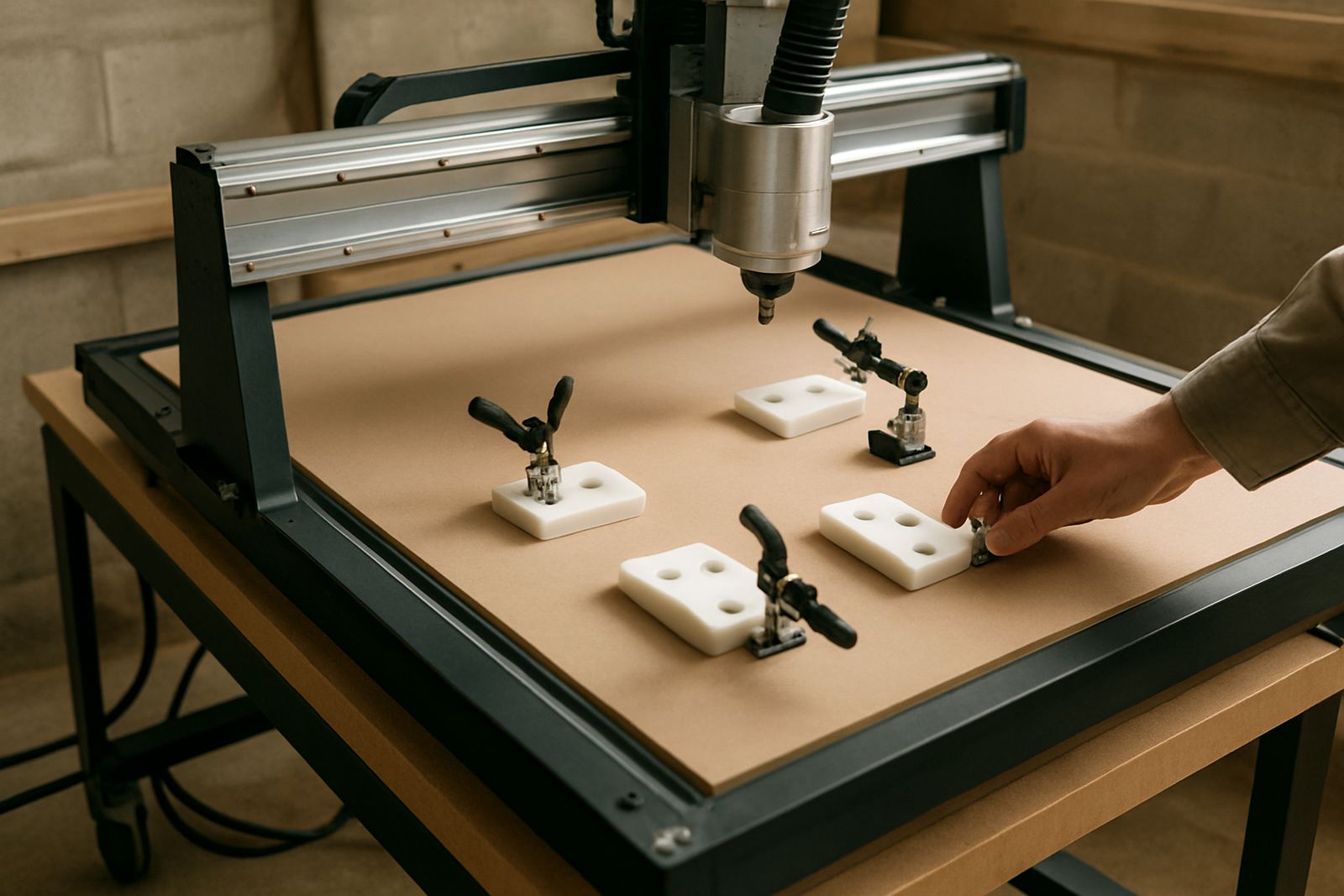
A T-slot table uses machined slots in the bed so clamps, stops and fixtures can be positioned where you need them. That makes it easier to run one-off parts, nested panels, cut-outs and small components without relying only on vacuum hold-down. For work that changes from job to job, the table gives the operator more control and less time wasted setting up. In busy shops, that matters.
This style of router is commonly used for cabinetry parts, sign blanks, acrylic sheets, aluminium composite, plastics and softer non-ferrous work. It suits teams that need neat edge quality and repeatable positioning, especially when parts are too small, too porous or too awkward for vacuum alone. A good T-slot setup also helps when power cuts or load-shedding affect the rhythm of production, because mechanical clamping is predictable and does not depend on a full vacuum bed for every task.
Table Sizes, Axis Travel and Practical Options
MultiCAM supplies T-slot table routers in a range of bed sizes to suit small jobbing shops through to higher-output production rooms. Typical working areas include 1300 x 2500 mm, 1600 x 3000 mm and larger formats for sheet processing, while compact tables are available for smaller workshops with limited floor space. The right size depends on your panel sizes, turning circle in the workshop and how often you change material thickness.
- Working area matched to common sheet sizes for cleaner nesting
- Aluminium or steel T-slot table construction depending on the model
- Vacuum assist options for flatter sheet work
- Tool length sensor and touch-off options for quicker setup
- Manual or automatic tool change configurations on selected models
If you are cutting mostly small parts, a narrower bed with strong clamping access can be more practical than a large table you rarely use fully. For mixed production, combining T-slots with vacuum zones gives you more flexibility on the same machine.
Where This Router Fits Best
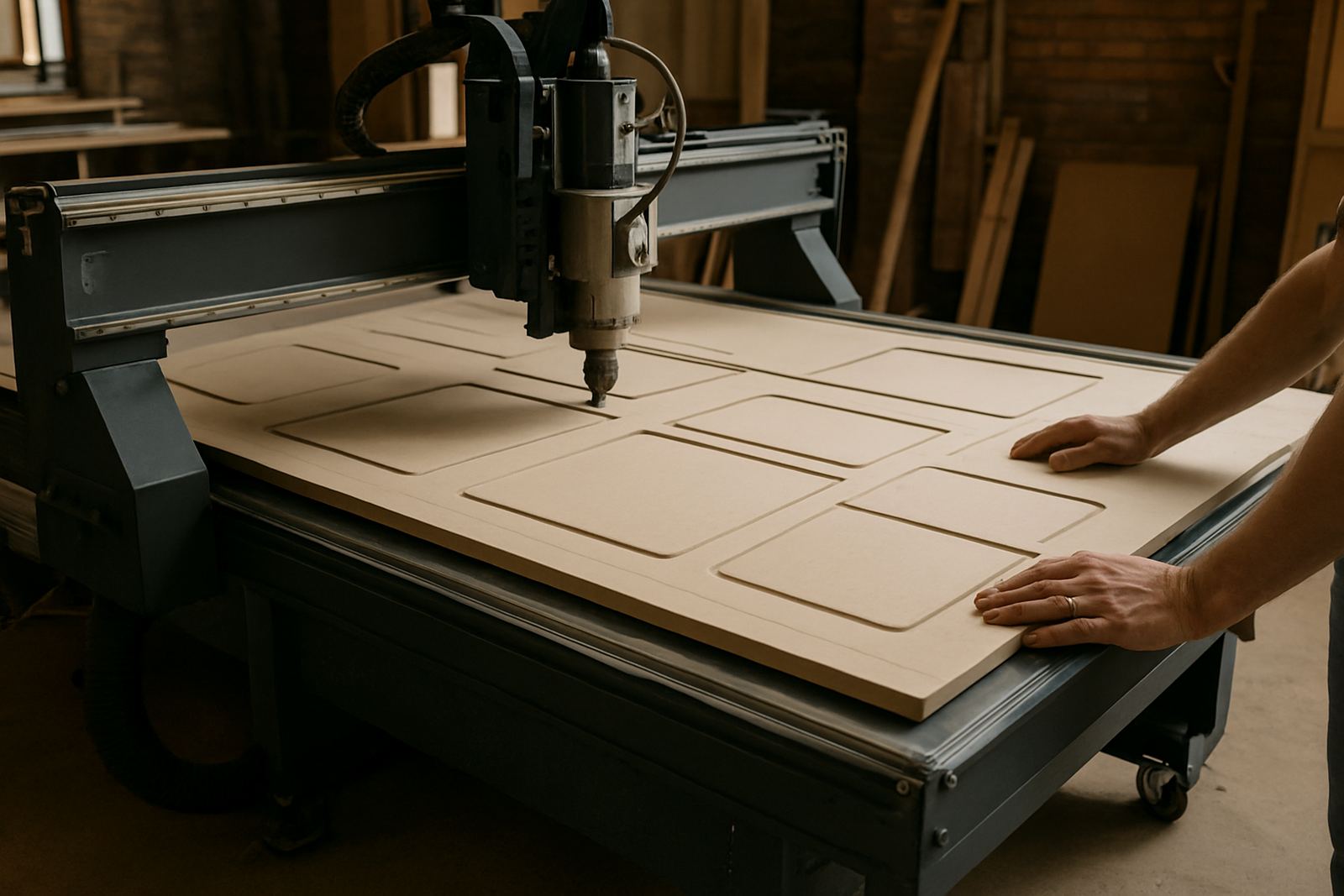
This product suits cabinet makers, sign fabricators, joinery shops, exhibition builders and light industrial users who need a machine that can handle changing work without special fuss. It is especially useful where parts must be held securely for profiling, drilling, pocketing and nested cutting. If your workshop runs jigs often, the T-slot surface saves time because fixtures can be re-used and adjusted quickly.
It also works well in coastal and inland South African conditions, where humidity, dust and general workshop wear can affect consistency. In Durban North, for example, shops often need tighter care around corrosion and moisture. In Johannesburg and Pretoria, dust extraction and clean compressed air matter just as much. A T-slot table gives the operator a more forgiving setup when sheet flatness varies or when material is slightly bowed.
- Mixed-material shops that switch between sheets and smaller parts
- Joinery and cabinet production with repeat jigs
- Sign and display work with frequent cut-out changes
- Jobbing workshops that need faster clamping changes
Installation, Power and Workshop Requirements
Installation starts with a level floor, enough clear access for delivery and space around the machine for loading, tool changes and service access. Most routers of this type need a stable three-phase electrical supply, though the exact requirement depends on spindle size, drive package and vacuum equipment. If your site has inconsistent power, it is worth planning for proper electrical protection and a clean shutdown routine so controllers and files are not affected by interruptions.
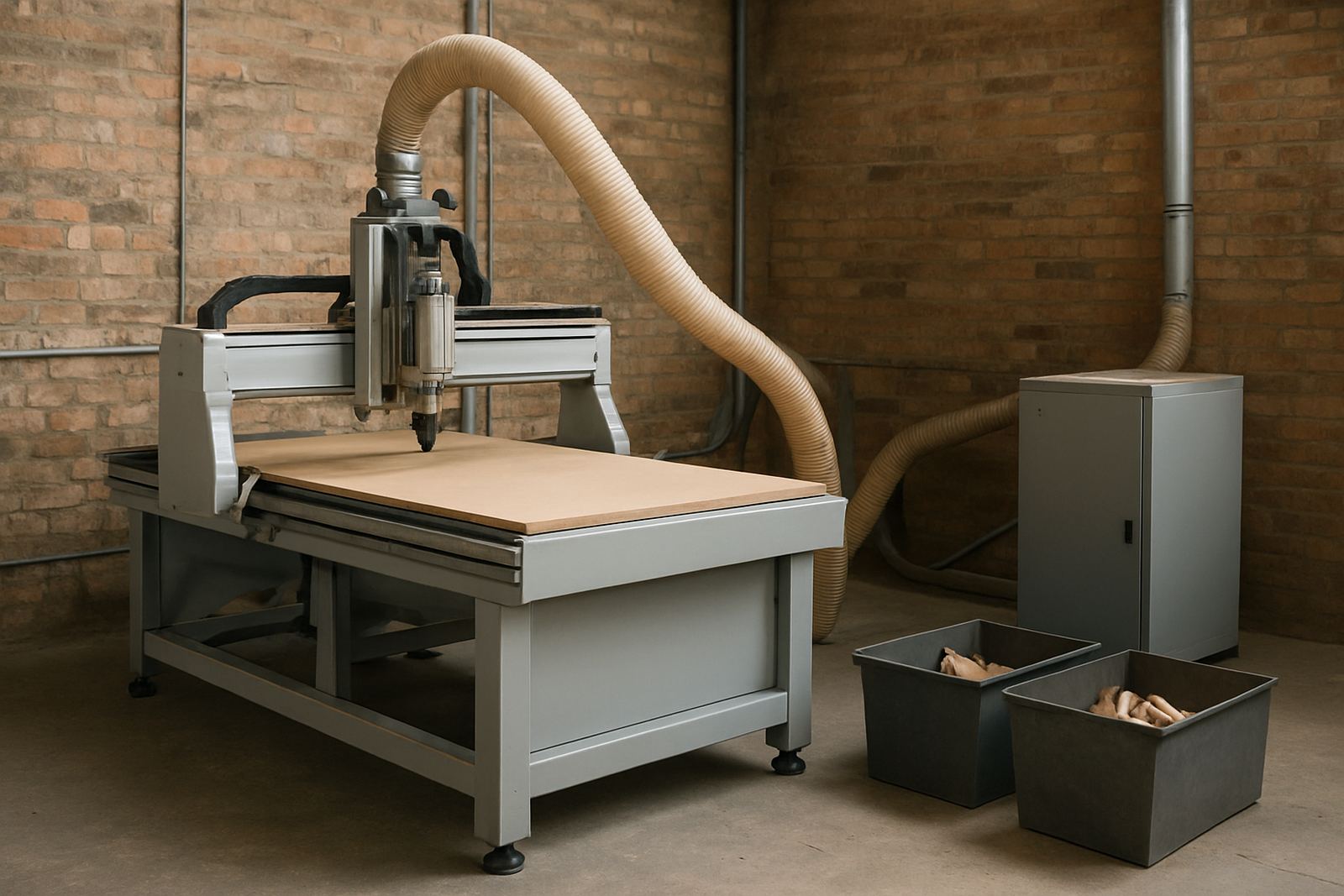
You will also need suitable extraction for dust and chips, plus compressed air on models that use pneumatic tool clamping or automatic functions. Vacuum assisted tables need leak checks and balanced airflow for best holding force. If you are relocating a machine between Germiston, Midrand, Pretoria East or further afield, transport planning matters as much as the installation itself. Door widths, ramp access and forklift or crane availability should be checked before the unit arrives. A rushed move often causes avoidable delays and damaged fittings.
Care, Maintenance and Service Intervals
Like any CNC router, a T-slot table machine performs best when it stays clean and mechanically sound. Chips left in the slots can affect clamping height and make fixtures sit unevenly. Dust around the rails, spindle area and controller cabinet can build up quickly in busy workshops, so regular cleaning is part of normal care. In humid areas, leaving metal parts dirty for too long can also encourage surface corrosion.
- Clear T-slots after each shift if clamp positions change often
- Check hold-down bolts, stops and fixtures for wear
- Inspect spindle condition and lubrication points on schedule
- Back up controller data before software or parameter changes
- Test extraction and dust collection so chips do not pack into the bed
MultiCAM supports preventive maintenance, spindle service, vacuum leak checks, controller backups and dust system balancing. That helps keep the machine predictable, which is what most shops need when deadlines are tight and there is not much room for rework.
What to Confirm Before You Order
Before ordering, it helps to confirm the materials you cut most often, the largest sheet size you expect to process and how many operators will use the machine. You should also check whether your team needs manual clamping only, or a combination of T-slots and vacuum for faster production. The right tooling package matters too, because poor cutter choice can make even a good machine feel awkward.
- Exact working area and table length needed for your jobs
- Material types, thickness range and common clamp points
- Power supply at site, including three-phase availability
- Dust extraction capacity and air supply for the workshop
- Operator experience level and whether CNC training is needed from the start
- Space for loading, maintenance access and future relocation
For South African buyers, it is also worth checking whether the workshop layout allows practical unloading and fitting on the day. A machine that looks fine on paper can become difficult if the entry route is narrow or the floor is uneven. Our Germiston base and regional support areas help with machine selection, installation and handover planning.
Key facts
| Working area | Available in compact to large sheet sizes, typically from 1300 x 2500 mm upward |
|---|---|
| Table type | Machined T-slot bed for mechanical clamping and fixture mounting |
| Suitable materials | Wood, board products, plastics, acrylic, composite sheet and soft metals |
| Positioning options | Manual clamps, stops, vacuum assist and jig-based holding |
| Power requirement | Site-specific, commonly three-phase supply with proper electrical protection |
| Support services | Installation, commissioning, training, maintenance, relocation and tooling setup |