Midrand workshops we support from Germiston
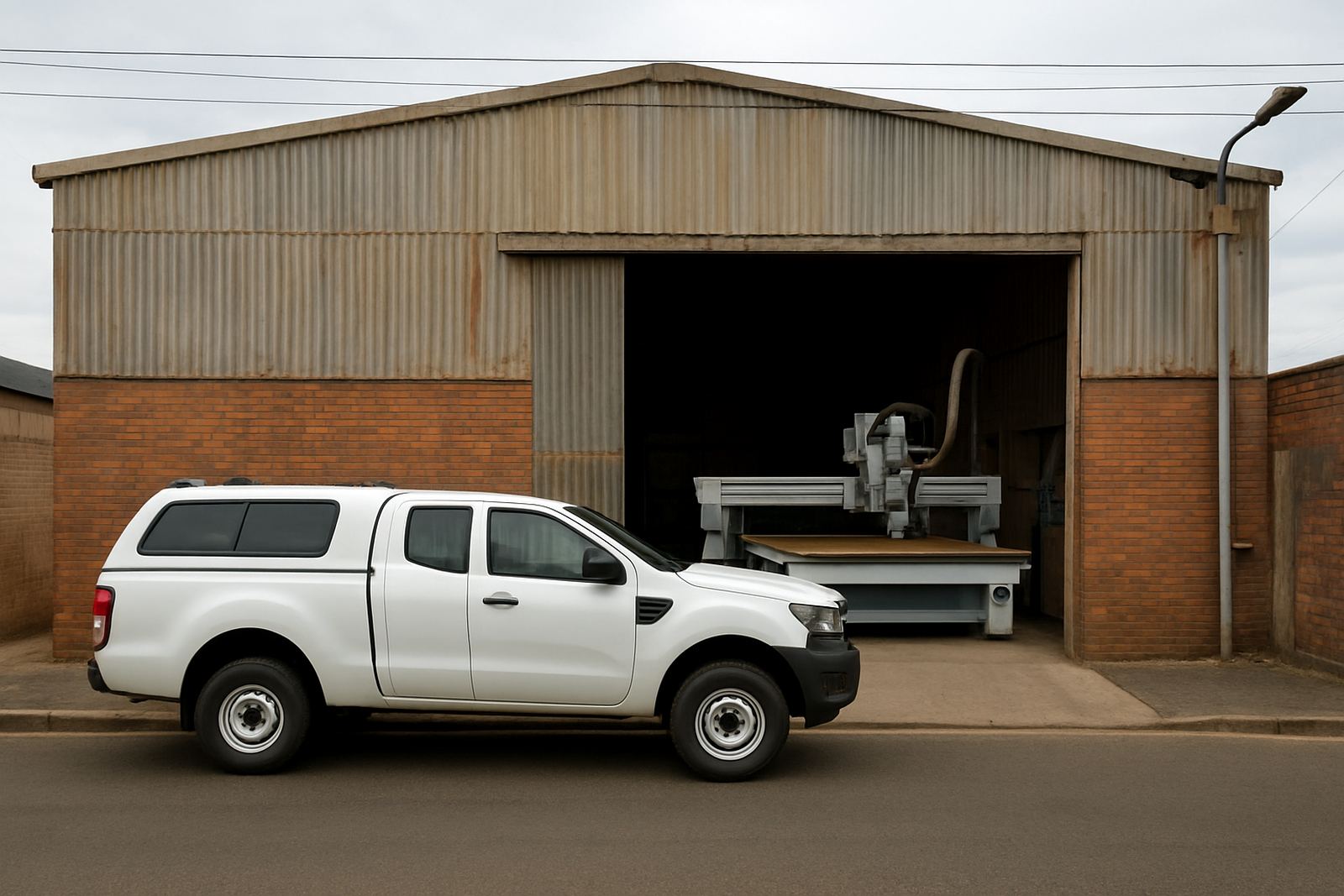
Midrand sits in the middle of a busy industrial corridor, with furniture shops, signage teams, joinery outfits and plastics processors all needing dependable machine uptime. From the Germiston base, we plan visits into the area for installations, commissioning and practical service work that fits the pace of local production. If a workshop is running MDF, melamine, acrylic, PVC foamboard or soft aluminium, the setup has to be right first time.
We work with owners and production teams who need clear advice on machine size, vacuum table choice, tooling and operator flow. That includes smaller shops adding their first router, as well as established plants looking to tighten cycle times or reduce rework. In Midrand, many sites are balancing road access, delivery windows and space limits, so we keep the support practical and focused.
Travel planning and turnaround for Midrand calls
Midrand is close enough to the Gauteng base for direct planning, which helps with turnaround on scheduled work and urgent fault finding. Travel is usually arranged around job priority, traffic conditions and machine criticality, especially where a line stoppage affects a deadline. For planned maintenance, we try to group tasks sensibly so a workshop gets the most useful visit without unnecessary downtime.
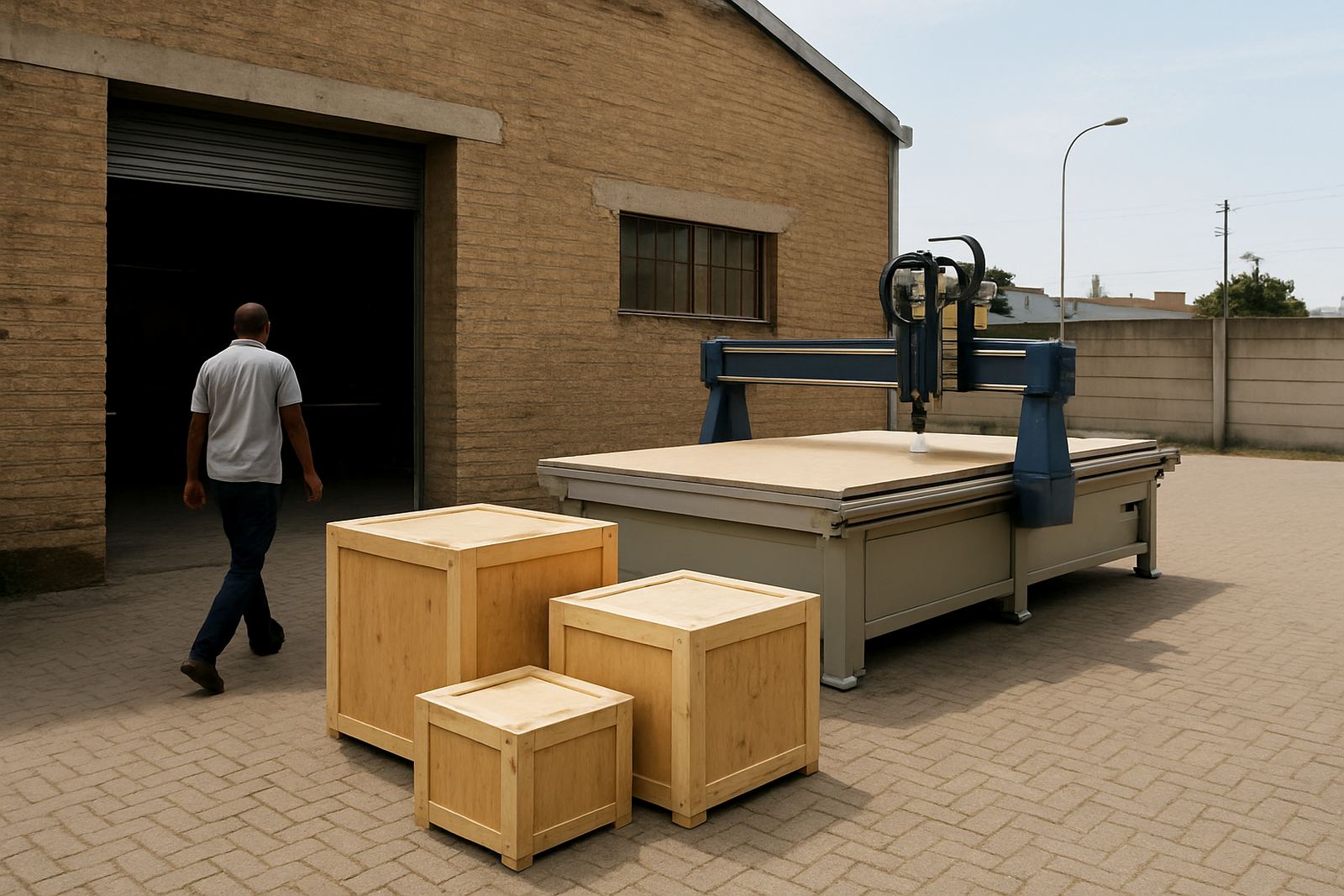
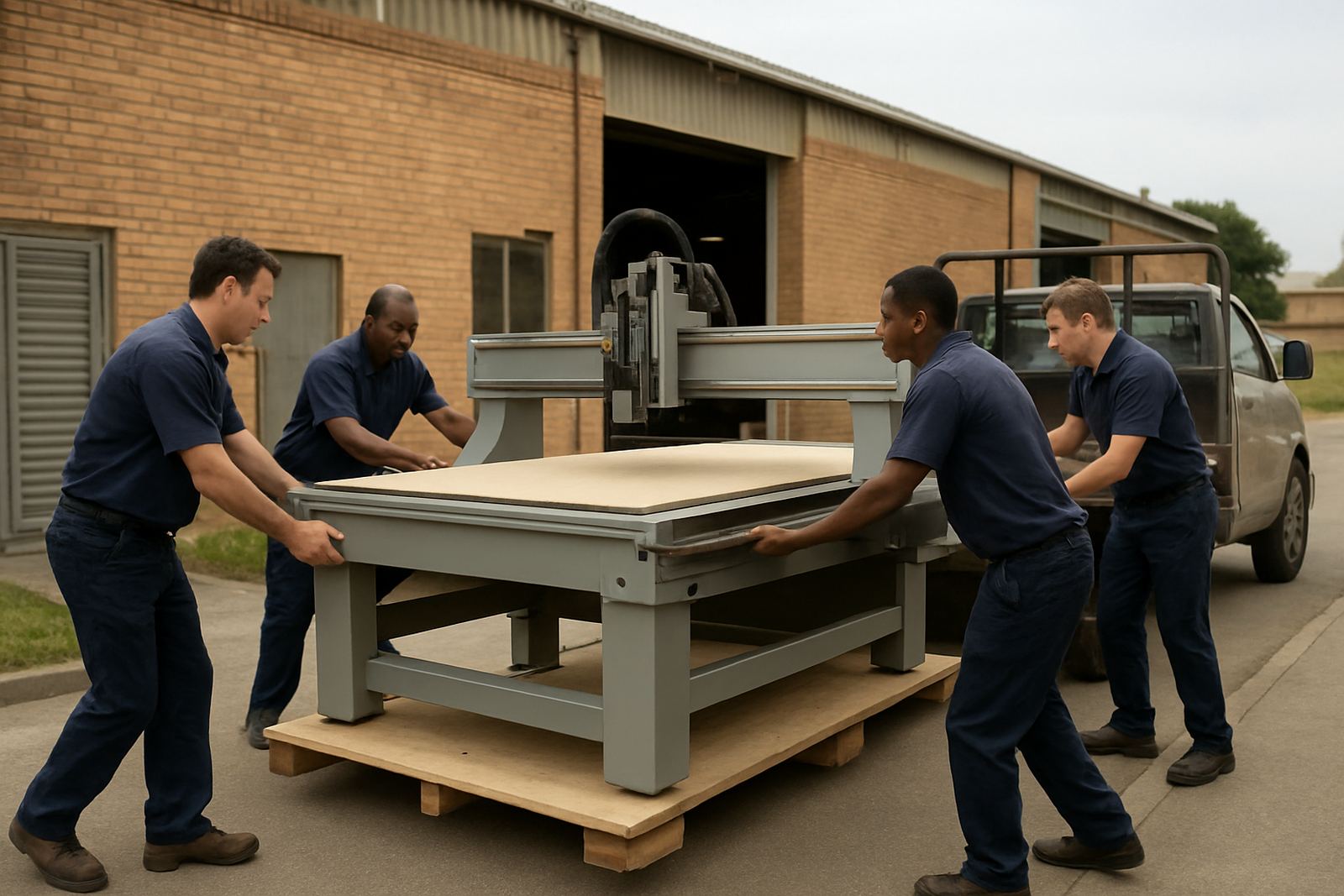
Our team handles machine installation, commissioning, machine relocation and controller backups for customers who need stable production after a move or upgrade. Where possible, we also confirm tooling and dust extraction requirements before the visit, so the machine is not waiting on a small missing part or connector. That saves time on site and helps the operator get back to work sooner.
- Machine installation and commissioning
- Machine relocation and re-levelling
- Controller backups and basic recovery planning
- Operator training after setup or upgrade
Typical Midrand clients and what they run
The Midrand area brings together a wide mix of users, from cabinet makers and shopfitters to sign producers and general fabricators. Many are cutting sheet goods in batches, so nesting accuracy and vacuum performance matter as much as spindle speed. Others are working on promotional panels, lettering, display parts or light aluminium components, where clean edges and correct tool choice keep scrap down.
We also see workshops that have outgrown a small entry machine and now need a more organised production cell. In those cases, the conversation often includes table format, hold-down method, extraction layout and how the operator will move sheets through the room. Good planning makes a real difference when floor space is tight and the team is trying to keep work moving with fewer pauses.
- Furniture makers cutting board goods and component parts
- Sign shops working with plastic sheet and board material
- Joinery teams needing repeatable nesting and drilling
- General fabricators handling soft metals and composite panels
Local conditions that affect machine reliability
Midrand workshops deal with the usual Gauteng issues, especially dust, power interruptions and compressed production space. Load-shedding means controller settings, safe shutdown habits and restart checks are not optional, they are part of everyday machine care. Where power quality is uneven, we pay close attention to electrical protection and how the machine comes back online after a stoppage.
Dust build-up can shorten spindle life and affect cut quality, while poor extraction can leave waste sitting around the table and rails. In some premises the air is dry and dusty, in others humidity changes after rain and affects stored tooling or panels. We take those conditions into account when advising on maintenance intervals, vacuum leak checks and workshop housekeeping around the router.
What we stock and cover for Midrand service visits
For Midrand calls, we cover the practical items that keep a CNC router working the way it should. That includes tooling setup support, spindle service, vacuum leak checks, dust system balancing and preventive maintenance on machines in regular production. When a customer is unsure whether a cut issue is caused by tooling, spoilboard wear or a vacuum problem, we work through the sequence step by step.
We also help with operator training so the team understands safe start-up, sheet loading, zero setting and basic fault checks. If a workshop is adding new tooling or changing material types, we can advise on feeds, speeds and cutter choice in plain terms. The aim is to reduce guesswork and give the operator something practical to work with the next day, not later in the month.
- Spindle service and wear checks
- Vacuum leak checks and table performance checks
- Preventive maintenance for production machines
- Tooling setup and cut parameter guidance
- Dust system balancing for cleaner cutting conditions
How Midrand service requests are handled
Most service requests start through our contact form, with the machine model, the fault symptom and the workshop location noted first. From there, the Gauteng team decides whether the job needs a site visit, parts planning or a shorter remote check before a technician heads out. That keeps the process direct and avoids unnecessary back and forth.
Where a workshop is preparing for a new installation or a machine move, we also look at access, power points, extraction routing and the space needed for safe loading. Germiston support can coordinate with Johannesburg East, Midrand Service and Pretoria East where a project needs more than one set of hands. The result is a better planned visit and fewer surprises once the machine is on site.
For Midrand workshops that want steady production rather than emergency fixes, the best approach is to schedule support early and keep maintenance regular. It is easier to deal with a vacuum leak or worn spindle before it affects a full week of orders.