Start with the sheet sizes you actually buy
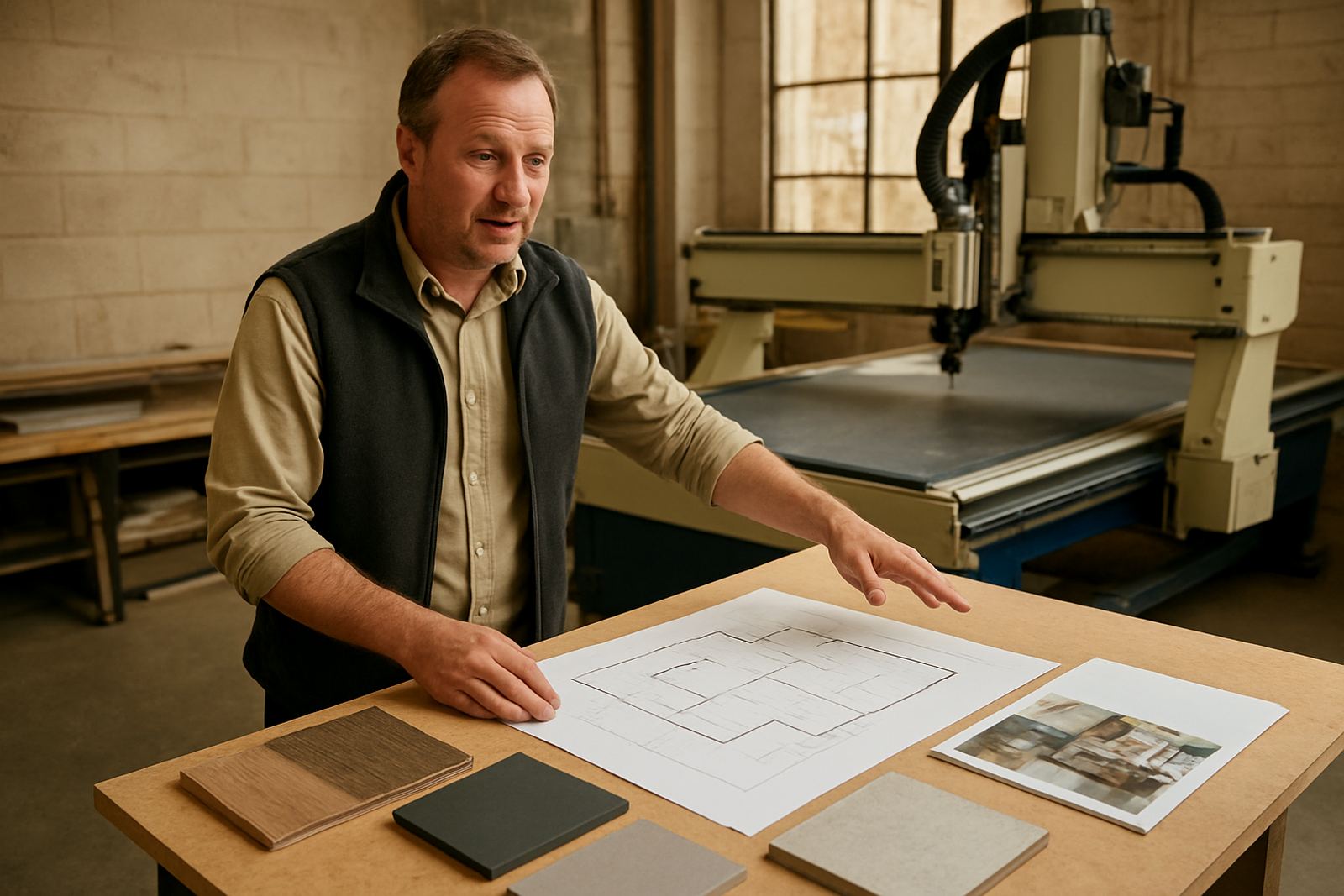
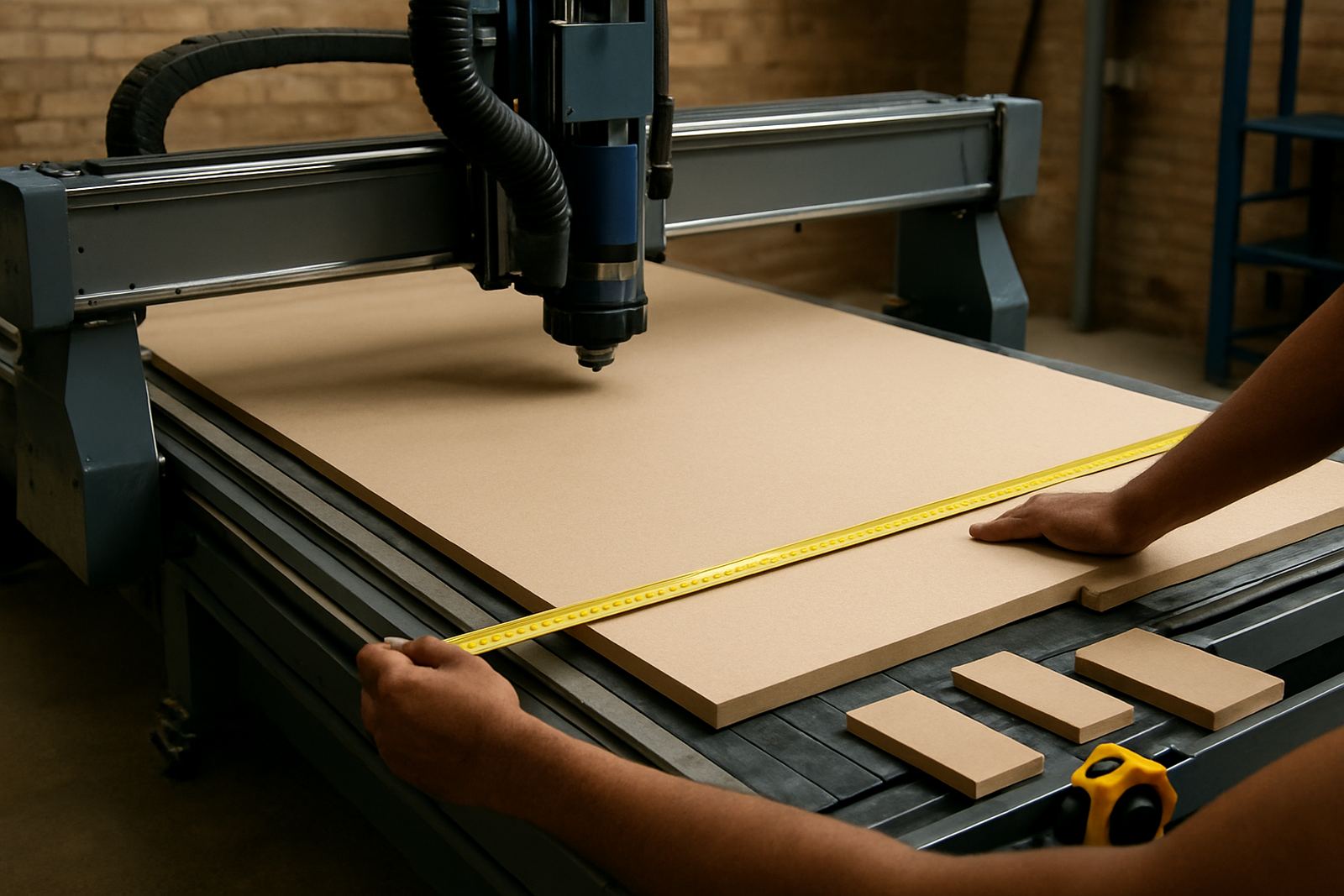
The easiest way to narrow router size is to begin with your supplier sheets and panel offcuts. If your team works mainly with 2 440 x 1 220 mm boards, a bed that comfortably takes a full sheet saves time and reduces handling damage. If you are processing smaller blanks for signs, brackets or cabinet components, a compact bed can be the better fit, especially where floor space is tight and every metre matters.
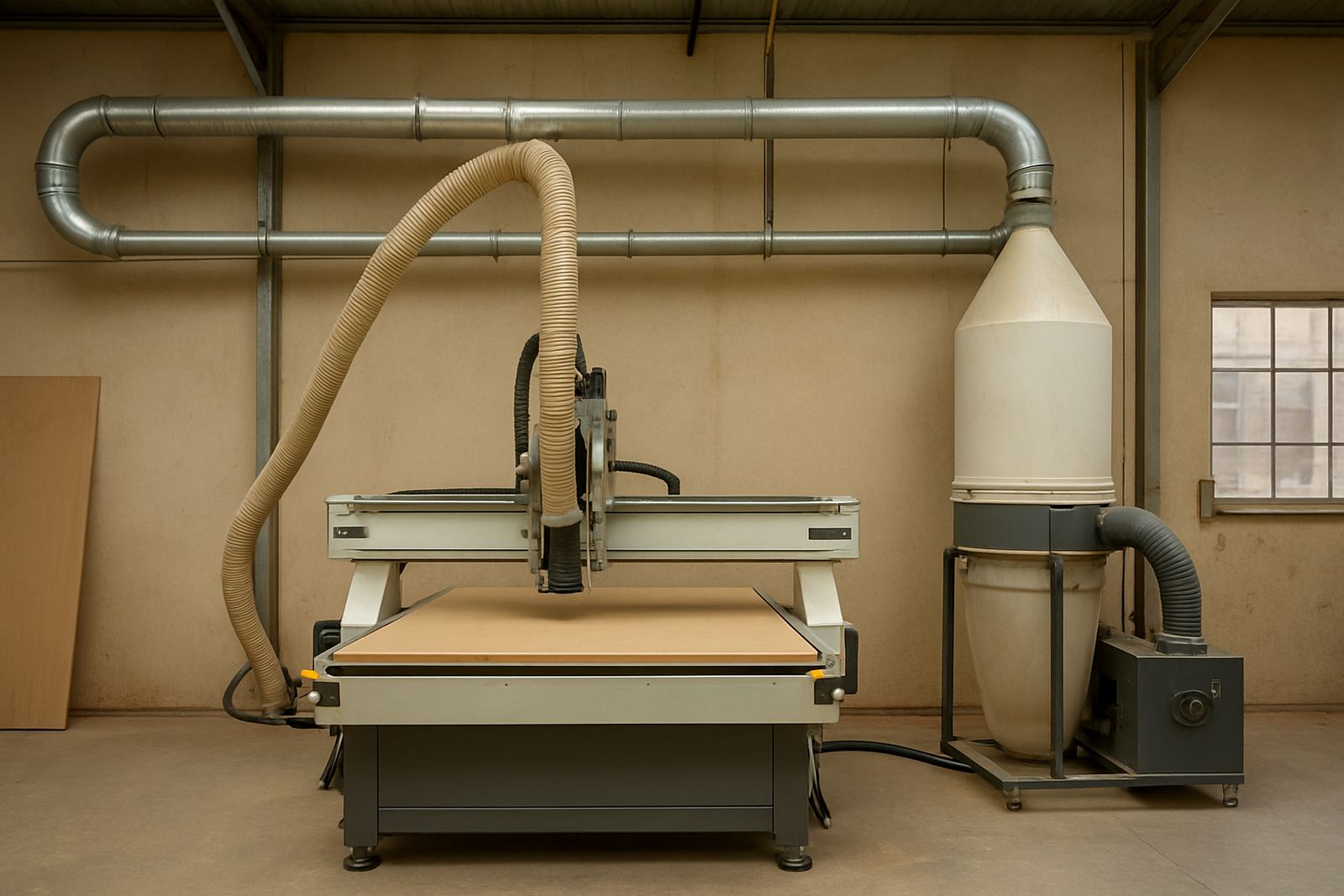
In many Johannesburg and Germiston workshops, the machine is only part of the story. You also need space for loading trolleys, spoilboards, a vacuum pump, tooling storage and dust extraction ducting. A bed that looks affordable on paper can become awkward once the operator has to lift sheets around a column or turn a panel near a wall.
- Match the bed to your common stock size, not the biggest job you hope to win.
- Allow side access for loading and part removal.
- Leave space for dust control, vacuum equipment and tool change access.
Bed size changes how many parts you can nest
Router size affects more than footprint. It changes nesting efficiency, clamp layout and the number of parts that can be cut in one cycle. A larger bed can reduce handling by letting you place more components on a sheet at once. That matters when you are cutting cabinet parts, shopfitting panels or repeated sign blanks.
For smaller parts, a large bed is not always the best answer. If your work is short runs with frequent material changes, an oversized table may encourage wasted time moving small sheets around. A machine that suits your typical part counts will often feel faster than a bigger one that is constantly underused.
- More bed area can improve nesting, but only if your jobs are repeatable.
- Small, mixed jobs may run better on a medium machine with quick loading.
- Think about cycle time, not only total sheet coverage.
Choose enough vacuum and table support for the material
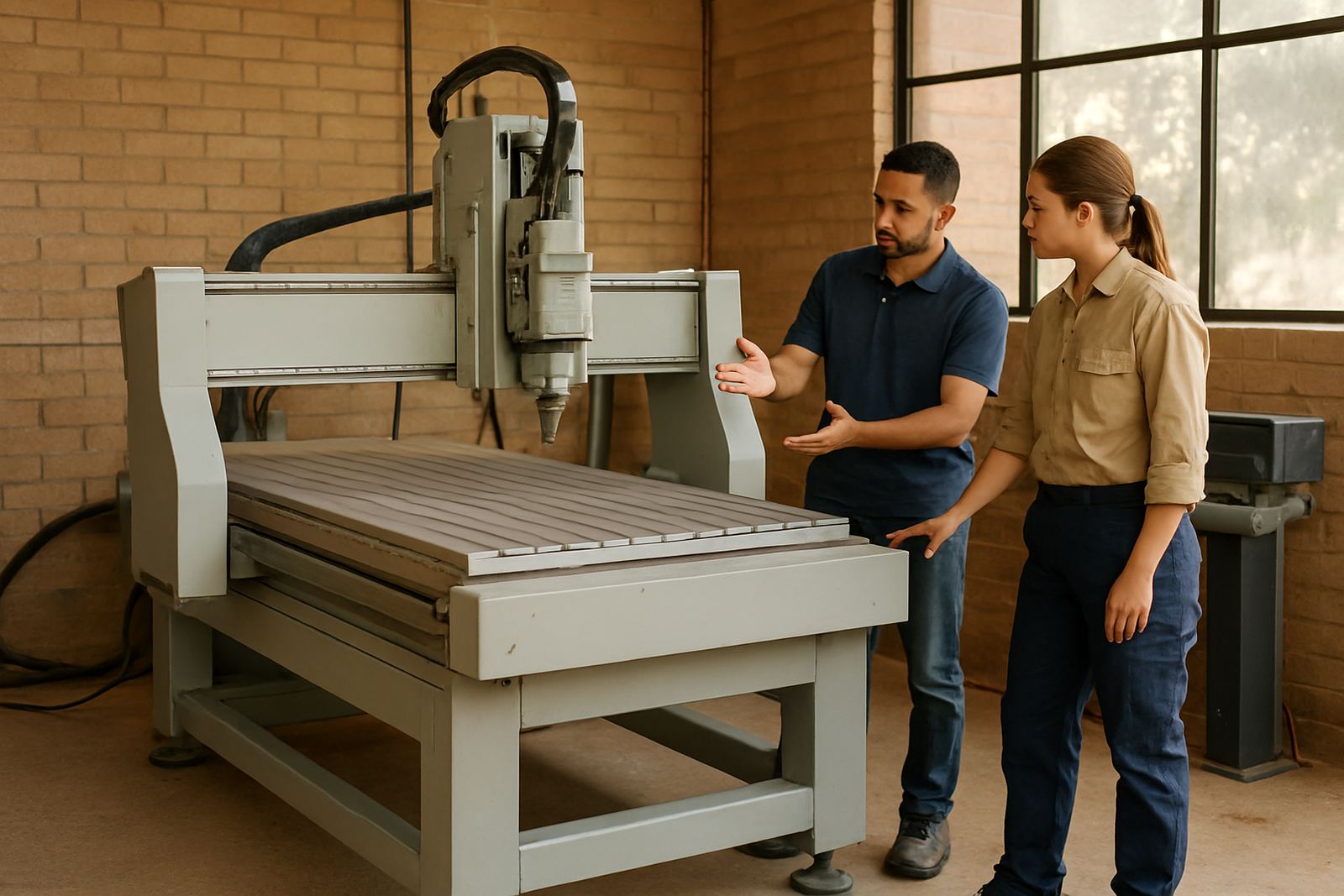
Bed size and table support go together. A larger cutting area needs proper vacuum zoning, clean seals and a flat table surface if you want reliable hold-down. Thin board, plastics and soft metal sheets can move when the suction is poorly matched to the job. That leads to chatter, bad edges and wasted material.
In humid coastal areas such as Durban and Cape Town North, moisture can affect boards and spoilboard condition, so the table setup needs regular checks. In dry inland workshops, dust build-up becomes the bigger issue. Either way, the machine should suit the way your workshop actually runs, including the load-shedding routine and whether the team can restart work quickly after a power cut.
- Check if the vacuum zones suit your common panel sizes.
- Ask how the table performs on smaller offcuts as well as full sheets.
- Keep spoilboards, gaskets and filters in the maintenance plan.
Floor space, access and installation matter more than a brochure photo
A router needs working room, not just a footprint. Measure the route into the workshop, the doorway width, turning space and the clearance needed for assembly. In some Germiston and Midrand sites the challenge is not the machine itself but getting it into the building without removing doors or shifting stored stock.
When planning size, include operator movement and service access. Your technical team must reach the spindle, controller, bearings, dust ports and cable tracks without squeezing past stacked boards. A machine that can be serviced properly will stay in production longer, and that is worth more than a few extra millimetres of cutting area.
- Measure doors, ramps and ceiling height before ordering.
- Allow access for installation, servicing and future relocation.
- Do not block rear or side panels with timber racks or dust bins.
Pick the size that fits your production mix, not your wish list
Many workshops want one machine to do everything. In practice, the right size depends on the main work mix. Cabinet makers often need full-sheet handling and reliable nesting. Sign shops may prefer a smaller, quicker machine that handles boards and plastic cleanly. Furniture makers with mixed production may need something in between, with enough table area for panels and enough accuracy for repeat parts.
It also helps to think about the people running the machine. If one operator is loading, tool setting and checking cut quality, a practical bed size with simple access often gives better daily output than a larger table that slows every changeover. MultiCAM often sees teams gain more from sensible sizing and setup than from chasing the biggest available bed.
- Full sheets suit cabinet and panel work.
- Medium beds suit mixed production with limited floor space.
- Smaller routers suit fast changeovers and lighter work volumes.
A Germiston example: the right bed for a busy workshop
A fabrication shop in the Germiston area was cutting cabinet components, acrylic signage and occasional aluminium brackets. The first thought was to move straight to the largest machine they could fit. After measuring the material flow, the loading route and the dust extraction position, a more balanced bed size made better sense. The team could process full sheets when needed, but still keep enough space for movement around the table and for safe tool access.
That choice also helped during load-shedding. With a practical machine layout, the operators could back up the controller, restart faster after interruptions and keep the machine area organised. The result was less disruption and fewer damaged panels. For many local workshops, that is the real value of choosing the right size early.
MultiCAM supports this kind of planning with machine selection, installation, commissioning, operator training, tooling setup and maintenance support across Germiston, Johannesburg East, Midrand, Pretoria East, Durban North and Cape Town North.
Use these checks before you commit
If you are comparing router sizes, keep the decision grounded in daily work. Check the sheets you buy, the parts you nest, the number of operators available and the room around the machine. Then compare vacuum needs, dust extraction, power supply and service access. A sensible setup will make your workshop easier to run from day one.
- What sheet sizes do you use most often?
- How much space do you have for loading and service access?
- Will the machine suit your power, dust and maintenance routine?
If you need straight advice on router size, tooling or workshop layout, MultiCAM can help from the Germiston base with installs and support across South Africa. Use our contact form for practical guidance before you buy.