Cabinet shops that need repeatable parts, not rework
In cabinet making, the pressure is rarely on one big cut. It is on hundreds of small details lining up the same way every day, from confirmat drilling to hinge bores, dowel patterns and full sheet nesting. When the machine is set up well, your team spends less time sorting warped parts or rechecking hole centres, and more time assembling and fitting. That matters in busy shops where installers are waiting and clients want units on site before the month closes.
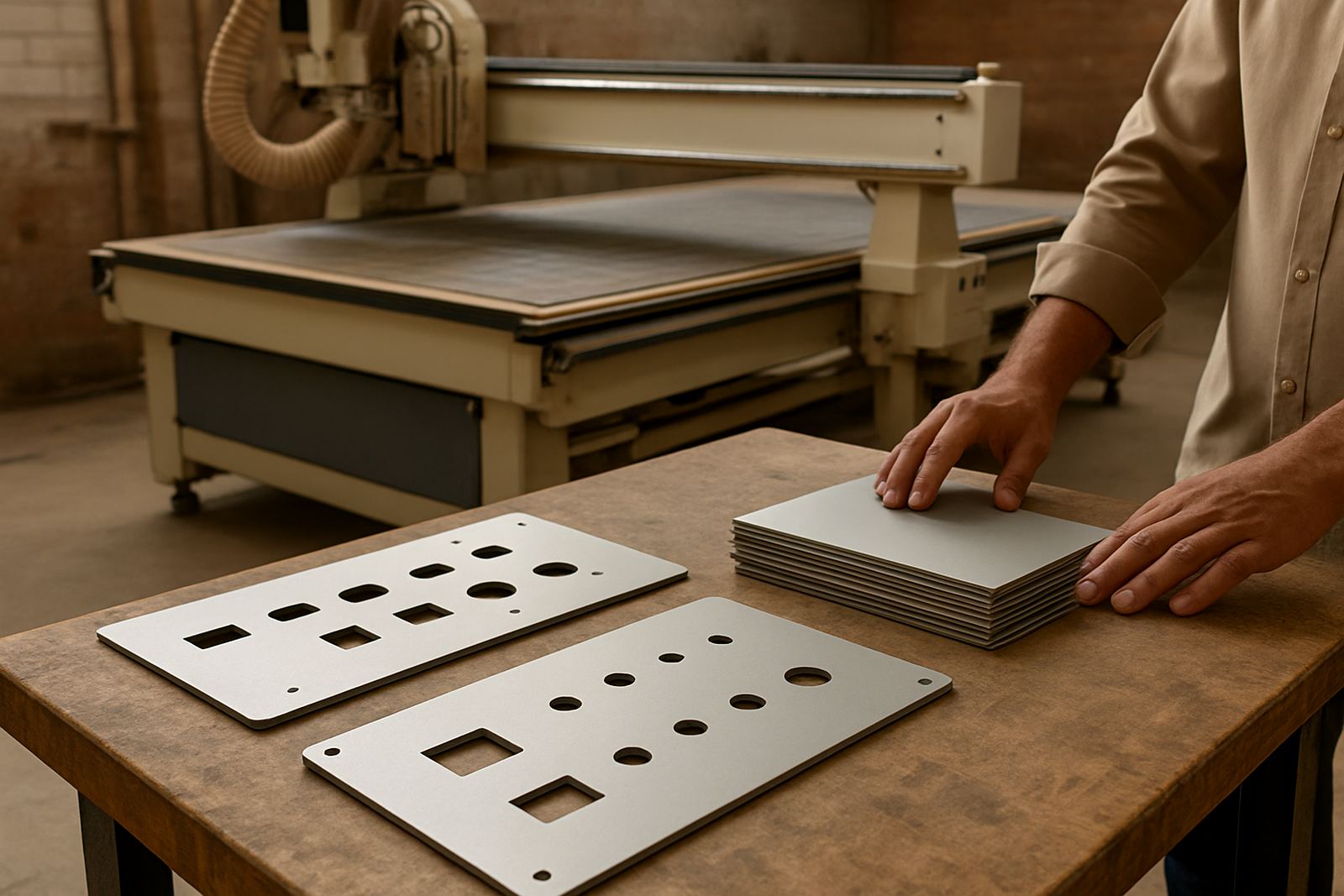
MultiCAM works with fabricators who cut melamine, MDF, plywood, compact laminate and other panel products, with some shops also processing plastics and soft aluminium components. For cabinet work, the right machine is usually the one that handles sheet loading cleanly, keeps parts steady during cutting, and gives operators clear control over drilling and tool changes. A well chosen setup also helps when loadshedding interrupts the day, because recovery and restart procedures need to be simple, not confusing.
Typical equipment for nested panel production
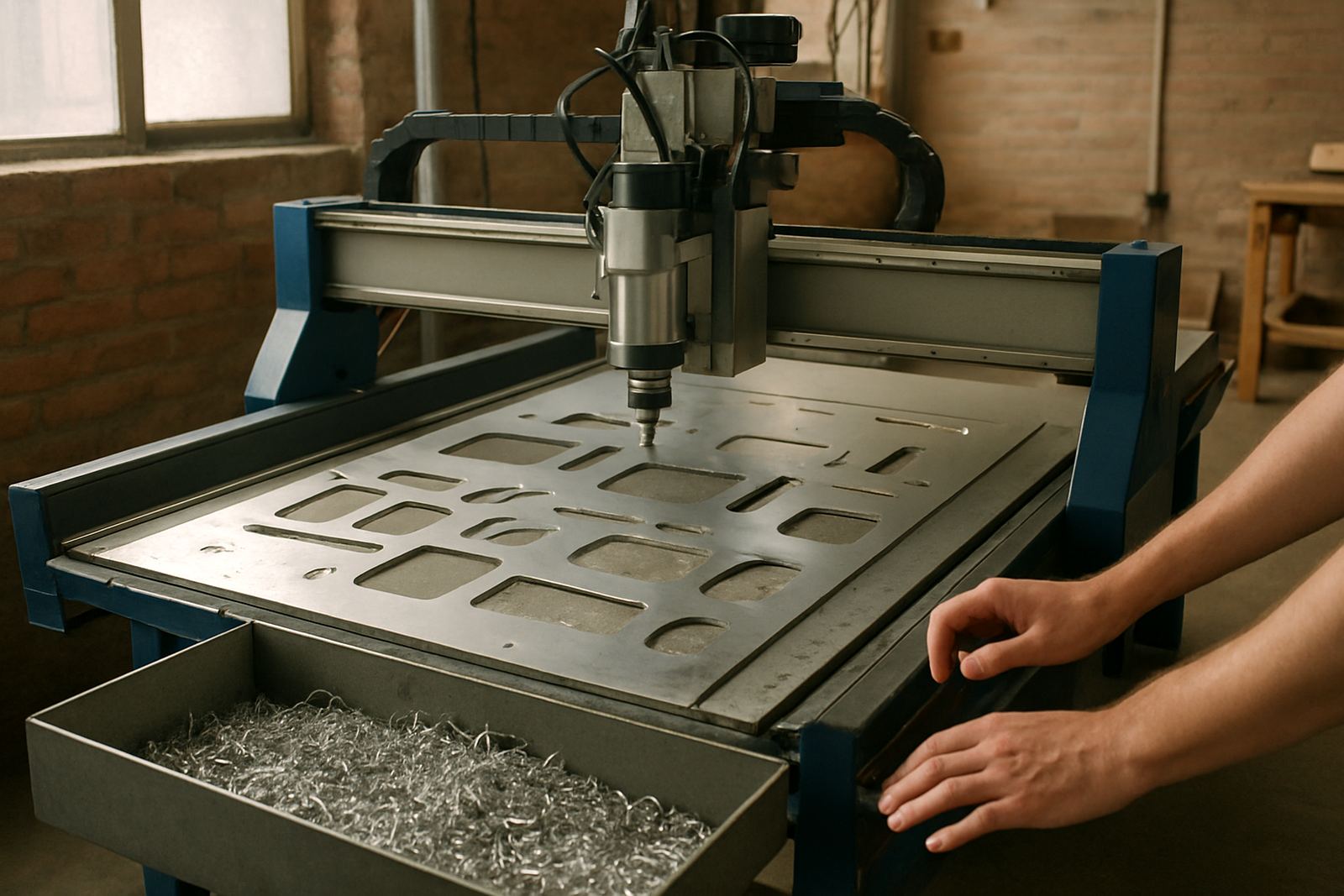
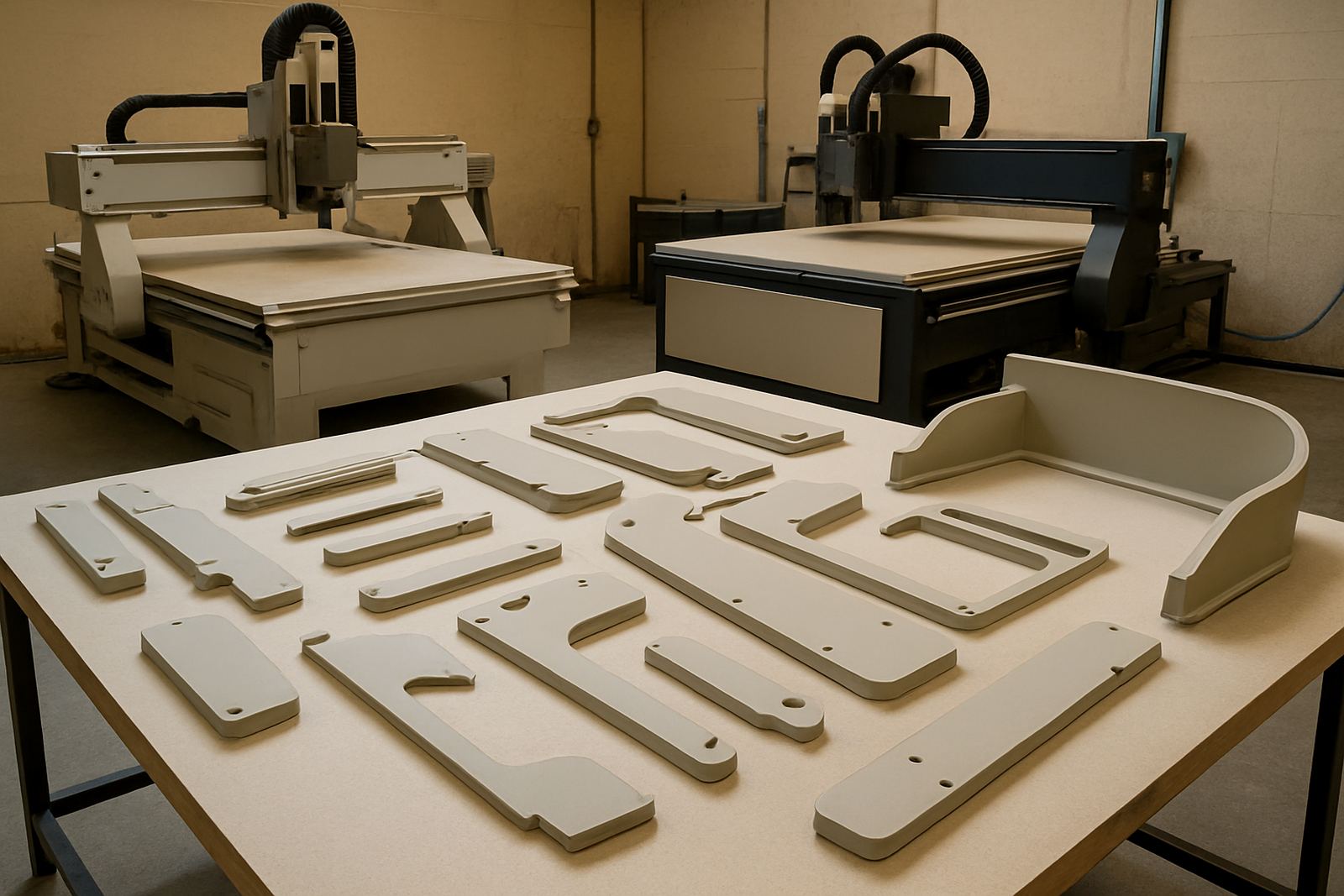
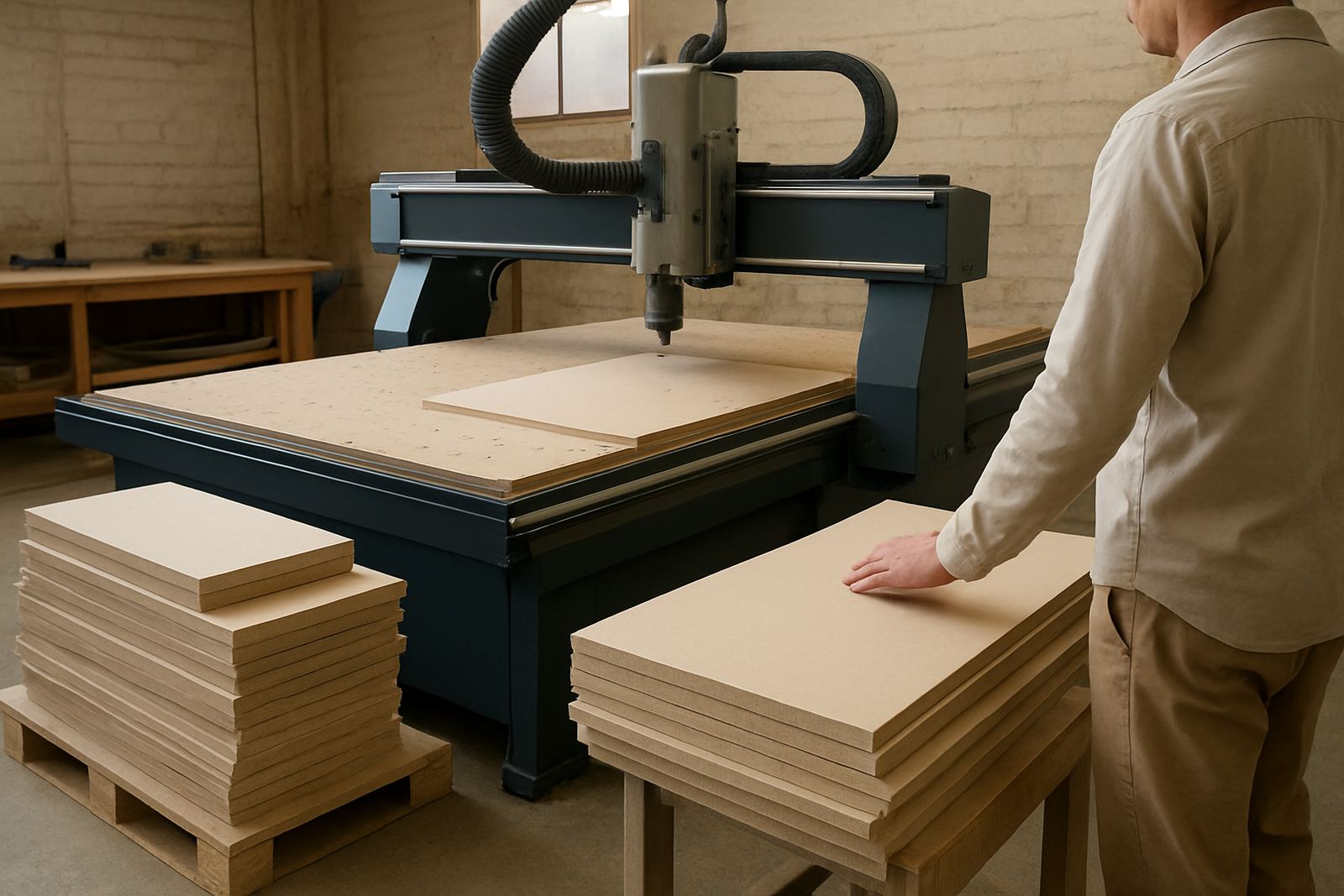
A cabinet production setup usually starts with a CNC router sized to the sheets you cut most often. Many Gauteng and coastal workshops work with full sheets, while smaller joiners may focus on half sheets or cut-to-size boards. The useful question is not only table size, but how the machine will be fed, where finished parts will land, and how dust will be managed when you are cutting melamine all day.
- Nesting router with vacuum table or zoned hold-down for sheet parts
- Vacuum pump sized for your porosity, table layout and daily cutting volume
- Spindle and tooling set for board, edgeband trimming and drilling tasks
- Dust extraction matched to the machine throat and cutter diameter
- Vacuum pods, spoilboard materials and clamps for mixed work
- Controller backup process so jobs can be restored after a power interruption
Some shops also add a label printer, offcut sorting area and a small prep table for hardware kits. Those items seem minor at first, but they cut mistakes when the team is pushing through a run of kitchens or office units.
Layout planning that keeps the job moving
The best cabinet CNC setup is not just about the machine footprint. It is about material flow. Sheets should come in near the machine, cut parts should move to edge banding or drilling without crossing busy walkways, and finished components should have a clean staging area. In a Germiston workshop, that often means planning around roller doors, pallet space, compressor position and the day to day mess of offcuts and core board dust.
Keep the infeed side clear, and leave enough room to break down full sheets safely. If you are near the coast, humidity can change board flatness and vacuum behaviour, so storage and acclimatisation deserve proper space too. Shops in humid areas often find they need a more careful spoilboard routine and closer attention to seals, hoses and leak points, otherwise hold-down losses creep in and parts start shifting.
- Place the machine where the operator can see both the cutting area and the control screen
- Allow space for sheet tipping, loading and offload without blocking exits
- Separate dirty cutting zones from clean assembly areas
- Keep maintenance access open around pumps, filters and electrical panels
- Plan cable routes so they are protected from trolleys and forklift traffic
Drilling, nesting and the details that make cabinets fit
Cabinet makers usually want more than profile cutting. They want repeat drilling for shelves, cam fittings, hinges, dowels and service apertures, plus clean pocketing for sinks or cable access. This is where tooling choice and post processing habits matter. If the cutter leaves ragged edges or the drilling cycle is off by even a little, assembly time climbs fast and installers start blaming the machine when the real issue is setup.
We often advise shops to separate their work into clear operations. Use one tool strategy for nesting, another for drilling, and a proper finishing pass where edge quality matters. Keep tool lengths recorded, check collet condition, and back up controller settings after any change. A small error in a tool offset can throw out a whole run of carcass parts, and nobody wants to discover it after ten boards have already been cut.
For many cabinet makers, the biggest gain comes from tighter part naming and cleaner nesting output. If part labels are readable and the offcuts are tracked, the team wastes less time hunting for panels or recutting a door side that was put on the wrong trolley.
Common mistakes that cost time and money
One common mistake is buying a machine for the maximum sheet size and forgetting about the rest of the process. If the vacuum system is undersized, the machine may be physically large but still struggle with hold-down on smaller parts. Another issue is poor dust extraction, which leaves fine board dust in the spoilboard and around the bearings, then causes avoidable wear and cleanup delays.
Shops also under estimate training. If the operator does not understand feeds, spindle speed, tool wear and job setup, the machine becomes an expensive guessing tool. A few hours of hands-on training can save many hours of rework later. Another frequent error is placing the machine too close to a wall, making it hard to service the pump or reach the back side for cleaning.
- Undersized vacuum pumps for porous boards
- Loose spoilboards that are not resurfaced often enough
- Skipping controller backups before software or parameter changes
- Using worn cutters until edge quality drops
- Ignoring dust leaks around hoses, skirts and seals
Budget ranges for cabinet CNC setups in Rand
Budget depends on sheet size, automation level, vacuum system and whether you want a simple entry machine or a production cell. For South African cabinet shops, a realistic starting point for a practical entry router is often from about R450 000 to R850 000, depending on table size and tooling. A more capable production setup with stronger vacuum support, better loading flow and more controlled drilling can move into the R900 000 to R1.8 million range.
If you are planning a higher output cabinet line with relocation, dust balancing, commissioning and operator handover included, the overall project can sit above that, especially where site preparation or electrical work is needed. Municipal power quality, three phase availability and load-shedding backup planning should all be part of the budget conversation. A cheap machine with poor support often ends up costing more than a properly matched system, month after month.
MultiCAM helps customers compare options against actual workshop demand, not wish lists. That usually means looking at daily sheet count, part complexity, service access and the team that will run the machine, then building a plan that fits the real workshop on the ground, not just the catalogue.
Local support from Germiston to the coast
Because cabinet production cannot stop for long, local service matters. MultiCAM supports installs and maintenance from the Germiston base, with help across Johannesburg East, Midrand, Pretoria East, Durban North and Cape Town North. That includes machine installation, commissioning, preventive maintenance, spindle service, vacuum leak checks, controller backups, operator training, tooling setup, machine relocation and dust system balancing.
For cabinet makers, the value is simple. When the machine is tuned correctly and the workflow is clear, the shop gets cleaner cuts, steadier output and fewer surprises. Marius Johannes van der Merwe and the MultiCAM team work with you on selection, setup and after-sales support so your cabinet line keeps moving, even when the week is busy and the power is not always kind.