Why plastic jobs punish weak setups
Plastic looks easy until the tool starts rubbing, chips pack up in the cut and the part lifts on the table. Acrylic, PVC, ABS, polycarbonate and foam board all behave differently, and the same feed or spindle speed will not suit every sheet thickness. In a busy Germiston or Pretoria shop, the real challenge is keeping edges clean while avoiding heat marks, chatter and warped parts.
For this reason a plastic fabrication workflow needs more than a router with a sharp bit. It needs stable vacuum, a flat spoilboard, good chip clearing and an operator who can repeat the same setup on Monday morning after load shedding or a late delivery. That is where clear machine selection and practical training matter most.
Typical MultiCAM equipment set for plastic shops
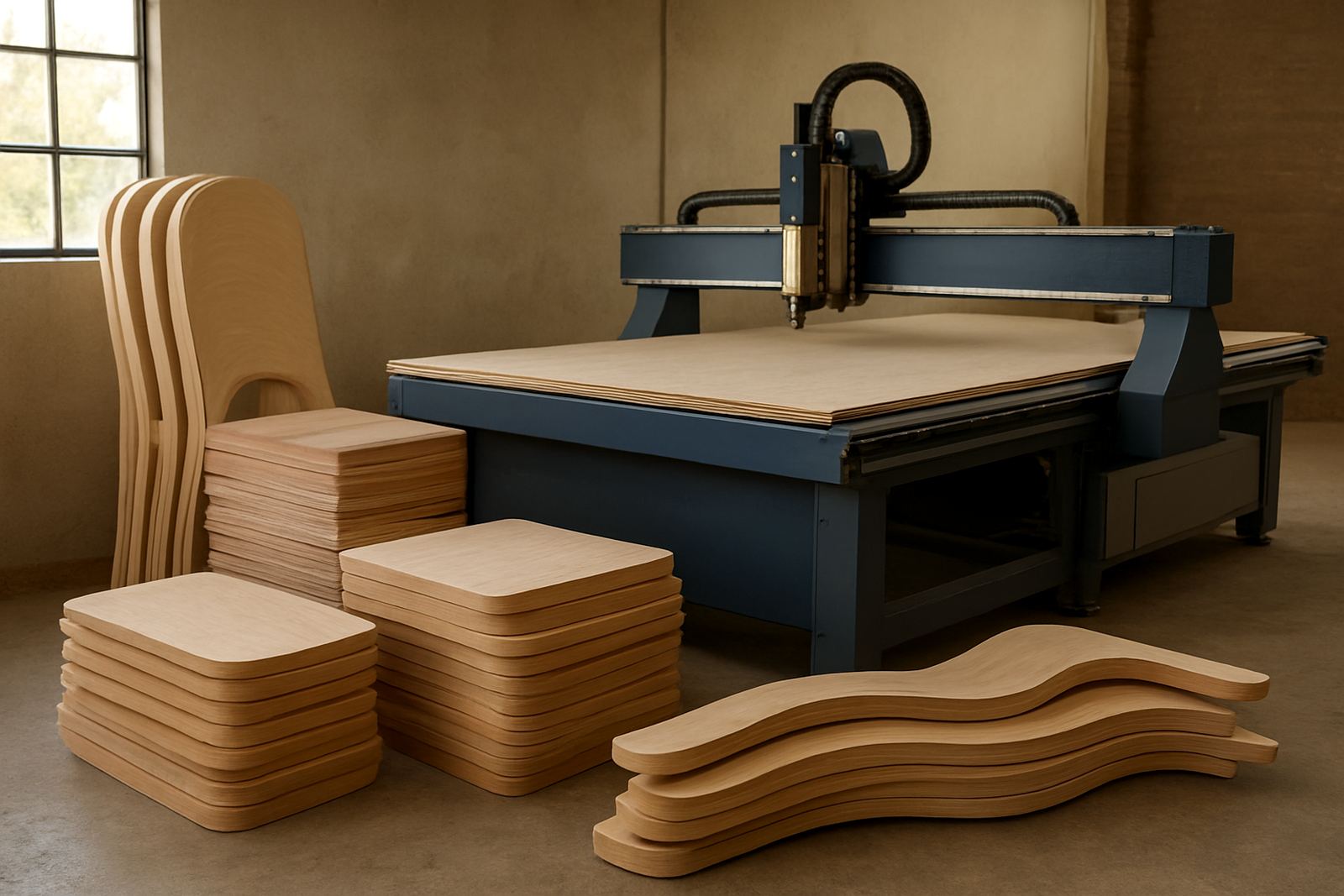
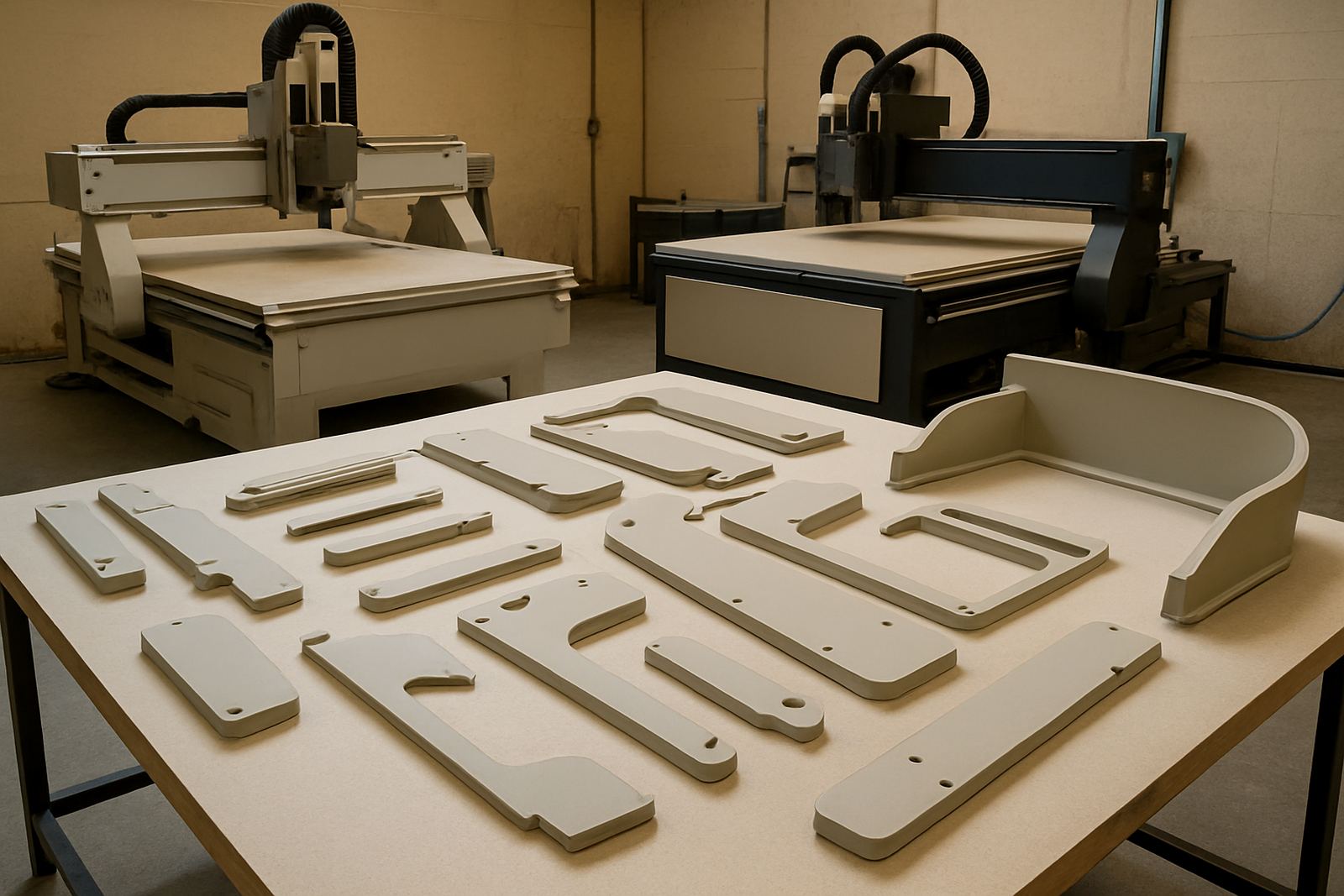
Plastic shops often start with a CNC router sized for sheet work, then add a vacuum table, dust and chip extraction, and the right tooling for engraving, contour cutting or pocketing. For lighter signage work, a smaller entry machine may be enough. For cabinet fronts, thermoformed panels or production nesting, a larger table with stronger hold-down and repeatable zeroing saves time on every batch.
- Router bed sized for full sheets or common offcuts, depending on the workshop flow
- Vacuum zones that can be switched on only where the sheet sits, reducing air loss
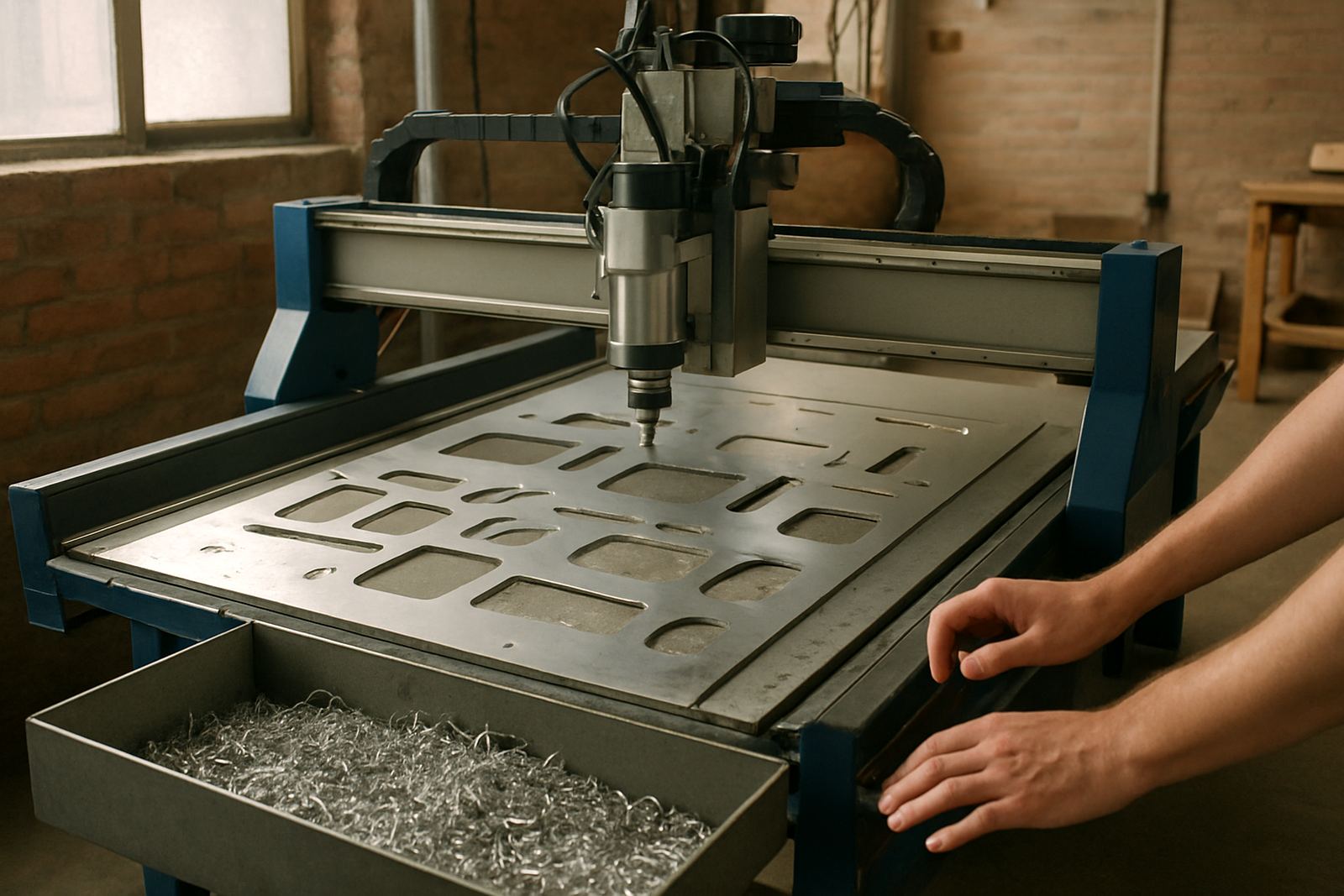
- Chip extraction and a clean duct path to keep swarf away from the cut line
- Spindle and tooling matched to plastics so heat stays under control
- Controller backups and simple operator routines for quick restart after outages
MultiCAM supports machine choice, tooling notes and setup guidance in plain language, so the team knows what the machine should do before the first sheet is clamped down.
Layout and planning that suit South African workshops
Many plastic fabricators work in mixed spaces, one day cutting signage blanks and the next day trimming protective guards or machine covers. That means the layout has to handle sheet loading, offcut stacking and clean extraction without blocking the walkway. In coastal towns like Durban North or Cape Town North, humidity can affect stored sheets and cause edge movement, so storage racks and acclimatisation time are worth planning for.
In Johannesburg and surrounding industrial areas, power quality is another reality. A sensible layout includes clear cable runs, dust and vacuum lines that can be serviced fast, and enough space around the machine for maintenance. If the machine is being relocated from one site to another, factor in floor condition, door width, forklift access and the route for long sheets.
- Leave space for loading sheets without scraping corners or bending thin plastics
- Keep the vacuum system and chip extraction easy to inspect and clean
- Allow room for tooling changes, spoilboard surfacing and controller access
- Plan for safe restart after outages with backed-up files and set procedures
Tooling and cutting choices that protect finish
Plastic cutting is about balance. Too much heat and the edge melts, too little feed and the cutter rubs instead of slicing. The right tooling choice depends on whether the shop is profiling, pocketing, engraving or trimming formed parts. For example, a clean edge on acrylic calls for a different approach than a deep pocket in engineering plastic or a light trim on foam board.
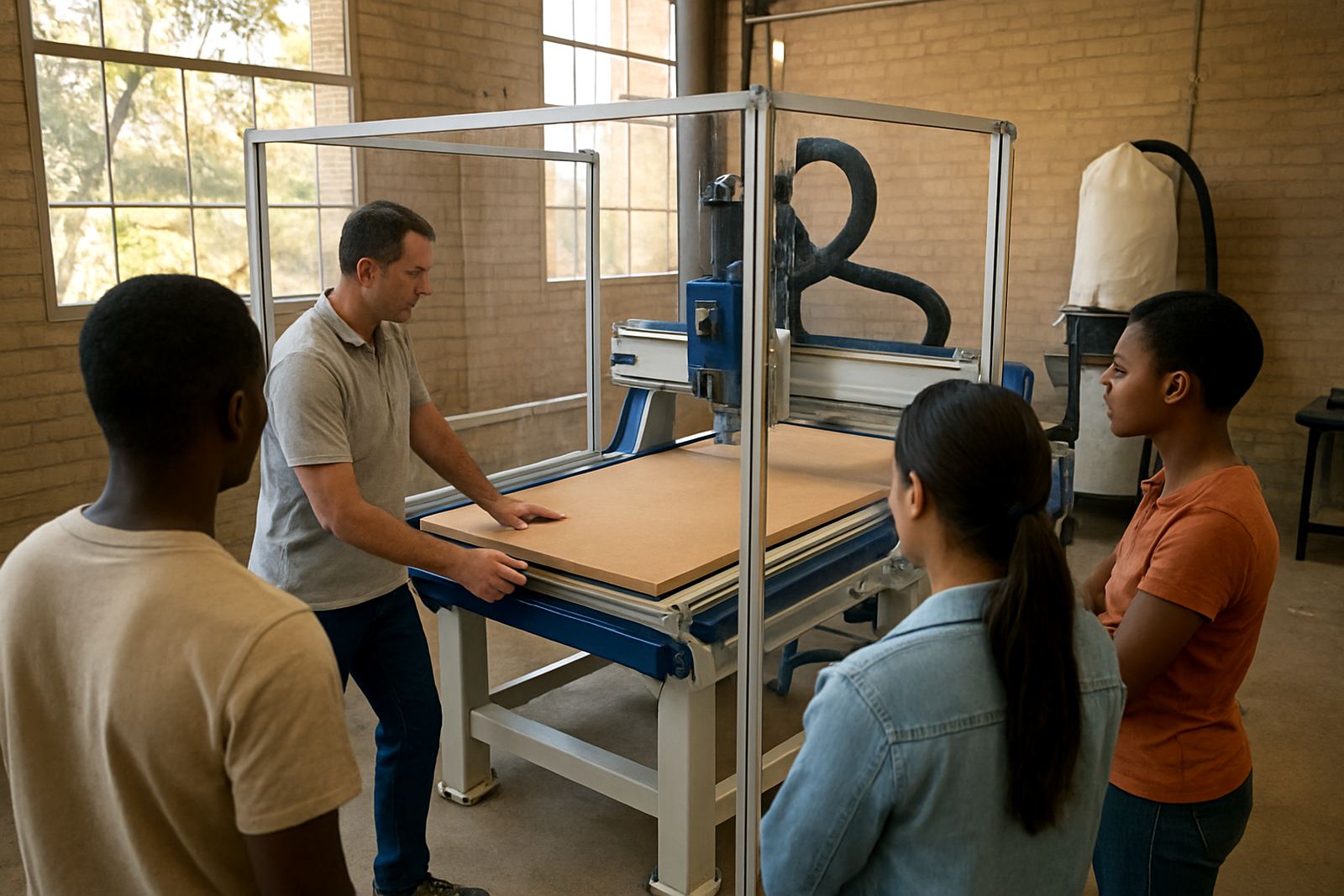
Operators also need to know when to change a worn cutter before the surface finish starts going fuzzy. Small mistakes quickly show up as chatter lines, chipped corners or a hazy edge that needs hand finishing. A short training session at commissioning can save a lot of rework later, especially when newer staff are stepping in after leave or shift changes.
For shops that run mixed materials, a practical tooling chart and a backup of the controller settings helps everyone work from the same numbers. It also reduces the risk of someone copying wood settings into a plastic job and ruining a sheet that cost real money.
Common mistakes that waste plastic sheets
Most plastic waste comes from avoidable setup problems. A vacuum leak, a loose spoilboard section or a dull cutter can turn a profitable job into scrap in minutes. Shops also lose money when they skip test cuts and go straight into full production, especially on new materials or imported sheet sizes that vary in thickness.
- Using the same feeds and speeds for every plastic type
- Ignoring vacuum leaks, blocked lines or poor zoning
- Letting chips build up around the cutter and spoilboard
- Running damaged tooling because the job is urgent
- Skipping controller backups before software changes or power events
Preventive maintenance, spindle checks and vacuum leak checks are worth doing on a fixed schedule. It is cheaper than replacing a spoiled batch or trying to explain delays to a customer who was promised parts by Friday.
Budget ranges for plastic fabrication operations
Budgets depend on sheet size, production volume and how much finishing the shop wants to do in house. Entry-level plastic fabrication setups for smaller sign or display work can start in the lower hundreds of thousands of Rand, while mid-range production machines with better vacuum support and stronger extraction often sit higher. Full production cells with loading support, layout planning and more advanced control options can move into the upper range from there.
As a rough guide, many South African shops plan around R350 000 to R700 000 for a practical first step, then add tooling, extraction, setup and training as a separate line item. Larger systems can reach R900 000 and above depending on table size, automation and site requirements. Transport, installation and relocation also need to be budgeted, especially when the base is in Germiston but the machine must go to Durban, Pretoria or Cape Town.
MultiCAM helps clients match the spend to the work, so the machine is not over-specced for light jobs or under-specified for daily nesting.