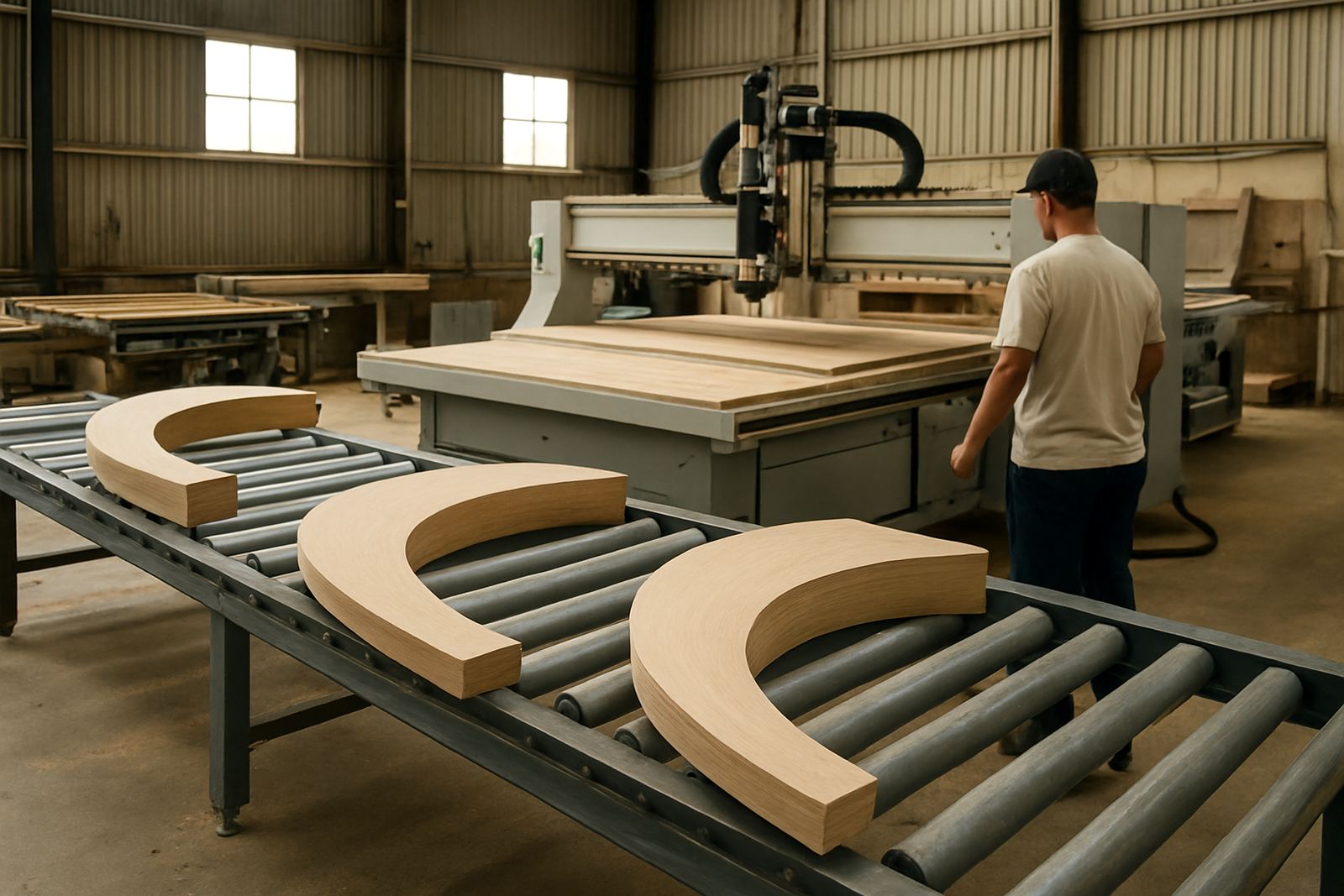
What the Pretoria team needed from the new cell
The client is a furniture component manufacturer in Pretoria, serving cabinet makers and contract fit-out work around Gauteng. Their existing setup could cut parts, but the handling side was slowing the line down. Operators were spending too much time shifting boards, checking offsets and clearing the machine area, which meant the router was not being used to its full capacity.
The brief was straightforward. Increase throughput, reduce loading strain and keep cut quality consistent across long shifts. The plant also wanted a cell that would suit local workshop realities, including load-shedding, dust control, and the kind of day-to-day interruptions that happen in a busy South African factory. They needed something practical, not complicated.
The main constraints were floor space, power stability and operator experience. The site had a live production schedule, so any upgrade had to be planned around existing work. They also wanted a solution that would not create a maintenance headache later. That shaped the machine size, table support and the way we laid out the cell. Not every workshop can afford to stop for a week, so the plan had to work in stages.
The cell layout we put in place
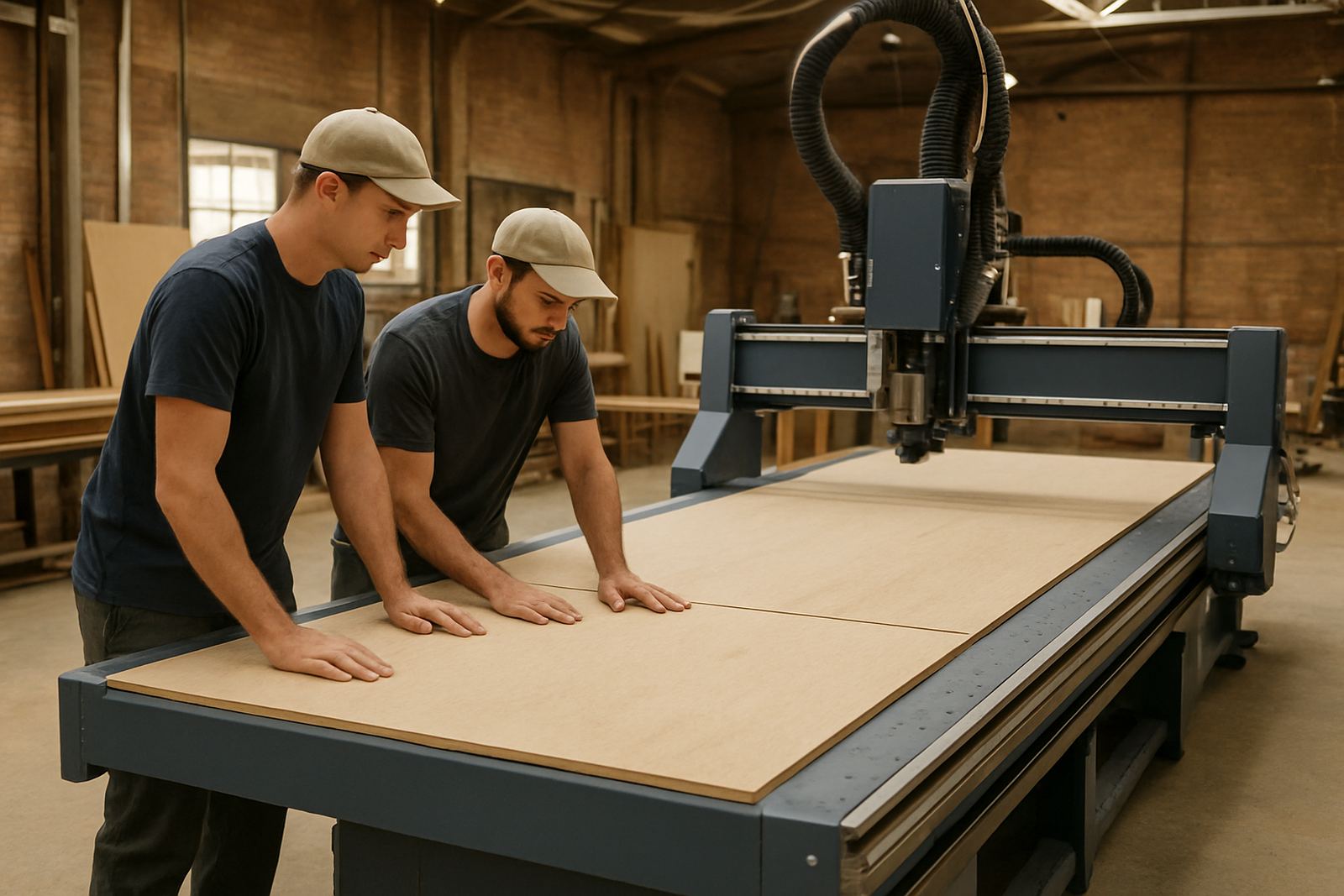
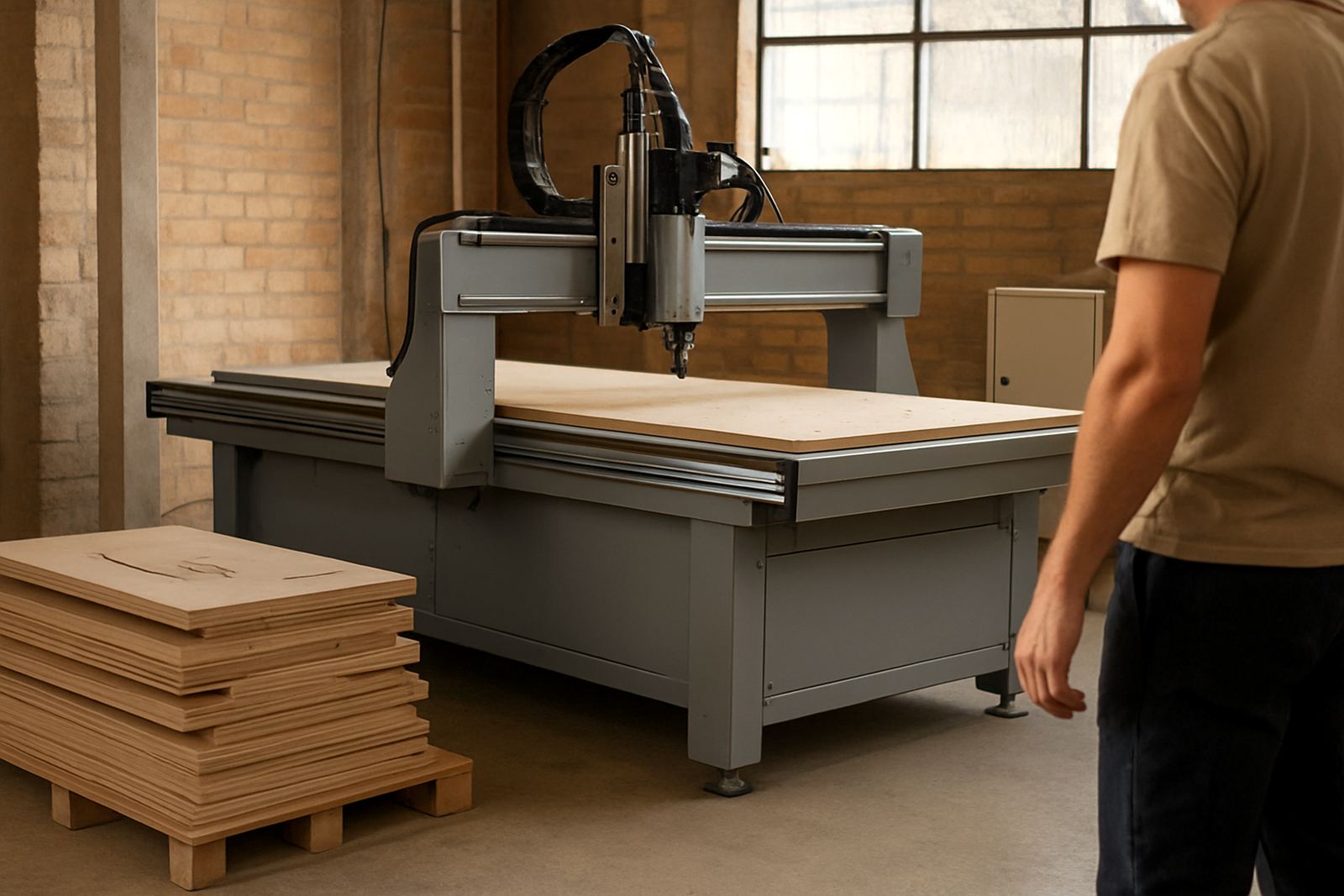
We supplied a CNC router set up for furniture nesting, with a practical loading and unloading arrangement so sheets could move through the cell with less manual lifting. The machine package included a vacuum table suited to sheet work, operator-friendly controls, and a tooling arrangement for clean cuts on board material, plastic sheet and selected soft metal jobs when needed.
For this project, the emphasis was on repeat work. The team needed to run common panel sizes, nested layouts and drilled parts without constantly resetting the machine. We also paid attention to dust extraction and vacuum performance, because poor chip removal can slow production and shorten tool life. In a Pretoria workshop, that becomes a real issue fast.
- CNC router sized for furniture components and nested sheet cutting
- Vacuum table with zoning for mixed batch work
- Loading support arranged to cut operator handling time
- Tooling notes for board material, plastics and light alloy work
- Controller setup with sensible file management and backup practice
Installation and commissioning over three weeks
The project ran over three weeks from site survey to handover. Week one was the layout check, power review and final placement plan. We confirmed machine access, material flow and the best position for dust services and board staging. That early work matters, because once the machine lands, moving it again costs time and money.
Week two covered installation and connection. The machine was positioned, levelled and checked for service clearances. We then tested the vacuum system, dust extraction connections and controller settings. The site had intermittent power interruptions in the area, so we made sure the backup routines and restart steps were clear for the team. A good machine is only useful if people can get back to work quickly after an outage.
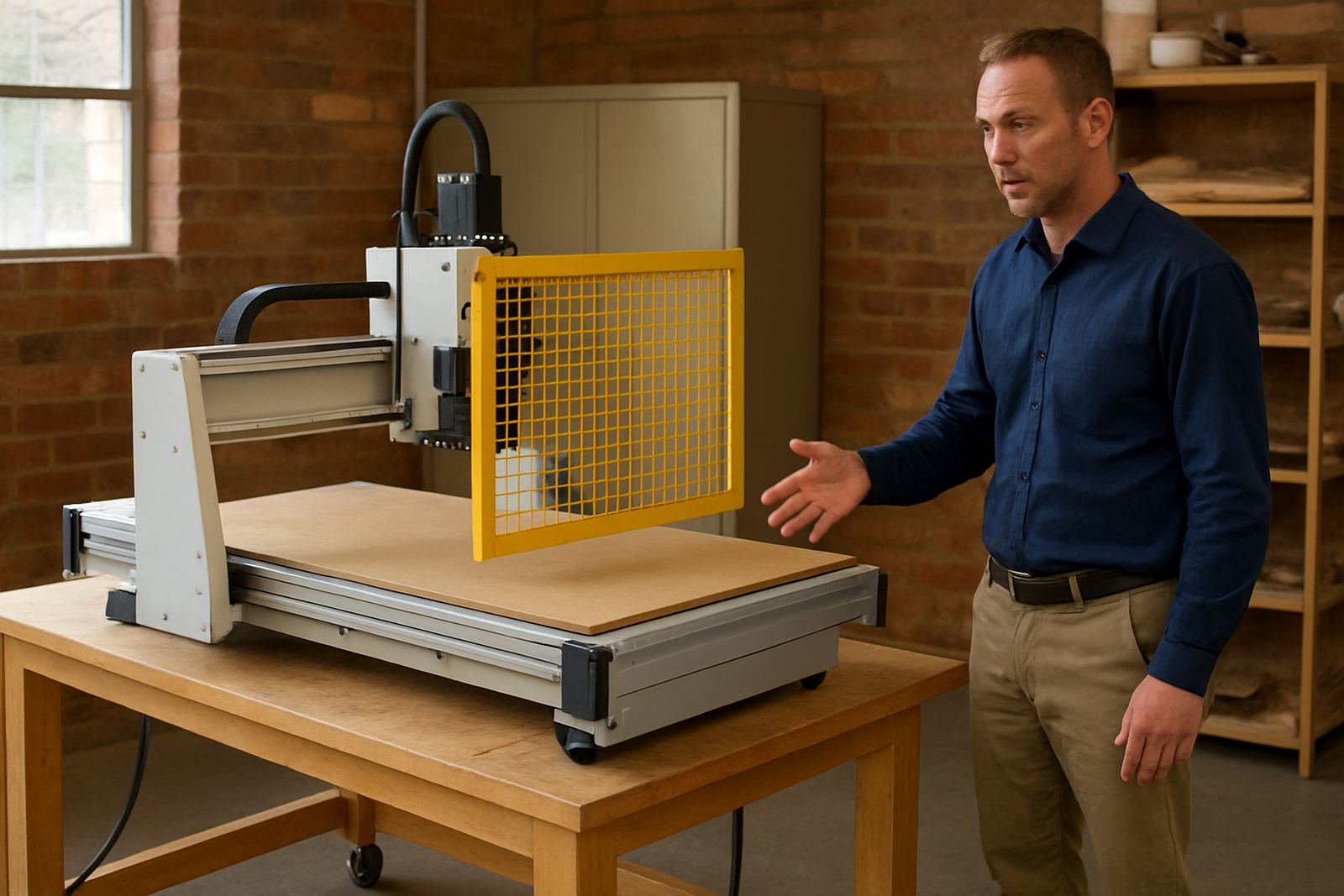
Week three focused on commissioning and training. We ran sample jobs, checked cut finish on the common board sizes, adjusted feeds where needed and confirmed the operators were comfortable with the nesting workflow. The training covered file preparation, cutter choice, safe loading, basic care and when to call for service. A workshop can run better with a few simple routines, especially when the pace gets busy.
Results on the floor after handover
Once the cell was live, the biggest change was how the material moved. Sheets were easier to stage and the operators were not fighting the machine area for space. That reduced strain and kept the cutting rhythm steadier across the day. The plant reported smoother loading, fewer pauses between nests and better use of each production shift.
Cut quality improved as well. With better vacuum support and cleaner chip removal, the edges were more consistent and the parts came off the table with less handling damage. The team also found that the machine setup made it easier to keep repeat jobs aligned from one batch to the next. In furniture component work, that consistency saves more time than people expect.
- Faster loading and unloading between sheet cycles
- Less manual handling for operators
- Cleaner edges on common board and panel jobs
- More predictable daily output on repeat work
- Better control of dust and offcuts around the machine
What we would carry into the next furniture job
We would approach the next project the same way: first the layout, then the machine, then the operator habits. That order keeps surprises down. Too many installations focus only on the machine, but a furniture cell works best when the table, vacuum, dust and loading steps are planned together from the start.
We would also keep the training practical and short, then follow up after the first few production runs. In many workshops, the first week after handover is when small issues show up, like tool wear patterns, file naming mistakes or a vacuum zone that needs a tweak. Catching those early makes a real difference. It also helps the team build confidence without slowing output.
For a site like this, our best advice is simple: keep the cell tidy, log cutter usage, back up controller files, and book maintenance before a fault starts to affect production. That is how a CNC cell stays useful year after year, not just on the handover day.
MultiCAM support for Gauteng workshops
MultiCAM works from Germiston and supports furniture makers, sign shops and fabricators across Pretoria, Johannesburg and beyond. The Pretoria cell project drew on our installation, commissioning, training and tooling know-how, with aftercare available through our local support areas. When a workshop needs a machine moved, serviced or re-set for new work, we keep the advice practical and the service planning straightforward.
Our team also handles preventive maintenance, spindle service, vacuum leak checks, controller backups, tooling setup and dust system balancing. That matters in South African production spaces, where heat, dust, and power interruptions can all affect output. The right machine is only part of the answer. The rest is keeping it set up properly and ready for the next order.
- Machine installation and commissioning
- Operator training and tooling setup
- Preventive maintenance and spindle service
- Vacuum leak checks and dust system balancing
- Machine relocation and controller backups
Key facts
| Project name | Pretoria Furniture Cell |
|---|---|
| Client type | Furniture component plant |
| Town | Pretoria |
| Timeline | 3 weeks from survey to handover |
| Main scope | CNC router cell with loading support and commissioning |
| Support included | Training, vacuum checks, tooling setup and backup routines |