Start with the sheet sizes you actually receive
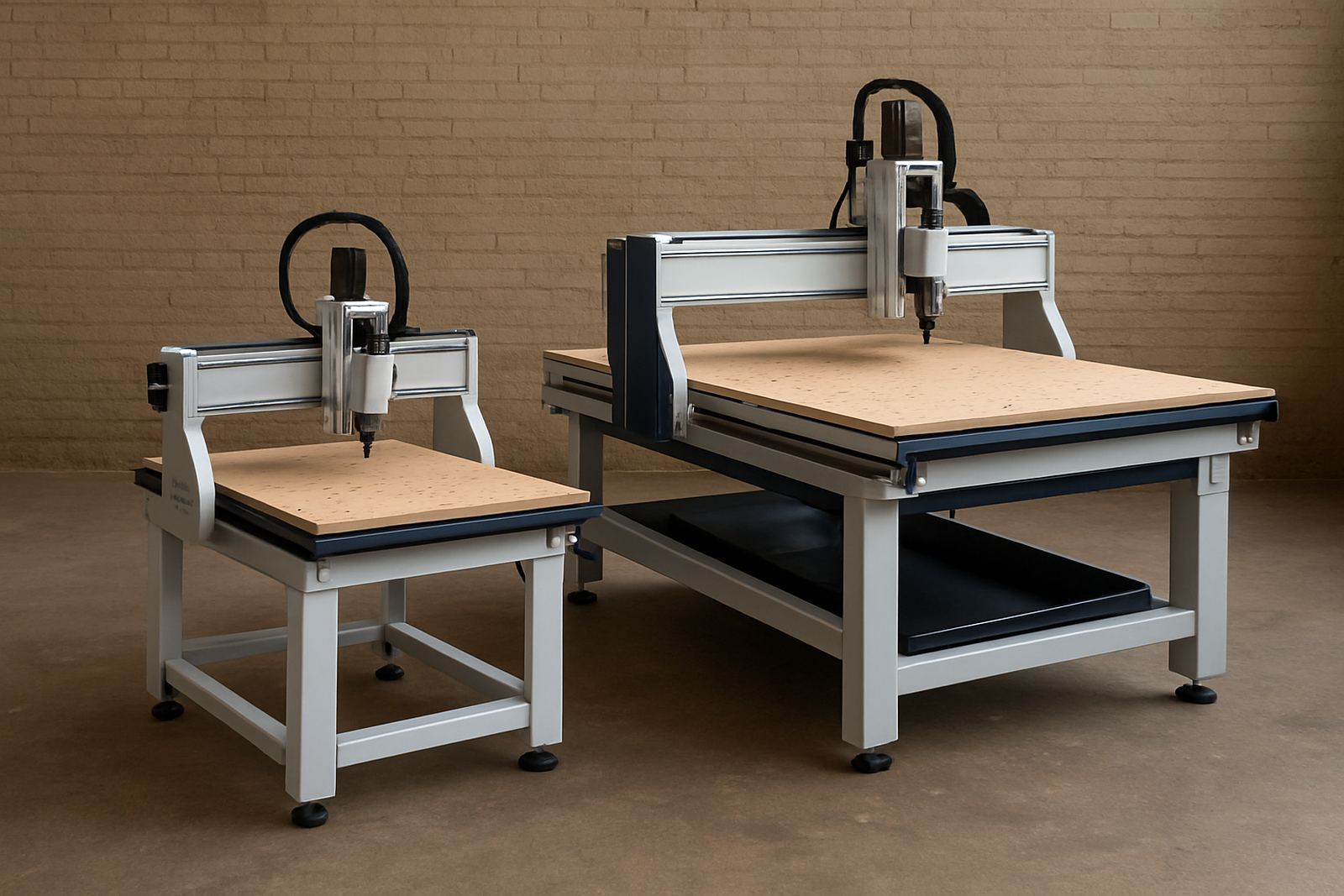
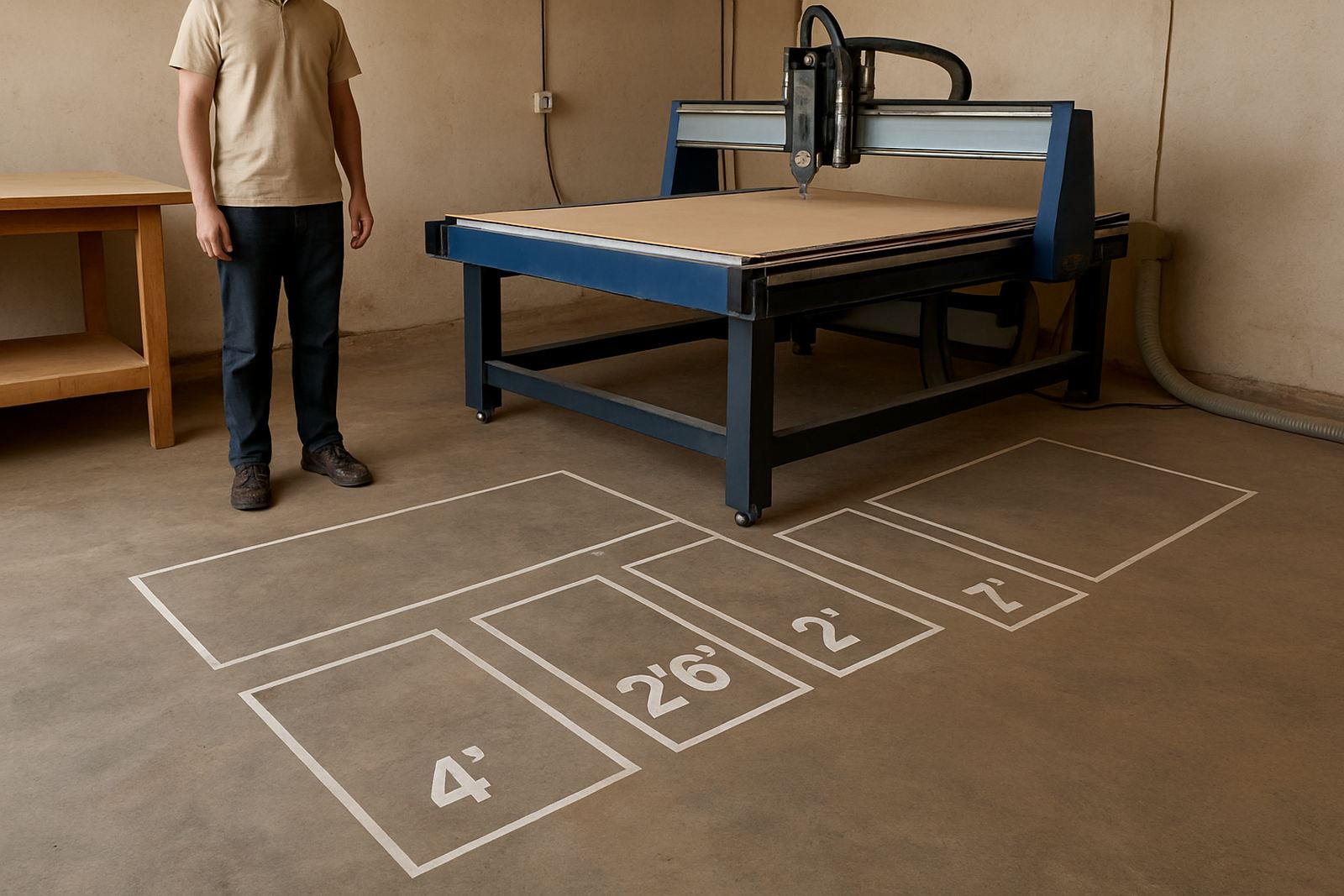
Begin by listing the stock sizes that come into your workshop most often. In South Africa that may be 1,220 x 2,440 mm boards, larger industrial panels or cut blanks supplied by a board yard. Your bed should suit the material you can get regularly, not the one-off job that happens twice a year.
If you cut full sheets, a bed that accepts the complete board can reduce manual handling and keep your nest cleaner. If most of your work arrives already cut to half sheets or narrow strips, a full-size bed may still help with throughput, but only if your loading area and offload space can cope.
- Check your common sheet sizes over the last 3 months.
- Note how often you cut full sheets versus offcuts.
- Allow for edge damage, trimming and clamp clearances.
Match bed size to the parts you make most often
Look at the part mix, not just the raw sheet. Cabinet parts, shop fittings, signage panels and acrylic components all behave differently on the table. A bed that handles one large sign panel may not be ideal for batches of small parts that need efficient nesting and easy collection.
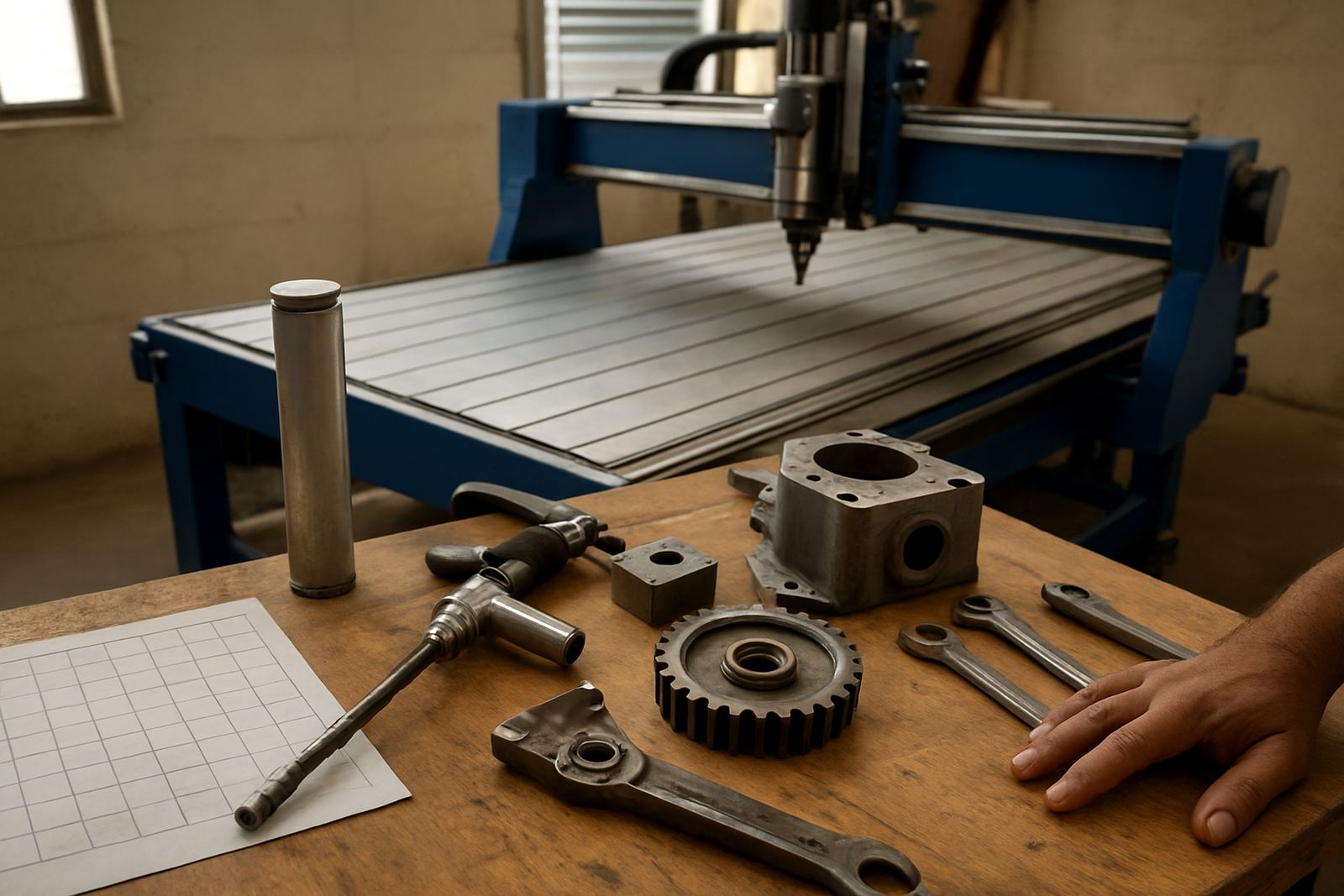
For furniture makers, the main question is whether the table can process cabinet sides, doors and panels without constant reloading. For sign shops, the priority may be long sheets for routing and drilling, plus enough width for sheet goods and repeat jobs. Soft metals need careful fixturing, so the usable cutting area matters as much as the outside frame size.
- List your top 20 parts by volume.
- Mark the largest finished part, not only the sheet size.
- Check whether you need space for tabs, vacuum zones or hold-down strips.
Allow for operator access, not only cutting area
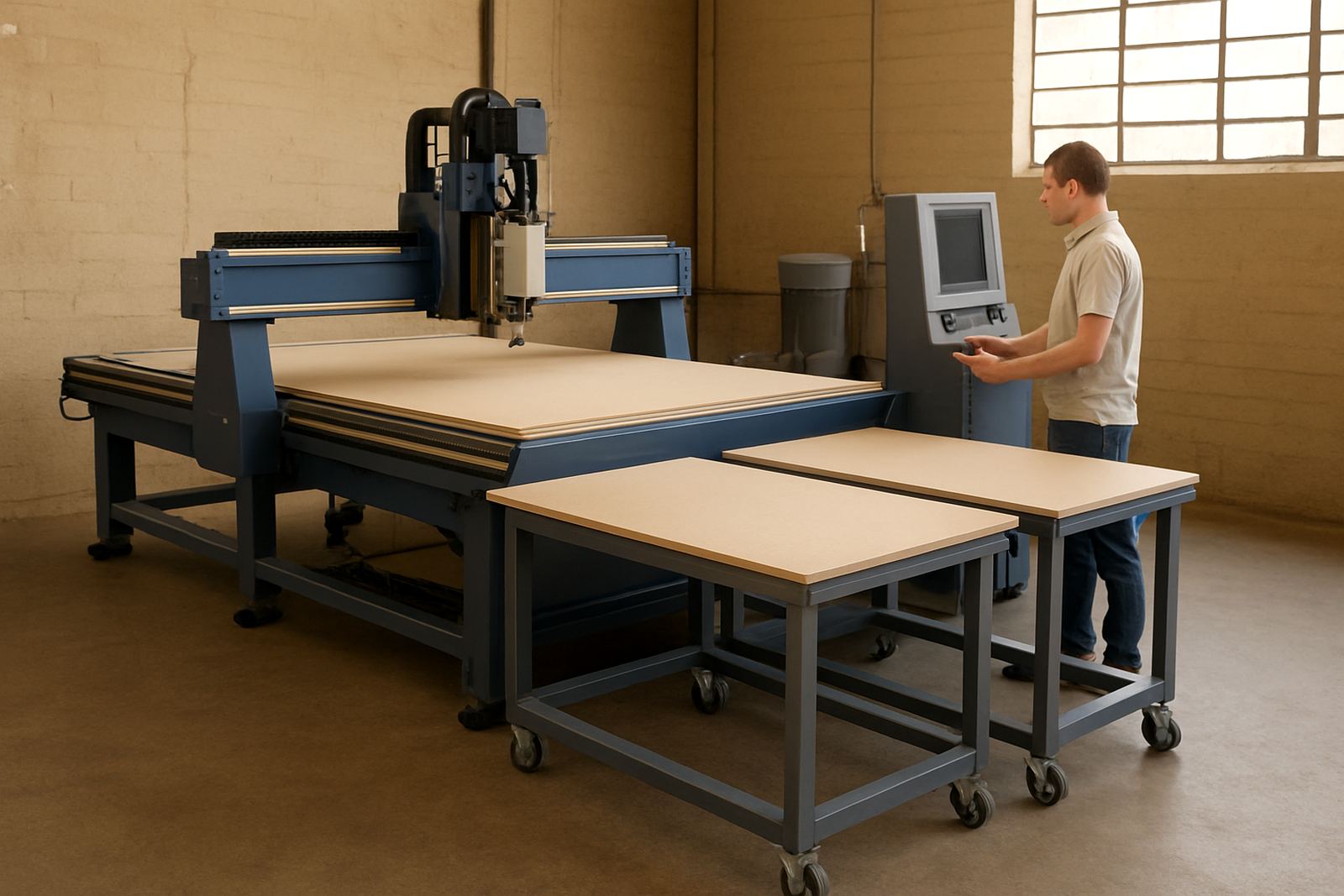
A machine can fit on paper and still frustrate a team in daily use. You need room to load sheets, walk around the bed, clear cut parts and service the machine without squeezing past the gantry. In a busy Germiston workshop, that extra 600 mm of access on one side can make a real difference.
Think about where the waste bins go, where the vacuum lines run and how a forklift or pallet jack moves through the bay. If the table is too large for the room, operators may rush loading and that is where chips, tool damage and setup errors start. In coastal areas, also leave access for cleaning dust buildup and checking electrical cabinets before humidity becomes a problem.
- Measure the full footprint, including control cabinet and dust extraction points.
- Leave safe walkways and loading space.
- Plan for maintenance access to the spindle, rails and vacuum system.
Choose a bed length that supports your workflow
Bed length affects more than the size of the panel you can fit. It changes how you nest jobs, how often you stop to reload, and how well you can separate high-value parts from scrap. A shorter table may suit a focused job shop that cuts repeat sizes all day. A longer table can help if you do mixed production and want to process several layouts in one run.
When comparing options, ask how much of each sheet is used on the machine and how much is still being done by hand. If a longer bed allows you to process fewer batches, you may save time even if the machine itself costs more. But if the extra length sits unused for most of the year, that floor area may be better used for staging material or finishing work.
- Track average nesting yield on your current machine or process.
- Note how many reloads happen in a normal shift.
- Check if longer jobs will still fit through your doors and into your bay.
Check vacuum, dust and power requirements at the same time
Bed size and support systems must be sized together. A bigger table often needs stronger vacuum support, more dust extraction capacity and steadier power supply. If those parts are undersized, the machine may still cut, but holding force, finish quality and daily reliability can suffer.
In areas with load-shedding or unstable supply, it helps to plan the installation around proper electrical protection and restart procedure. Dust extraction also needs balancing, especially when the bed is split into zones or when the workshop switches between MDF, ply, plastics and aluminium sheet. A table that suits the work but starves the vacuum pump is not a good buy.
- Confirm power supply, breaker size and backup plan before purchase.
- Check dust extraction volume and duct length.
- Ask how vacuum zones affect small part holding and nested sheets.
Match A MultiCAM Bed Size To Your Sheet Stock And Handover Space
Before you choose a bed size, walk through a practical checklist with the people who load, cut and unpack the jobs every day. That includes the operator, the person who orders stock and the team member who handles installation or maintenance. The best size is the one that fits your real jobs, your floor plan and your staff's working habits.
A good supplier should talk through sheet supply, part mix, table support, tooling and relocation needs. If you are moving a machine between sites or planning future growth, factor in door widths, slab condition and access for service vehicles. A clear decision now saves rework later, and it keeps the workshop calmer when orders build up.
- Sheet size: what arrives most often?
- Part mix: what do you cut every week?
- Space: can you load, service and clear waste safely?
- Utilities: can your power, dust and vacuum systems support it?
- Growth: will the table still suit your next 2 years of work?