Built for cabinet work that needs steady output
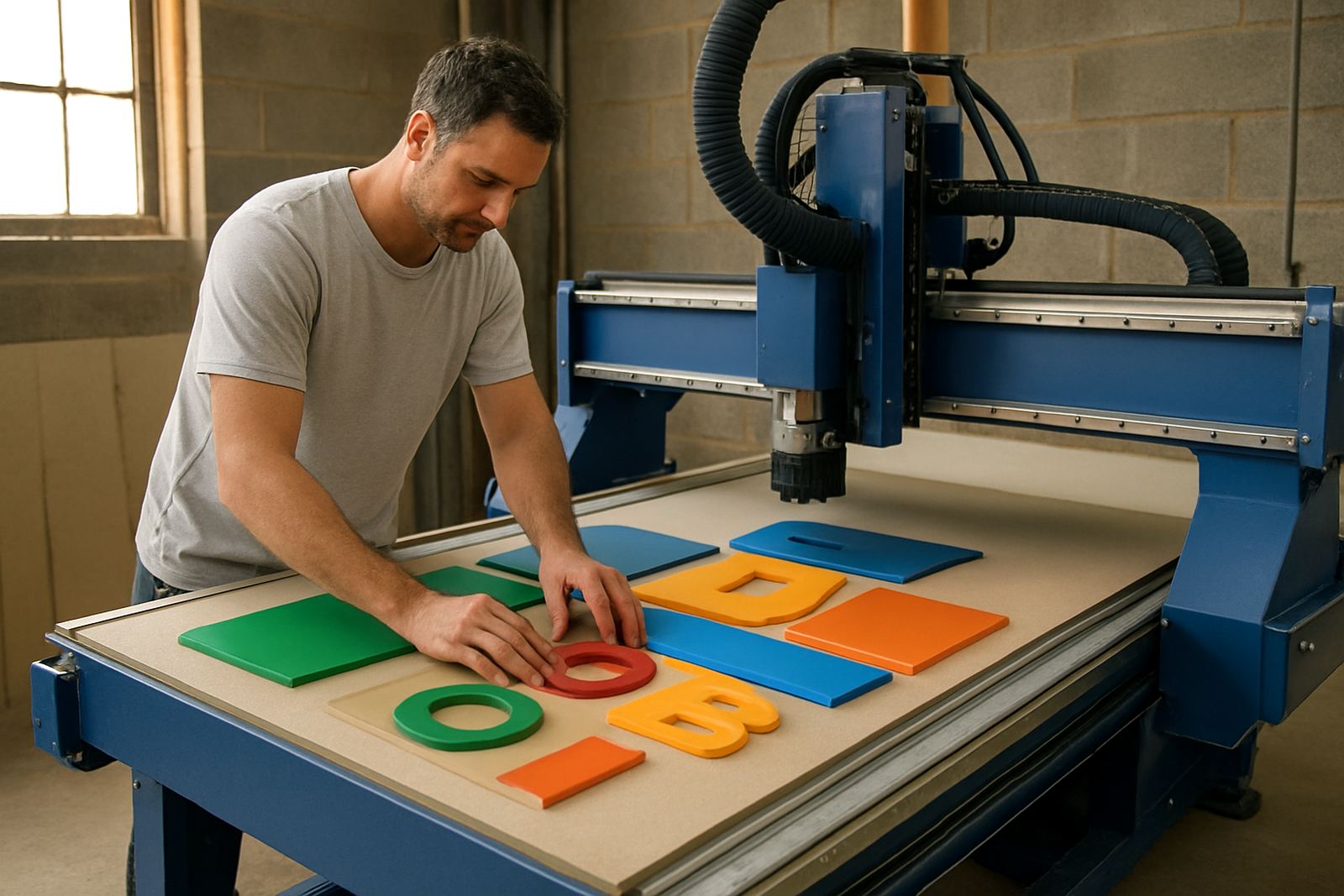
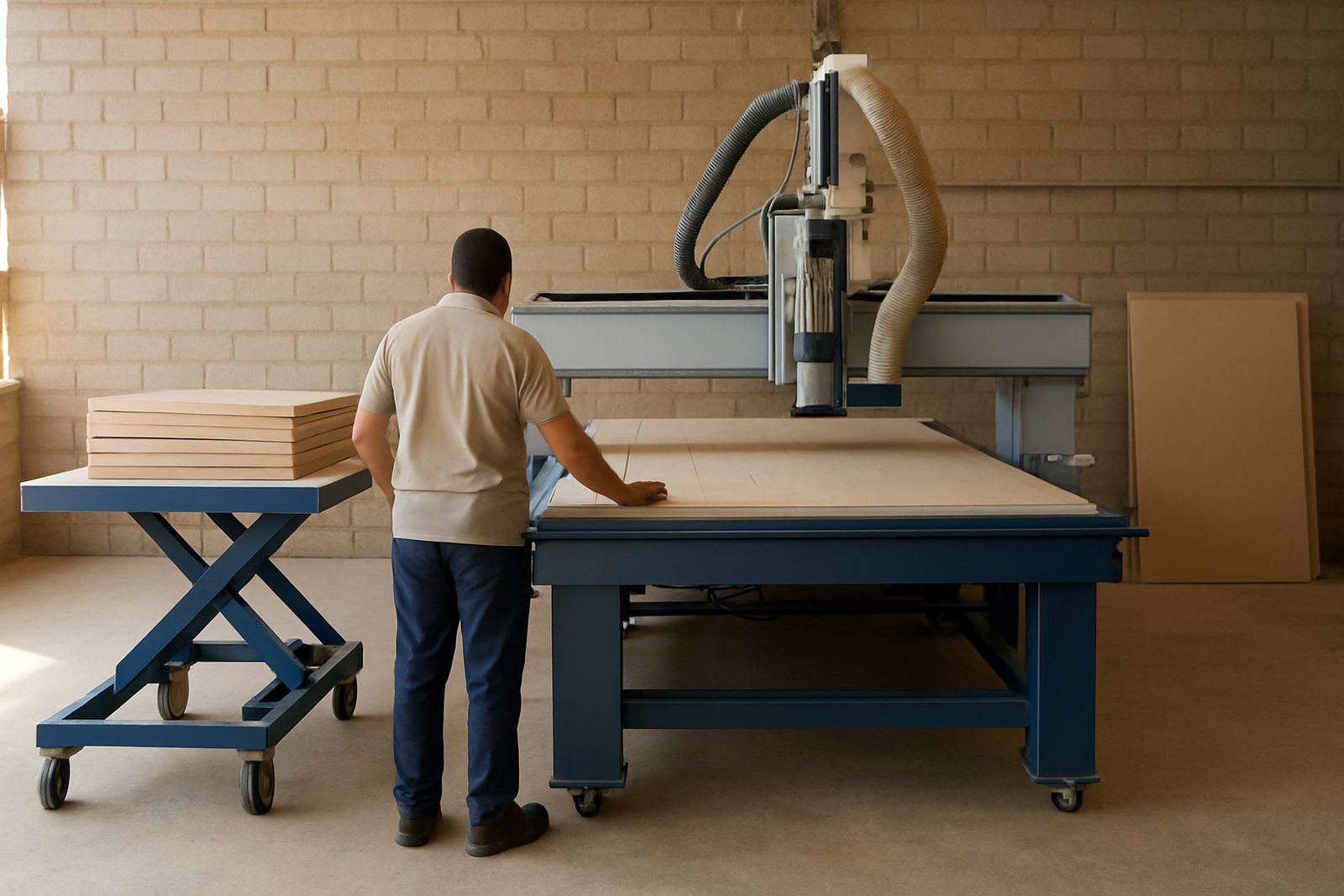
A cabinet nesting cell is set up for kitchen units, wardrobes, shopfitting parts and flat panel work where sheet yield and repeatability matter. Instead of moving sheets between separate machines, the cell keeps cutting, part ID and handling in one planned process. That helps reduce mistakes on busy days and keeps the shop moving when orders stack up.
For South African workshops this matters because labour, floor space and power all need to work harder. A proper nesting cell can be sized for smaller production runs or for daily cabinet output, with table loading, vacuum holding and tooling selected around the board grades you use most often. On humid coastal sites, or in dusty inland factories, the right extraction and maintenance routine makes a real difference.
- Suited to melamine, MDF, particle board, plywood and many plastics
- Nested cutting helps improve sheet use and part consistency
- Can be matched to manual loading or assisted sheet handling
- Useful where one operator must keep pace with a small team
Typical sizes, table options and routing choices
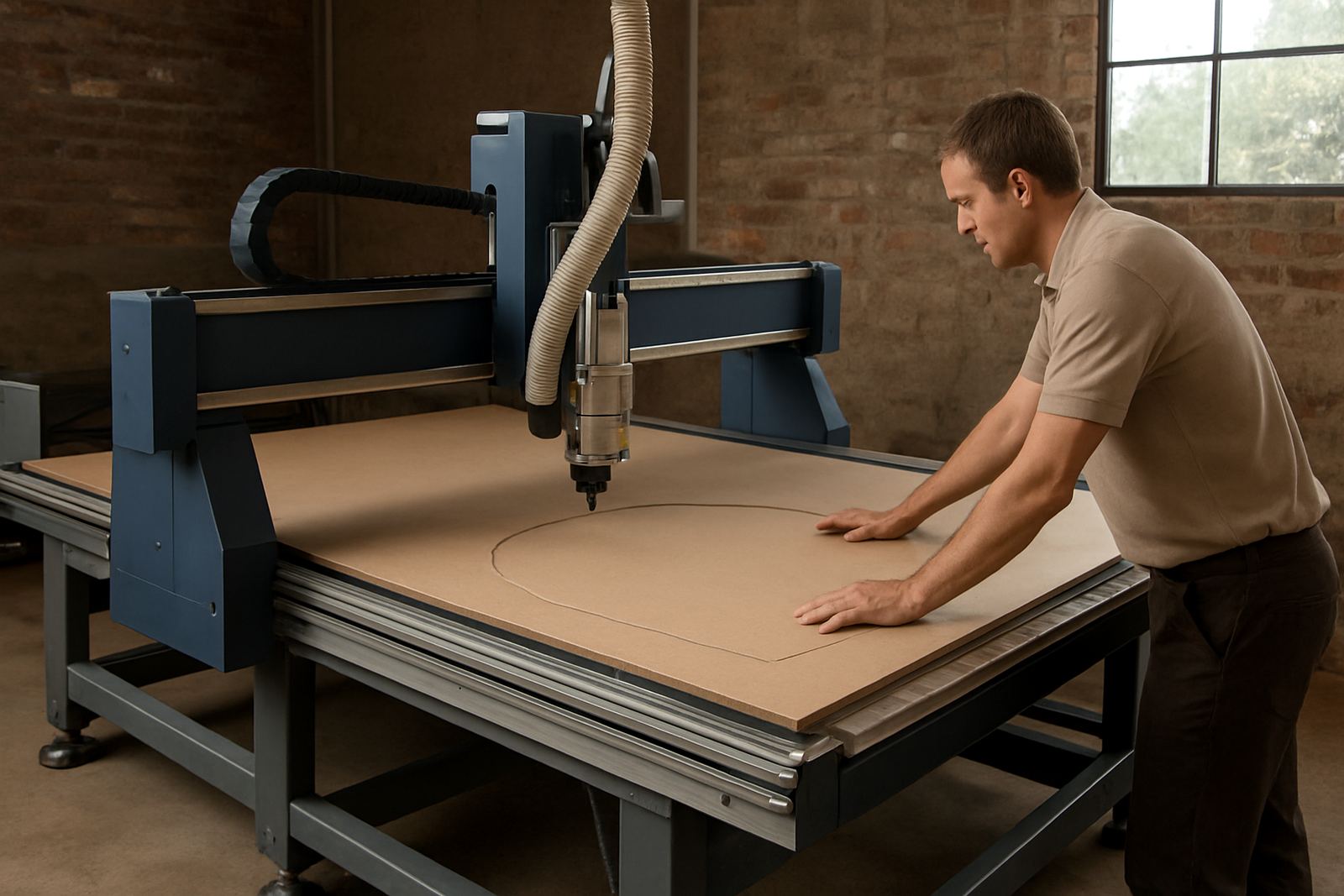
MultiCAM cabinet nesting cells are specified around the workshop, not the other way around. Entry systems suit smaller cabinet makers working from a few sheets a day, while larger cells can be set up for production runs and more frequent changeovers. Table size and sheet handling options depend on the board format, part size and how much automation you want in front of the machine.
Common working areas include 1300 x 2500 mm for compact shops and 1500 x 3000 mm for larger sheet formats. Machine frames, vacuum beds and loading arrangements can be configured to suit the available bay length and door access at the Germiston base or at your site elsewhere in South Africa. If the workshop has a low roof, narrow access or a mezzanine floor, that is checked before delivery so there are no surprises on installation day.
- Work areas from compact single-sheet setups to larger production beds
- Vacuum table options for full-sheet holding and part stability
- Automatic or manual tool change depending on output needs
- Options for nesting, drilling, grooving and edge preparation tasks
Where a cabinet nesting cell fits best
This type of cell suits cabinet shops that need predictable part sets and clean nesting from sheet material. It is also a practical choice for joinery makers, furniture workshops and fitout teams that work to tight timelines. If a business is still cutting sheets by hand or moving parts between a saw and router, a nesting cell can cut down handling and improve order tracking.
It works well where repeat jobs come back often, such as kitchen carcasses, drawer sides, shelving and display units. For municipal or site-based work, the cell also helps where board offcuts must be managed properly and the finished parts need neat labels for assembly. One well set-up cell can often replace a more scattered workflow and make training easier for new staff too.
- Kitchen and wardrobe cabinet production
- Shopfitting and retail fixtures
- Office and educational furniture parts
- Contract joinery and repeat panel cutting
Installation, power and workshop preparation
Before installation, MultiCAM checks the floor space, access route, dust extraction path and the electrical supply available at the site. Most cabinet nesting cells need a stable three phase supply, correct earthing and enough air movement around the control cabinet and vacuum equipment. If a workshop is in an older industrial building, the incoming power and phase balance should be checked first, because poor supply can cause nuisance stops and harder starts after load-shedding.
Vacuum systems, dust collection and compressed air requirements depend on the chosen cell. In many cabinet shops the biggest gains come from a sensible layout: board storage close to the infeed side, offcut area near the operator and a clean route for finished parts to move away without crossing the cutting path. That keeps the cell practical for daily work instead of forcing the team to work around the machine.
- Three phase power is usually required, with proper earthing and isolation
- Dust extraction and vacuum capacity must match the table size and cutting style
- Compressed air is often needed for tool change, clamps or cleaning functions
- Site checks include access, floor loading and service clearances
Servicing, wear points and keeping output steady
A cabinet cell works best when the basics are checked often. Vacuum leaks, worn tooling, blocked filters and dirty rails are common causes of poor cut quality or slow cycle times. Preventive maintenance helps keep the cell accurate, especially on sites where dust is heavy or where the machine sits idle over public holidays and restarts under pressure the next week.
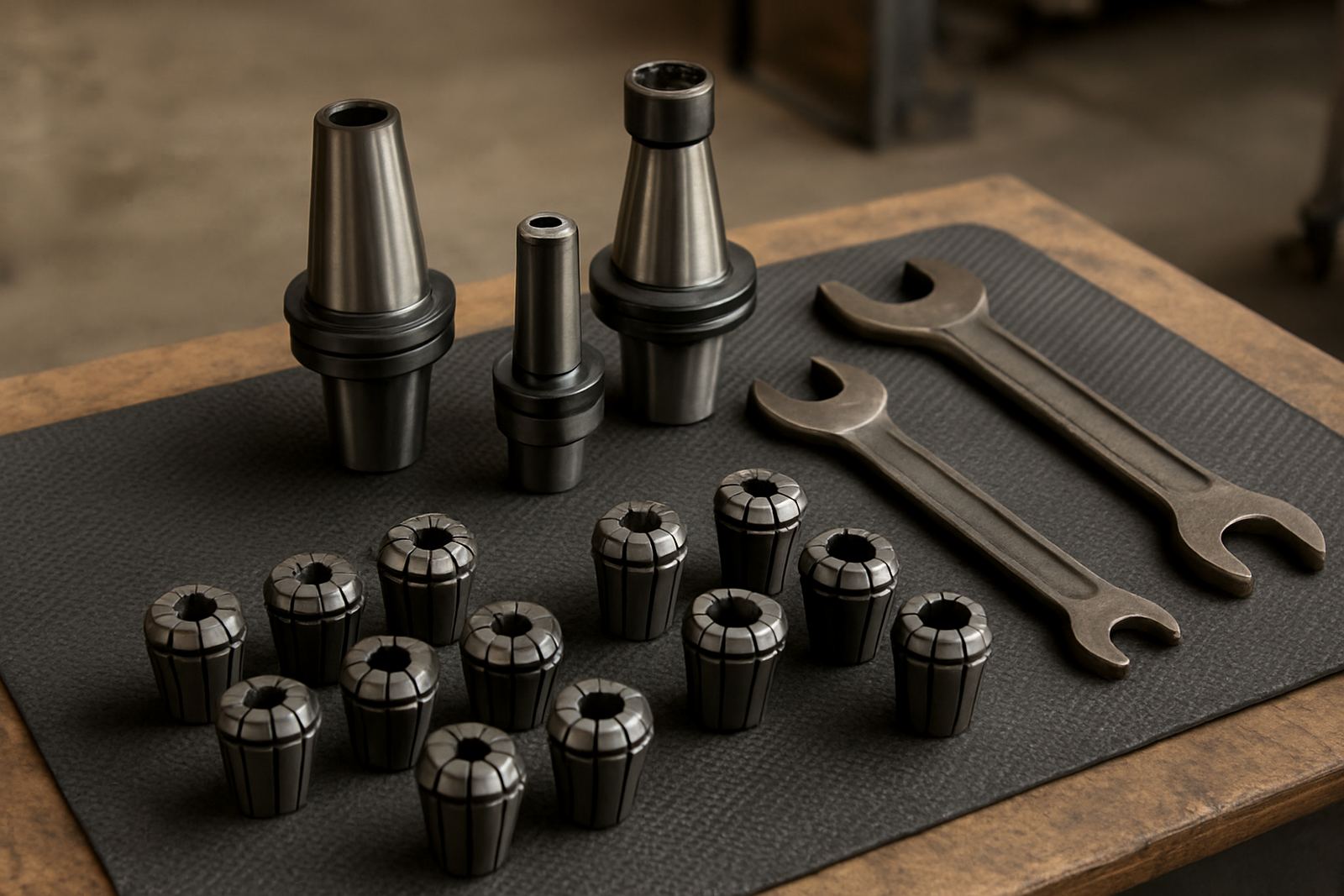
MultiCAM supports machine installation, commissioning, preventive maintenance, spindle service, vacuum leak checks, controller backups, operator training, tooling setup, machine relocation and dust system balancing. That support matters when a workshop grows from a single operator to a fuller production team. Spares planning is also important, because one worn collet or a damaged hose can stop an otherwise good day’s output.
- Check vacuum hold-down performance and air leaks regularly
- Inspect tooling wear, cutter length and cut edge quality
- Back up controller data before changes or relocations
- Keep dust extraction balanced and filters cleaned on schedule
What to confirm before placing an order
Ordering a cabinet nesting cell is easier when the workshop has measured the real workload first. It helps to know the sheet sizes used most often, the daily part count, the board materials, and whether drilling or grooving must happen on the same machine. If the team is producing mostly flat pack cabinets, a simpler cell may be enough. If the workshop is doing varied joinery, then tooling flexibility matters more.
It is also worth checking who will run the machine and how much training they need. A practical operator interface and clear setup notes make a big difference on the floor. For many South African shops, the right choice is the cell that matches current orders and still leaves room for growth without overspending on features that will not be used. A calm, well matched setup usually pays off quicker than a flashy one.
- Board sizes, material types and average sheet usage per week
- Need for drilling, grooving, part marking or label printing
- Available floor space, power supply and dust extraction capacity
- Operator skill level and preferred service cover area
Key facts
| Product type | Cabinet nesting CNC routing cell |
|---|---|
| Typical work area | 1300 x 2500 mm to 1500 x 3000 mm, depending on setup |
| Materials | Melamine, MDF, particle board, plywood, plastics and soft metals |
| Power | Usually three phase, site specific checks required |
| Automation options | Manual loading, assisted sheet handling, vacuum tables, tool changers |
| Support areas | Germiston, Johannesburg East, Midrand, Pretoria East, Durban North, Cape Town North |