What the Drill Bank Router Does in a Busy Workshop
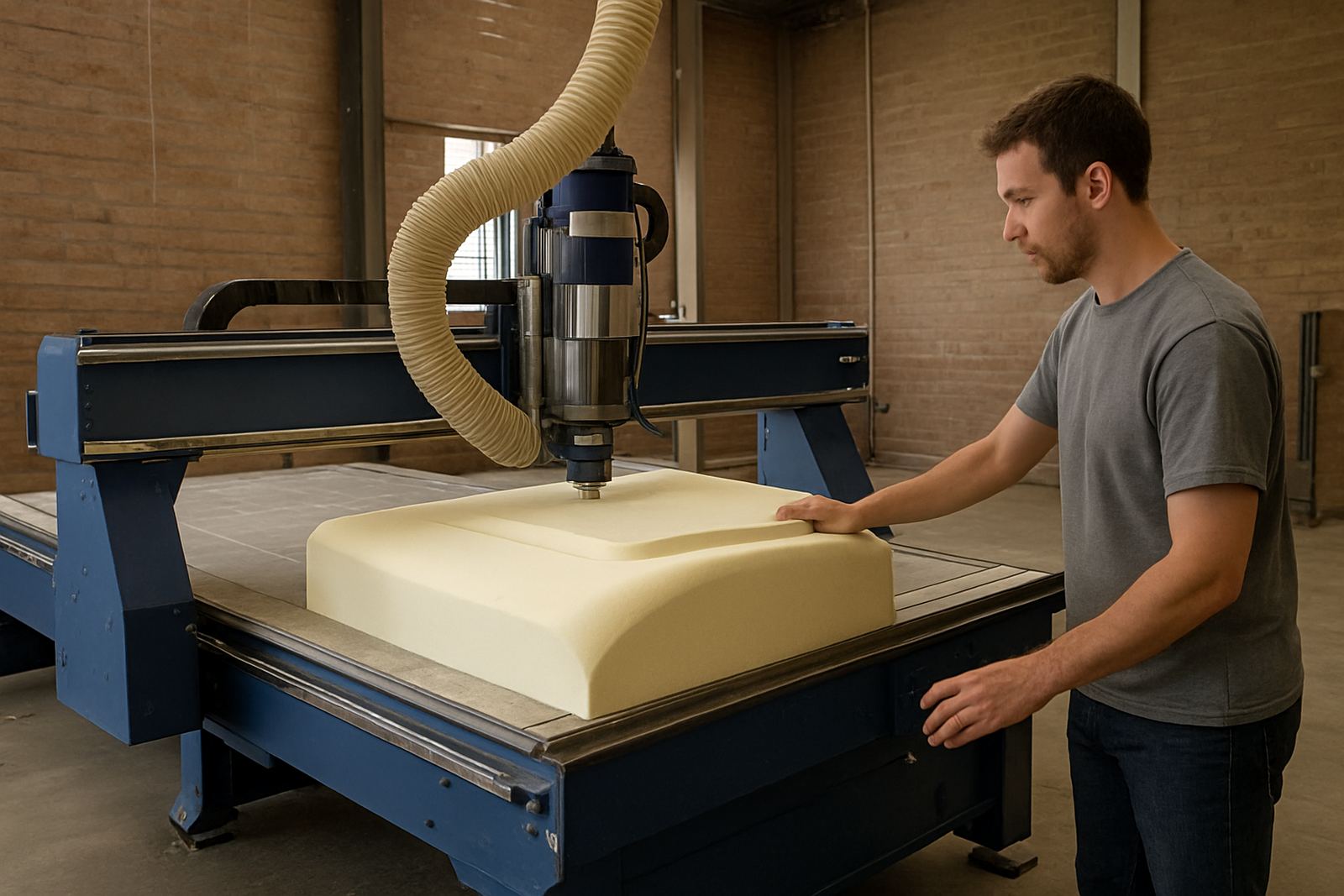
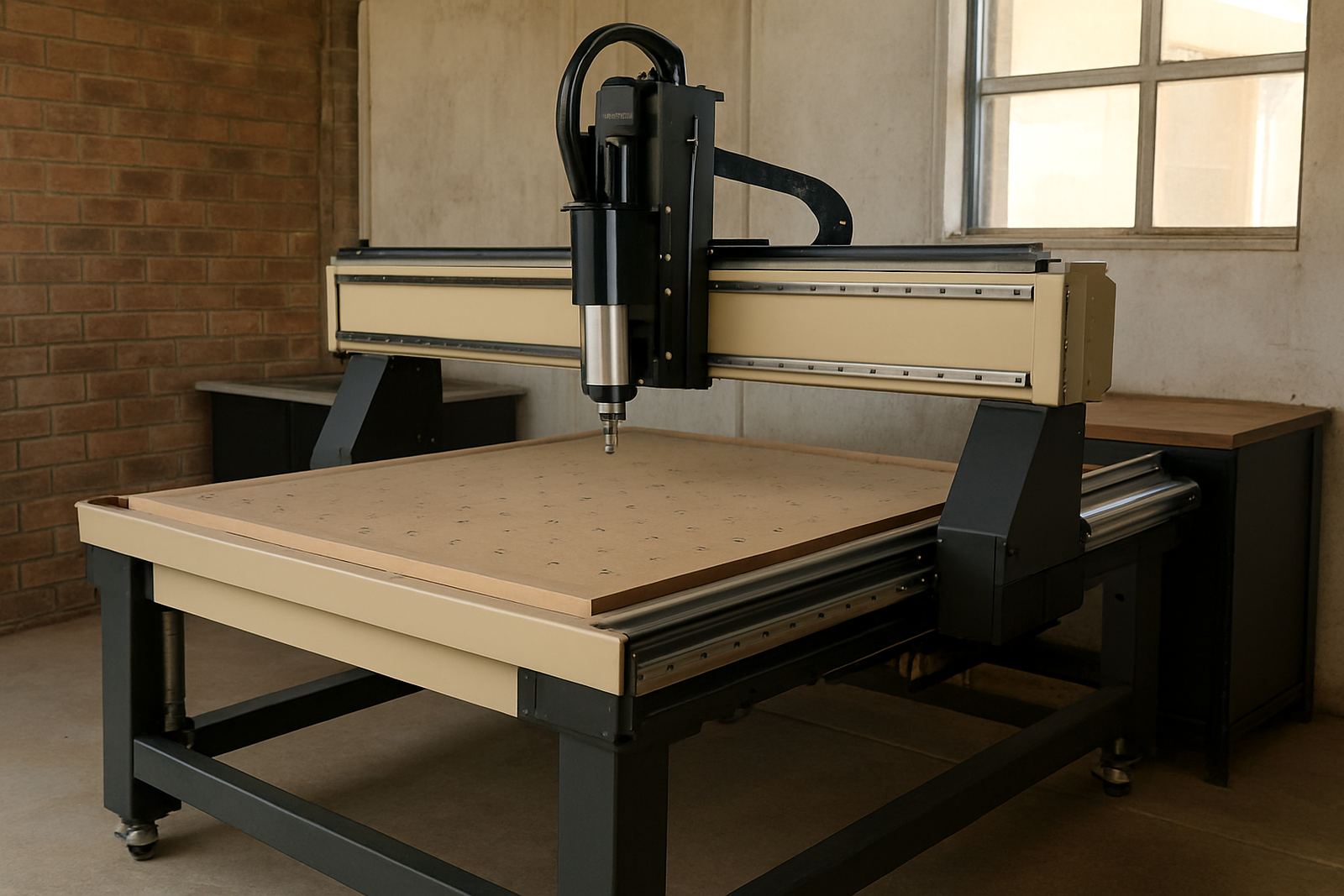
A drill bank router combines routing and fixed drilling in one machine so cabinet makers can cut panels and put down repeated hole patterns without moving work to a separate drilling station. That matters when you are turning out kitchens, office joinery, shopfitting parts or flat-pack components and need each panel to land in the same place every time.
The drill bank is used for line boring, shelf pin rows, hinge cup work, cam and dowel holes, and other repeat drilling where a manual drill guide would slow the flow. In a small shop it saves time on each job, while in a production workshop it helps keep parts matched, which cuts rework and keeps assembly cleaner. It is also easier on operators because the setup is repeatable and the hole spacing is built into the machine, not left to guesswork.
- Suitable for repeated cabinet side drilling and shelf rows
- Works well with panel nesting and post-cut hole making
- Helps reduce marking errors and mismatched parts
Sizes, Drill Head Options and Table Choices
MultiCAM supplies drill bank router setups in sizes that suit entry workshop use through to higher-output production lines. The working area, drill head layout and table style are chosen around the panels you handle most often, whether that is standard cabinet sides, wide display panels or longer boards for office furniture. If your work changes seasonally, a sensible machine size can spare you a second purchase later.
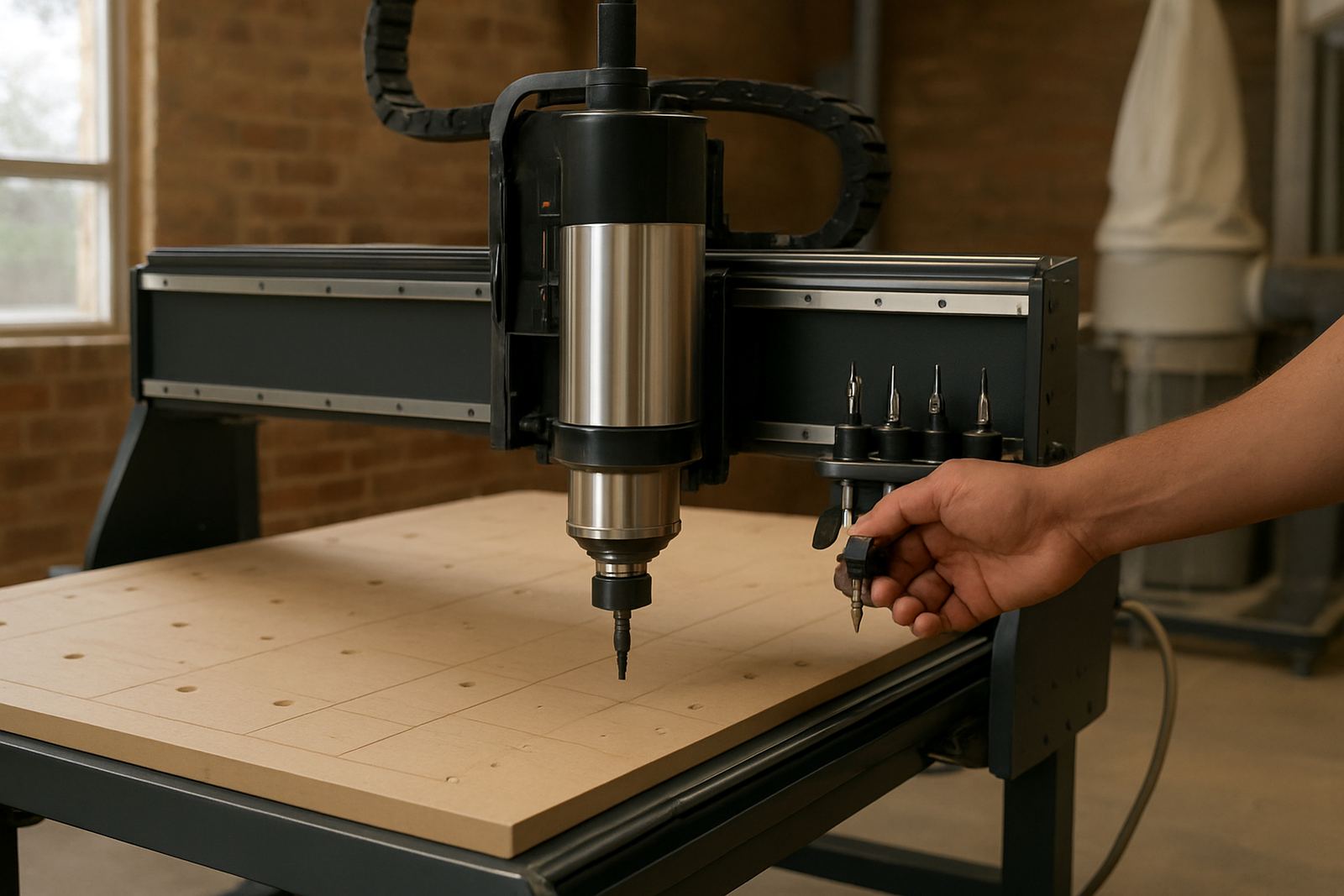
Options usually include fixed drilling rows, router spindles for profiling and pocketing, and table systems that support clean loading and unloading. Some shops prefer vacuum tables for light to medium sheets, while others need pod or rail support for heavier boards, laminated panels or awkward blanks. In humid coastal areas, a stable table hold is worth more than people think, because a sheet that shifts a few millimetres can throw off the whole batch.
- Entry format for smaller cabinet shops and sign makers
- Medium production sizes for day-to-day nesting and boring
- Production cell layouts for repeated output and longer run times
- Vacuum, pod or hybrid table arrangements available
We match the drill bank to the type of holes you do most, not just the biggest job you hope to win next year. That keeps the machine useful from week one and avoids overspending on functions you may never use.
Where It Suits in South African Workshops
This machine suits cabinet shops, joinery teams, contract furniture makers, school furniture workshops and sign fabricators that need drilled panels ready for assembly. It also helps where labour is tight and a team needs one machine to manage both cutting and the boring pattern that follows. In Johannesburg and Germiston, many workshops use this type of machine to keep up with fast turnaround work and tight delivery dates.
It is a good fit where the same panel patterns repeat across many jobs, or where different operators need to load the same programme without re-measuring each board. For businesses working around load-shedding, the key is to plan the machine around generator or inverter support for the control system, plus clean power for the spindle and vacuum. If you have unstable supply, talk to us early so the power plan is sorted before installation, not after the first interruption.
- Cabinet manufacturing and kitchen shops
- Office and school furniture production
- Shopfitting and display panel work
- Joinery and custom flat-pack component lines
Installation, Power and Site Preparation
Installation starts with floor space, access for lifting, power supply and dust extraction planning. A drill bank router needs a level floor, enough room for sheet handling and clear access to the operator side and service side. We also check door widths, ramp access and whether the machine needs to move through a narrow workshop yard or a shared industrial passage. Germiston base support makes this easier for Gauteng sites, and we install across South Africa when the project calls for it.
Most systems need three-phase electrical supply, suitable earthing and dust extraction that can keep up with drilling and routing operations. Vacuum systems must be sized for the table and the work you plan to do. If the shop is near the coast, we also look at corrosion risk, cabinet protection and cleaning routines because moisture and fine dust can create trouble faster than people expect. The machine should be placed where operators can reach tools and panels without twisting or lifting too far.
- Level floor and clear access for loading sheets
- Three-phase power usually required
- Dust extraction and vacuum supply checked on site
- Good lighting and safe operator walkways recommended
Care, Servicing and Operator Training
Like any precision workshop machine, a drill bank router works best when it is cleaned, checked and used by operators who understand the basics. Daily care is simple: clear dust from the table, check clamps and vacuum seals, keep tooling sharp, and look for any unusual noise from the spindle or drill head. A quick end-of-shift check can stop small faults from turning into downtime the next morning.
MultiCAM offers preventive maintenance, spindle service, vacuum leak checks, controller backups, operator training and tooling setup support. For many shops, that support matters more than the brochure specs because the real value is in keeping the machine cutting on time. Our technical team can also help with machine relocation, dust system balancing and planned shutdown work when production windows are tight. A little service at the right time avoids a bigger bill later, and keeps parts coming out the way the drawings say.
- Clean dust and chips from guides, table and vacuum areas
- Check drill condition and router tooling regularly
- Back up controller files after programme changes
- Schedule maintenance before the holiday rush or big contract runs
What to Check Before Ordering
Before ordering, it helps to confirm the panel sizes you work with, the hole patterns you repeat most, and how many sheets or blanks you expect to process in a shift. You should also think about tool holders, drill bit diameters, spoilboard requirements and whether your team wants one machine for both routing and boring, or a more specialised layout. If you are not sure, our applications team can talk through the jobs and point out where the machine will save time and where it will not.
Useful details to have ready include material types, thickness ranges, table size needs, dust extraction capacity and whether the workshop will run from municipal power alone or with backup support. If the machine must fit into an existing line, we can look at loading direction, offload space and the path for moving completed parts to assembly. It is better to measure that twice now than to discover a bottleneck on install day.
- Typical sheet sizes and panel thicknesses
- Hole pattern type and drilling frequency
- Available power, vacuum and dust extraction capacity
- Workshop access for delivery and installation
Local Support from Germiston and Beyond
MultiCAM is based in Germiston and supports workshops across Johannesburg East, Midrand, Pretoria East, Durban North and Cape Town North, with wider South African installs handled by the same practical approach. Our team includes sales, technical, applications, service, installation and parts support, so you are not left chasing different answers for one machine. We keep the advice calm and the setup sensible, because that is what most workshops need.
If your business needs a drill bank router for cleaner cabinet boring and steadier output, we can help you choose the right size and get it running properly on site. The goal is simple: fewer surprises, better parts and a machine that fits the way your team actually works.
Key facts
| Machine type | CNC router with drill bank option for repeated boring and nesting |
|---|---|
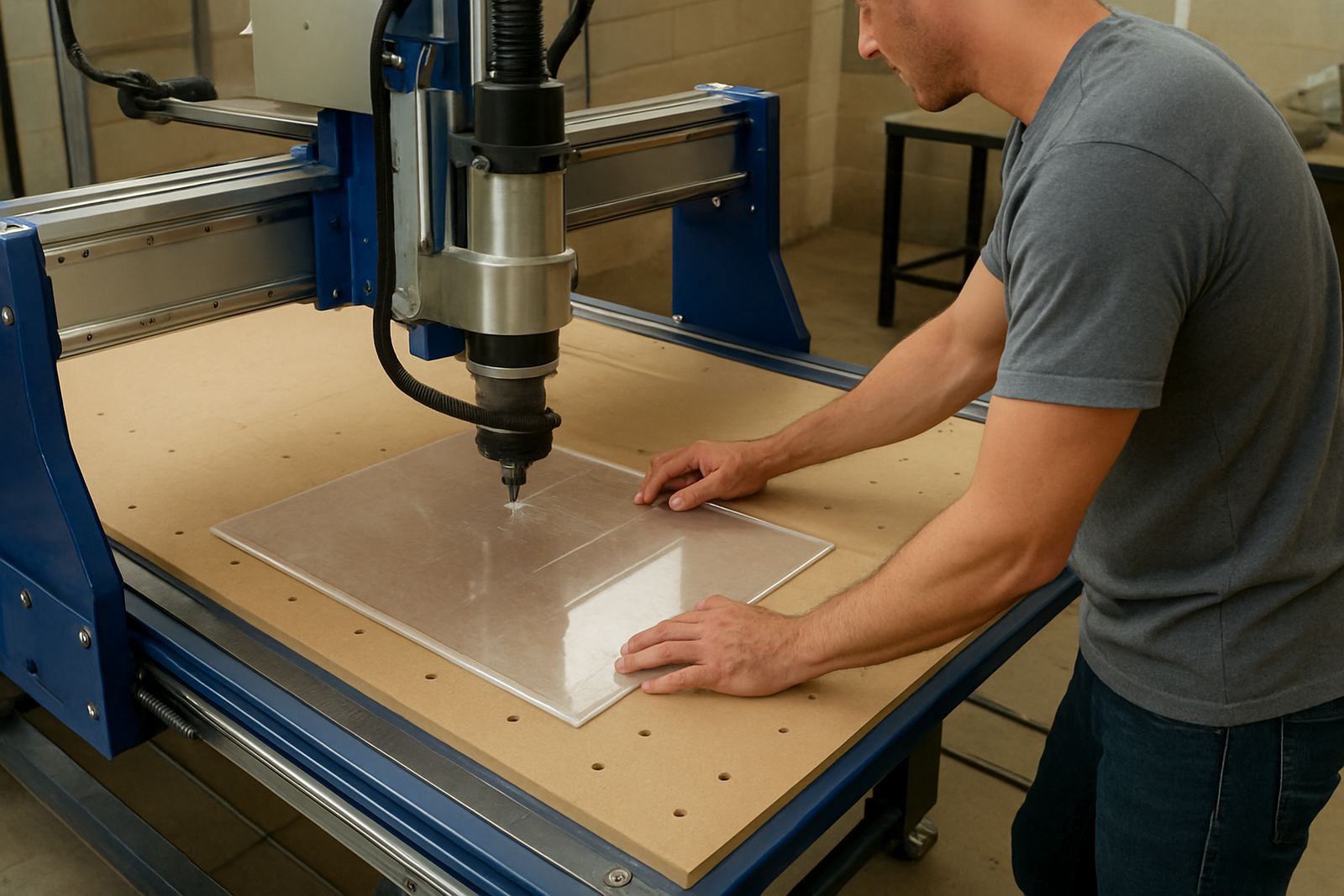
| Typical materials | Board products, plastics and selected soft metals |
| Working format | Entry, mid-range and production cell configurations |
| Power | Usually three-phase supply, site dependent |
| Support options | Installation, commissioning, training and maintenance |
| Location | Germiston base with installs across South Africa |