Built for cleaner acrylic edges and steadier feed control
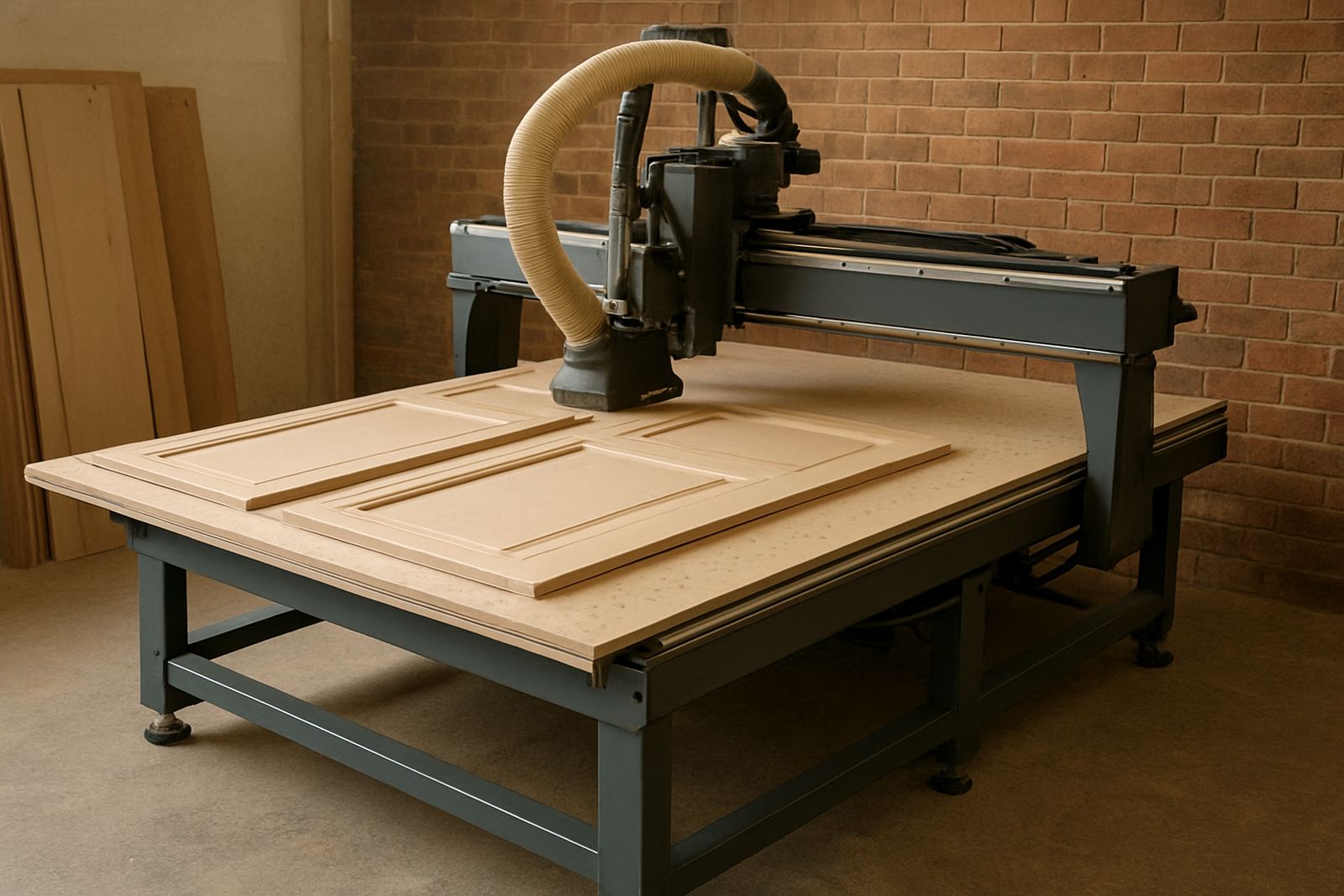
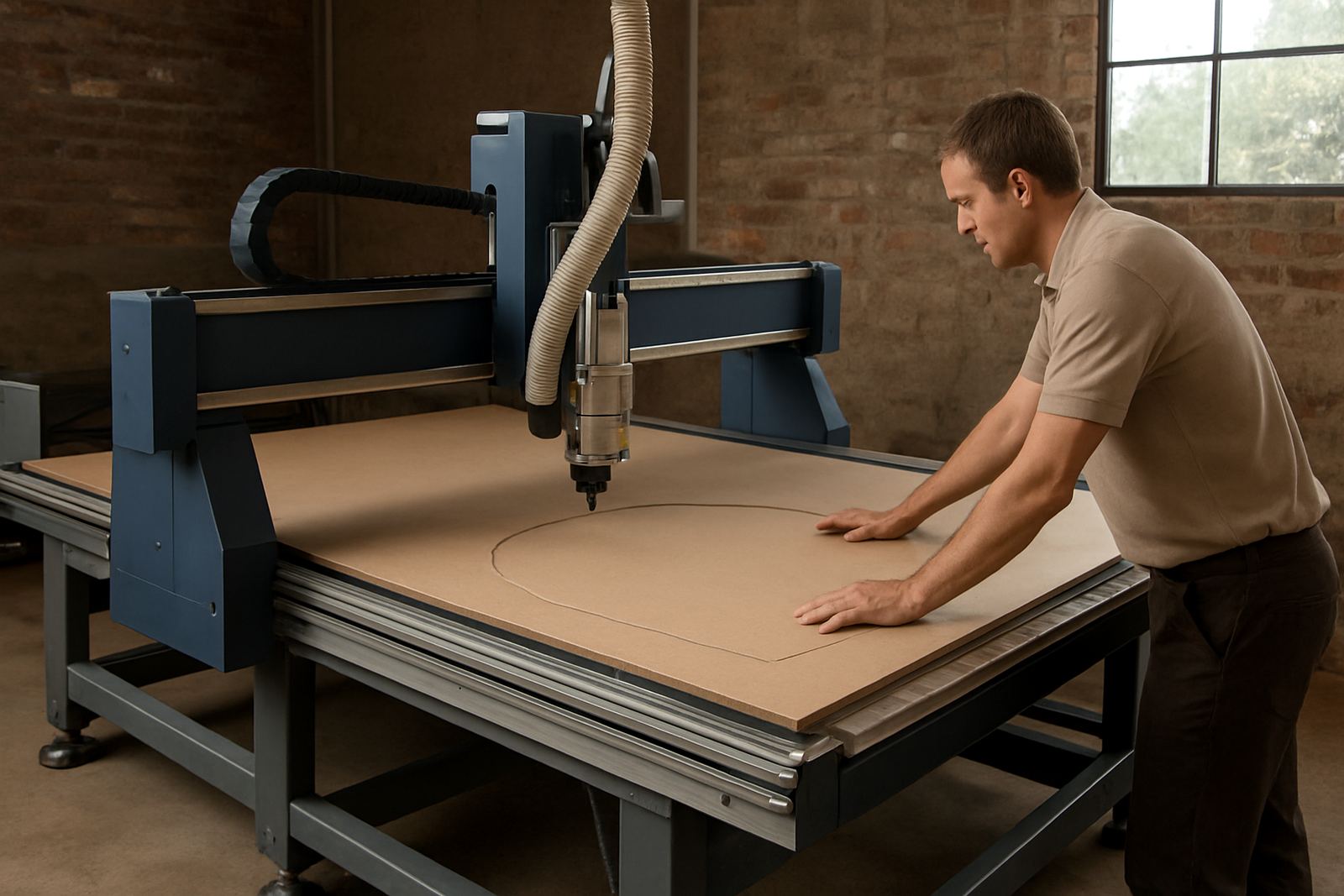
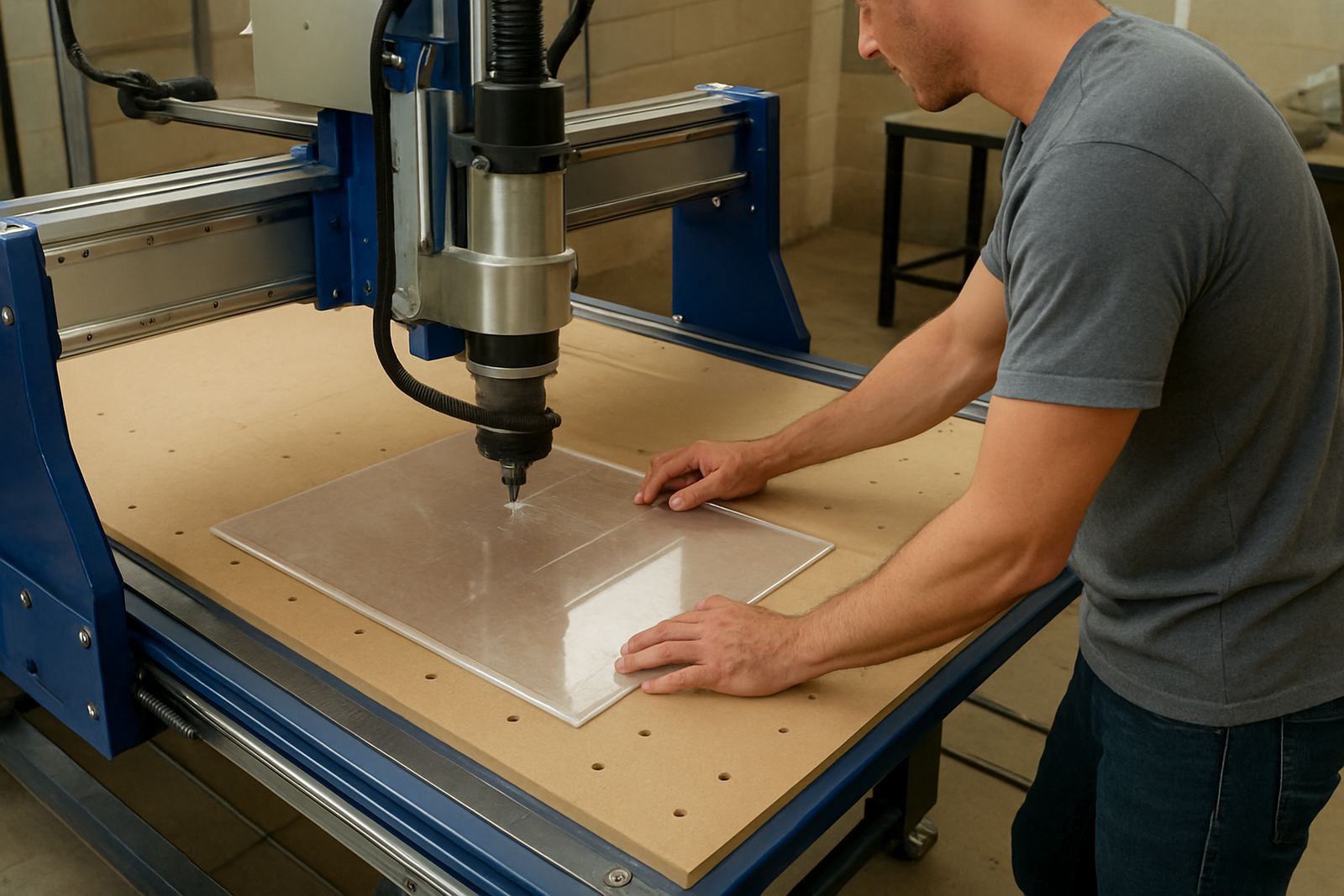
Acrylic cuts best when the machine holds speed, stays square and clears chips fast enough to keep heat down. This router setup is aimed at that job, with stable gantry movement, accurate axis control and tooling guidance that helps reduce melt marks on edges. For shops cutting display parts, illuminated letters, point of sale panels or machine guards, the main gain is fewer touch-ups after the cut.
It is suited to both cast and extruded acrylic, though tool choice and feed settings matter. Soft starts, proper hold-down and the right spindle speed can make the difference between a glossy edge and a frosted or melted one. MultiCAM helps with machine selection, tool setup and operator training so the team knows what settings to use for each sheet thickness.
- Cleaner cutting paths on 3 mm, 5 mm and 10 mm acrylic
- Lower risk of edge melt where feeds and spindle speed are matched properly
- Suitable for profile cutting, pocketing and shaped sign parts
- Works well with extraction to keep chips off the table and out of the cut
Sizes and table options for local workshop space
Workshops in Johannesburg, Durban or Cape Town do not all have the same floor space, so the machine range is offered in table sizes that suit small sign shops as well as higher volume fabrication rooms. Common bed sizes include 1.2 m x 2.4 m, 1.5 m x 3.0 m and larger formats for full sheet nesting. If your work is mainly acrylic and plastic sheet, a smaller bed may be enough. If you also cut aluminium composite panel, PVC and furniture parts, a larger table gives more flexibility.
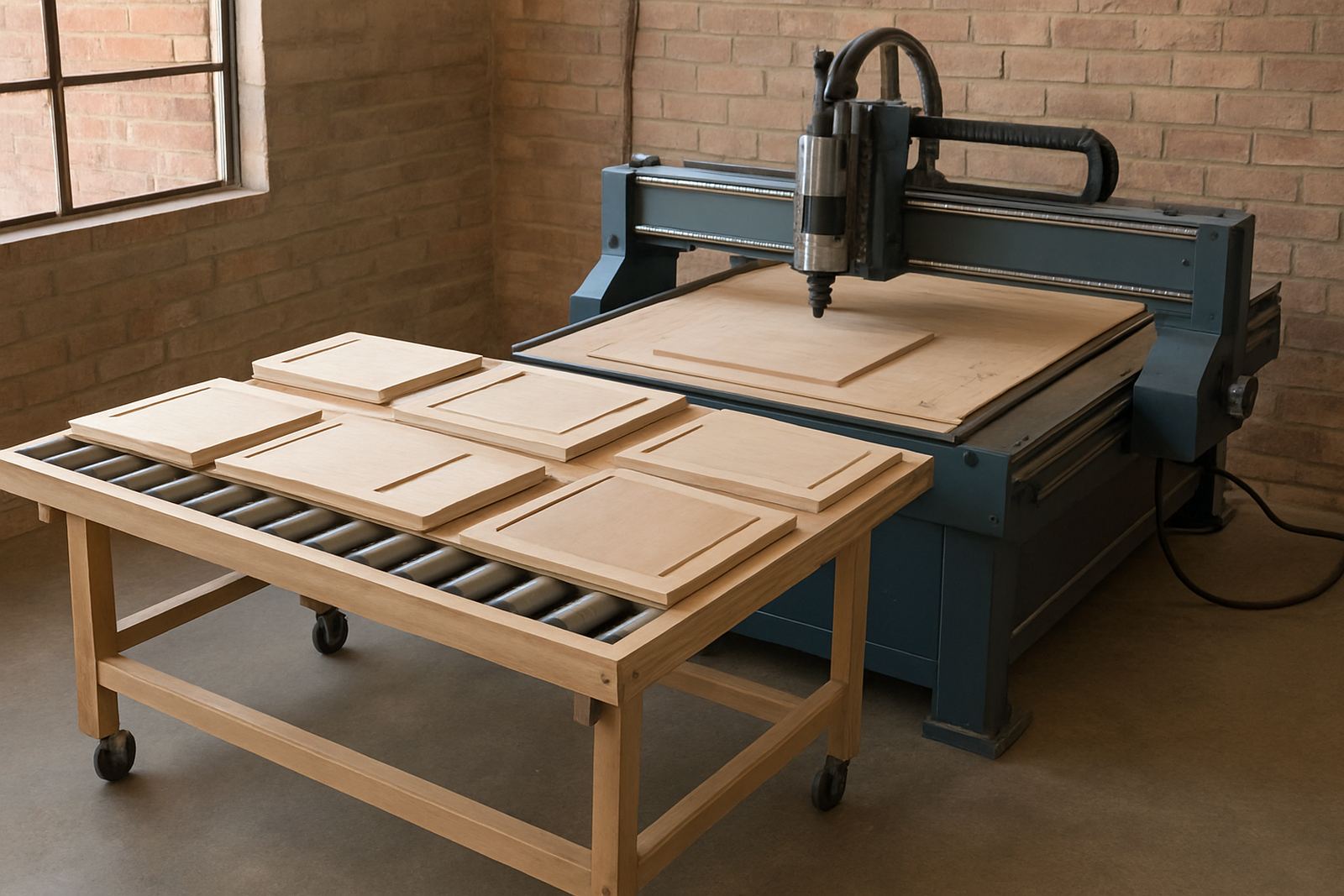
Table choice also affects loading. A vacuum table speeds up nesting work, while a spoilboard setup with clamps can suit mixed jobs and lower batch volumes. In some shops a zoned vacuum table is worth the extra spend because it lets the operator hold small acrylic parts more securely without wasting suction across the whole bed.
- Entry level tables for smaller sign and display work
- Mid-size beds for regular sheet processing and mixed jobs
- Production layouts for nesting, repeat work and faster throughput
- Vacuum table or spoilboard options depending on the job mix
Where this machine fits in South African production
This router suits acrylic sign makers, plastics fabricators, exhibition stand builders, shopfitting teams and furniture makers who need neat cut-outs and repeatable dimensions. It also helps where parts must fit into laser-cut, bent or assembled components later in the process. In coastal areas, especially around Durban North and Cape Town North, the local humidity and airborne moisture make clean storage and regular maintenance more important. Acrylic sheets should be stored flat and away from dust before cutting, because grit can mark the face and spoil the finish.
For Germiston, Midrand and Pretoria East shops, the machine often becomes the main sheet-processing station for both one-off and repeat jobs. It can take work from drawings, templates or nesting files, then cut the parts with a steady finish that is easier to assemble and polish. The aim is not only speed, but fewer surprises once the job reaches finishing or installation.
Installation, power and site needs
Before installation, MultiCAM checks the site for floor space, access, machine lifting, electrical supply and dust extraction. Most routers of this type need a suitable three phase supply, a stable air supply for certain hold-down or tool change systems, and proper earthing. Exact power needs depend on the machine size and spindle arrangement, so it is best to confirm the load during quoting rather than guess later. Where a workshop is affected by load-shedding, backup planning for clean shutdowns, controller backups and restart procedures is worth sorting out early.
Good extraction matters because acrylic chips can cling to the table and recut into the edge. In some workshops, compressed air and extraction are enough, while others need a more balanced dust system to keep the air clear and the cut path clean. If the machine is being moved between premises, the team can assist with relocation, re-levelling and recommissioning so the axes and table return to proper alignment.
- Check floor load, access height and lifting route before delivery
- Confirm three phase power, earthing and cabinet space
- Plan compressed air and extraction points close to the machine
- Allow for startup training and test cuts after commissioning
Care, servicing and longer term accuracy
Acrylic cutting is easy to lose if the machine gets dirty, loses vacuum or starts running with worn tooling. Regular care includes table cleaning, rail inspection, spindle checks, vacuum leak checks and controller backups. If the router is used hard, preventive maintenance becomes part of the production routine rather than a once-off task. Small issues like a blocked filter, a dull bit or a loose hose can quickly show up as chipped edges or poor part fit.
MultiCAM supports spindle service, machine installation, machine commissioning and operator training, with branch coverage in Germiston, Johannesburg East, Midrand, Pretoria East, Durban North and Cape Town North. If a machine is cutting well today, a good maintenance plan helps keep it that way next month as well. That includes checking tooling setup and dust system balancing, because unstable extraction can affect the finish on acrylic sheets.
What to confirm before placing your order
The best machine choice depends on the sheet sizes you cut, the edge finish you need and the range of materials in the workshop. If you mostly process acrylic, ask about spindle speed range, vacuum hold-down, compatible cutter types and whether the table layout suits your common sheet size. If you also cut plastics, soft metals or aluminium composite panel, tool selection and chip clearing become even more important.
When ordering, have these details ready so the machine is set up correctly for your work:
- Sheet size and average part size
- Material thickness and whether it is cast or extruded acrylic
- Daily job volume and target turnaround time
- Available power supply and compressed air supply
- Space for extraction, loading and offloading
- Need for training, tooling setup and relocation support
For quotes and practical guidance, the Germiston base can help specify the right router and support plan for your workshop, whether you are in Johannesburg or running installs elsewhere in South Africa.
Key facts
| Machine type | CNC router for acrylic sheet cutting and nesting |
|---|---|
| Typical table sizes | 1.2 m x 2.4 m, 1.5 m x 3.0 m, larger formats available |
| Materials | Acrylic, plastics, aluminium composite panel, soft metals and selected sheet materials |
| Power | Usually three phase supply, final requirement depends on machine size and spindle |
| Support options | Installation, commissioning, training, maintenance, spindle service and relocation |
| Best use | Cleaner edges, repeatable parts and reduced melt risk on acrylic |