What a long bed router does in the workshop
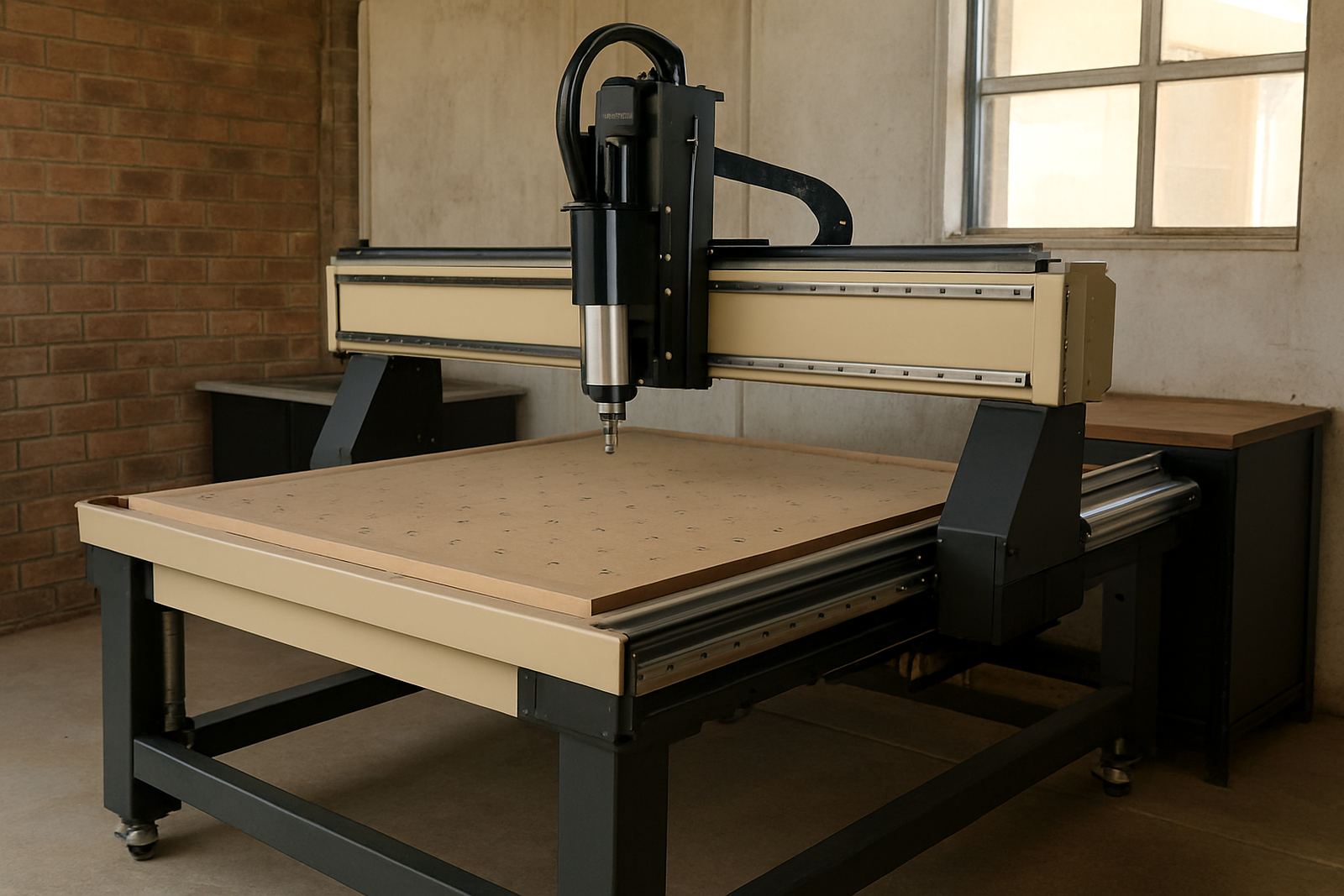
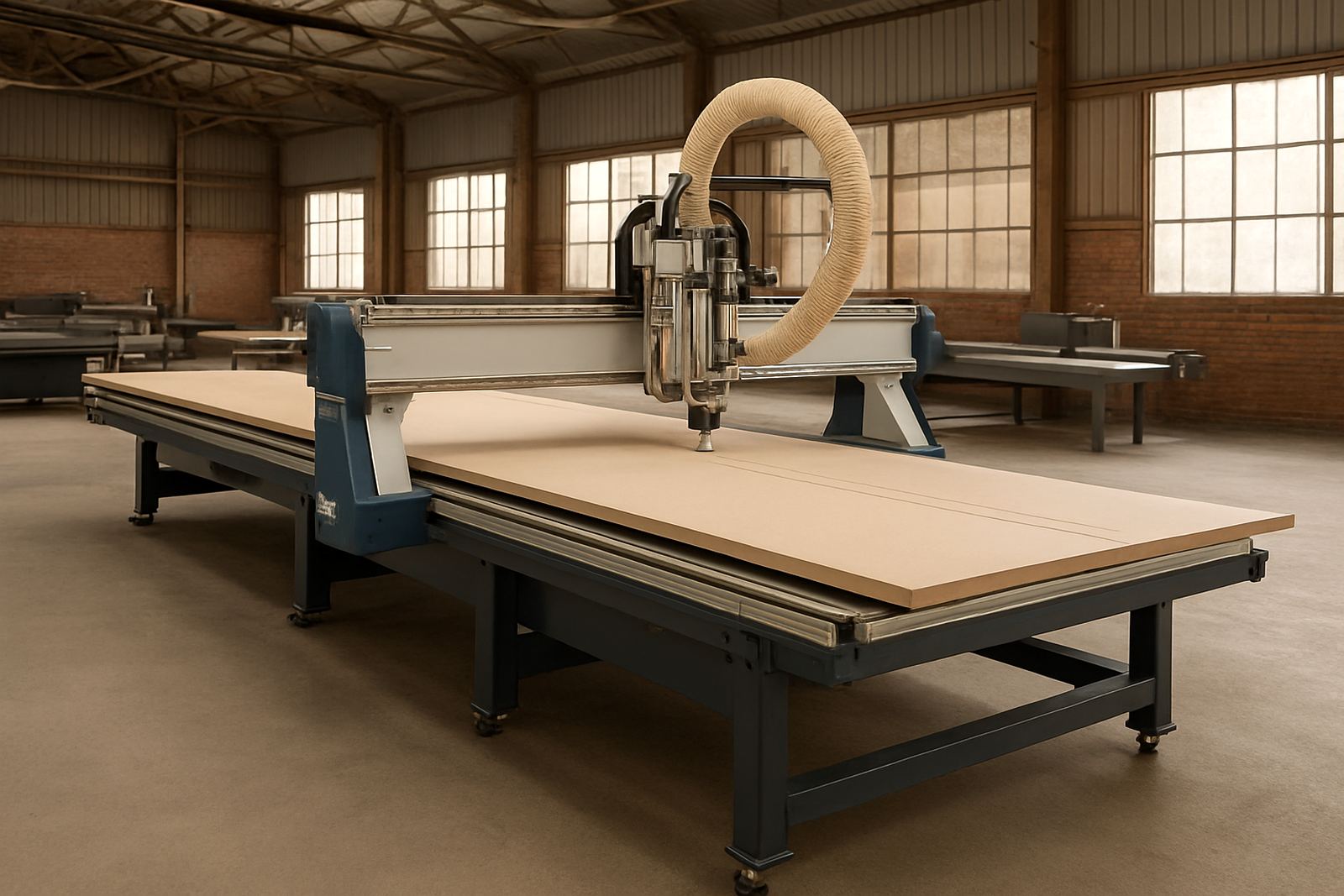
A long bed router gives you extra X travel and a larger working envelope so you can cut full-length boards, nested parts, signage panels and repetitive strip work without breaking the job into too many sections. That matters in busy furniture, joinery and plastics shops where every extra handling step adds time, edge damage and the chance of a sizing error.
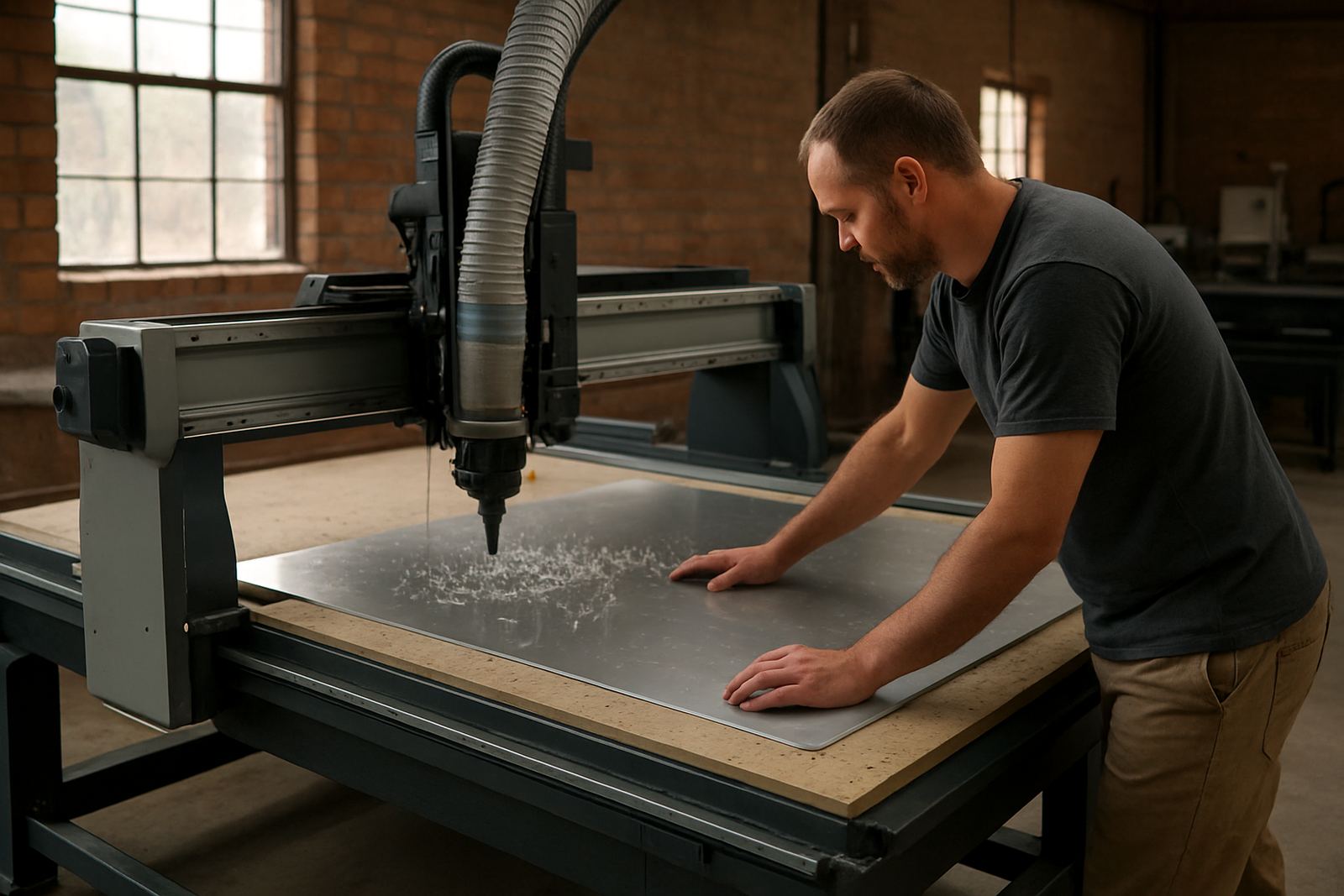
These machines are commonly used for melamine, MDF, plywood, laminated boards, PVC foam sheet, acrylic, HDPE and light aluminium plate, depending on spindle power and tooling. For Johannesburg and other inland workshops, the main benefit is control over large sheets and better repeatability. On the coast, operators also value the ability to keep production moving even when humidity changes board flatness a bit.
- Suited to oversized panels and extended strip runs
- Helps reduce manual re-positioning and measuring errors
- Useful for nesting, profiling, drilling and pocketing
- Can be paired with vacuum hold-down and dust extraction
Bed lengths, table options and machine layouts
Long bed routers are usually specified by cutting area rather than overall frame size. Common formats include 2440 x 1220 mm for full sheet work, 2440 x 2440 mm for larger format handling, and extended beds such as 3000 mm, 3660 mm, 4300 mm or longer for strip cutting and multi-part production. The right size depends on the largest sheet you handle, how often you run it, and whether you need room for load and unload at the same station.
Table choice also matters. A vacuum table is ideal for sheet goods and nesting, while a spoilboard or hybrid setup can suit mixed work and lower cost entry machines. Some workshops prefer a long bed with sectioned vacuum zones so they can clamp smaller jobs without wasting suction. If you are in a fittery with limited floor space, a through-feed style layout can save room and improve flow.
- Vacuum table for sheet nesting and flat panel work
- Spoilboard for mixed materials and lower entry cost
- Sectioned zones to handle smaller parts efficiently
- Optional automatic tool change for higher output
Where a long bed machine pays its way
Long bed routers suit cabinet shops, shopfitting teams, display fabricators, plastic processors and furniture makers who run repeated parts or oversized sheets every week. They are also practical for sign shops that cut large face panels, routed lettering backers and layered components. If your team spends time aligning boards by hand or trimming oversize stock on a saw before routing, a long bed can cut out a fair amount of back-and-forth.
In South Africa, the biggest gain is often labour efficiency. Instead of moving material from one machine to another, one operator can load, cut and offload with less handling. That helps during peak orders, stage fit-outs and municipal tender work where delivery dates are fixed and there is no space for rework. On smaller sites in Germiston, Midrand or Pretoria East, a long bed machine can still fit neatly if the workshop flow is planned properly.
- Furniture components and cabinet parts
- Shopfitting, signage and display panels
- Plastic sheets and light aluminium parts
- Repeated long strips, rails and profiles
Power, air and install needs for South African sites
Most long bed routers need a stable 3 phase electrical supply, a properly sized isolator and clean earthing. Exact power draw depends on spindle size, drive system and dust extraction load, so we confirm the site details before install. If your workshop is affected by load-shedding, it helps to plan for safe shutdown procedure, controller backup and sensible restart settings rather than trying to push through unstable supply.
Air supply is needed where pneumatic clamps, pop-up pins or auto tool change systems are fitted. Dust extraction must also be matched to the machine size, because a long bed throws more chips over a larger area and poor suction leads to mess, heat build-up and shorter tool life. For coastal sites around Durban North or Cape Town North, we also look at moisture and corrosion control in the cabinet and any exposed fittings.
- 3 phase power recommended for most production units
- Clean earthing and correct breaker sizing are important
- Dry compressed air for clamping and tool change systems
- Dust extraction should suit the table size and material mix
Keeping cut quality steady over long runs
A long bed machine is only as good as its setup, tooling and maintenance rhythm. Spindle condition, vacuum leaks, rail cleanliness and tool wear all show up quickly when you are running long jobs. MultiCAM supports practical servicing that keeps the machine cutting square and true, with attention to bearings, belts where fitted, lubrication points and controller backups.
For operators, a clear routine matters more than fancy settings. Check hold-down before every batch, inspect the cutter after abrasive materials, and record feed and speed notes so the next shift does not have to guess. We also help teams set up tool libraries and simple job sheets so the same board does not get recut because someone changed a setting without writing it down, which happens more often than people admit.
- Preventive maintenance and spindle service
- Vacuum leak checks and dust system balancing
- Controller backups and operator training
- Tooling setup for wood, plastics and soft metals
What to verify before placing your order
Before ordering, check the largest sheet size, maximum part length, daily workload, material types and available floor space. It also helps to know whether you need manual loading, side loading, front loading or a more automated cell. The more varied the job mix, the more important it is to choose a table and spindle package that leaves room for growth without overbuying on day one.
We normally ask about power supply, air supply, extraction, access doors, floor level, delivery route and whether the machine must be moved through a roller shutter or lifted over a lip. On some sites, relocation planning is nearly as important as the machine itself. If you are expanding in Johannesburg East, Midrand or Pretoria East, a proper site check saves time later and keeps commissioning straightforward.
- Largest board size and longest part length
- Material types, thicknesses and cutting frequency
- Available power, air and extraction capacity
- Access for delivery, install and future servicing
Key facts
| Machine type | Long bed CNC router for sheet, strip and panel processing |
|---|---|
| Cutting area | From 2440 x 1220 mm up to extended long-bed formats |
| Materials | Wood, MDF, plywood, plastics, acrylic, PVC foam and soft metals |
| Table options | Vacuum table, sectional vacuum, spoilboard or hybrid layout |
| Power | Typically 3 phase, final requirement depends on spindle and options |
| Support | Installation, commissioning, maintenance, training and tooling setup from Germiston |