What a manual toolchange router does in the workshop
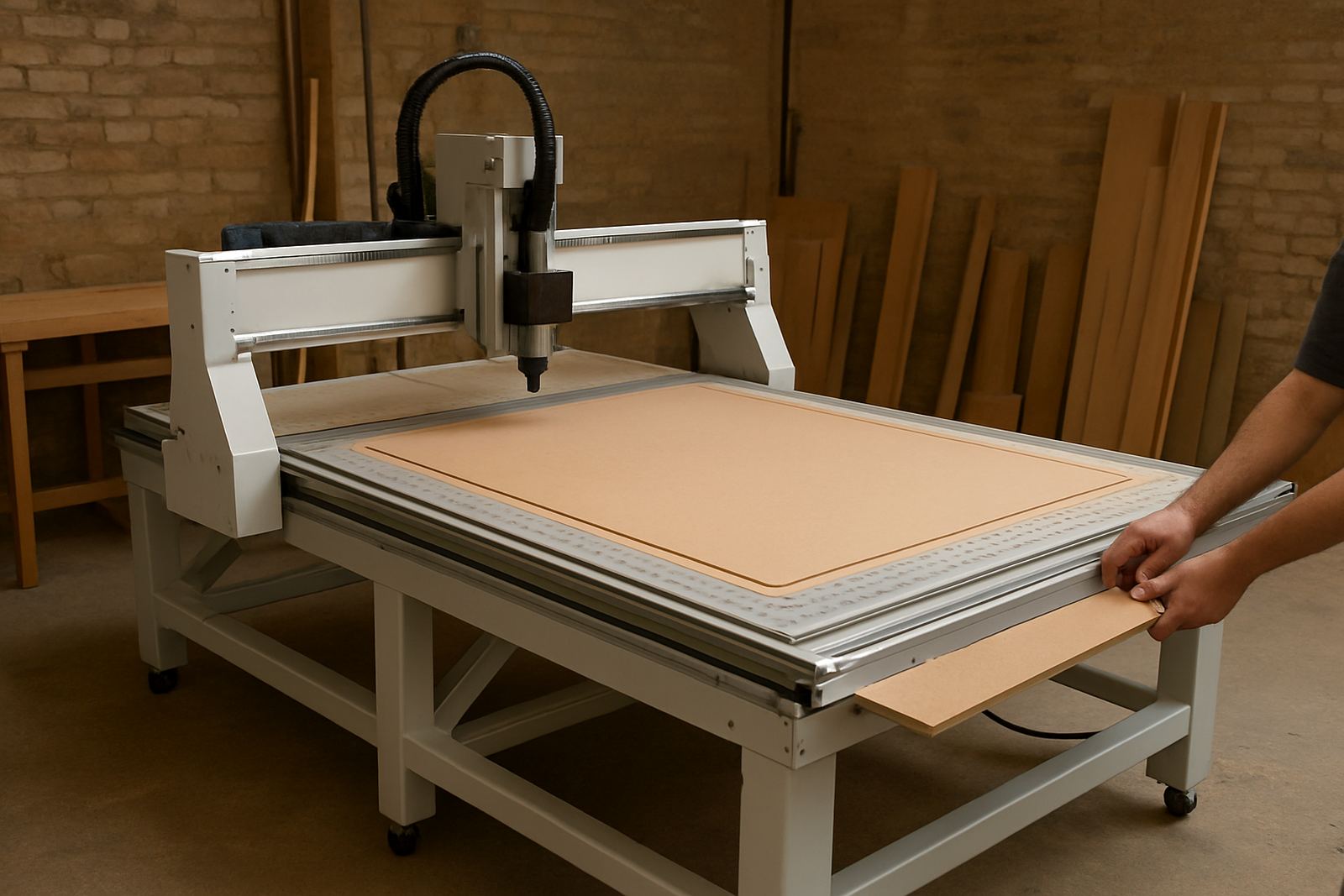
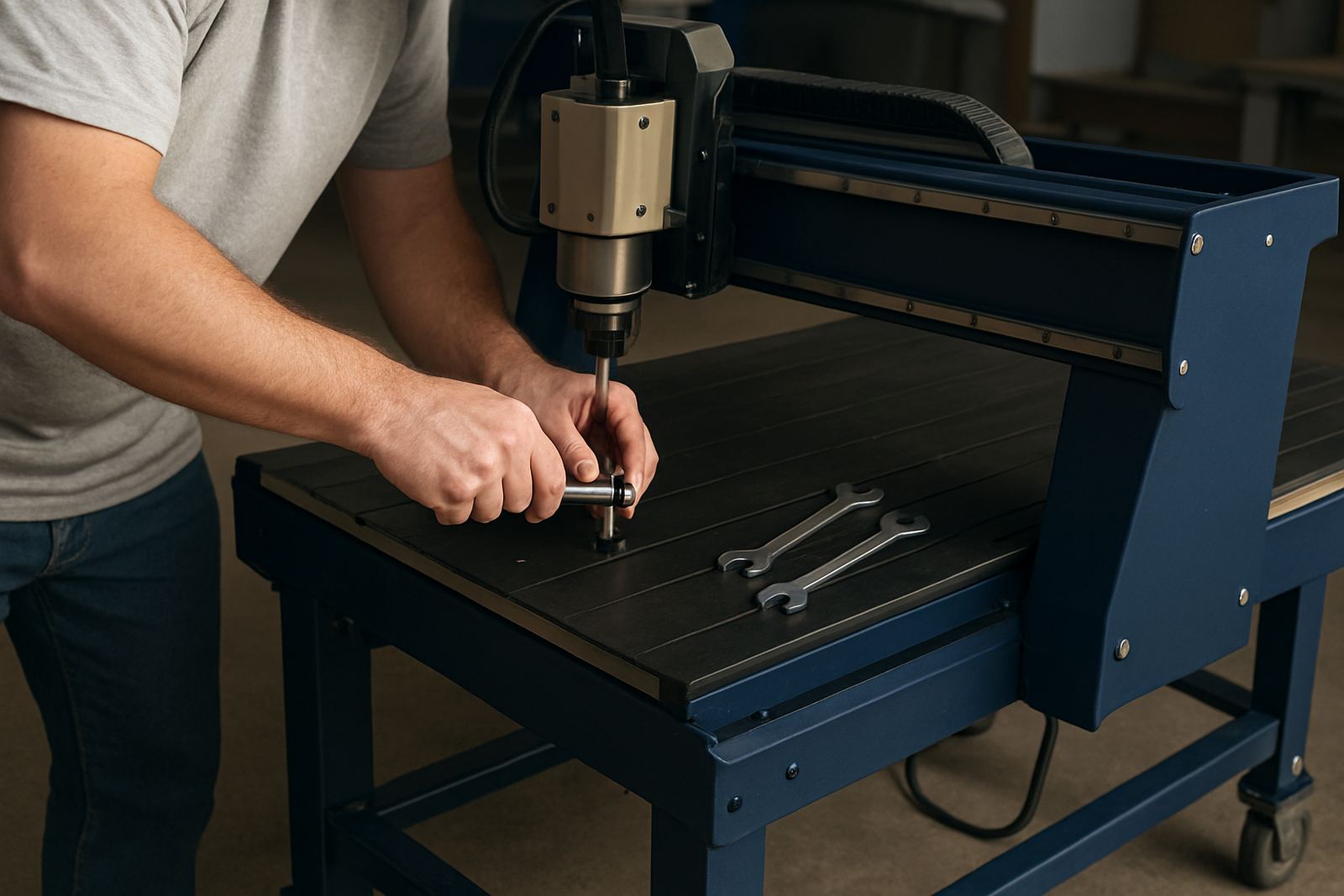
A manual toolchange router is a CNC machine where the operator changes cutters by hand between operations. That keeps the machine format straightforward, lowers the number of moving parts and helps control the purchase price. For many workshops this is a sensible middle ground: enough automation to cut, profile and nest parts accurately, but not so much complexity that the team spends time wrestling with software options or extra mechanisms.
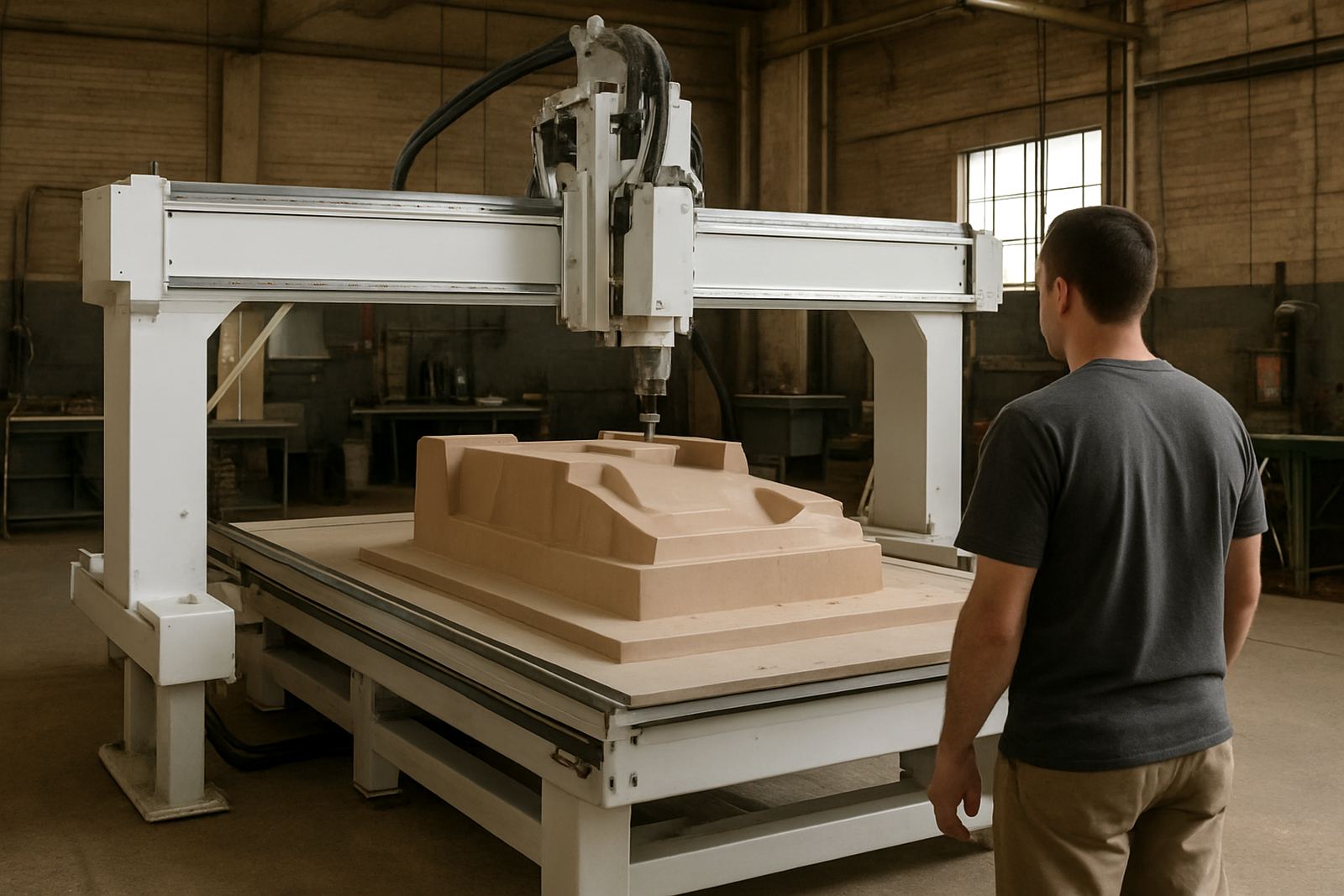
These routers are commonly used for cabinet panels, shopfitting parts, display work, lettering, templates and flat sheet components. They suit teams that want repeatable output, but still like a direct working style where the operator sees the tool, checks the cut and moves on with confidence. In many South African shops that matters because schedules are tight and downtime is costly.
MultiCAM supplies manual toolchange routers with clear setup guidance so the first jobs are practical, not a learning exercise. The focus is on reliable cutting, sensible spindle choices and table options that fit local workshop space.
Sizes, table options and machine layouts
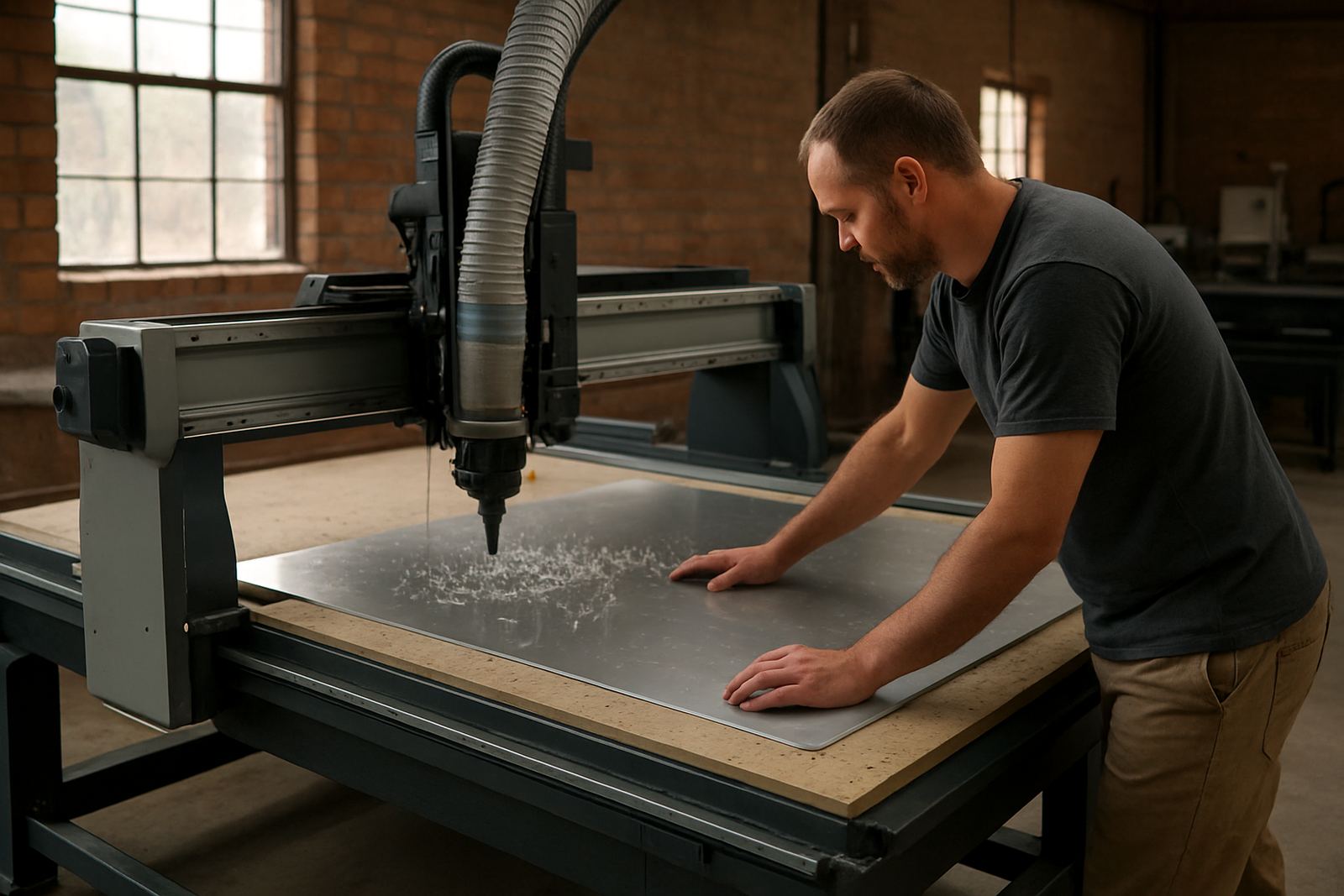
Different workshops need different footprints. Smaller sign and joinery shops may want a compact table for sheet work and offcut use, while production teams often need a larger bed for full boards and better nesting efficiency. Common working areas include 1 300 x 2 500 mm, 2 050 x 3 050 mm and 2 200 x 4 100 mm, with larger configurations available for busier factories. A bigger table reduces repositioning and can improve material yield, especially on MDF, melamine, acrylic and aluminium composite sheets.
Table choice depends on what is cut most often and how the workshop handles loading. Vacuum tables are useful for flat sheet work and repeat runs, while combination or zoned setups help when parts vary in size. Some teams prefer a spoilboard arrangement for flexible fixturing. If parts are small or shaped irregularly, hold down planning becomes important so the machine can stay productive without constant manual intervention.
- Working area can be matched to standard sheet sizes used in South Africa
- Vacuum zoning helps when running mixed part sizes
- Spoilboards are practical where clamping changes often
- Compact footprints suit smaller premises with limited floor space
Where this format suits best
This router format suits workshops that cut enough volume to justify CNC, but want lower complexity than a fully automatic cell. It works well for cabinet shops, exhibition builders, joinery firms, signage teams and light industrial manufacturers. If the job mix changes often, manual toolchange can be a good fit because the operator can move between cutters without waiting on a tool magazine cycle.
It is also practical where training needs to stay manageable. Not every team has a full time programmer and many shops need machines that can be learnt by competent operators in a short period. A manual toolchange system keeps the process clear. The cutter is chosen for the material, the tool is set correctly and the job runs with fewer surprises.
For coastal workshops, care around humidity and dust extraction matters. In Durban or Cape Town, as well as inland shops around Germiston and Midrand, a controlled environment helps protect the table, spindle and electrical components. Good housekeeping is not optional when fine dust and moisture are in the same room.
Installation, power and workshop readiness
Before installation, the floor space, access route and power supply must be checked. Most manual toolchange routers need a stable three phase supply, a suitable earthing arrangement and enough clean air for any pneumatic functions. Exact supply depends on the machine size and spindle specification, but planning around 380 V to 400 V three phase is common in South African workshops. A suitable compressor may also be needed if the table or tool holding uses air assisted functions.
The machine also needs proper dust extraction. Without it, cut quality drops, operators breathe in more dust and the machine stays dirty. On busy sites MultiCAM can assist with dust system balancing so airflow matches the router and the pipework does not choke the machine. A vacuum leak check is also worth doing on table systems, because small leaks quickly affect hold down performance.
- Confirm floor loading and entry widths before delivery
- Check power capacity and phase stability on site
- Allow for dust extraction and any compressor supply
- Plan safe loading space for boards, tooling and maintenance access
Care, servicing and keeping cut quality steady
A manual toolchange router is simpler than many higher automation systems, but it still needs routine care. Daily cleaning around the table, gantry, rails and spindle area helps keep accuracy stable. Dust buildup causes wear, affects movement and can lead to false readings on the machine. If the shop runs in a humid area or near the coast, regular inspection is even more important.
Scheduled maintenance should cover spindle service, controller backups, lubrication checks and inspection of cables, hoses and vacuum lines. Operator training should not end after commissioning. A trained operator knows how to set tools correctly, listen for spindle changes and notice when a job is not cutting as expected. That saves material and reduces avoidable callouts.
MultiCAM supports preventive maintenance, machine commissioning and operator training across Johannesburg East, Midrand Service, Pretoria East, Durban North and Cape Town North, with Germiston Support as the base for local response. That helps workshops keep production moving when deadlines are tight or load-shedding has disrupted the week.
What to check before you order
Before selecting a manual toolchange router, it helps to define the work first. The right machine is the one that matches materials, sheet sizes and daily output, not just the biggest bed available. A clear sample list of jobs will make the selection much easier for the team and avoids paying for capacity that will never be used.
Useful order checks include spindle power, table style, vacuum requirements, controller preference, tooling range and whether the machine will need relocation in future. If the workshop plans to cut soft metals as well as wood and plastics, tool choice and table support should be discussed early. For cabinet and nesting work, edge quality and feed stability matter just as much as raw speed.
- Typical materials: MDF, plywood, melamine, acrylic, PVC board and soft aluminium
- Sheet size and maximum part size
- Expected daily production hours
- Need for vacuum table, spoilboard or clamping fixtures
- Available power, dust extraction and compressed air
Key facts
| Machine type | Manual toolchange CNC router |
|---|---|
| Working area | From compact formats to full sheet beds, commonly 1 300 x 2 500 mm up to 2 200 x 4 100 mm |
| Materials | Wood, plastics, composites and soft metals |
| Power | Typically 380 V to 400 V three phase, subject to machine size |
| Tooling | Manual cutter change with operator selected tools |
| Support | Installation, commissioning, training, maintenance, vacuum leak checks and dust system balancing |