How a vacuum table router holds sheet material
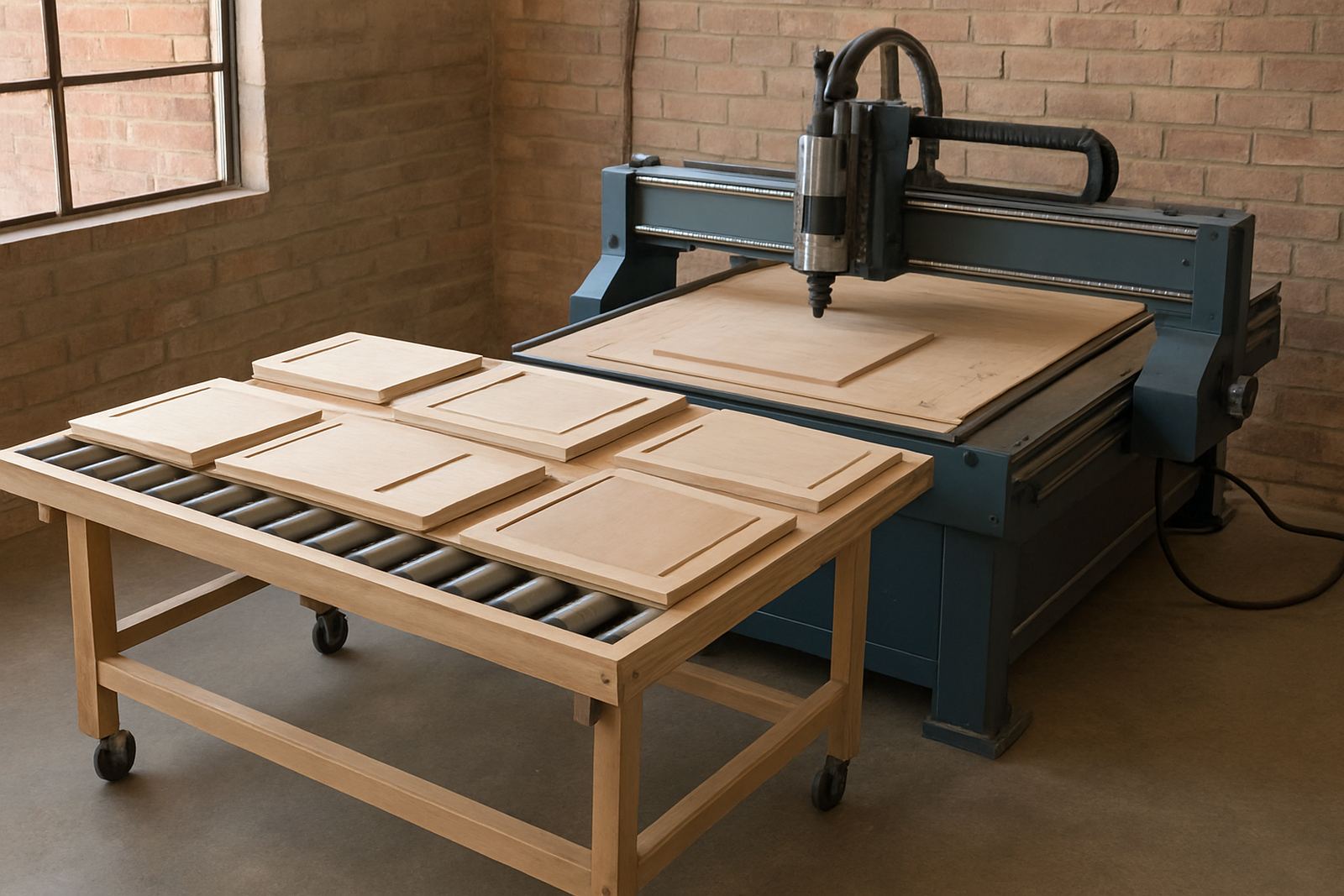
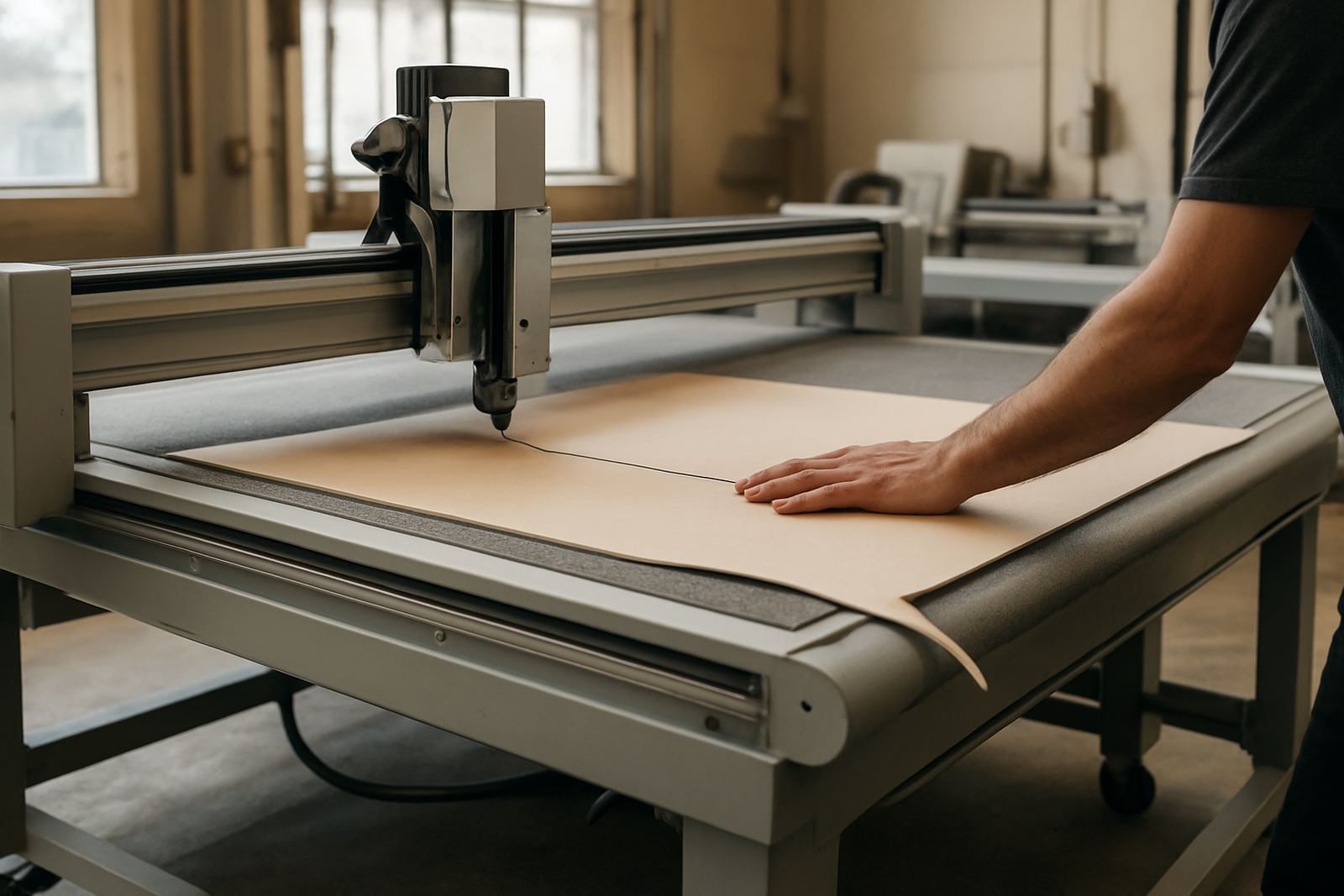
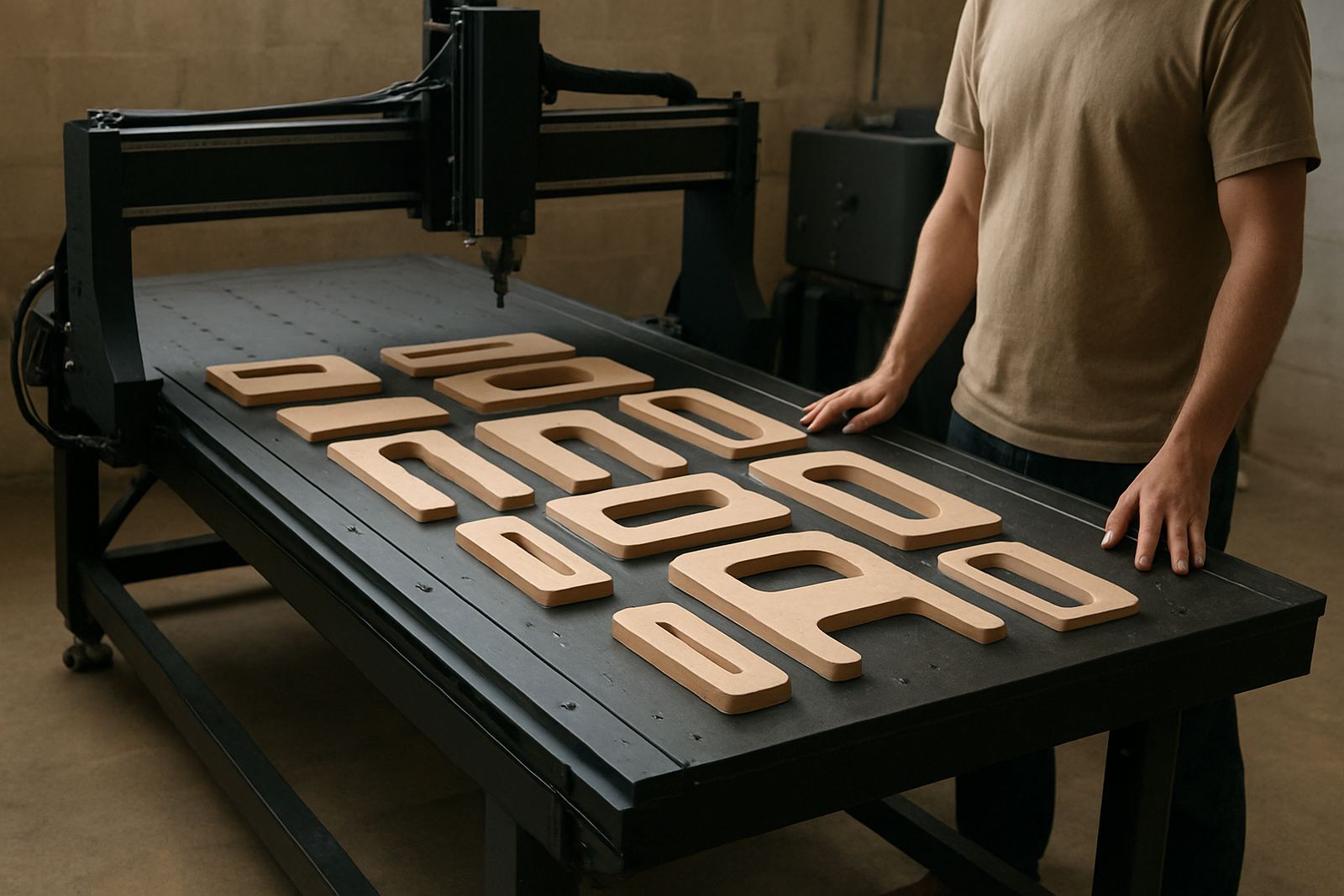
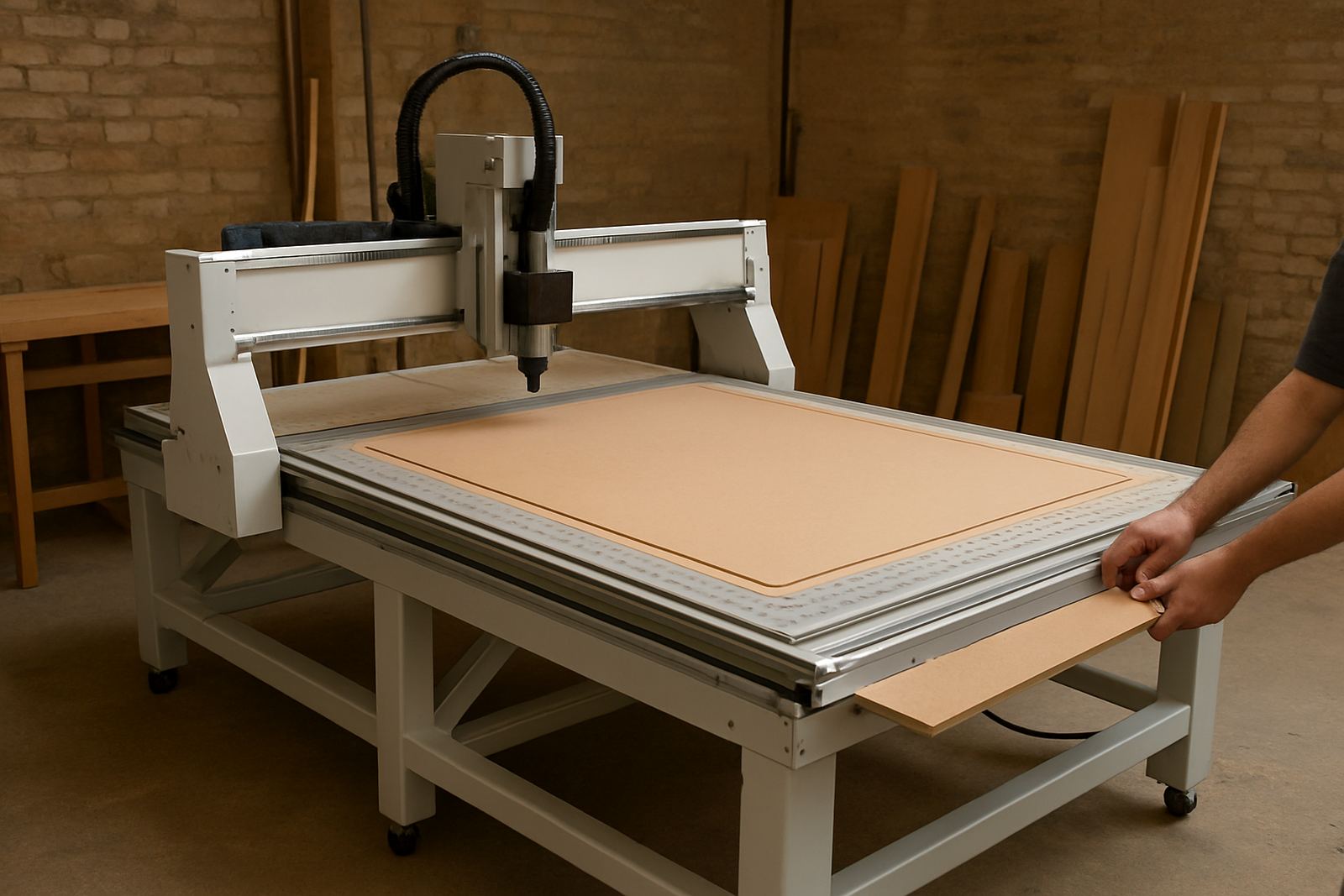
A vacuum table router uses suction zones under a perforated or faced table to pull flat sheet material down against the bed. That grip replaces a lot of manual clamping, which is useful when you are nesting many parts from one board and want clean edges without clamp scars in the cutting path.
For South African workshops, the main benefit is consistency. On a busy day in Germiston, Pretoria East or Durban North, an operator can load a sheet, start the program and trust the material will stay flat if the hold-down is set up properly. It works well for melamine boards, plywood, acrylic, HDPE and other sheet goods, with the right tooling and feed rates for each job.
- Better hold-down for nested parts and repeated cutting paths
- Less time spent positioning clamps and fixtures
- Cleaner sheets after cutting, especially near edges and corners
- Useful for panel sizes that are hard to secure by hand
Table sizes and layout options for different shops
MultiCAM vacuum table routers are selected to suit the size of the sheet work you actually run. Smaller entry machines suit sign shops and custom joinery teams, while larger tables are suited to cabinet factories and production work where 2440 x 1220 mm sheets are common and longer boards may also need support.
Table design can be matched to the work mix, with zoned vacuum areas, spoilboard facing and optional fixtures for jobs that need more focused suction. If a shop in Midrand or Cape Town North handles mixed batches, zoning helps conserve vacuum on smaller parts. If a plant runs heavy daily output, a larger table with better dust control and solid levelling is usually the better call.
- Common sheet sizes: 2440 x 1220 mm, 3000 x 1500 mm and other custom layouts
- Optional zoned vacuum areas for mixed part sizes
- Sacrificial spoilboard surfaces for through-cutting jobs
- Options for flat sheet nesting, drilling and profile cutting
Where a vacuum table router makes the most sense
This setup suits fabricators that cut sheet material every day and need cleaner throughput than manual routing or constant repositioning. It is a good fit for furniture makers, shopfitters, sign makers, display builders and cabinet shops that want to move from drawing to finished parts with less handling.
It also helps where coastal humidity, dust and temperature changes can affect sheet flatness. In Durban North, for example, a warped board can cause hold-down problems if the spoilboard is worn or the vacuum zoning is not balanced. For Gauteng workshops, voltage stability and dust extraction still matter, because both affect cut quality and machine life.
- Cabinet parts and nesting for carcasses, doors and shelving
- Sign boards, acrylic blanks and display components
- Plastic panels, foam board and soft metal sheets where suitable tooling is used
- Production runs that need repeatable location and fewer setup changes
Installation, power and workshop support needs
A vacuum table router needs proper installation if you want steady hold-down and clean motion. The table must be level, the vacuum lines sealed and the dust extraction arranged so chips do not build up around the bed. If the machine is moved from one site to another, the levelling and alignment should be checked again after installation.
Most systems need a suitable electrical supply, a stable compressed air line for some accessories and enough floor space for loading, unloading and dust removal. In South Africa, it is also sensible to plan around load-shedding. Workshops often add backup power for the control system and safe shutdown, while the vacuum source and motion system are protected from repeated interruptions where possible. Local municipal rules and site safety requirements may also affect dust extraction and noise control.
- Level floor area with space to load full sheets safely
- Correct electrical supply for spindle, control and vacuum equipment
- Compressed air where pneumatic clamps or other accessories are used
- Dust extraction sized for the cutting volume and material type
Care, servicing and day-to-day checking
A vacuum table router performs best when the table surface is kept clean, the seals are checked and the vacuum system is serviced before problems grow. A worn spoilboard can reduce suction, while blocked filters or leaks can make parts shift during cutting. If the table starts losing grip, the first step is usually to check the zoning, hose condition and table face before looking for deeper faults.
Preventive Maintenance helps avoid downtime, especially for shops that run long shifts or weekend production. MultiCAM supports vacuum leak checks, spindle service, controller backups and dust system balancing so the machine stays ready for work. Operators should also be trained to recognise when a sheet is not seated properly or when a program needs a hold-down adjustment.
- Check the spoilboard surface and replace it when it becomes uneven
- Inspect vacuum hoses, seals and filter condition on a schedule
- Keep the table free of offcuts, dust and blocked ports
- Back up controller settings before software or routing changes
What to confirm before ordering a unit
Before ordering, it helps to know the sheet sizes, part nesting style and material list your shop runs most often. That tells you whether a smaller router, a larger production table or a zoned vacuum layout is the better fit. It also affects the spindle rating, tooling choice and dust extraction requirements.
You should also confirm how the machine will be installed at site in Germiston or anywhere else in South Africa. Measure doorway access, floor loading and power availability, then check whether the team needs operator training, machine relocation support or tooling setup. If the workshop cuts thin board, solid timber, plastics or soft metals, say so early because the cutting package changes with each material.
- Sheet size and daily volume
- Material types, thicknesses and finish quality targets
- Available power, air supply and dust extraction
- Need for training, relocation, maintenance or commissioning
Key facts
| Table format | Vacuum hold-down bed for flat sheet cutting |
|---|---|
| Typical work area | From entry size machines to full sheet production tables |
| Materials | Wood, plastics and selected soft metals with correct tooling |
| Vacuum layout | Zoned or full-bed options depending on part size |
| Services | Installation, commissioning, maintenance and operator training |
| Location support | Germiston base with installs across South Africa |