What a spoilboard surfacer does on a CNC table
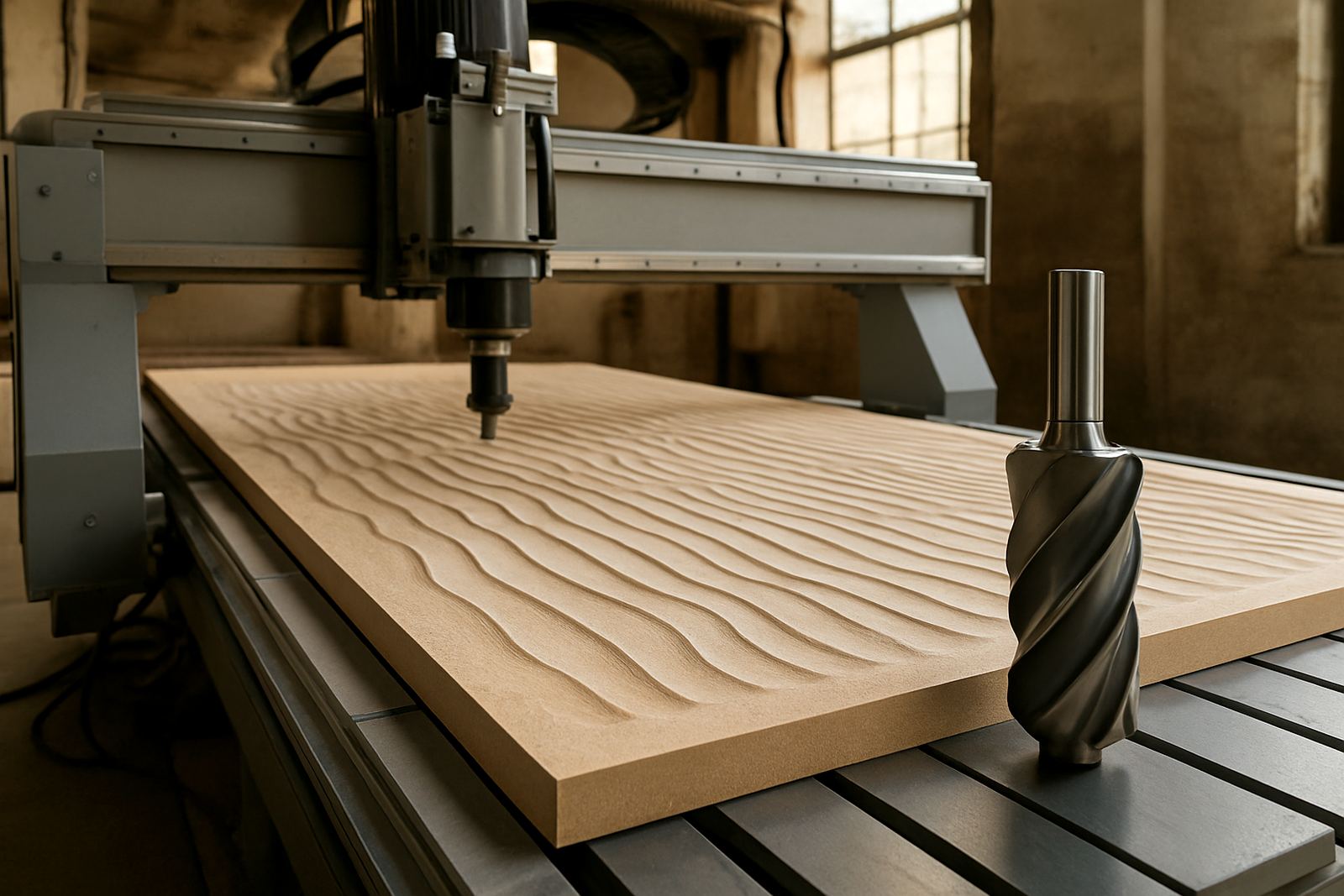
A spoilboard surfacer trims the top layer of the spoilboard across a large area in one pass, leaving a flatter working surface for routing, nesting and panel cutting. It is used on CNC routers where sheets must lie evenly across vacuum zones or a fixed support table, especially when thin panels tend to bridge over high spots or sag into worn sections.
In practical terms, the tool is not about removing lots of material. It is there to restore a true reference surface after repeated cutting, resurfacing and re-clamping. That helps with consistent cut depth, cleaner through-cuts and fewer surprises when you are running melamine, MDF, foam board, acrylic or aluminium composite on the same machine day after day.
Sizes and cutter options for different workshop needs
MultiCAM spoilboard surfacers are supplied in sizes to suit different spindle powers, table widths and production styles. A smaller tool suits entry routers and lighter maintenance work, while wider diameters are better for large sheet tables and production cells where you want fewer passes across a full bed.
- Diameter options commonly suit 80 mm to 200 mm working ranges, depending on spindle load and holder setup
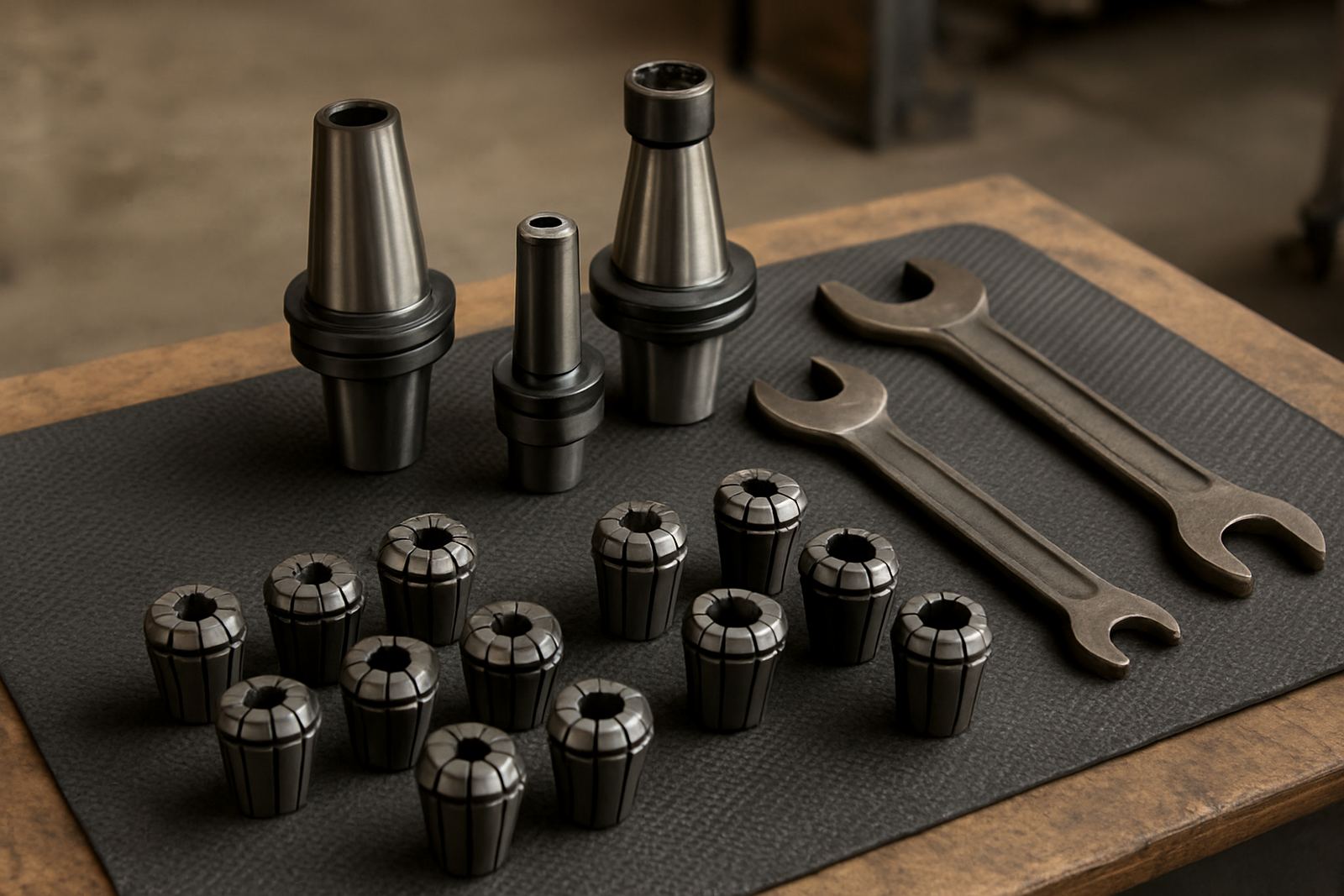
- Shank sizes are matched to the machine spindle collet or tool holder specification
- Insert and carbide tip styles are selected for MDF, particle board, plastic sheet and light alloy surfacing
- Cutting width should suit the machine's axis travel and usable table area
- Balance and body weight matter on high speed spindles, especially where daily use is expected
For many South African workshops, the right choice comes down to how often the spoilboard is refreshed and how wide the table is. A sign shop with smaller nests may not need the same head size as a furniture plant cutting full boards all day.
Where this tool suits best
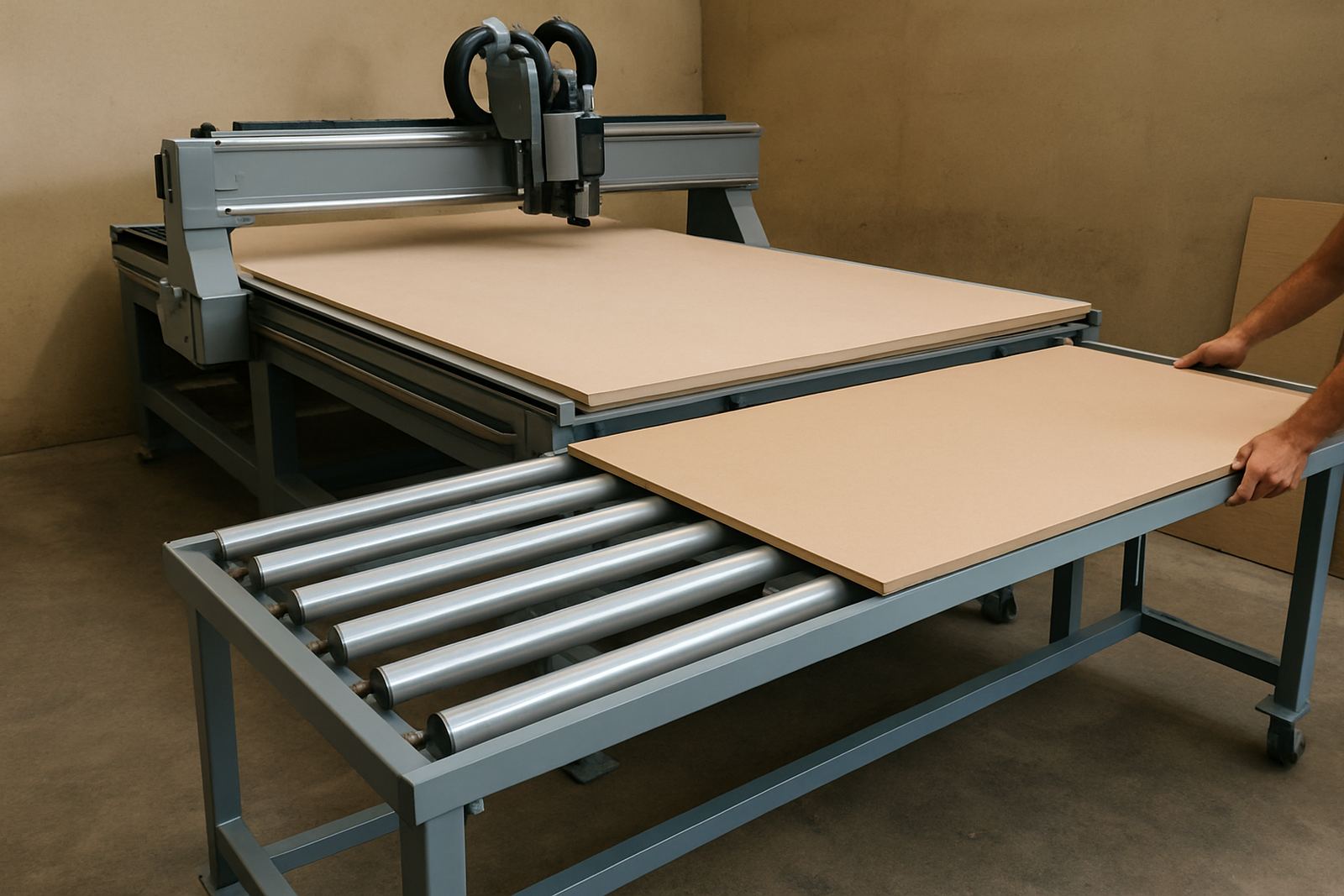
This product suits fabricators who need flatter support across full sheets, not just local touch-up on one corner. It is used in cabinet shops, joinery workshops, sign makers, display manufacturers, plastics fabricators and light industrial CNC rooms that work with nested panels or repeat production runs. In humid coastal areas, regular resurfacing also helps after spoilboards swell or mark unevenly from moisture exposure.
It is useful where tables carry vacuum systems, T-slot fixtures or hybrid support methods. If the bed is not true, vacuum hold-down can lose effectiveness and parts may move slightly under cutting load. That becomes obvious on long jobs, and it can waste material quickly.
- Panel nesting on MDF and chipboard
- Acrylic, PVC foam board and plastic sheet jobs
- Cabinet components and cut-to-size furniture parts
- Repeat sign panel production with tight edge quality needs
- Maintenance work after machine relocation or table rebuilds
Installation checks, spindle needs and workshop requirements
A spoilboard surfacer must be paired to the correct spindle capacity, tool holder and machine travel. The main check is not only whether it fits, but whether the machine can turn it at the correct speed without overloading the spindle or leaving chatter marks. On many CNC routers, that means confirming collet size, spindle power, max RPM and the machine's safe Z clearance before first use.
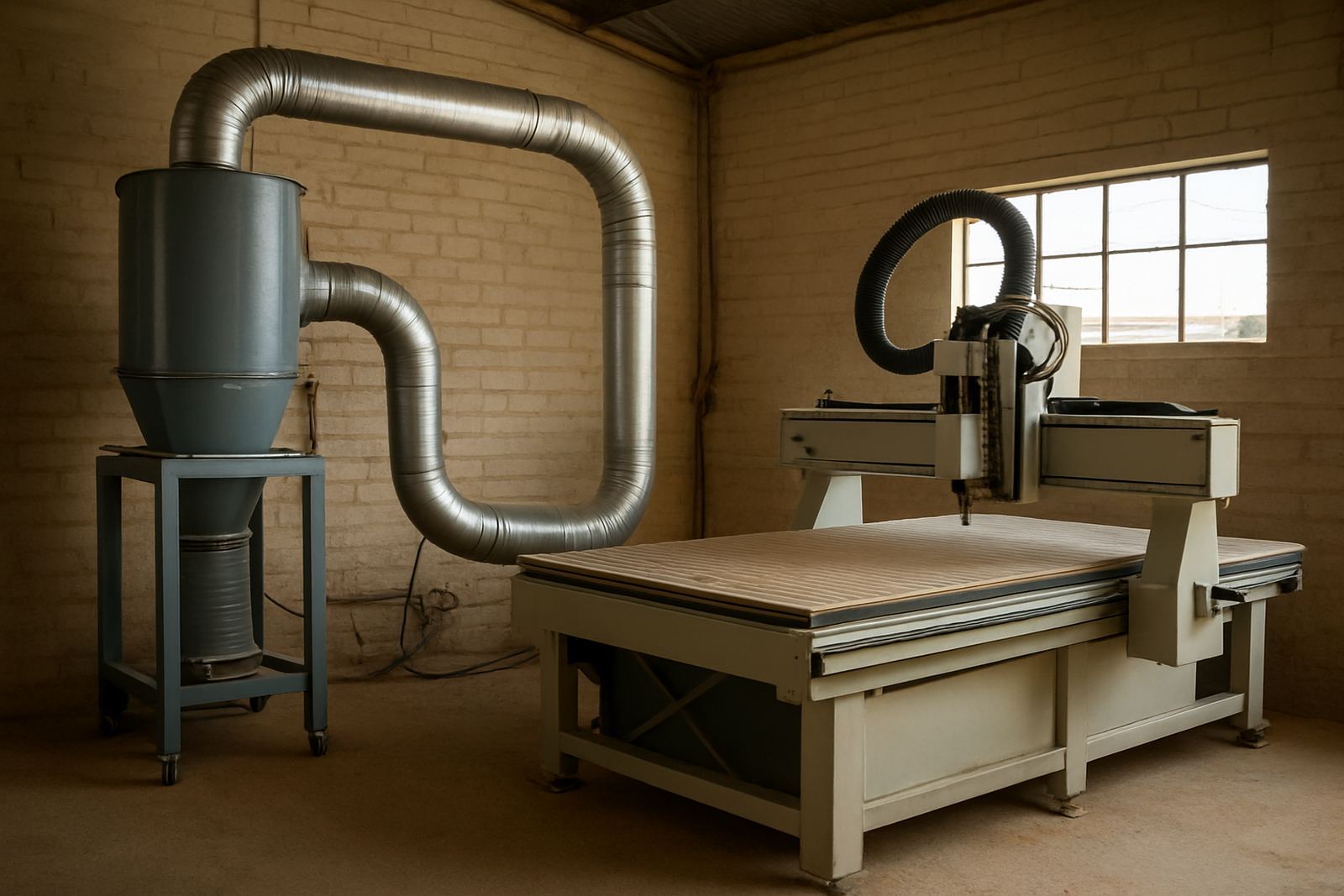
No gas supply is required. Power needs come from the CNC router itself and the spindle drive system already in the workshop. Good extraction is important because surfacing throws a lot of fine dust. In some Germiston and Midrand sites the real issue is not cutting power, it is dust control and vacuum loss when operators rush the setup on a Monday morning.
- Check spindle kW rating and allowable cutter diameter
- Confirm collet or tool holder size before ordering
- Allow enough Z height for the tool body and any adapter
- Make sure dust extraction can handle fine MDF dust
- Verify the table is clear of clamps, screws and fixture blocks
How to use it safely and keep the surface accurate
Before surfacing, inspect the spoilboard for embedded screws, damaged spots or warped sections that need replacing. Set a light and even cut so the tool just kisses the high points on the first pass, then step down only as needed. This is safer for the spindle and it extends the life of the spoilboard. It also keeps the table height more predictable for the next batch of work.
After use, blow off the table, vacuum the channels and note how much material was removed. If the machine shows signs of chatter, uneven tracks or burnt patches, the feed rate or spindle speed may need adjustment. Sometimes the fix is as simple as a better toolpath, sometimes it means checking for vacuum leaks or worn bearings.
Regular care matters. A surfacer left with resin build-up or dull cutting edges will leave ridges and take longer to finish the job. That costs time and can spoil a table that should have lasted much longer.
What to check before you order one
Give the machine team the right details first time and the supply match becomes much easier. Measure the usable table width, confirm spindle type, and note what materials are cut most often. If the workshop runs night shifts or works through load-shedding with backup power, that is worth mentioning too because slower recovery schedules often change how frequently the table is resurfaced.
- Machine make and model, or the spindle specifications
- Table width, axis travel and spoilboard thickness
- Material types to be surfaced most often
- Preferred shank size or tool holder type
- Whether the setup is for routine maintenance or production use
- Any dust extraction limits or vacuum table constraints
MultiCAM helps Johannesburg, Pretoria, Durban and Cape Town workshops choose tooling that suits the real job, not just the catalogue number. For the cleanest result, the surfacer should be matched to the cutter path, the spindle and the way the table is used on the floor.
Key facts
| Product type | Spoilboard surfacing cutter for CNC routers |
|---|---|
| Use | Flattening and refreshing spoilboards on sheet-cutting tables |
| Typical materials | MDF, particle board, plastics and light alloy applications |
| Compatibility | Selected to match spindle power, collet size and machine travel |
| Setup needs | CNC spindle, dust extraction and clear table access |
| Main benefit | Flatter sheet support for better cut depth consistency |