What a knife cutting table does in a South African workshop
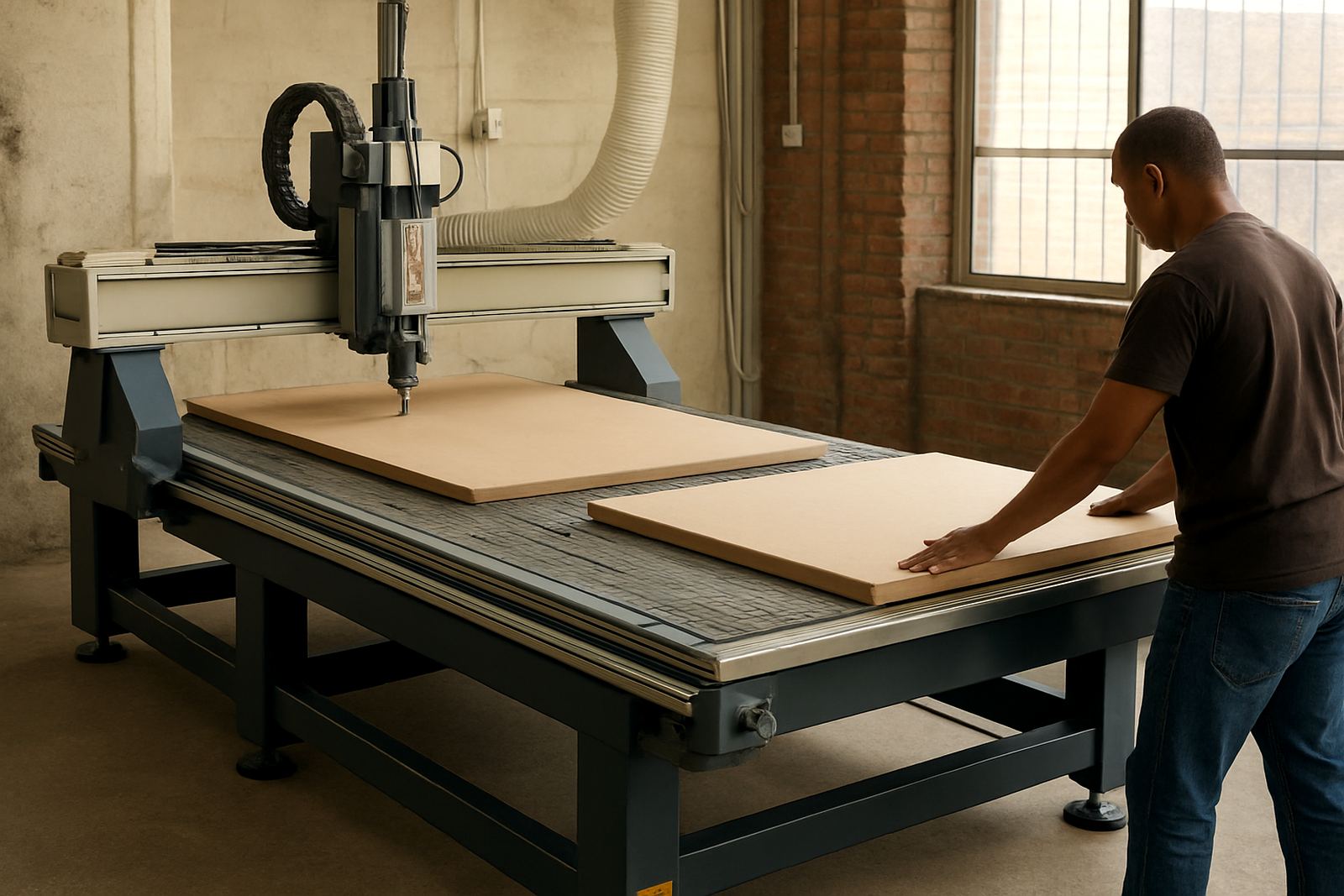
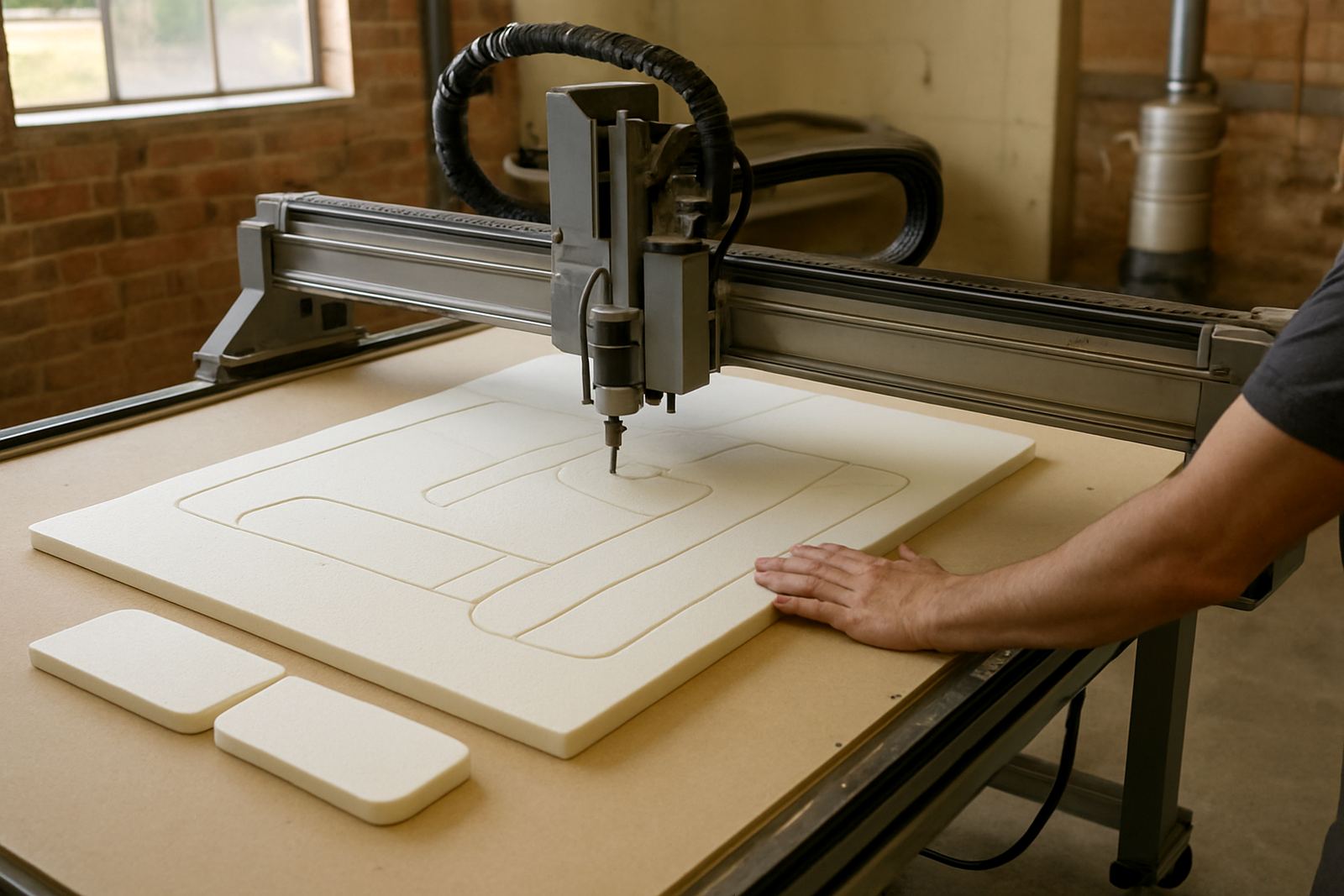
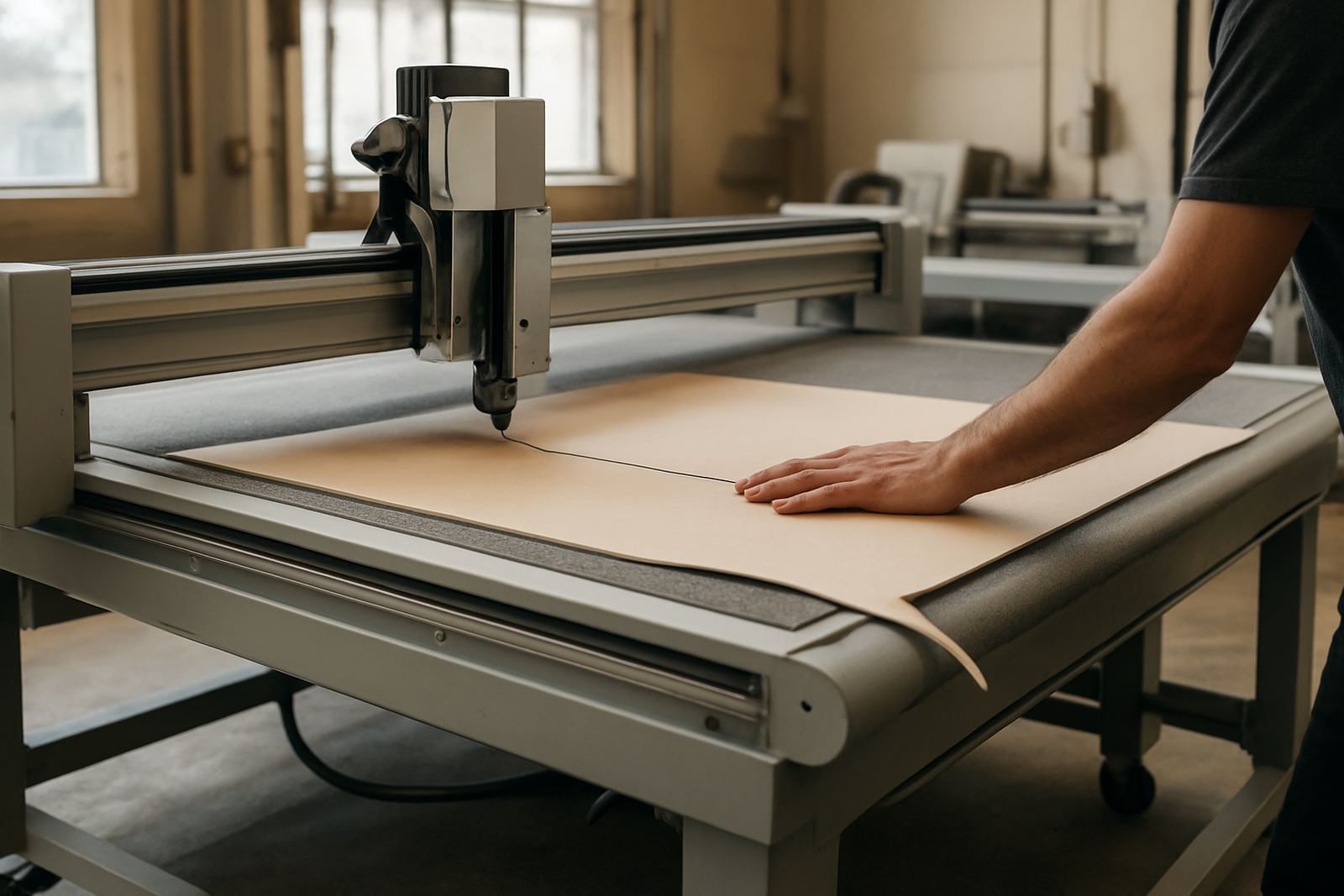
A knife cutting table uses a flatbed surface and a controlled cutting head to trim softer sheet stock without a spinning cutter. That makes it a good fit for jobs that need clean outlines, nested parts and repeatable set sizes on materials that would fray, melt or move under a router. In practice, it helps teams cut faster with fewer edge issues and less waste, especially where jobs change often.
MultiCAM supplies knife cutting tables for fabricators, sign shops and furniture makers who handle foam, leather, rubber sheet, vinyl, gaskets, corrugated board and similar materials. If your workshop works with heat sensitive stock or does not want router dust in the air, this type of machine is often the better choice. It is also a useful option where noise matters, or where a lighter electrical setup is needed.
We help with machine selection, tooling notes and operator setup so the table suits the real work on your floor, not just the brochure. That includes advice on sheet sizes, hold-down method, blade type and the amount of air or power the machine will need. Stefan and the team can also talk through service access, because once a machine is in Germiston or up in Midrand, you want it set up to be maintained without drama.
Size options and table layouts that fit local production
Knife cutting tables are supplied in a few common bed sizes so you can match the machine to the sheet sizes you buy and the floor space you have. Smaller tables suit sample rooms and lighter production, while larger beds suit sign shops, packaging work and furniture support parts that need full sheet handling. If you are cutting from standard imported sheets or local mill stock, we usually recommend matching the bed to the largest practical sheet size rather than forcing every job through a smaller format.
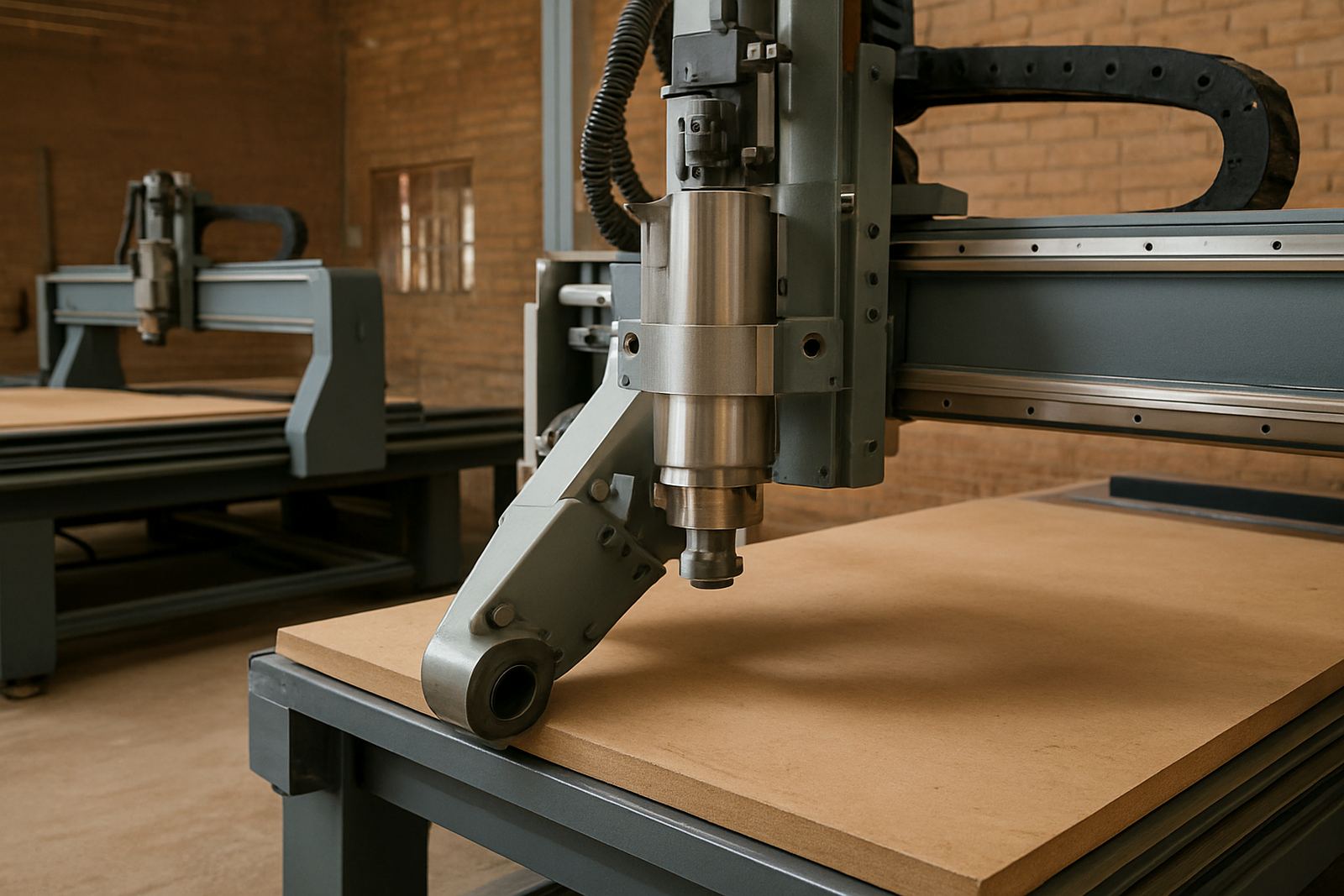
Depending on the model, options can include conveyor feed, vacuum hold-down zones, oscillating knife heads, drag knife tools and registration support for printed material. A conveyor table helps when you work in long runs or when you want continuous feed on rolls and panels. Vacuum zoning matters when parts are small or the sheet is light, because it keeps the material steady while the knife moves.
- Common bed sizes: 1300 x 2500 mm, 1600 x 3200 mm and larger production formats
- Tool options: drag knife, oscillating knife, creasing wheel and marking pen
- Hold-down options: zoned vacuum, conveyor feed or combined setups
- Material handling: sheet, roll and nested parts depending on the job
For many South African workshops, the right size is the one that fits current orders with room to grow. If you are in Pretoria East or Durban North and your work is still mixed, it can make sense to start with a mid-size bed and choose a layout that can be upgraded later.
Materials that cut well, and where routing is still better
This type of table suits softer materials where a blade can move cleanly through the sheet. It is commonly used for foam inserts, gasket material, rubber sheet, felt, textile laminate, vinyl, cardboard, honeycomb board and some flexible plastics. For sign work it can be useful on printed graphics, packaging inserts and display pieces, where the edge finish is more important than a machined cut.
It is not the first choice for thick hardwood, aluminium plate or dense composite panels that need a spinning cutter. If the material is hard, brittle or requires a formed edge, a router may still be the better option. In other words, the knife table is for the jobs where a blade does the work cleanly and without overcomplicating the process.
We often see customers try to use a router where a knife would save time and material. The result is more dust, more tool wear and sometimes a hotter edge than expected. A knife table can reduce those issues, and that matters in coastal humidity too where some flexible materials move around more than people expect.
Installation, power and air needs before the machine arrives
Knife cutting tables are easier to place than many heavy production machines, but they still need the right prep. The floor should be level, the access route should suit the bed size and you need enough room for loading, offloading and maintenance access. In busy Johannesburg workshops that often means checking door width, roller access and turning space before the crate lands.
Power needs vary by model, but most setups run on standard workshop electrical supply with stable earthing and protection. Some tables need compressed air for certain knife or hold-down functions, so it is worth confirming compressor size, air quality and line pressure before installation. Gas is not normally required for this product unless a related process calls for it, and in most cases it is not part of the setup at all. Load-shedding planning is still important, because sudden stops can affect jobs in progress and controller state.
- Check floor level and loading access before delivery
- Confirm electrical supply, breaker size and earthing
- Confirm whether compressed air is needed for the chosen tool set
- Ask about UPS or backup measures if you need safe job recovery during outages
Our Germiston base supports installs across South Africa, and the team can coordinate commissioning, controller backups and operator training so the table starts with the right settings. If your site is in Cape Town North, Midrand Service or Johannesburg East, we can plan around local access and site conditions.
Keeping cut quality steady with simple care and servicing
Knife tables do best when the bed, blades and vacuum system are checked on a regular basis. Blades wear differently depending on the stock, so a busy production team needs a simple replacement routine rather than waiting for poor cuts to show up. Keep the bed clean, remove offcuts, check the hold-down surface and make sure dust or fibre build-up is not affecting movement.
Preventive maintenance can include vacuum leak checks, controller backups, general alignment checks and inspection of belts, guides and drive components. If your table has an oscillating head, that unit needs special attention because it works hard and can drift if service is ignored. Farieda in service coordination and Mpho on installation support can help keep visits practical, so you are not left guessing what was done or what needs attention next.
- Check blade wear and change blades before edge quality drops
- Keep the table surface clean and free of scrap buildup
- Inspect vacuum lines, filters and seals regularly
- Back up controller settings before updates or machine moves
- Book planned servicing instead of waiting for downtime
On coastal sites, salt air and humidity can affect cabinets, electrical terminations and some sheet stock. A straightforward cleaning and service routine goes a long way, and it keeps the machine cutting as expected rather than leaving the operator to sort out repeat faults.
What to check when ordering the right knife table
The right order starts with the material list, sheet sizes and job mix. If you mostly cut foam inserts, your needs are different from a sign shop doing printed vinyl, gasket runs and packaging samples. Tell us the thickest and thinnest stock, the cut shapes, whether you need through-cut or kiss-cut, and how many hours per day the machine will run. That lets us point you toward the right bed size and tool setup.
It also helps to know whether you need operator training, dust or air system balancing, machine relocation support or future tooling changes. Our team can cover machine installation, commissioning, preventive maintenance, spindle service where relevant, vacuum leak checks, operator training and tooling setup. Chantel handles parts and tooling, while Lerato and Lesedi can help narrow the machine choice and practical options for your work.
- Material types and thickness range
- Largest sheet size and preferred bed size
- Cut type needed: through-cut, kiss-cut or scoring
- Daily output target and shift pattern
- Available power, compressed air and floor space
- Training, maintenance and relocation needs
If you are comparing options, ask for a clear list of what is included in the delivery, what needs site prep and what consumables you should keep in stock. That way there are no surprises when the machine arrives in Germiston or goes out to a site in Durban North.
Key facts
| Machine type | Flatbed knife cutting table for softer sheet materials |
|---|---|
| Typical bed sizes | 1300 x 2500 mm, 1600 x 3200 mm and larger production formats |
| Tooling options | Drag knife, oscillating knife, creasing wheel, marking tool |
| Hold-down | Vacuum zoning, conveyor feed or combined layout |
| Power needs | Workshop electrical supply with proper earthing and protection |
| Air needs | Compressed air may be required depending on the tool set |