Why automatic tool change matters on real jobs
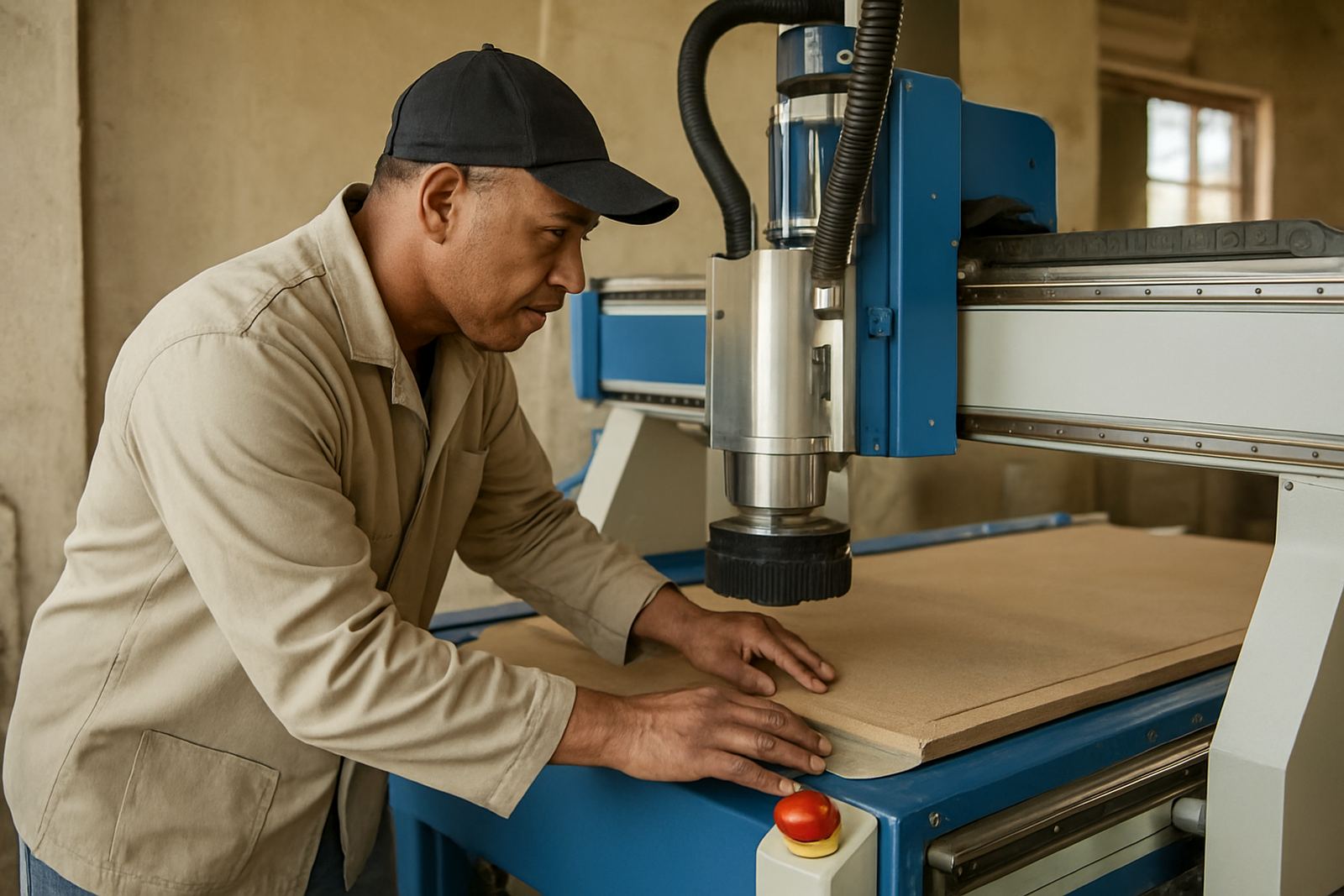
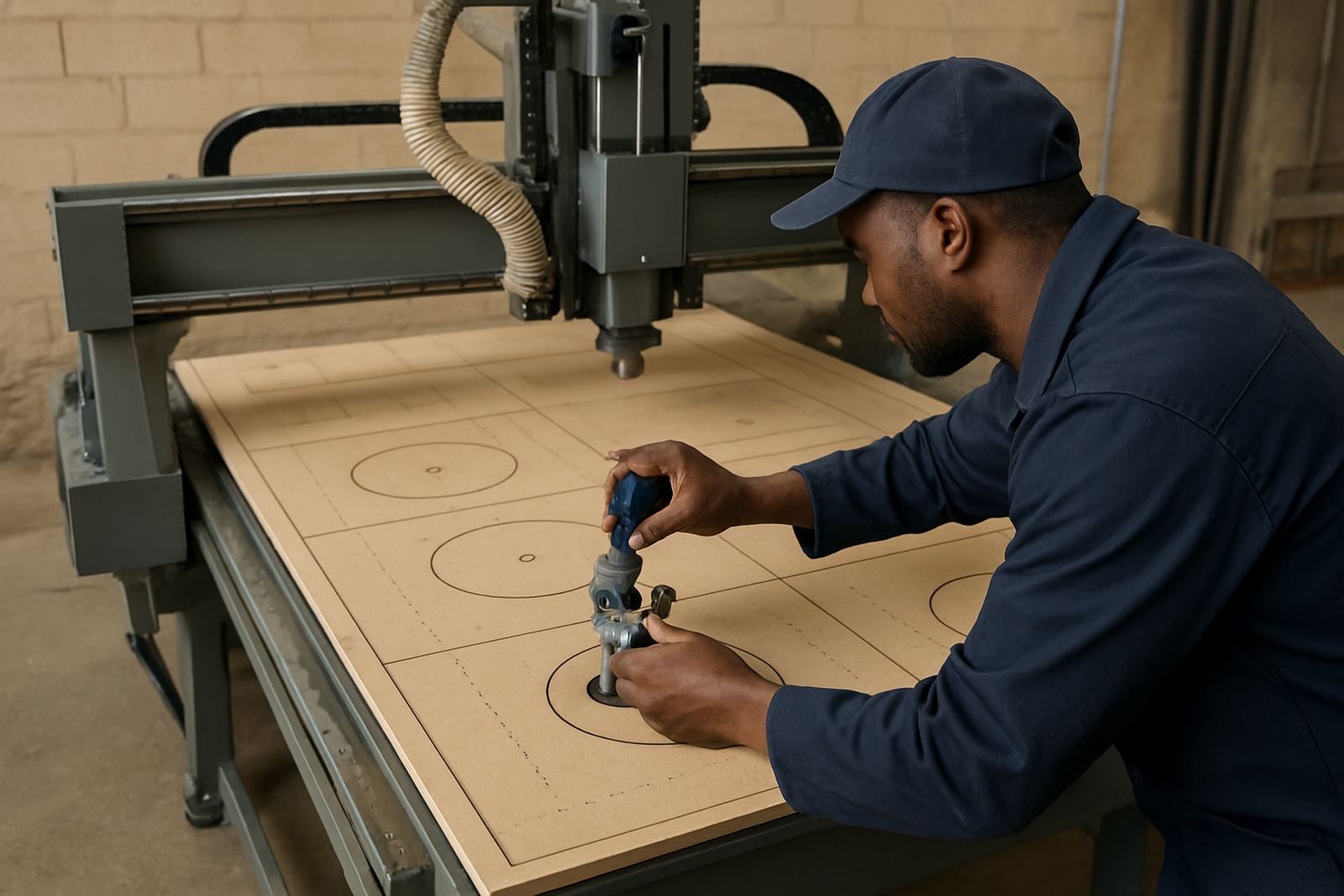
Manual tool swaps sound simple until a sheet job starts asking for three cutters, a drill, then a surfacing pass. Every change means stopping the spindle, opening the guard, fitting the next tool, checking the collet and resetting the offset. On a small batch that may only take a few minutes, but over a full shift it adds up fast.
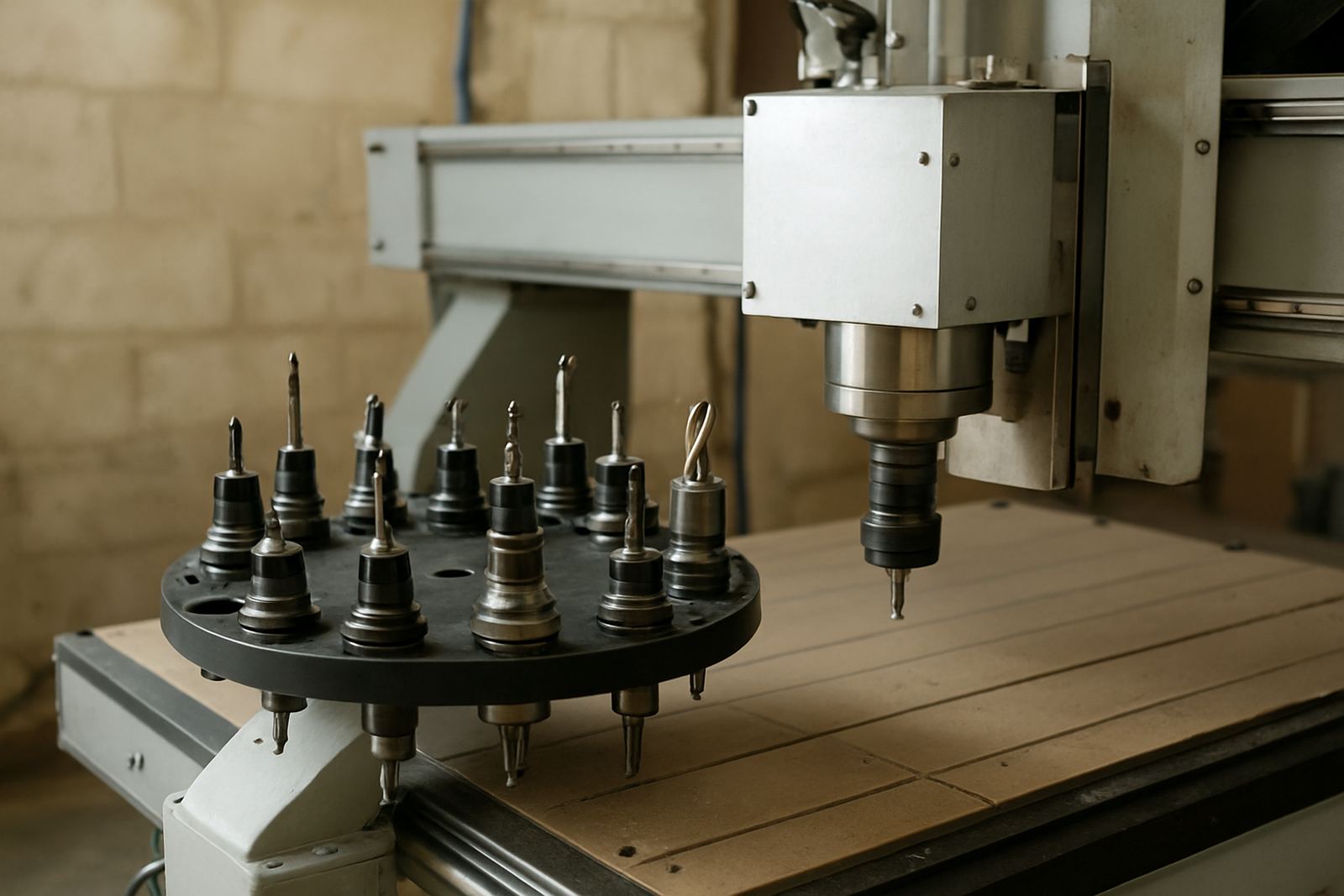
Automatic tool change removes that stop-start pattern. The machine moves from one tool to the next in the same program, so the workflow stays on track and the operator can focus on loading material, checking hold-down and watching for faults. In a workshop that nests board panels, sign parts and pockets in the same day, that difference is practical, not cosmetic.
Less handling means fewer setup mistakes
Most scrap on a CNC router does not come from bad cutting, it comes from small setup errors. A wrong offset, a loose collet, the wrong cutter fitted after lunch, or a rushed re-zero can spoil a sheet in minutes. Automatic tool change helps reduce that risk because the machine follows the tool list in the file and does the changes in the right order.
That is useful when different operators share the same machine. One person may be strong on nesting, another on finishing, but both need the same repeatable result. With the tool list locked into the job and the controller set up properly, the machine is less dependent on memory and more on process.
- Fewer manual tool swaps during the shift
- Less chance of fitting the wrong cutter
- Cleaner repeat jobs when staff changes
- Better control over drill depth and cut depth
Where tool change saves the most time
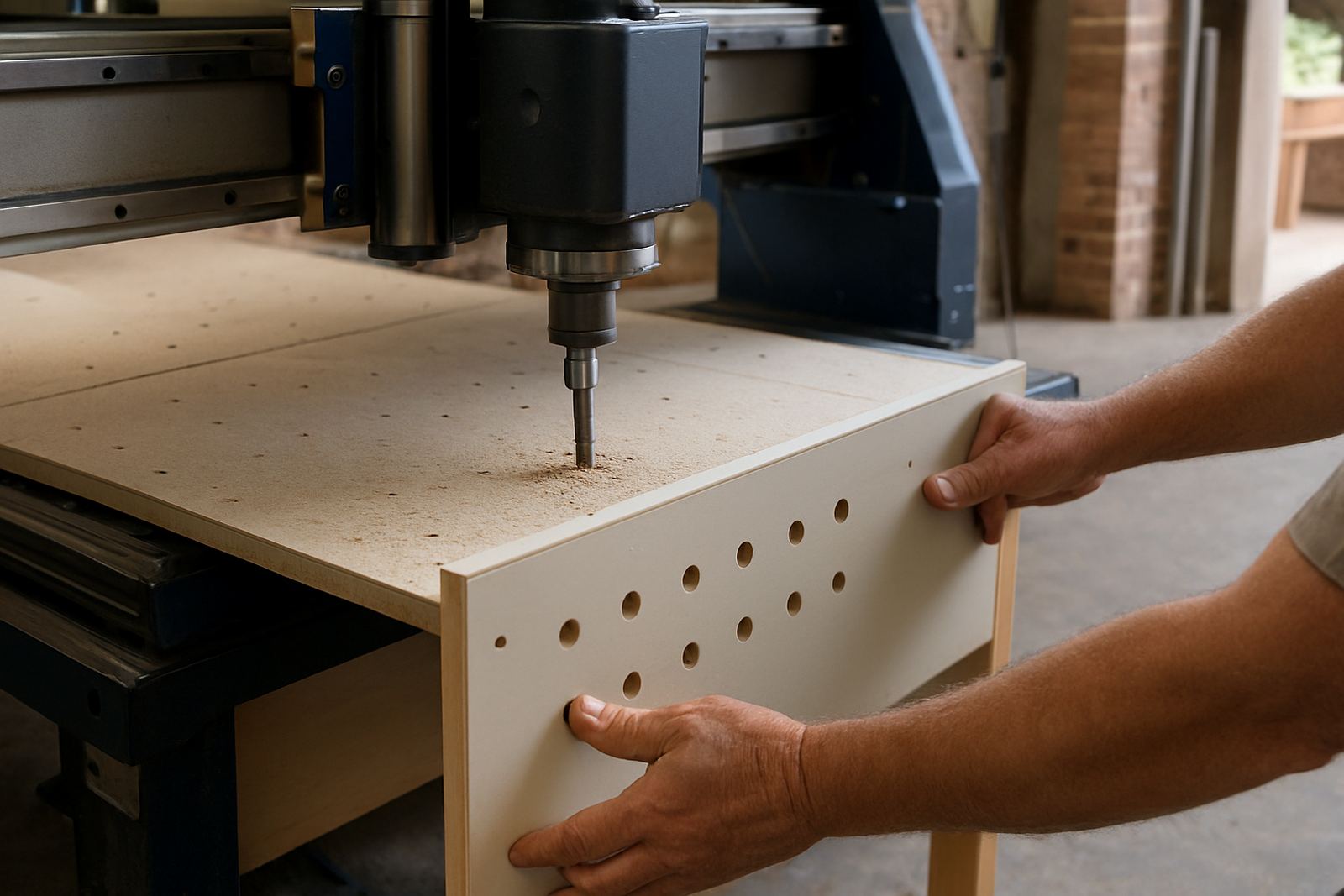
Automatic tool change shows its value most clearly on mixed operations. A furniture panel may need a surfacing pass on the spoilboard, a 6 mm cutter for profiling, a drill for confirmations and a smaller tool for detailed work. A sign shop may move from pocketing to edge cleaning to drilling mounting holes in one program. Instead of standing over the machine for each step, the operator can keep the next sheet ready and the job moving.
It also helps where production windows are tight. If a team only has after-hours electricity or limited machine time because of load-shedding, every minute matters. Saving changeover time can mean one more sheet through the machine before power goes off or before staff leave for the day.
- Nested board furniture parts
- Shopfitting panels with multiple operations
- Sign boards needing drilling and profile cutting
- Soft metal jobs where tooling changes are frequent
Better consistency on long runs and repeat work
Tool change is not only about speed. It also improves consistency when the same part is cut again next week or next month. Because each tool can stay assigned to a specific operation, the machine repeats the same sequence with the same offsets and the same cutting order. That matters for kitchens, retail fixtures and production parts where one part has to match another across several sheets.
In practice, this means less rework at assembly. Holes line up more reliably, pockets stay within tolerance and edges look cleaner when the correct cutter does the right job. A workshop in Germiston that runs MDP carcass parts in the morning and acrylic sign faces in the afternoon can keep the machine on one setup standard rather than changing habits from job to job.
What to look at before choosing a toolchange system
Not every workshop needs the same setup. Some need a simple entry machine with a small tool rack, while others need a production cell with more tools, better dust control and a layout that suits full sheets. The right choice depends on the materials you cut, the number of operations per job and how many parts your team must produce in a day.
A proper assessment should cover the tooling list, spindle speed, dust extraction, table support and the way parts will be loaded and unloaded. If the machine is too small for the work, tool changes do not solve the real bottleneck. If the machine is too large for the shop, it becomes hard to keep it calibrated and clean.
- How many tools the average job uses
- Whether you cut board, plastics or soft metals
- Available floor space and sheet handling room
- Dust extraction and vacuum hold-down strength
- Who will operate the machine day to day
Local workshop example from Germiston
A furniture maker in the East Rand may receive a rush order for reception counters, shelving and a few custom panels. The job needs surfacing on the spoilboard, a larger cutter for the outer profile, a drill for fixings and a finer tool for lettering or detailing. With manual changes, the operator can lose time between each operation and the whole day becomes awkwardly split. With automatic tool change, the machine works through the sequence while the team prepares the next sheets and checks the hardware list.
That is especially useful in industrial areas around Germiston where space is tight and every square metre must earn its keep. A tidy tool change routine, good vacuum checks and proper operator training can make the difference between a workshop that feels always behind and one that stays ahead of the queue.
Keep the advantage with maintenance and training
Automatic tool change only stays useful if the machine is looked after. Tool pockets need cleaning, air supply must be dry enough, spindle service must be done on time and controller backups should be kept current. Dust build-up or a tired clamp mechanism can turn a time-saving feature into an unnecessary delay.
Training matters just as much. Operators should know how to load tools correctly, check offsets, confirm the program order and notice when a tool is wearing faster than expected. A good setup also includes practical notes on tooling for the material being cut, because MDF, compact board, acrylic and aluminium each behave differently. Keep the process simple and the machine will pay back in saved minutes, better parts and less stress.