When acrylic jobs need more than a steady hand
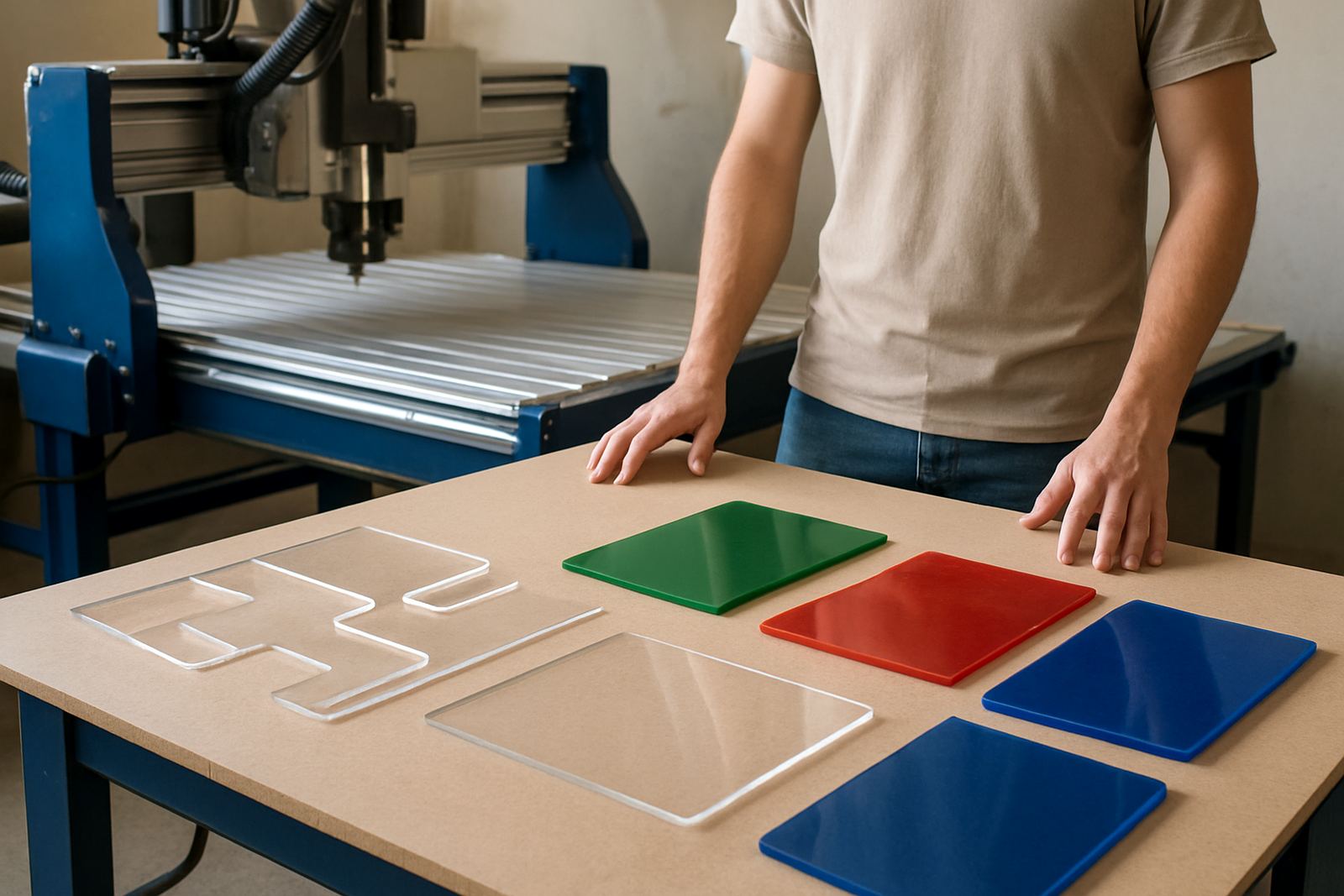
Typical equipment set for acrylic cuttingTypical equipment set for acrylic cutting
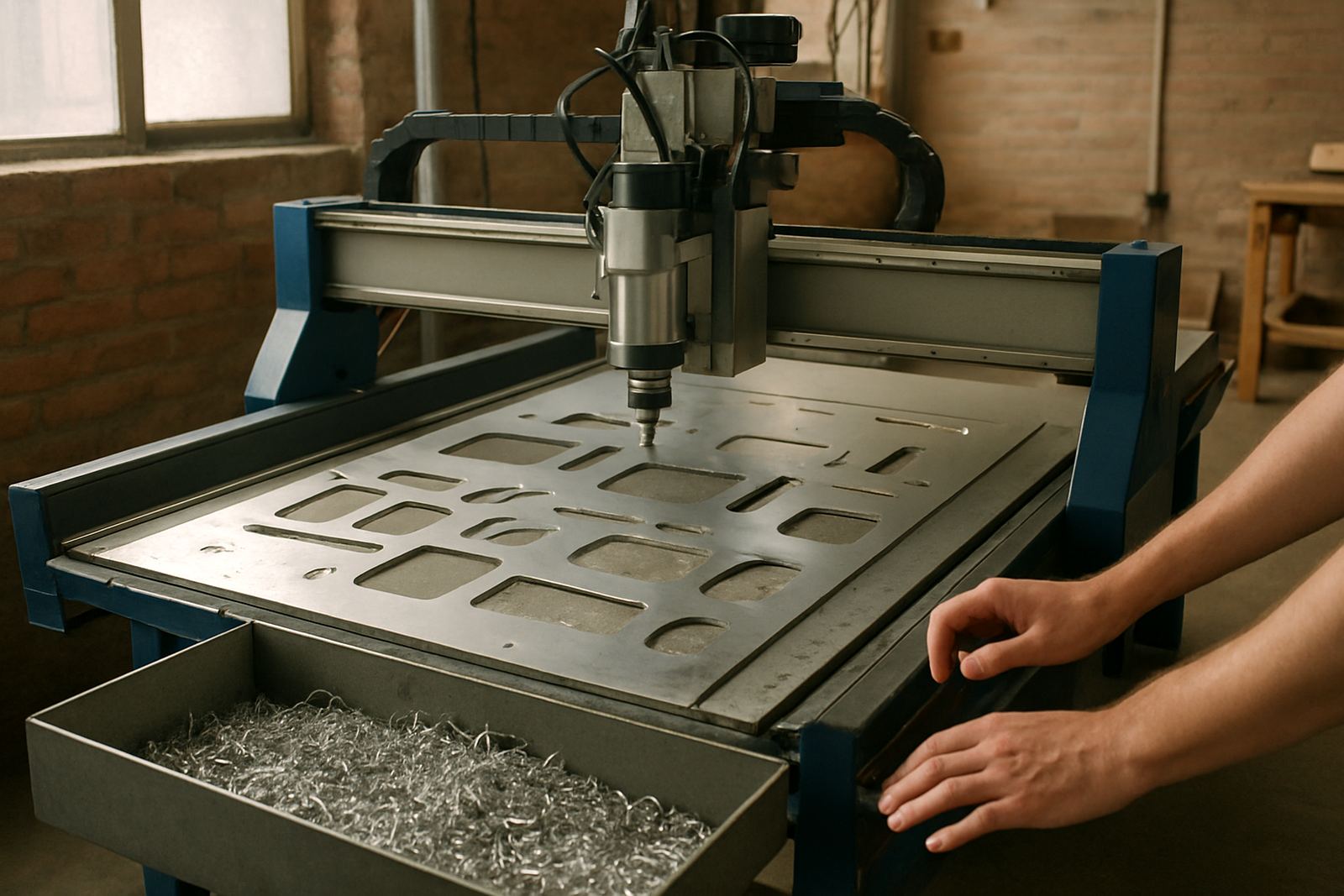
Most acrylic workshops need more than a router and a cutter. The right setup usually includes a CNC router with a smooth spindle, a vacuum table or a well-planned hybrid hold-down system, suitable extraction, and tooling chosen for plastic rather than general wood cutting. For thicker sheets and production runs, a controlled nesting workflow helps reduce waste and keeps offcuts usable.
In many cases, a production team will also benefit from controller backups, clear operator notes and a basic tool setting routine. That keeps the machine predictable when different staff members are on shift. If the workshop handles both acrylic and board products, tooling changes need to be simple and repeatable, not something that depends on one person remembering every step.
- Vacuum table for full sheets and nested parts
- Hold-down zones for smaller panels and edge trims
- Plastic-suitable cutters for cleaner finish and longer tool life
- Dust extraction sized for fine chips and static-prone waste
Layout and planning that save material
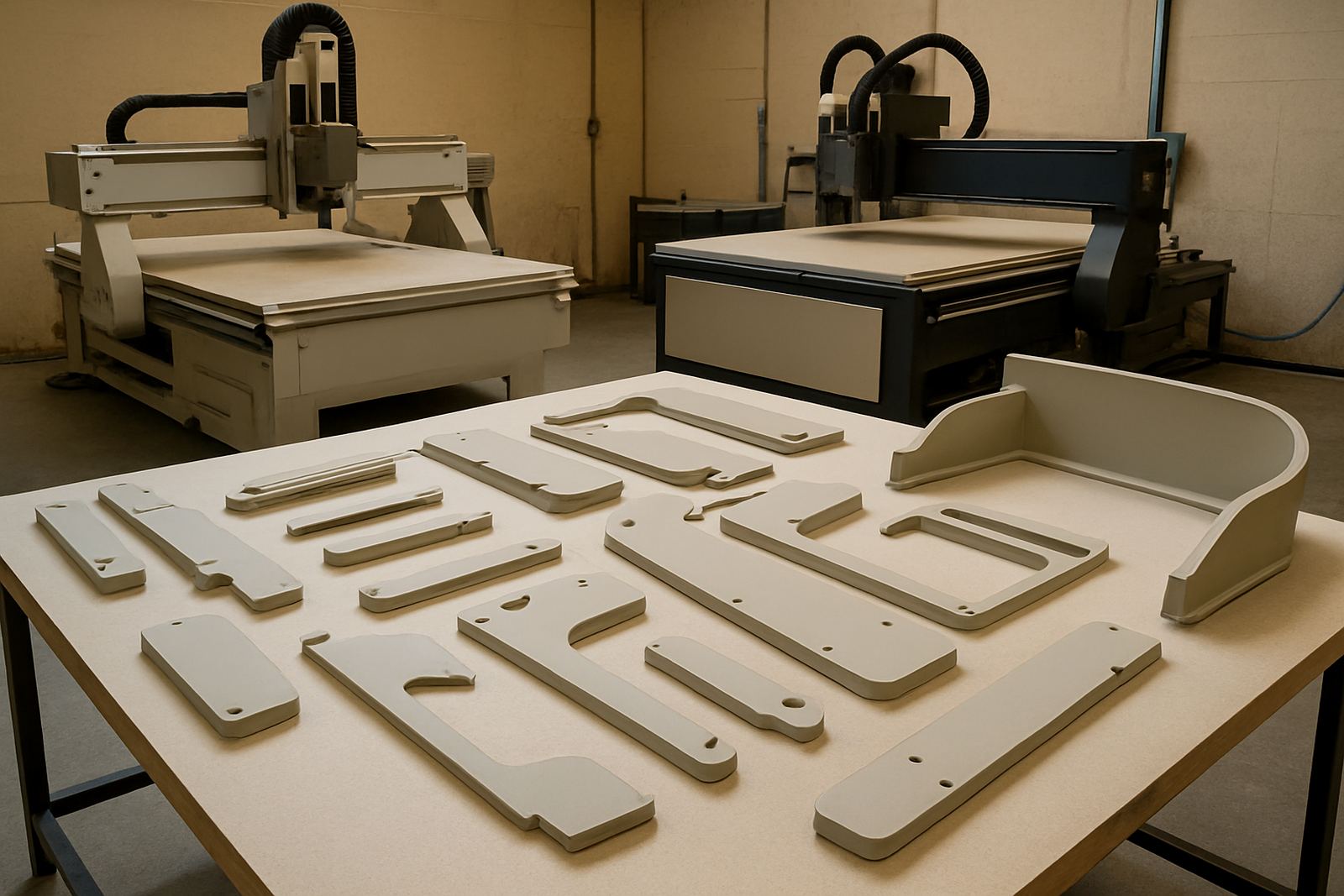
Acrylic sheet is expensive enough that layout planning can make a big difference to monthly costs. Nesting should follow grain direction where relevant, allow enough web material for safe holding, and keep fragile shapes away from the sheet edges where movement is more likely. A smart layout also considers how the parts will be de-masked, polished and packed after cutting.
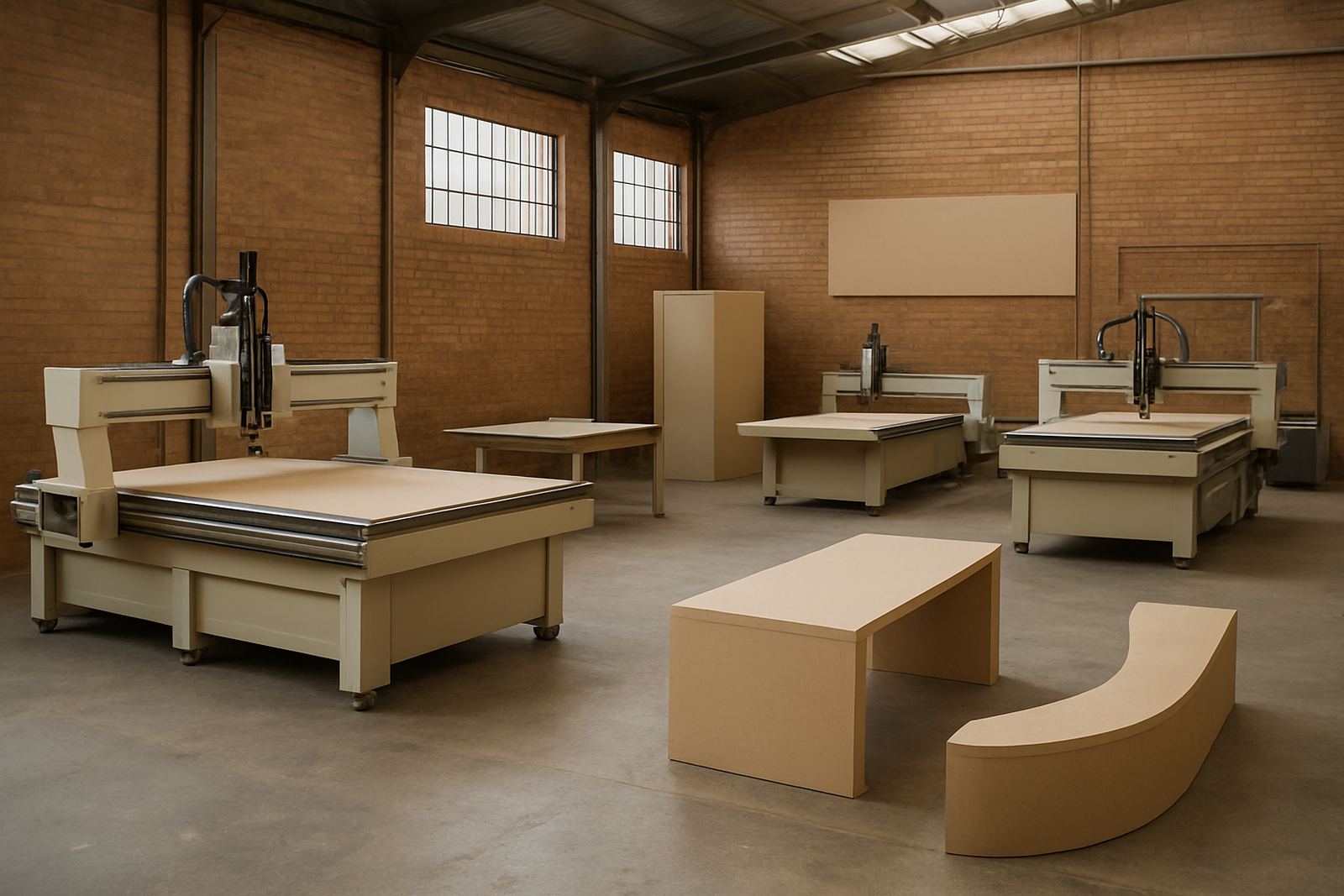
Workshop flow matters too. The machine should sit where full sheets can be loaded without bumping walls, racking or finished stock. In a Germiston base or a busy Midrand service workshop, people often underestimate the space needed for sheet handling. You need room for incoming material, a safe unload area, and a path that keeps finished acrylic away from dust from other operations.
- Allow loading space for full 2440 mm x 1220 mm sheets
- Keep sheet storage level so edges do not chip before cutting
- Plan a clear path from machine to edging, polishing or packing
- Place the machine where staff can inspect cuts before the next sheet starts
Common mistakes that show up in acrylic jobs
Many acrylic problems are not caused by the material at all, but by the machine settings around it. Dull tooling, poor chip evacuation and incorrect spindle speed can leave melted edges or a frosted cut line. Too much downward pressure from hold-down systems can also mark the face of polished sheet. If the table is not level, thin panels may lift during the final passes and leave a stepped edge.
Another regular issue is mixing acrylic jobs with dusty timber work without cleaning the table and checking the seals. Fine dust gets into seals, vacuum lines and guide areas, and that can affect cut quality. In coastal branches like Durban North or Cape Town North, moisture control is important too. Stored sheet and tooling need proper handling because damp conditions can affect flatness and chip behaviour.
- Wrong cutter geometry causes melting and poor edge clarity
- Weak vacuum or poor sealing lets parts shift on small tabs
- Skipped maintenance leads to lost accuracy over time
- Not backing up the controller can cost hours after a fault or power cut
Budget ranges for South African acrylic workshops
Budgets vary widely because acrylic output can mean anything from a small sign shop to a full production cell. For entry-level use, a practical CNC router package for acrylic cutting can start around R180 000 to R350 000, depending on table size, spindle choice and extraction needs. A more serious nesting system with stronger vacuum support and better automation can sit in the R450 000 to R900 000 range. Larger production cells with installation, commissioning and workflow support can move beyond that when the machine is running daily shifts.
It is worth budgeting for tooling, dust extraction balancing, operator training and at least one round of preventive maintenance after installation. Many acrylic shops lose money not on the machine purchase, but on avoidable scrap and stoppages. If the workshop is in an industrial area where power is inconsistent, allow for backup plans and controller recovery procedures too.
- Entry router package: from about R180 000
- Mid-range production setup: about R350 000 to R900 000
- Allow extra for tooling, extraction and training
How MultiCAM supports acrylic production teams
MultiCAM supports acrylic fabricators with machine selection, installation, commissioning and operator training that suits real workshop conditions. That includes practical tooling notes, vacuum leak checks, controller backups, machine relocation and dust system balancing. The aim is to help the team get repeatable cuts from the first week, not after months of trial and error.
For customers in Johannesburg East, Pretoria East, Midrand, Durban North and Cape Town North, the support approach stays practical. We look at sheet sizes, daily volume, staff experience and the type of finish required before recommending a machine. If the job is simple signage one day and precision parts the next, the setup has to handle both without constant adjustment.
That is especially important when a workshop is growing. As soon as acrylic work moves from occasional jobs to everyday production, the machine has to be reliable under pressure and easy for operators to use correctly. Proper setup saves material, shortens finishing time and keeps the workshop moving.