What shopfitters usually need from a CNC router
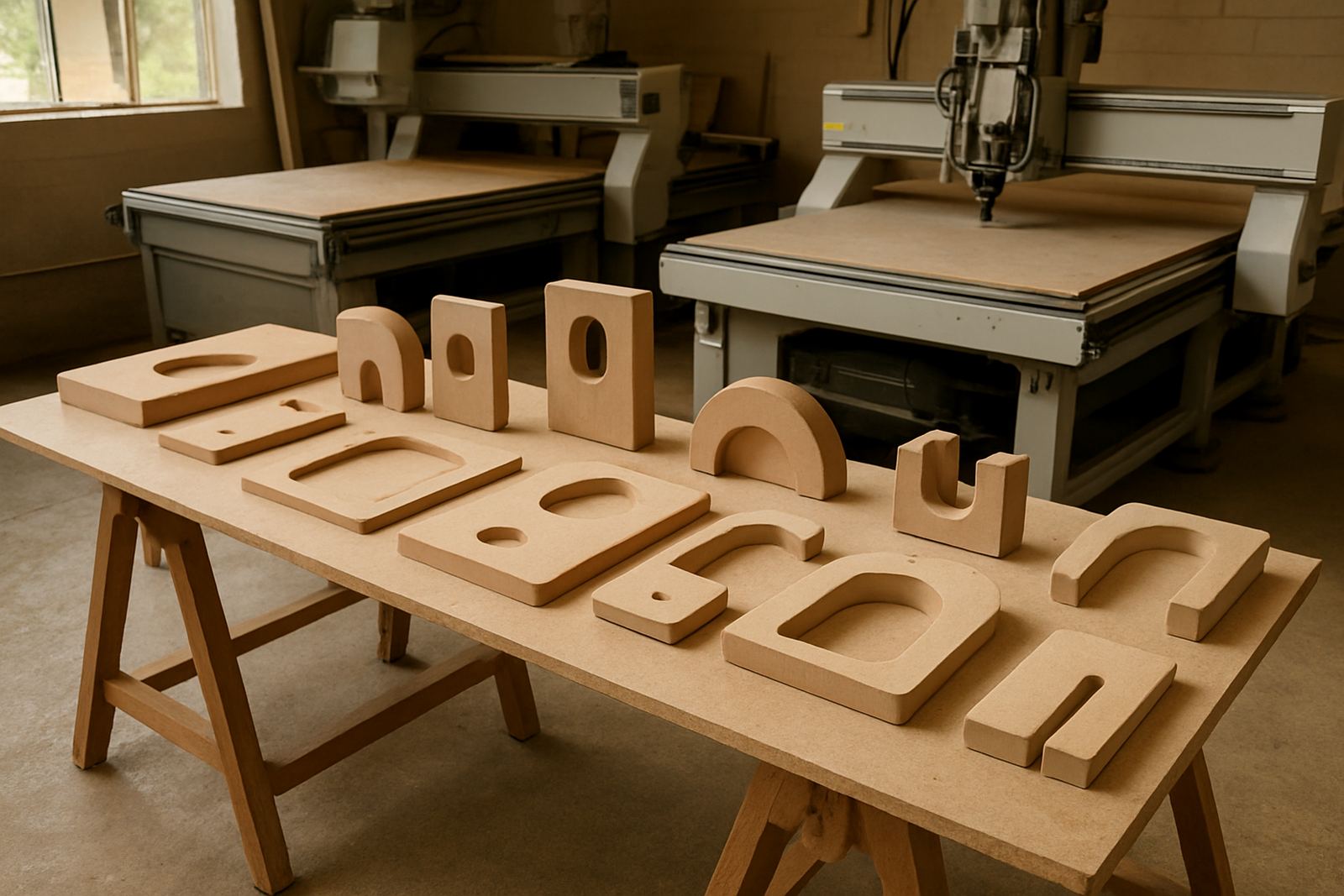
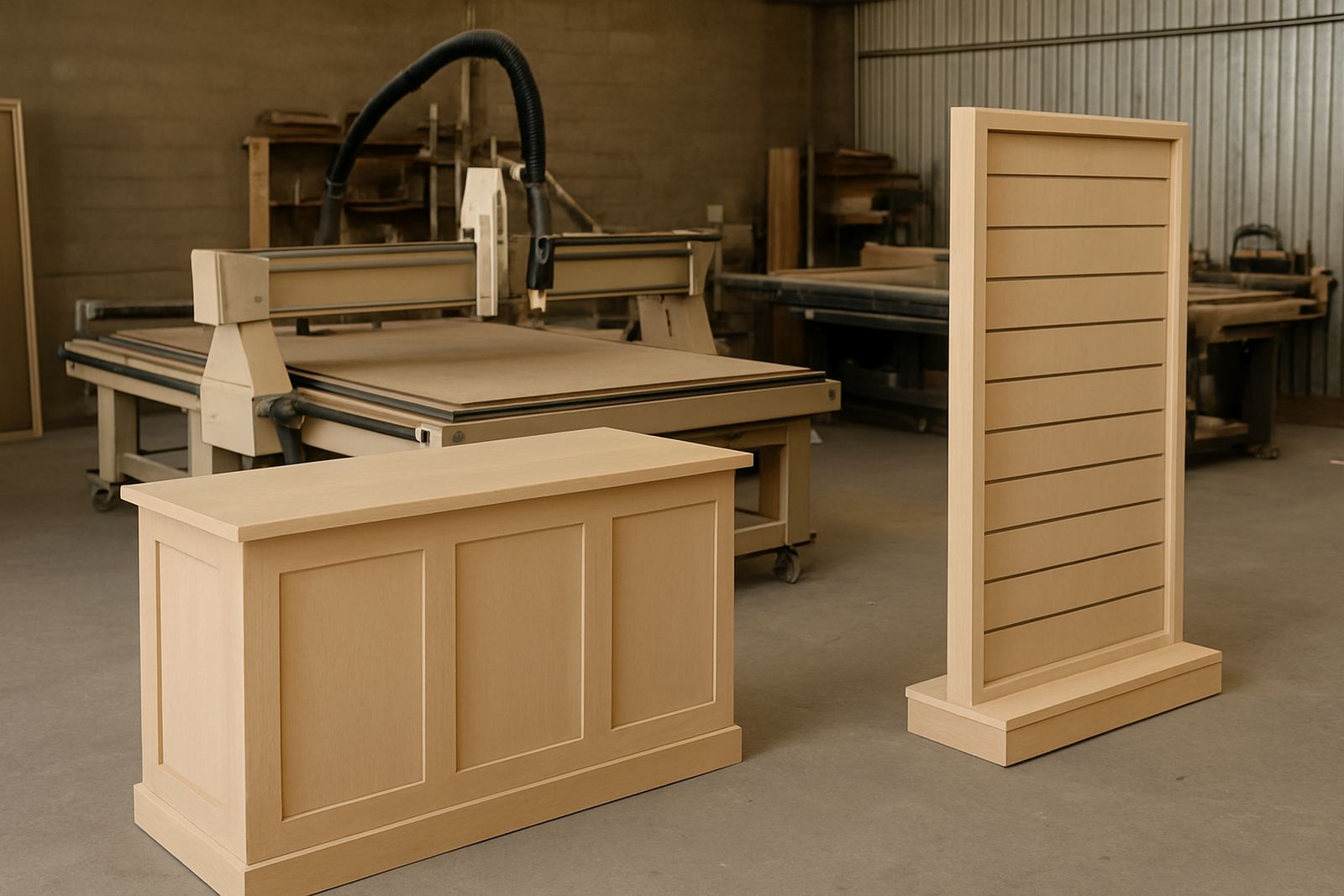
In shopfitting, the work changes all the time. One week it is melamine counter panels, the next it is acrylic signage backs, display plinths or shaped shelving in compact runs. A good router has to handle varied sheet sizes, give repeatable parts, and keep waste low when material prices are climbing.
Most teams want a machine that is simple for the operator, takes drawings without drama, and can run for long shifts in a busy workshop. In Johannesburg and other inland centres, dust control matters a lot. On the coast, humidity can affect boards, vacuum performance and storage, so the setup needs a bit of planning from the start.
Typical equipment for shopfitting workshops
The right machine set depends on the size of your jobs and how much you want to cut in-house. Some shops only need a single router for panels and parts, while larger fit-out teams look at loading, unloading and nesting support for faster output.
- Entry to mid-size CNC routers for boards, plastics and soft aluminium
- Vacuum table options for sheet holding on melamine, MDF and compact board
- Dust extraction and table zoning for cleaner cuts and better grip
- Tool holders, collets and starter tooling for common shopfitting materials
- Basic control backups and operator training for stable day-to-day use
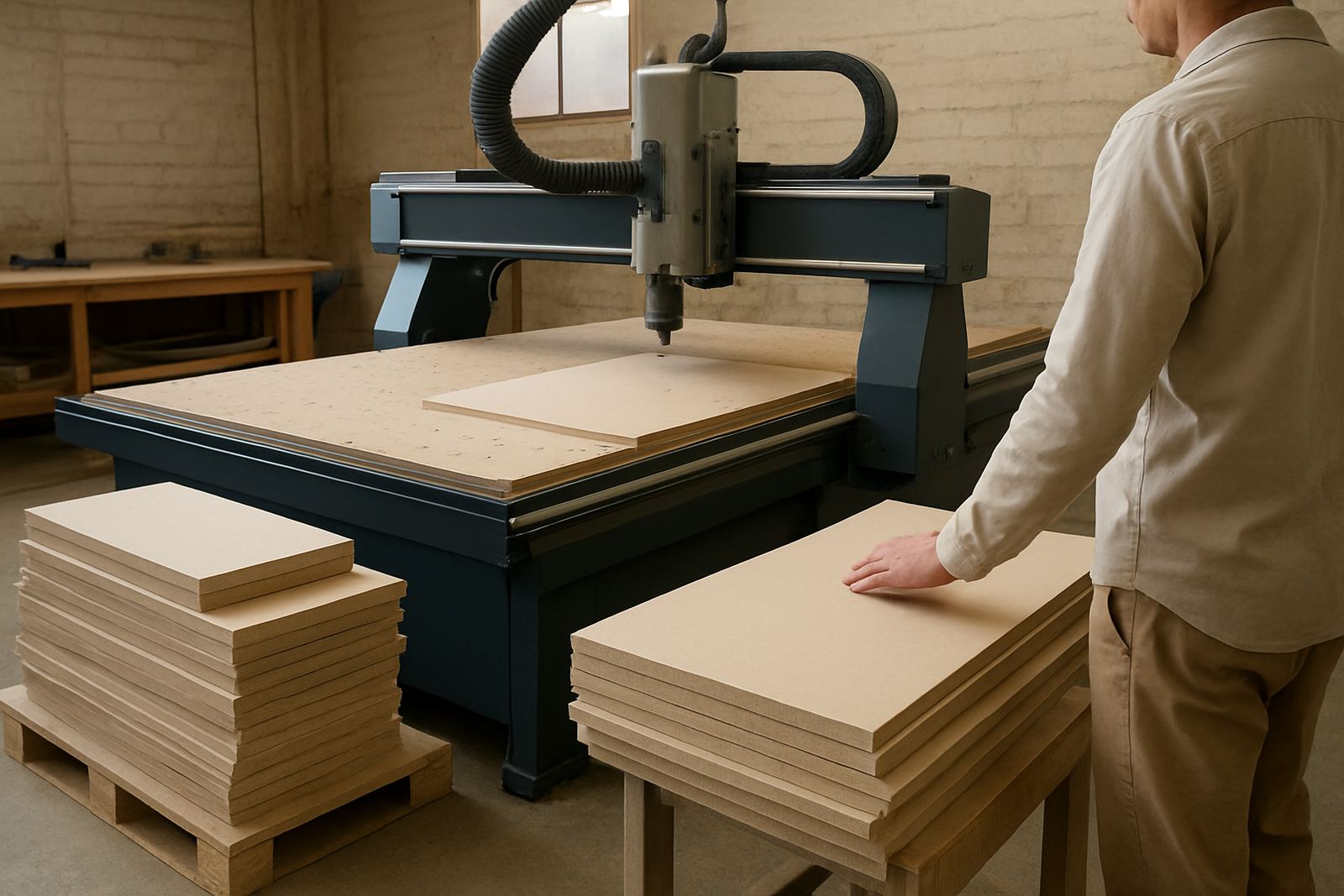
For many shopfitters, a sensible starter package is a 1325 size router with a decent vacuum table and a dust system matched to the cutter head. Bigger teams may move to production cells with better material handling and more control over repeat work.
How to plan the layout before the machine arrives
Layout is often where projects go wrong. A router needs room not just for the bed, but for loading sheets, moving offcuts and keeping the operator safe. If the workshop is tight, the machine may be the right size but the process becomes awkward and slow.
Plan for sheet storage, offcut bins, compressor access and a clear path for maintenance. Make space for power protection too. Load-shedding and voltage dips can interrupt work, so a clean electrical supply and proper backups save time and controller trouble.
- Measure the largest board you expect to cut, then allow space around it
- Keep dust extraction runs short and as straight as possible
- Place the vacuum pump where heat and noise will not affect staff
- Allow access for spindle service, table cleaning and part removal
- Store tooling close to the machine but away from dust and moisture
Common mistakes in shopfitting CNC work
One common mistake is buying a machine for the biggest job and not the average one. Another is underestimating the need for tooling, vacuum performance or a proper post processor for the control system. The router may be the headline item, but the support pieces decide whether the workshop runs smoothly.
It is also easy to ignore material behaviour. Some boards move with temperature and humidity, especially near Durban or Cape Town. That can affect nesting, cut quality and edge finish, so operators should test feeds and holding methods before running a full production batch.
Shop teams sometimes skip controller backups or leave tools in poor condition. A small gouge in the cutter or a loose collet can ruin a day of work and create rework that costs more than the job margin. It sounds basic, but it happens often.
Budget ranges for shopfitting router setups
Budget depends on the level of production you need and how much of the process you want to automate. It is better to price the full working setup than the machine alone. That includes extraction, installation, tooling and training, plus any relocation or electrical work needed in the workshop.
- Entry router package: about R250,000 to R450,000
- Mid-range nested sheet setup: about R450,000 to R900,000
- Production cell with stronger vacuum and handling support: from about R900,000 upwards
- Annual maintenance and tooling allowance: budget at least R25,000 to R80,000 depending on use
Those figures change with table size, automation and application needs. For many South African shopfitters, the real saving comes from fewer remake parts and less time spent on manual trimming.
Support for stores, malls and site deadlines
Shopfitting work often follows a fixed handover date. That means machine uptime matters as much as cut quality. MultiCAM supports installations across South Africa from the Germiston base, with service areas including Johannesburg East, Midrand, Pretoria East, Durban North and Cape Town North.
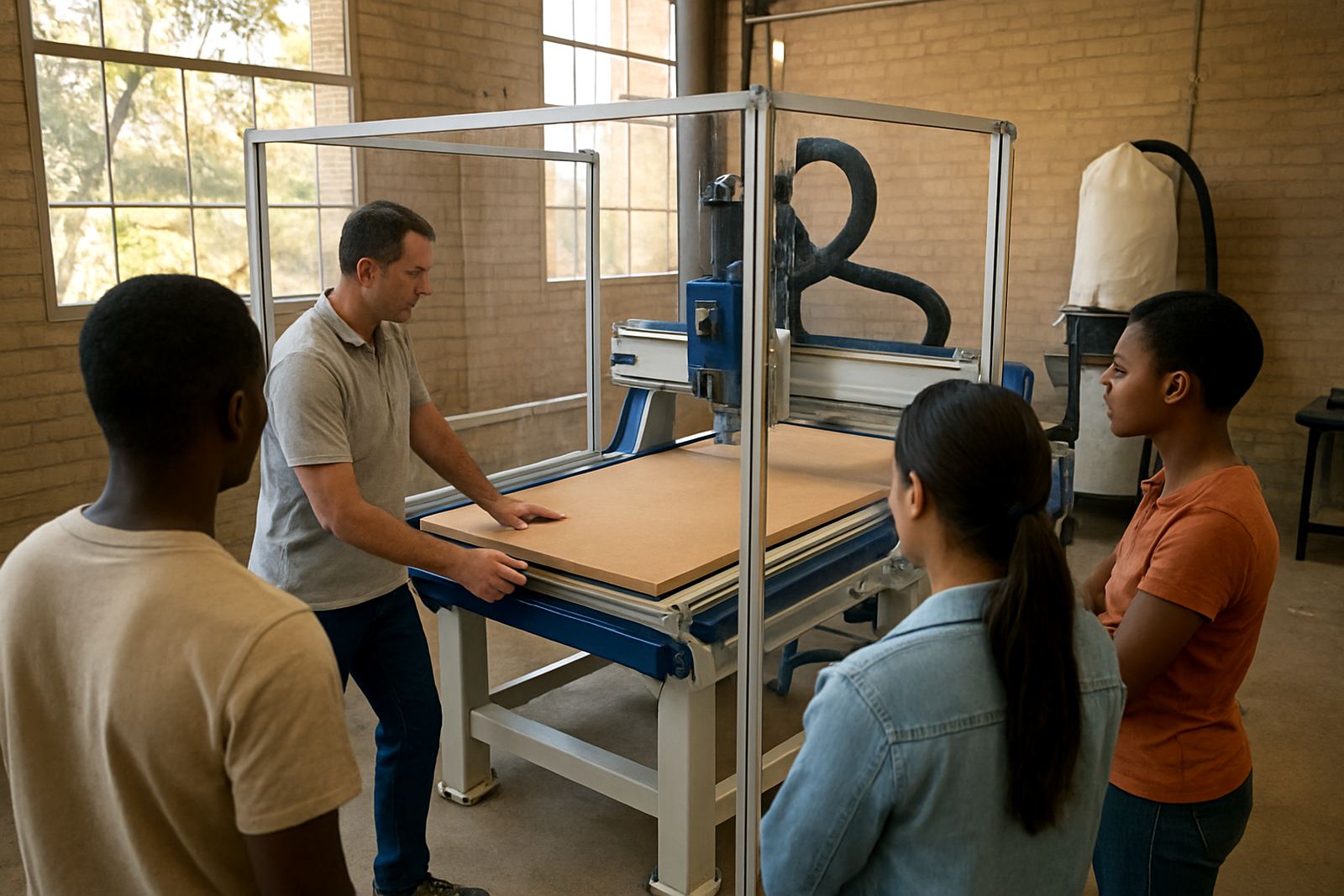
We help with machine installation, commissioning, preventive maintenance, spindle service, vacuum leak checks, controller backups, operator training, tooling setup, machine relocation and dust system balancing. For a busy workshop, that kind of support keeps the router working when site teams are waiting on finished parts.
MultiCAM also gives practical advice on cutter choice, hold-down methods and what to expect from different board types. The aim is simple: fewer surprises and a steadier job flow, even when the schedule is tight.