What a Door Panel Router Does in Daily Production
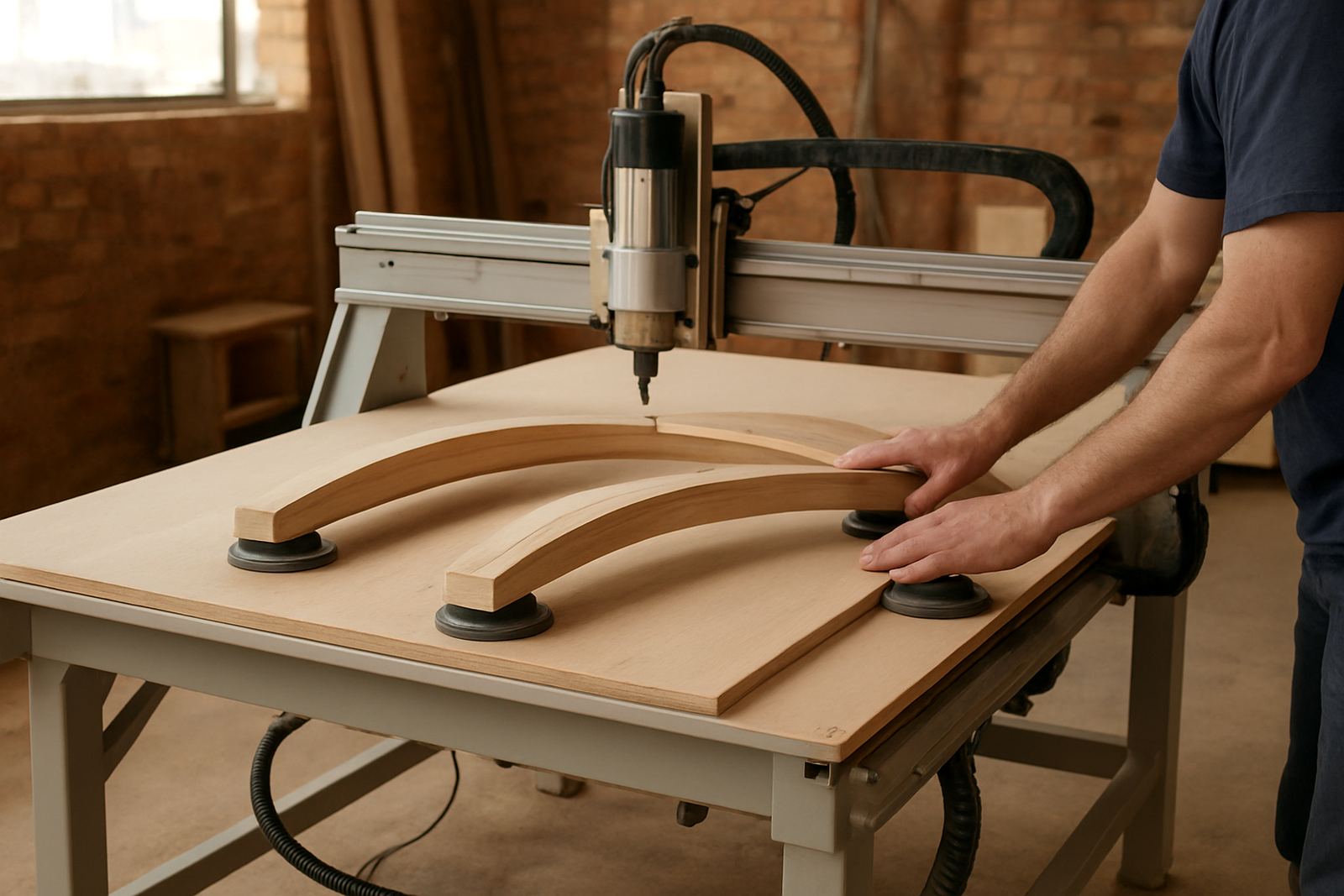
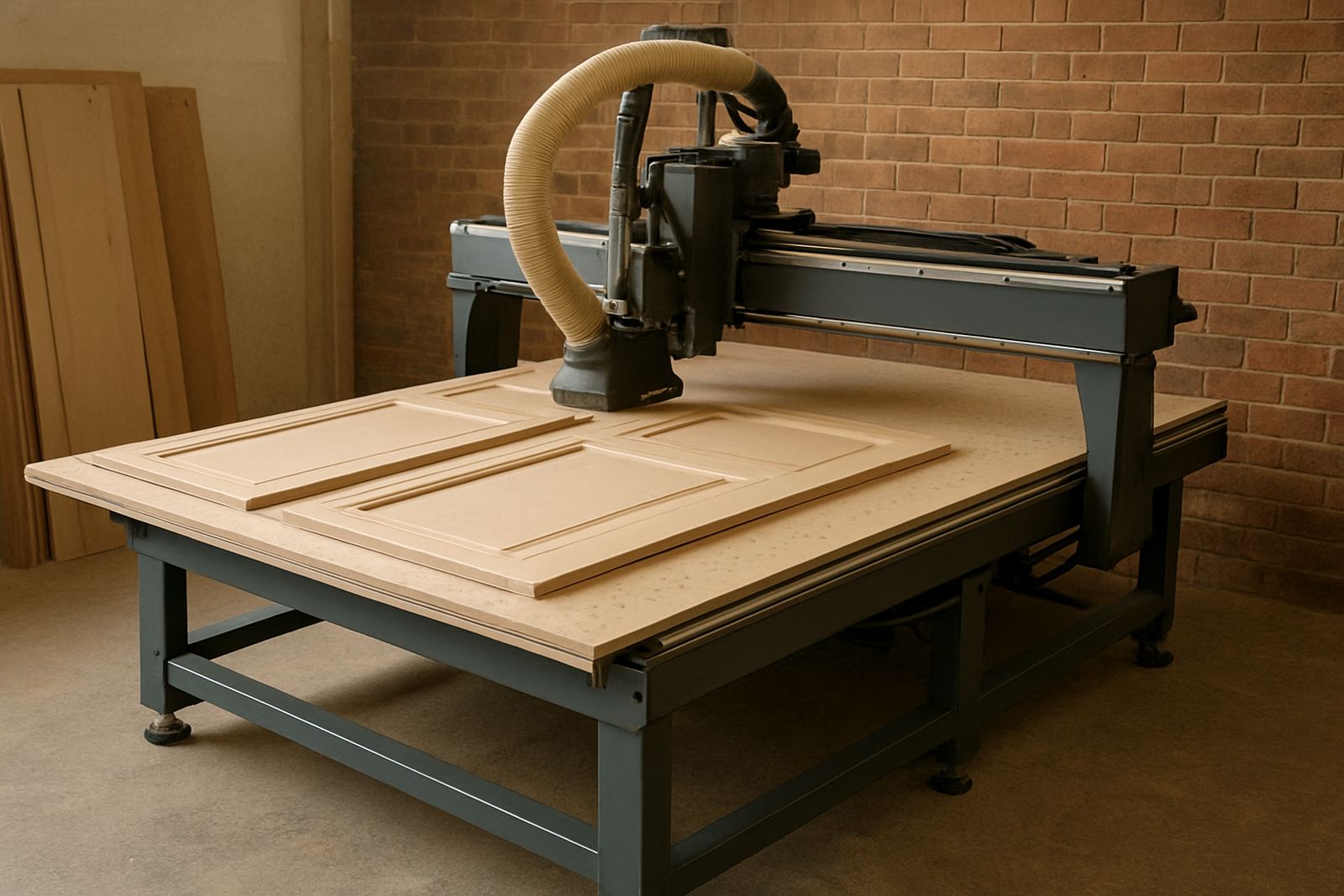
This machine is set up for repeat panel work where the same part is cut again and again with little variation. It suits door skins, raised or recessed panel blanks, groove cuts, handle openings and nested sheet work for cabinet doors. For many Germiston, Johannesburg and Pretoria workshops, that means less manual trimming and a more consistent finish from one shift to the next.
On a good setup, the operator loads the sheet, checks the vacuum hold and runs the program with controlled tool changes. That matters when you are working around load-shedding, mixed staff levels or tight municipal deadlines, because the machine needs to be easy to learn and simple to keep in step. A door panel router is not only about speed, it is about repeatable part quality with fewer surprises.
Machine Sizes, Table Options and Layout Choices
MultiCAM helps match the router to the sheet size and the way your team works. Entry machines suit smaller shops that cut a few doors a day, while larger tables are better for furniture plants and sign shops that need longer runs and more nesting room. Common working areas include 1300 x 2500 mm, 1500 x 3000 mm and 2100 x 4000 mm, with custom table layouts available where floor space allows.
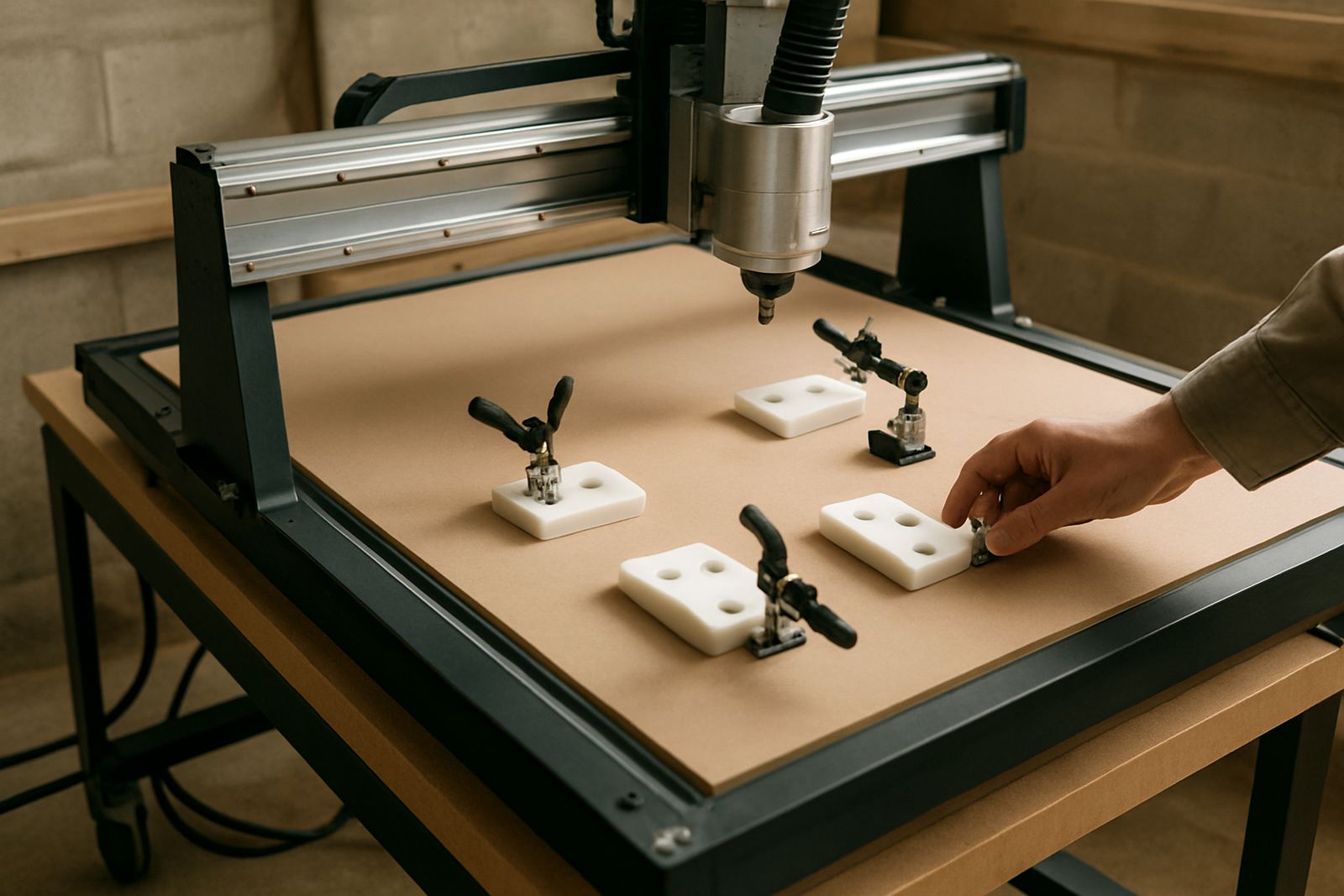
- Flat vacuum table for full sheet support and faster changeover
- Pod and rail or zone vacuum options for mixed production
- Automatic tool change for shops doing different cutter steps in one run
- Dust extraction skirts and hose points to suit local workshop dust control
- Door-jig fixtures for repeat drilling, profiling and batch work
If your work includes thicker MDF, solid timber components or soft aluminium trim parts, the spindle and tooling package should be chosen around that mix from the start. A well matched table saves time and reduces rework.
Where a Door Panel Router Fits Best
This type of router suits joinery shops, kitchen cabinet makers, shopfitters and furniture producers who need reliable nesting and profile work. It is also useful for sign shops that cut lettering panels, laminated boards and plastic sheet parts. In Durban North or Cape Town North, where humidity can affect timber movement, the router helps keep cutting accurate if sheets are stored and handled correctly.
It is a practical fit where teams need the same panel shape in batches and where manual routing is taking too much time. If your workshop handles both one-off custom work and repeat orders, the machine can be set up to change between jobs without a lot of downtime.
- Door skins and slab doors
- Cabinet fronts and panel blanks
- Nested sheet parts for fitted furniture
- Plastic boards and light composite sheets
- Soft metal trimming where tooling and feeds are set correctly
Installation, Power and Workshop Requirements
Before installation, MultiCAM checks the floor space, access route, extraction layout and power supply so the machine arrives to a workshop that is ready for it. Most door panel routers need stable three phase power, proper earthing and a dust extraction system that can cope with fine board dust. In some sites a compressed air line is also needed for tool change or vacuum accessories.
Because South African power conditions vary, it is wise to plan for voltage stability, surge protection and orderly shutdowns after interruptions. A back up plan for controller files and job settings also helps if there is a sudden outage. When the machine is moved into place, the bed must be level and the vacuum system checked for leaks before production starts. That part is often rushed, but it shouldnt be.
- Three phase supply with correct breaker sizing
- Stable earthing and surge protection
- Dust extraction matched to the cutting load
- Enough floor clearance for sheet handling
- Compressed air where the chosen configuration requires it
Tooling, Setup and Operator Training
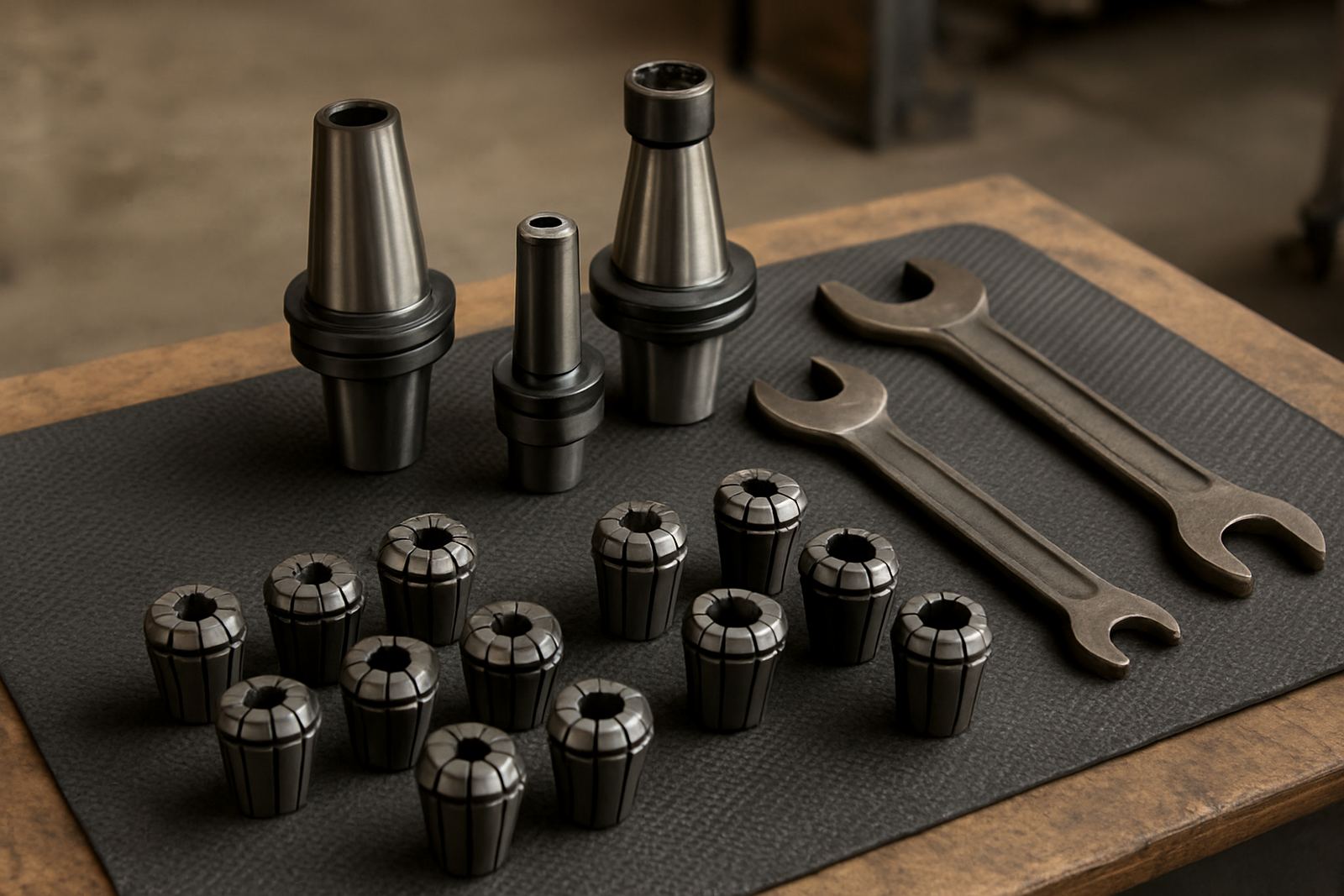
Good results depend on the cutter, feed rate and spindle speed being matched to the board or timber being cut. For door panels, operators usually need practical guidance on surfacing cutters, compression cutters, engraving bits, drill tooling and finishing passes. MultiCAM gives tool setup notes so your team can avoid burning, tear-out and poor edge finish.
Training is most useful when it covers the actual jobs your workshop runs. That includes nesting order, sheet zeroing, tool length setting, vacuum zone use and safe clamping around narrow parts. Lerato Nkosi and Lesedi Ntanzi work with teams to keep the process straightforward, while Stefan Naude can assist where the tooling or motion setup needs adjustment.
- Tooling Setup for board type and edge finish
- Operator Training for daily use and safe loading
- Controller Backups for job files and settings
- Vacuum Leak Checks for better hold on large panels
Care, Servicing and Spare Parts Planning
Like any production machine, a door panel router needs regular cleaning, lubrication checks and attention to dust build-up. Fine MDF dust can work into guides, cable tracks and vacuum components if the machine is not cleaned after shifts. Coastal humidity can also affect parts storage and tooling, so cutters should be kept dry and identified properly.
MultiCAM supports preventive maintenance, spindle service, machine relocation and dust system balancing from the Germiston base and regional support areas. Farieda Adams coordinates service visits, while Mpho Mtshali assists with installations and machine moves. Keeping a small spare set of cutters, collets and filters on hand can save a day of downtime when orders are due. A quick check each week is cheaper than waiting for a breakdown.
What to Check Before You Order
When ordering, it helps to bring exact sheet sizes, board types, daily output targets and the profiles you want to cut. If you make doors only, the setup can be focused on repeat profiling. If you also cut cabinet parts, then nesting speed, vacuum layout and tool change options become more important.
- Largest sheet size and typical material thickness
- Do you need flat sheet nesting, profiling or both
- Power supply details at the site in Germiston or elsewhere
- Dust extraction capacity and available compressed air
- Training needs for current operators
- Need for relocation, backup support or future expansion
MultiCAM supplies door panel router advice from selection through to commissioning, with support across Johannesburg East, Midrand Service, Pretoria East, Durban North and Cape Town North. For the right machine, the details matter more than the brochure wording.
Key facts
| Working area | 1300 x 2500 mm, 1500 x 3000 mm or 2100 x 4000 mm options |
|---|---|
| Machine type | CNC router configured for door skins, panel blanks and repeat profiling |
| Materials | MDF, board, timber, plastics and selected soft metals |
| Spindle | Water-cooled or air-cooled spindle options depending on duty cycle |
| Table | Vacuum table with zone control or mixed fixture layout |
| Utilities | Three phase power, dust extraction and compressed air where required |