What a Composite Panel Router Does in Daily Production
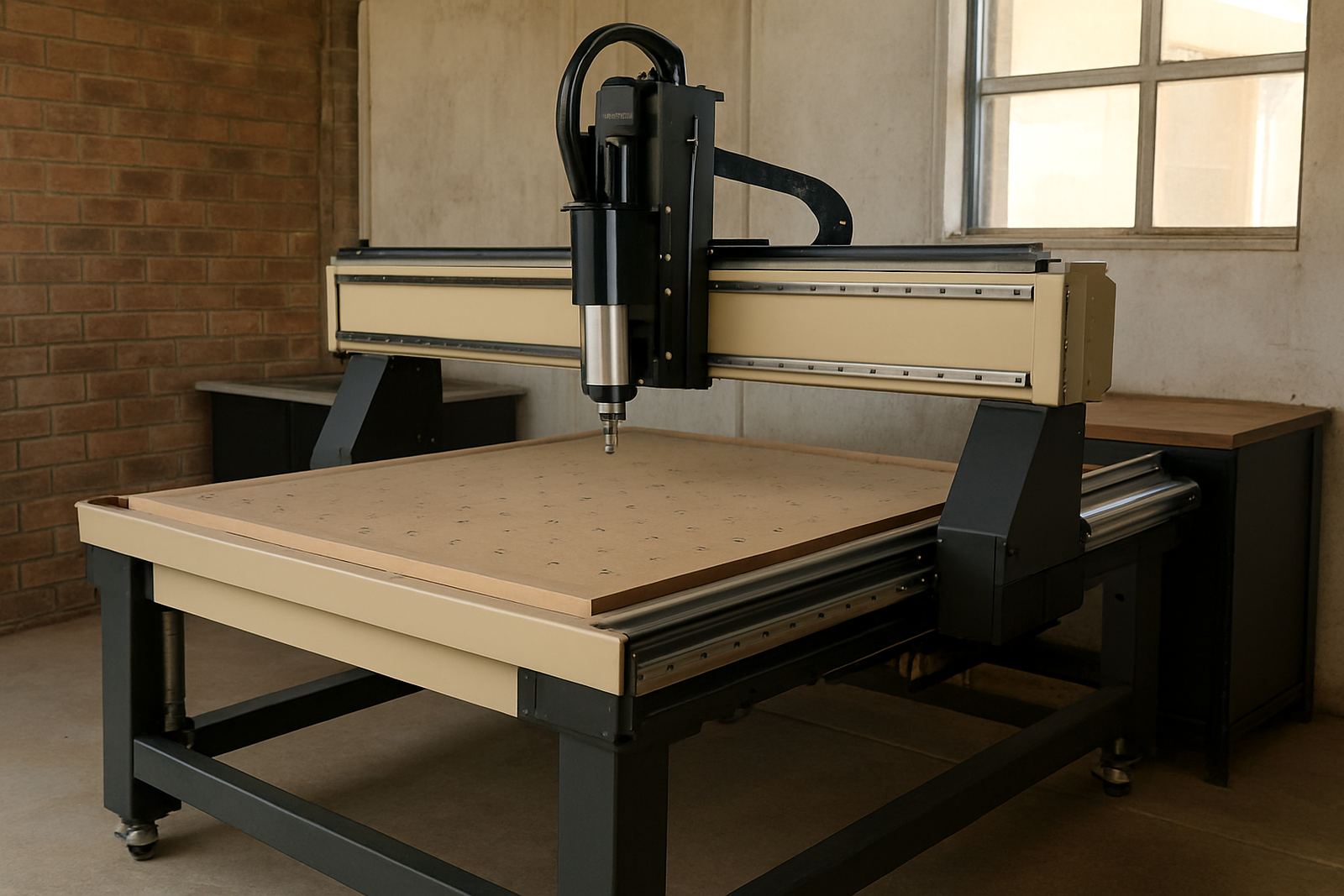
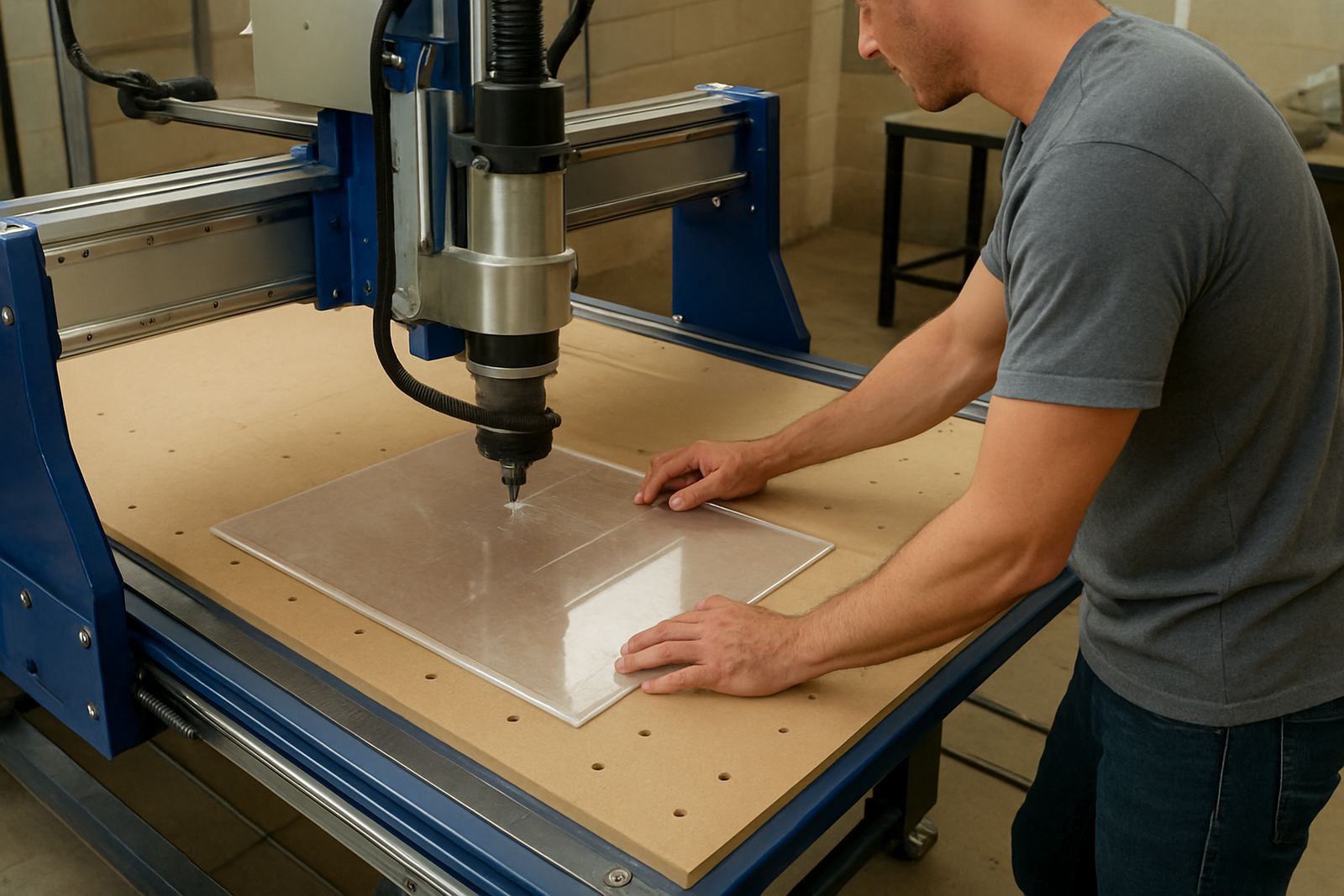
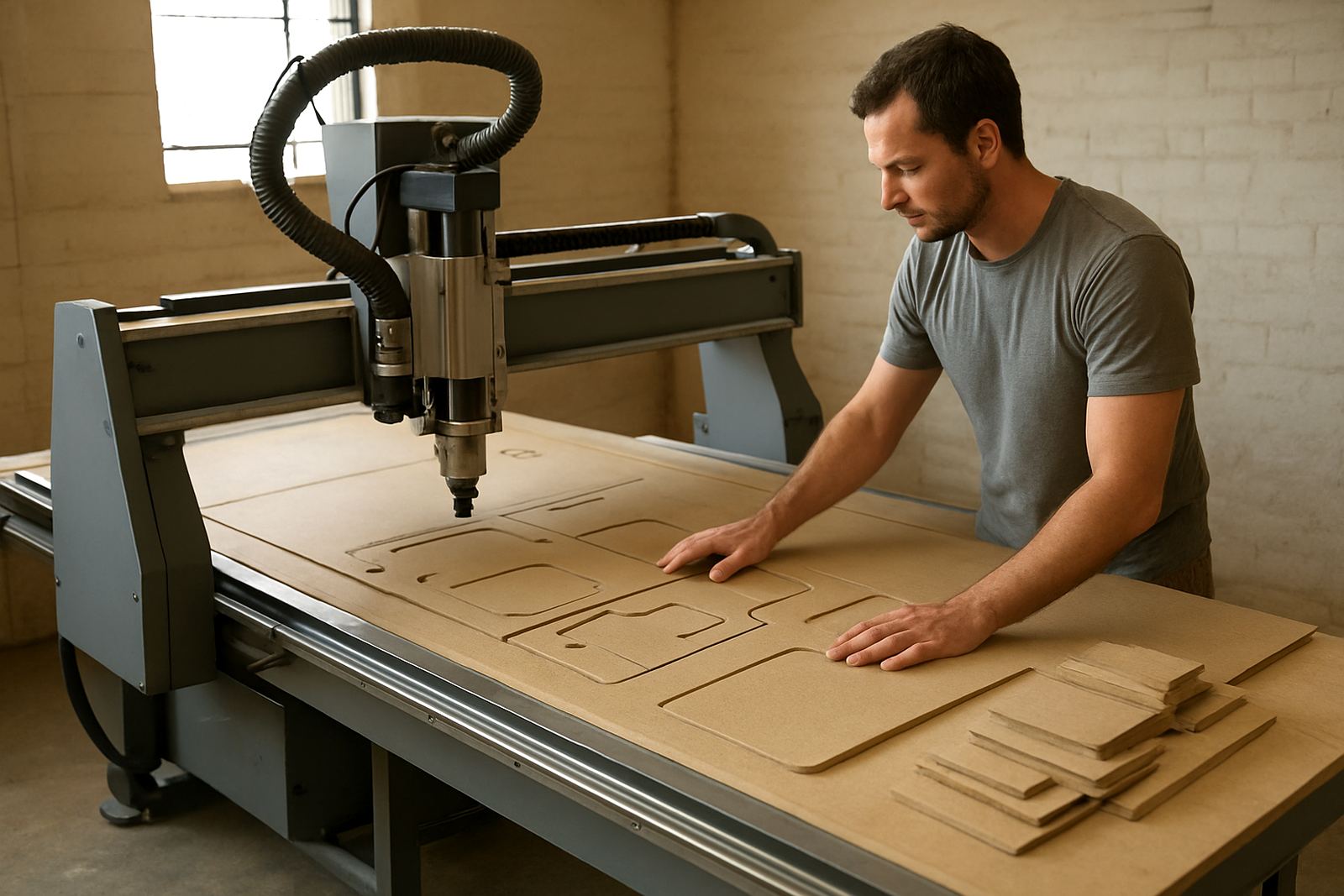
This machine is set up for panel processing where the sheet matters as much as the finished part. It cuts composite boards, aluminium composite sheet, foam boards, acrylic, PVC, MDF and similar materials used in retail displays, shopfitting, signage, wall cladding and fitted interiors. For many workshops, the value is not only speed, but the way a good router keeps edge quality consistent from the first sheet to the last.
MultiCAM helps teams match the machine to the actual job mix. If you are cutting long nesting runs for furniture parts, or shorter jobs with many openings and cut-outs, the right table size, spindle setup and vacuum layout make a real difference. The aim is simple: less rework, fewer broken tools and cleaner handover to the next process.
- Suitable for sheet cutting, nesting and profiling
- Handles common composite and timber based board products
- Useful for routing, drilling, pocketing and sign panel work
- Can be matched to single shift or higher volume production
Table Sizes, Axis Travel and Machine Options
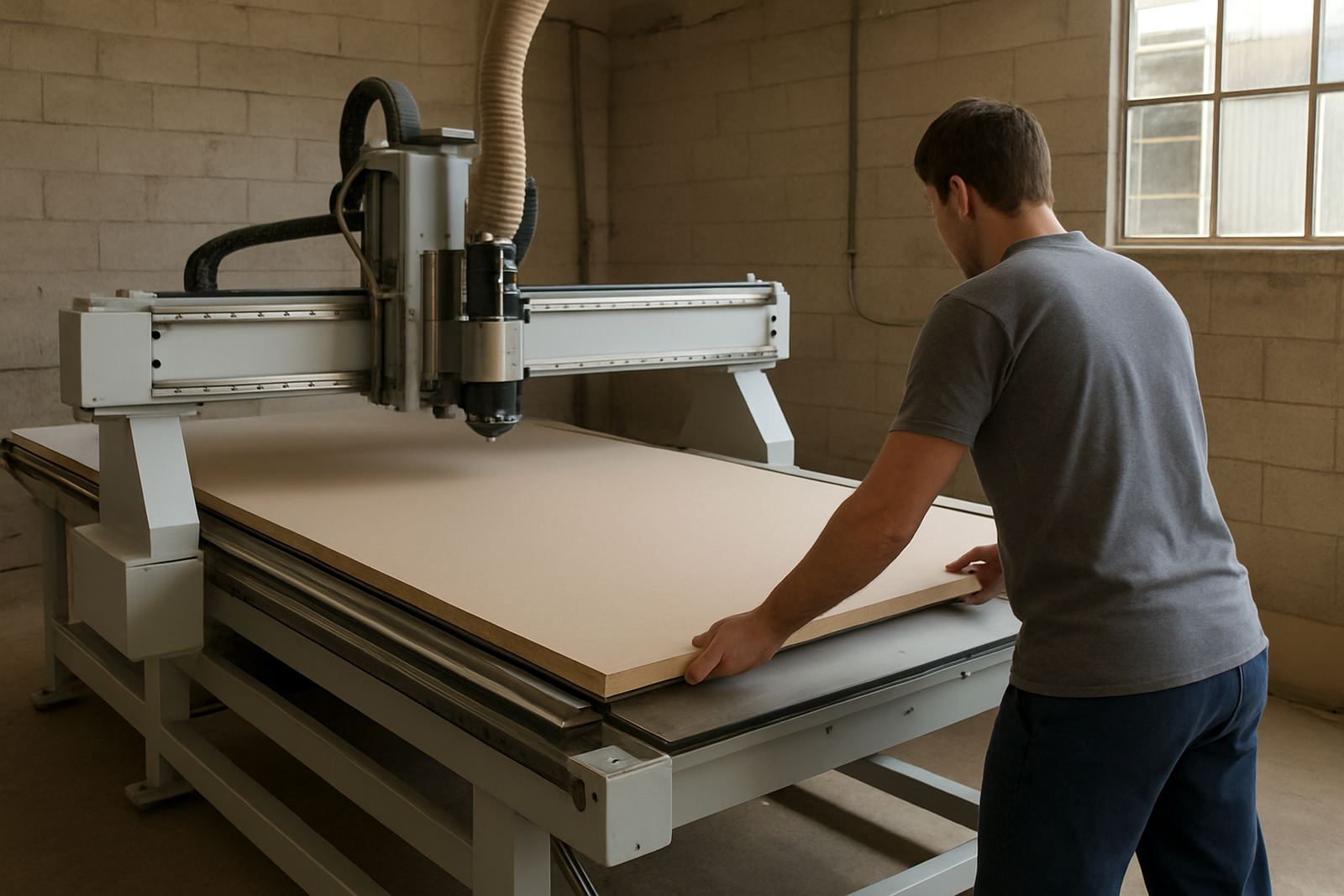
Composite panel routers are usually selected around sheet size and the way material moves through the workshop. Common working areas include 1 220 x 2 440 mm for standard board handling, 1 500 x 3 000 mm for larger sheets, and bigger tables where production demands fewer changeovers. Some workshops prefer a fixed table with a strong vacuum bed, while others need a moving table or loading support to reduce manual handling.
For South African users, the practical options matter. Dust extraction should be planned early, especially in enclosed workshops where fine composite dust builds up fast. A proper vacuum system is important for holding down thin panels and warped stock. Where the material is soft or prone to marking, spoilboard and clamp planning should be discussed before the first install.
- Typical working areas: 1 220 x 2 440 mm, 1 500 x 3 000 mm, larger on request
- Spindle options chosen by material type and cutting depth
- Vacuum table, spoilboard and zoned hold-down options
- Tool changer and nested cutting options for repeat work
Where This Machine Fits Best in South African Workshops
These routers suit sign shops, cabinet makers, joinery shops, plastics processors and interior fit-out teams that need reliable sheet cutting. They also work well in fabricator settings where one machine has to handle more than one material type during the week. In Gauteng, Durban and the coastal cities, workshops often need stable setup and clean dust control because humidity, heat and airborne fines can affect finish quality.
The machine is a good fit where drawings come from design offices but final output still needs to be practical on the shop floor. It is especially useful when teams want repeatable nesting, labelled parts and fewer manual measurements. That helps when deadlines are tight and labour has to be used wisely.
- Display and exhibition panel production
- Cladding, feature walls and fabricated interior parts
- Furniture parts, cabinet panels and custom inserts
- Plastic sheet cutting and non-ferrous light duty work
Installation, Power and Workshop Readiness
Before installation, the workshop should be checked for access, floor level, power supply and extraction routing. Most composite panel routers need a stable electrical feed, adequate compressed air where fitted, and enough floor space for loading sheets safely. In some sites, power quality can be a concern during load-shedding recovery or when generators are used, so this must be discussed before commissioning.
MultiCAM provides installation and commissioning support from the Germiston base and across South Africa. That includes machine relocation where needed, controller backups, initial parameter checks and operator training. If the workshop has a weak dust system or poor vacuum holding, these issues are better handled at setup than after the first production rush.
- Check three phase supply and site load before delivery
- Allow space for sheet loading, offload and tool access
- Plan dust extraction and vacuum lines before the install day
- Confirm air supply if the machine uses pneumatics or auto clamping
Care, Servicing and Keeping Output Consistent
Composite cutting machines stay accurate when maintenance is routine and not left until there is a breakdown. Keep the table clean, check vacuum seals, inspect dust hoses and make sure tooling is changed before it is worn past usable life. Spindle health matters too, because early signs of vibration or heat usually show up before a bigger fault.
MultiCAM supports preventive maintenance, spindle service, vacuum leak checks and dust system balancing. For shops that run every day, controller backups and operator refresher training can save time when a shift change or staff change happens. On coastal sites, corrosion and moisture need a bit more attention around fittings, electrics and stored tooling, so regular checks are worth it.
- Daily cleaning of spoilboard and extraction points
- Regular tool inspection for chipping and edge wear
- Vacuum leak checks for holding consistency
- Scheduled spindle service and controller backup routines
What To Check Before Ordering
Ordering the right composite panel router starts with the board sizes, cutting load and finish standard you need to hold. If most work is nested from full sheets, the machine should suit your sheet format and your offcut handling plan. If you cut mixed materials, ask for the tooling and spindle notes that fit that range, because one setup does not suit every panel.
It also helps to confirm whether you need a production cell, a stand-alone router or a machine that can grow with the workshop. Ask about vacuum table design, dust extraction size, software handover, and whether the operator will be running short custom jobs or repeated batch cutting. A clear order up front avoids costly changes later and keeps the job moving.
- Sheet size and maximum panel thickness
- Materials to be cut, including composites, plastics and light metals
- Required finish quality and edge tolerance
- Need for tool changing, nesting or barcode driven workflow
Key facts
| Working area options | 1 220 x 2 440 mm, 1 500 x 3 000 mm and larger formats |
|---|---|
| Materials | Composite board, ACM, MDF, acrylic, PVC, foam board and light non-ferrous work |
| Machine functions | Cutting, nesting, pocketing, drilling and profiling |
| Hold-down | Vacuum table options with zoned control and spoilboard support |
| Power needs | Three phase supply commonly required, confirmed during site survey |
| Support | Installation, commissioning, training, maintenance and tooling setup |