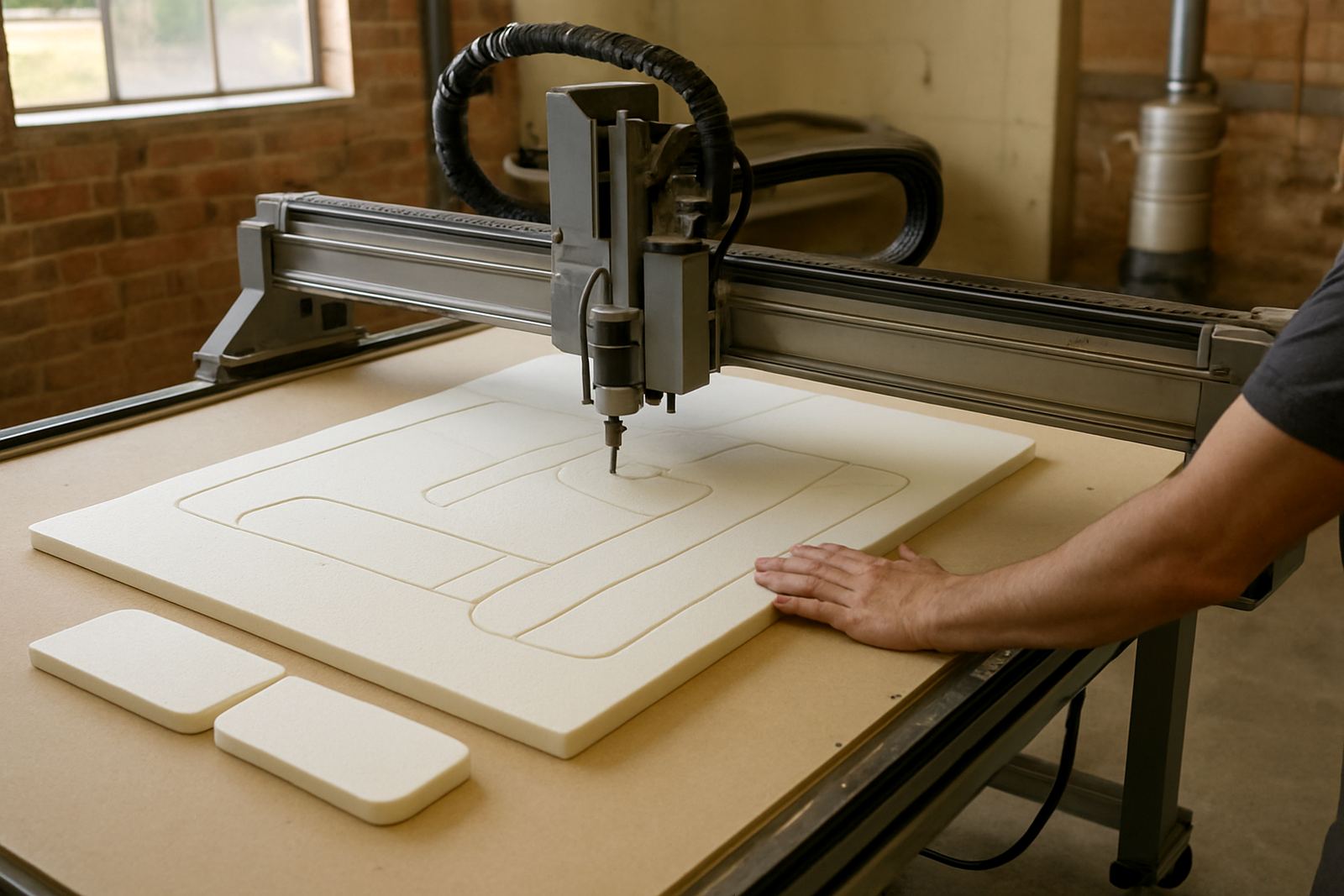
What an oscillating knife adds to a router bed
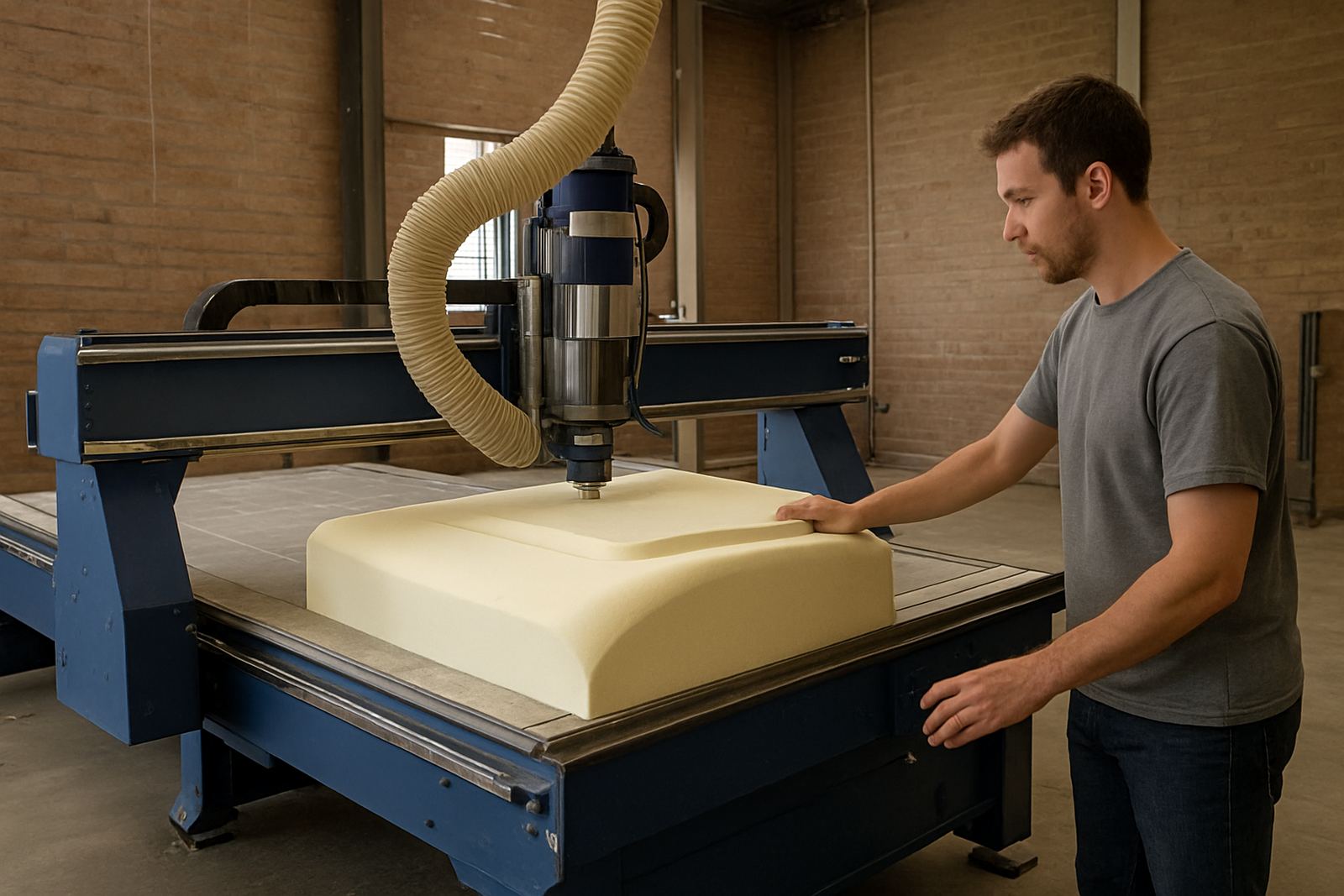
An oscillating knife is a moving blade toolhead fitted to a CNC router so the machine can cut softer materials that do not need a spinning cutter. Instead of routing every job, the knife slices through foam, gasket sheet, vinyl, leather, rubber and other flexible media with less tear-out and less heat. For fabricators in Johannesburg, Germiston and surrounding industrial areas, it gives one machine a wider working range without adding another standalone cutter.
The main value is control. The machine follows the drawing, the knife lifts and drops at speed, and the part comes off the bed ready for finishing. That helps sign shops, upholstery teams and furniture makers handle mixed work, especially when jobs change from day to day and there is no time for setting up separate equipment.
Sizes, bed options and machine formats
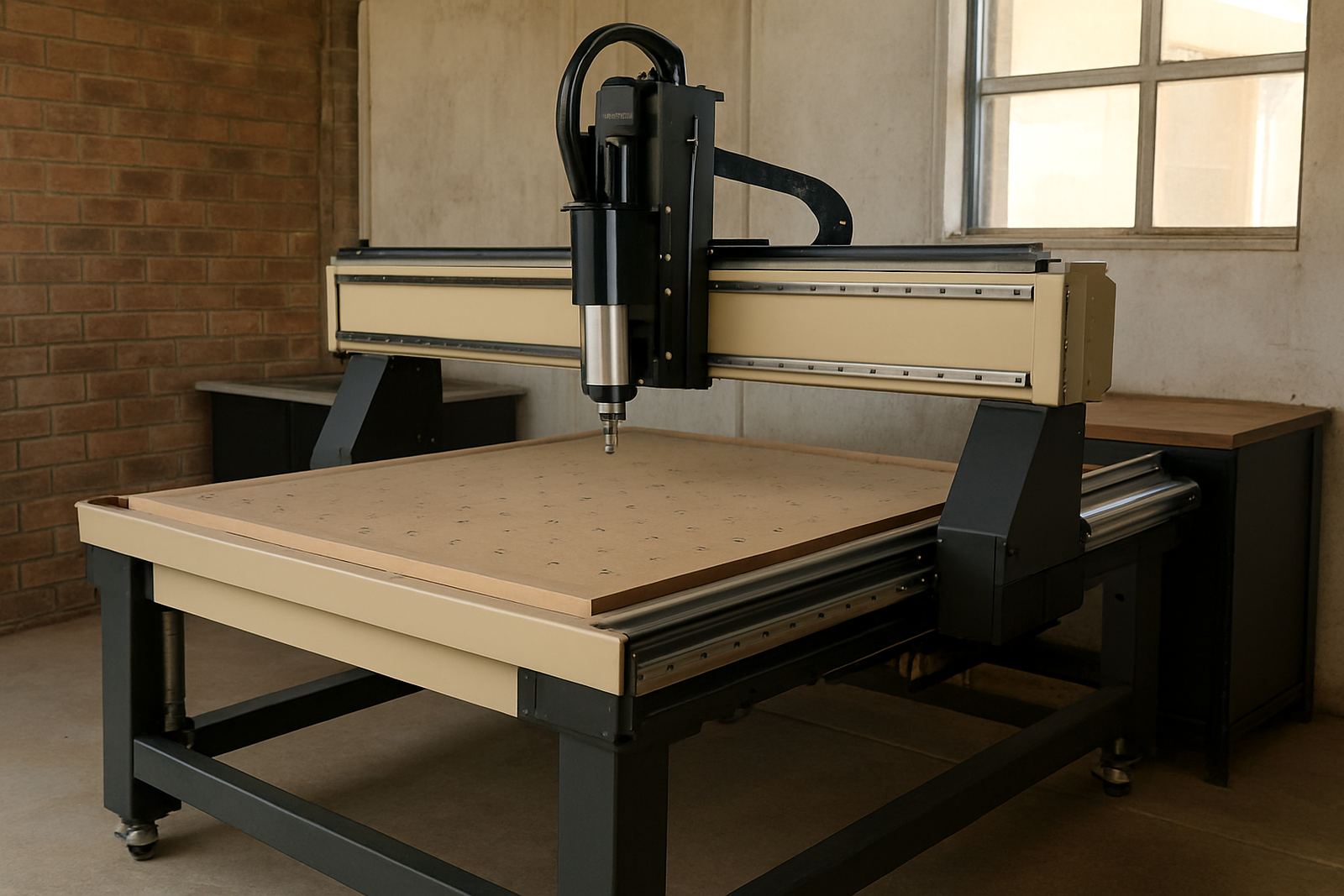
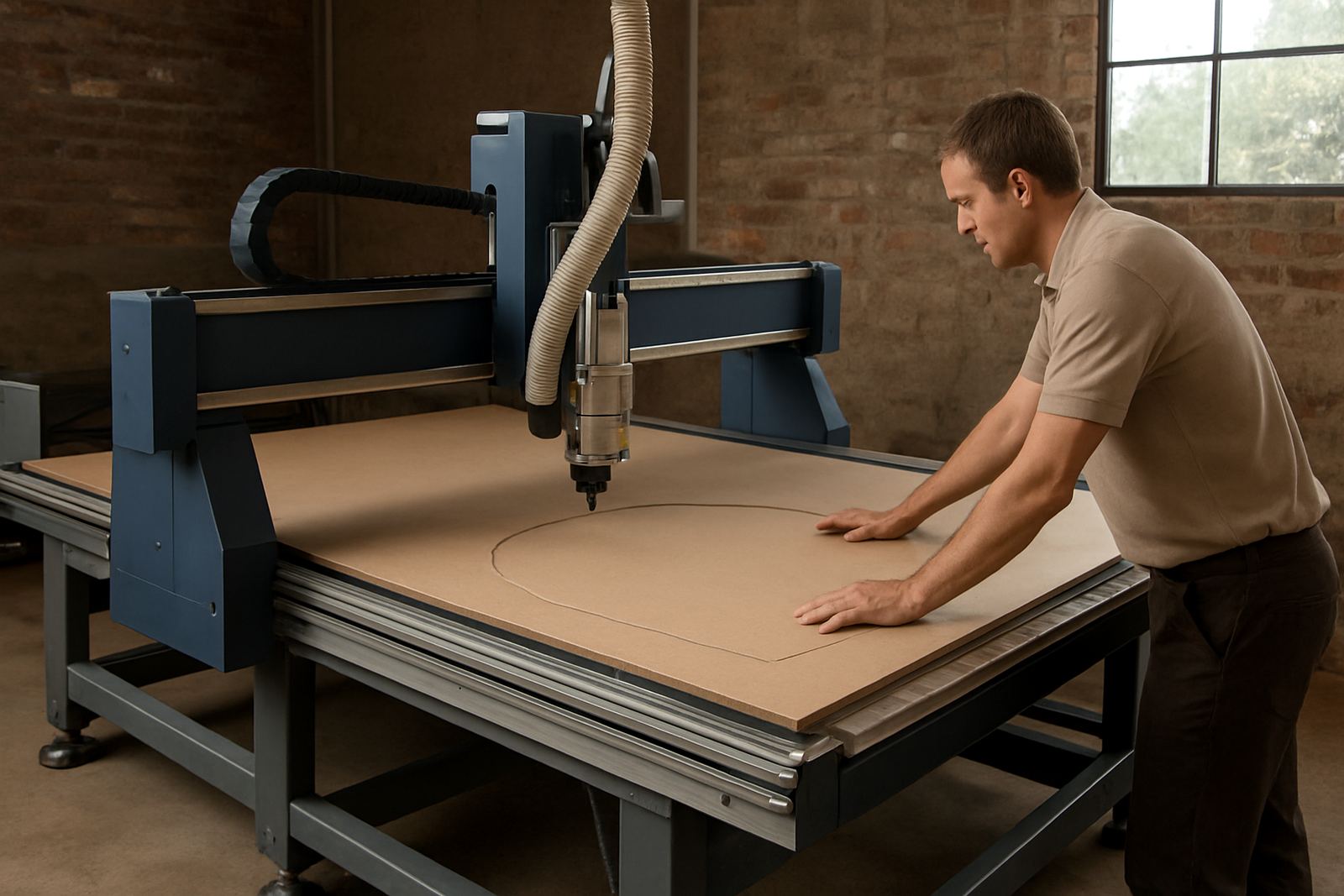
MultiCAM supports oscillating knife setups on selected CNC router sizes, from entry workshop tables through to larger production beds. Choice depends on sheet size, part nesting and how much floor space your workshop can spare. In smaller premises, a compact bed can be enough for samples, templates and short runs. In busier plants, a wider table reduces handling and keeps the operator moving less between cuts.
- Compact beds for sample making, one off parts and smaller sheet formats
- Mid-size beds for sign board, foam inserts and furniture components
- Larger nesting beds for higher throughput and fewer sheet changes
- Vacuum table options for stable hold-down on light and flexible material
- Combined router and knife configurations for mixed production
Some teams prefer a dedicated knife zone, while others want one bed that can switch between routing and knife work. The right choice comes down to material thickness, workflow and whether the shop needs faster turnround or maximum versatility.
Where this option suits best in South African workshops
This tool is useful wherever softer sheet materials are cut regularly. Sign shops use it for display media and foam board. Upholstery and packaging teams use it for foam, gaskets and inserts. Furniture makers may use it for pattern work, lining materials and lightweight components before assembly. It can also help with short production runs where clean repeatable edges matter more than brute cutting power.
In coastal areas like Durban North or Cape Town North, humidity can affect some materials and adhesive backed sheets. Good storage, dry boards and dust control help the cutter perform consistently. In Gauteng workshops, heat and dust are often the bigger issues, so a clean bed and sound extraction plan make a real differnce to cut quality and blade life.
- Sign making and display work
- Foam inserts and packaging components
- Upholstery and pattern cutting
- Gasket and sealing material work
- Lightweight composite and soft sheet trimming
Installation, power and workshop setup
Installation starts with checking floor space, access for loading, and the path from the delivery point to the final machine position. A stable floor, clear overhead access and good lighting all help. The knife system itself needs correct machine setup, accurate tool offsets and a safe area around the bed so operators can load material without crowding the machine.
Power requirements vary by machine size and vacuum arrangement, so the site should be checked before delivery. Some installations need only standard workshop power, while larger cells may need a stronger electrical supply and proper dust extraction. If the machine includes a vacuum table, air and sealing checks matter as much as the cutting head. In some jobs a small compressed air supply is also used for tool actuation or blow off, depending on the machine spec.
- Check available power supply and breaker capacity before order confirmation
- Plan space for loading, offloading and finished part staging
- Allow for dust extraction, vacuum lines and any air supply needed
- Keep the machine away from water ingress and heavy vibration sources
Care, servicing and daily operator habits
Knife systems need regular care if you want clean cuts and reliable repeatability. Blades should be checked for wear, the knife holder kept clean, and any bearings or guides inspected on a schedule. Dust and scrap build up quickly on cutting beds, so daily cleaning helps prevent drag and poor edge finish. Operators should also watch for material shifts, especially on flexible sheet that can lift under the blade.
MultiCAM can support commissioning, preventive maintenance, spindle service, vacuum leak checks, controller backups and operator training. That is useful for shops that run mixed production and cannot afford avoidable downtime. A short service visit can pick up problems early, like poor hold down, worn consumables or a vacuum leak that only shows up under load.
- Clean the bed and knife area every shift
- Inspect blades before fine detail jobs
- Check vacuum hold down and seals regularly
- Keep spare consumables and key settings on record
What to confirm when ordering the right setup
Before ordering, it helps to define the material list first. Thickness, hardness, sheet size and daily volume all affect the right knife specification. Also consider whether the machine will only cut softer media or whether it must switch between routing and knife work in the same week. If the shop handles municipal or tender work, repeatability and clean edge finish may carry more weight than raw speed.
Ask about tool holders, downforce, stroke length and the type of bed support needed for your parts. If you work with delicate materials, a gentler cutting setup can be better than forcing one tool to cover every job. It is also worth confirming where the material will come from, how it is stored, and who will load sheets because that has a direct effect on accuracy and breakage.
- Material types and maximum thickness
- Sheet size and nesting pattern
- Need for routing as well as knife cutting
- Vacuum hold-down requirements
- Operator skill level and training needs
- Spare blades, tooling and service access
Key facts
| Tool type | Oscillating knife option for CNC router beds |
|---|---|
| Typical materials | Foam, vinyl, gasket sheet, leather, rubber and other soft sheet stock |
| Bed sizes | Compact, mid-size and larger nesting formats available |
| Hold-down | Vacuum table options for light and flexible materials |
| Power needs | Depends on machine size, vacuum system and site supply |
| Support | Installation, commissioning, training and ongoing servicing across South Africa |