A sensible first set for day-one cutting
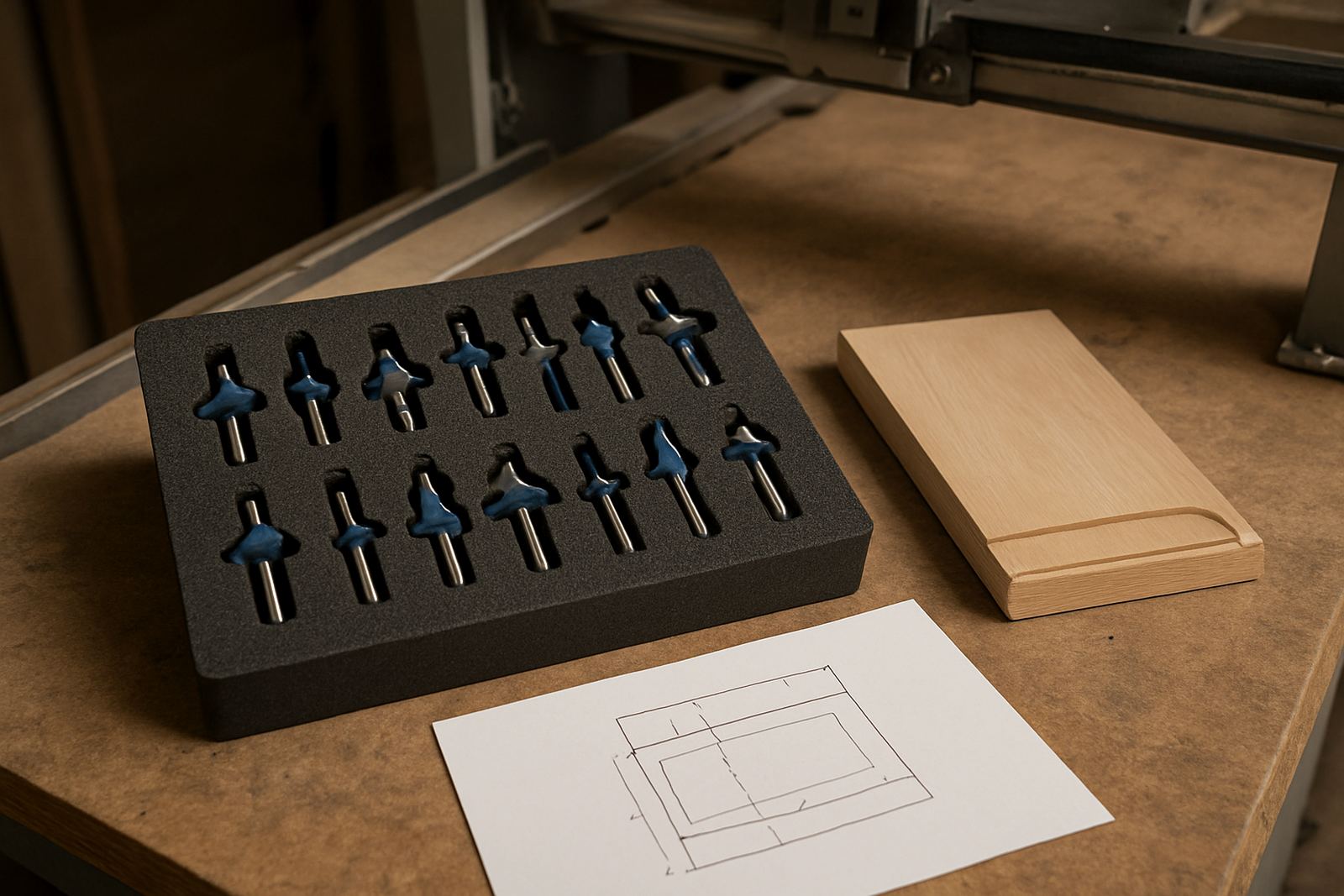
The Tooling Starter Pack is a matched entry set for common routing jobs on sheet goods, plastics and light soft metal work. It is aimed at shops that want to start with the right cutters, holders and setup notes instead of buying random bits and hoping they suit the job. That saves time in Germiston, Midrand or Durban where operators often need to get cutting fast after delivery and power interruptions.
Each pack is selected for practical use on CNC routers and nesting tables, with attention to spindle fit, material thickness and chip clearance. The aim is simple, get a clean edge, stable tool life and fewer broken cutters during the first few weeks of production.
- Suitable for MDF, plywood, melamine, acrylic, PVC and similar sheet materials
- Works with common CNC router spindle setups used in local workshops
- Includes practical guidance for feed, speed and cutter choice
- Useful for single operators and small production teams alike
What is inside and what each item does
A starter pack usually includes a mix of cutting and finishing tools rather than one all purpose cutter. That matters because wood, plastic and aluminium ask for different edge angles, flute counts and chip removal. The pack is put together so a shop can cover profiling, pocketing, slotting and basic nesting with fewer changeovers.
On request, the set can be matched to the machine size and the type of board most often processed. If your work is mostly cabinet parts, sign faces or plastic panels, the tooling notes will point the team toward the most suitable cutter sequence and whether to use a compression, upcut or downcut style first.
- Profile cutters for edge cutting and trimming
- Upcut cutters for chip clearance in deeper passes
- Downcut cutters for cleaner top edges on laminated boards
- Two flute cutters for plastics and light aluminium where finish matters
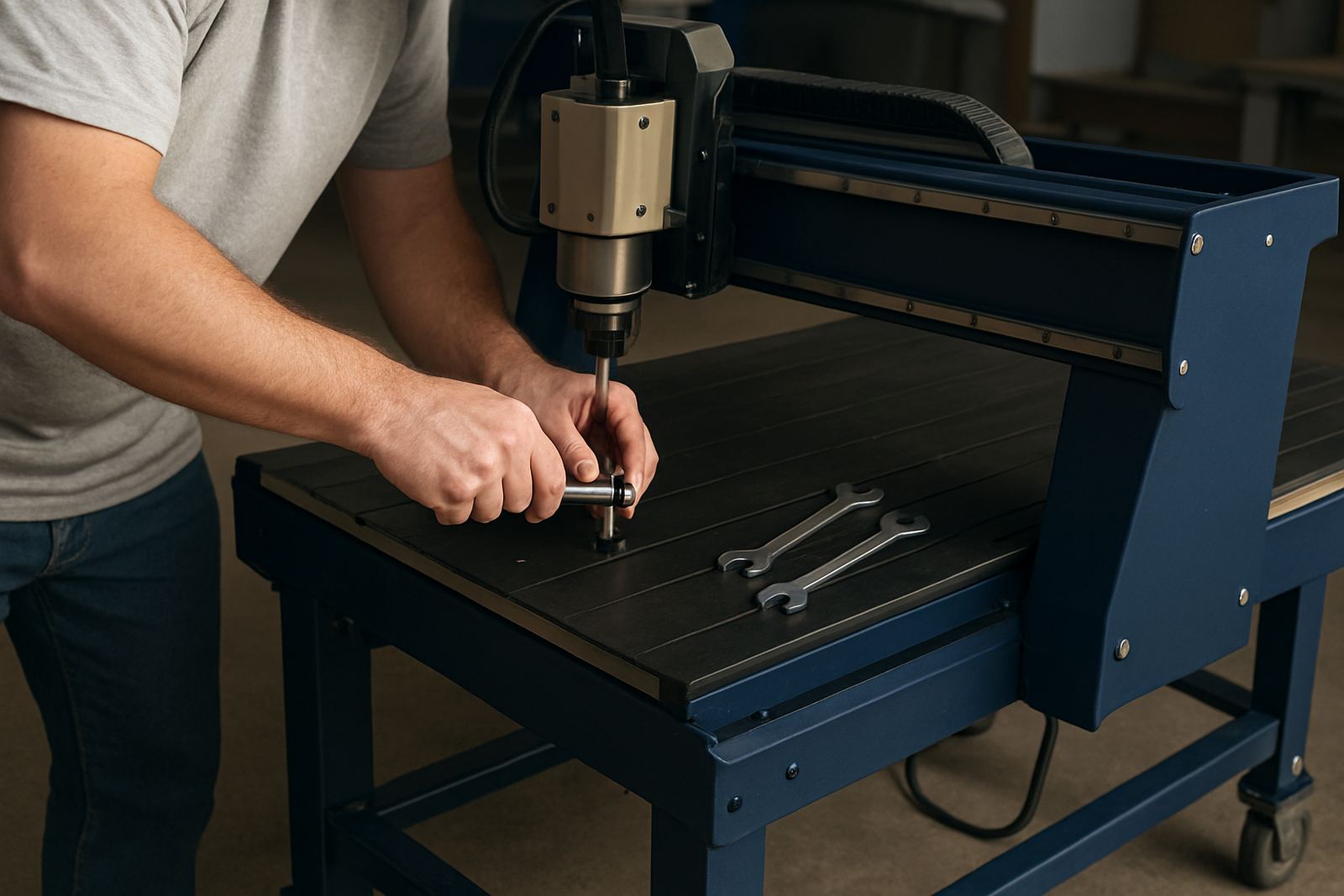
- Collets and setup notes for correct clamping and runout control
Sizes and options for different workshop needs
The Starter Pack can be set up for entry level routers or heavier production machines. Most shops ask for cutter diameters between 3.175 mm, 6 mm and 8 mm because these cover common nesting and detail work. Longer cutters can be added where thicker material or deeper profiling is needed, but only where the machine and spindle allow it.
Options are usually chosen around material thickness, spindle taper, table type and the amount of daily cutting. A sign shop working with acrylic and PVC may need a different mix to a furniture workshop cutting 16 mm board all day. If the machine uses vacuum hold-down, chip extraction and spoilboard condition also influence the best choice.
- Common shank sizes: 3.175 mm, 6 mm and 12 mm
- Typical cutter diameters: Common starter sizes include 6 mm, 8 mm, 10 mm and 12 mm cutters.
- Lengths available for thin board work and thicker sheet cutting
- Options for wood only, mixed material or light non-ferrous use
Where the pack suits best in South African workshops
This package suits fabricators that run short to medium production jobs and need steady output without complicated tooling changes. It is a good fit for kitchen shops, joinery teams, sign makers, plastic fabricators and general panel processors. In coastal areas like Durban North or Cape Town North, the tooling notes also help teams manage humidity, storage and early rust on steel parts.
It also helps new machine owners who are still learning feeds, speeds and the effect of poor clamping. For workshops dealing with load-shedding, the pack makes restart work simpler because operators can return to known cutters and setup values after a power cut, instead of re testing everything from scratch.
- Cabinet and furniture component cutting
- Sign board, acrylic and PVC panel work
- Template making and general workshop profiling
- Light-duty aluminium cutting where the machine is suited
Installation, power and workshop setup notes
The starter set itself does not need special power, but the machine it is used on should have a stable electrical supply, proper earthing and correct dust extraction or chip control. For larger routers or production cells, clean compressed air and safe tool storage are also important. Where vacuum tables are used, the team should check suction leaks and spoilboard condition before expecting fine finish work.
During setup, the tool lengths must be checked against the controller offsets and the operator should confirm safe clearance on the Z axis. A quick first job test is always wise. It shows whether the cutter is leaving tear out, burning or chatter, and lets the team adjust feed or spindle speed before full production starts.
- Confirm spindle holder and shank size before ordering
- Check dust extraction capacity for the expected chip load
- Test the first tool path on offcuts before production runs
- Store cutters dry to reduce corrosion in humid conditions
Maintenance, service points and checks before you order
Cutters last longer when they are cleaned after use, kept in order and not forced through the wrong material. A dull tool can damage the board, load the spindle and leave poor edges that need extra sanding. For workshops that cut daily, regular inspection of runout, collets and holder wear is part of normal maintenance.
Before placing an order, it helps to confirm the machine model, spindle size, materials used most often and the typical board thickness. It is also worth checking whether the job needs roughing, finishing or both. If the team is unsure, the sales and applications staff can advise on a practical first mix and note any limits on speed or depth of cut.
- Machine make and spindle holder size
- Main materials and board thicknesses
- Preferred finish quality and daily cutting volume
- Whether you need wood, plastic or light metal cutters
- Any vacuum table, dust or chip extraction limits
Key facts
| Product type | Starter tooling set for CNC routers |
|---|---|
| Main use | Wood, plastic and panel cutting |
| Common shank sizes | 3.175 mm, 6 mm, 12 mm |
| Common cutter diameters | 6 mm to 12 mm |
| Compatible machines | Entry to production CNC routers with matching spindle holders |
| Support | Tooling setup guidance, operator training and replacement advice |