

When a CNC router starts sounding different
Most operators learn the normal voice of a machine within a few days. A clean, steady cut has a consistent pitch, with only small changes as feed rate, material and toolpath change. When the sound shifts suddenly, or the machine begins to hum, grind, knock or whistle in a new way, it is worth stopping to check before the job is damaged.
At MultiCAM, we often tell teams to treat noise changes as a practical warning, not a drama. A router that sounds rough may still finish the sheet, but it can also be telling you that the cutter is dull, the spindle bearings are tired, the vacuum hold-down is weak, or a panel is moving when it should be fixed. In a Germiston workshop with dust in the air and a long summer shift, those small clues matter.
Noise patterns that point to tooling trouble
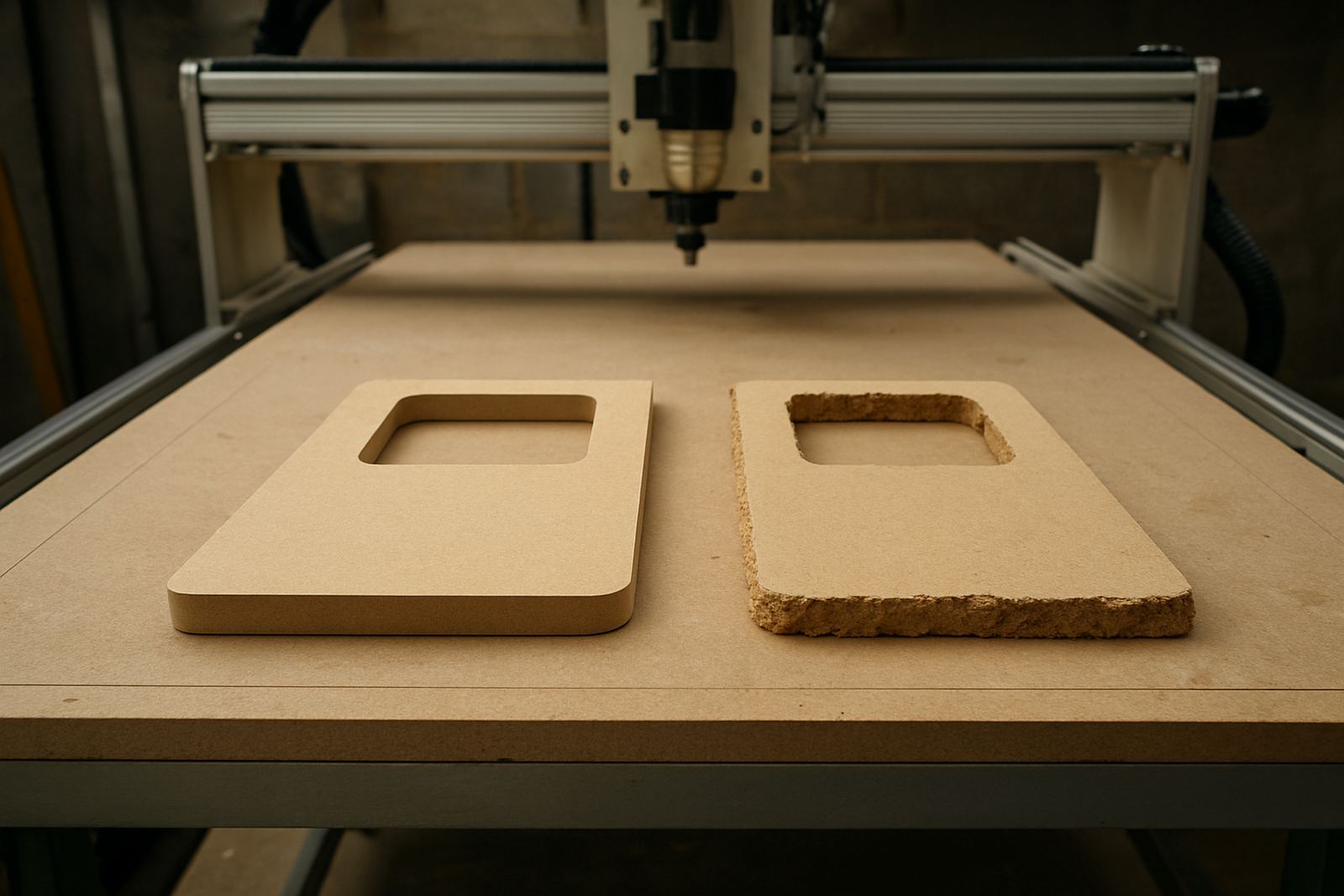
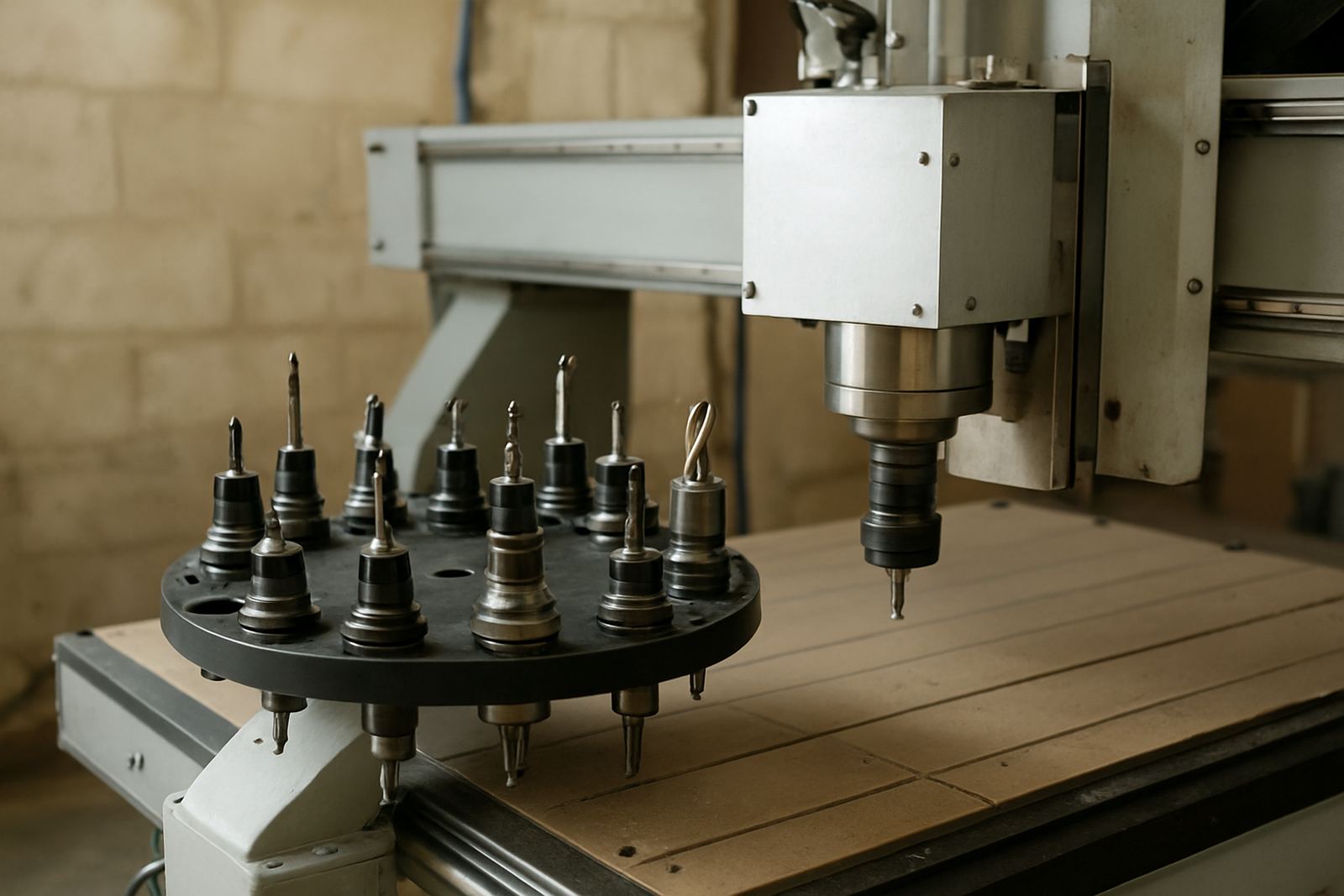
Tooling faults are among the most common causes of unusual router sound. A blunt cutter, chipped flute, loose collet or wrong cutting speed can all change the pitch and load on the machine. The sound may become higher and sharper, or the router may chatter in short bursts as the tool fights the material.
Watch for these signs:
- A squeal that gets worse as the cutter enters the sheet
- Rattling or ticking that was not there on the previous job
- A rough edge paired with a louder than normal cut
- Burn marks on wood, melting on plastics, or burrs on soft metal
- Vibration felt in the table or gantry during light passes
If the sound improves after changing to a new cutter, the issue was likely tooling or setup. If it stays the same, the next check should be the spindle and holding system.
What bearing noise usually sounds like
Spindle bearings rarely fail without warning. The early sound is often a fine whine, then a growl, then a harsher rumble that stays even when the tool is lifted clear. Operators sometimes notice the spindle feeling warmer than normal after a short run, or hear the machine sounding louder at the same RPM. That is a signal to inspect the spindle before it turns into a bigger repair.
Bearings can be affected by dust ingress, poor cooling, long hours, or repeated use at speeds that do not suit the tooling. In coastal towns like Durban North, humidity can also make storage and maintenance habits more important, especially if the machine sits idle for parts of the day. A clean filter and a sensible service schedule are small things that pay back fast.
Vacuum leaks and loose hold-down sound different too
Not every noise comes from the cutter path. When hold-down is weak, the sheet can lift, chatter or shift slightly under the tool. That often sounds like knocking, fluttering, or a repetitive slap as the cutter meets a panel that is not fully secured. The machine may also seem to work harder because the material is moving instead of staying flat.
Vacuum problems can show up as a louder pump, a change in suction hiss, or sheets that need extra packing and tape just to stay put. If the table sounds airier than usual, check the following:
- Vacuum hoses for splits, loose clamps or blocked sections
- Table zones that are not pulling evenly across the bed
- Gasket wear around pods or spoilboard areas
- Leaks caused by a badly sealed workpiece or damaged sheet
- Dust build-up around the bed surface and seals
A simple vacuum leak check often finds the issue before a sheet shifts and ruins a full nesting run.
How workshop conditions change the sound of a machine
South African workshops do not all run in ideal conditions. Power dips, heat, dust and long operating hours all affect how a router sounds. After load-shedding, a machine may need a careful restart and controller check before production begins again. If the power returns with a surge or the system was shut down mid-job, listen closely during the first test cut.
Dust build-up is another factor. Fine board dust can pack into moving parts, cover sensors and make fans work harder. On a hot day in Johannesburg East, a machine with blocked airflow can sound strained even before the cut starts. Operators should know the normal machine sound on a quiet test run, then compare it with the sound under load. That habit makes problems easier to spot.
A quick response checklist for operators
When the sound changes, do not keep pushing through the job and hope it settles. Stop, isolate the problem and check the basic items first. In many cases the fix is simple if it is caught early.
- Pause the job and confirm the change is real, not just a new toolpath
- Inspect the cutter for wear, chips or a loose fit
- Check the spindle for heat, play or rough rotation
- Listen for air leaks, pump changes or panel movement
- Review feed speed, RPM and material thickness against the setup note
- Back up the controller settings before making larger changes
If the machine has developed a new noise after relocation, commissioning or maintenance, that should be recorded as well. A short note in the shift book can save time when the next operator takes over.
Why local support and training matter
Noise diagnosis is easier when the team knows what normal looks and sounds like. That is why operator training, tooling setup and preventive maintenance are worth the effort. A workshop in Pretoria East may run thin acrylic in the morning and cabinet parts in the afternoon, while a sign shop in Midrand may switch between nested sheets and profile work. Each pattern puts different loads on the machine.
For MultiCAM clients, calm troubleshooting is part of the process. We look at the sound, the cut quality, the vacuum hold-down and the controller history before recommending a repair. If a machine needs service, relocation support, or dust system balancing, the aim is the same: keep the workshop making parts with fewer surprises and less lost time.