What sign workshops usually need from a CNC router
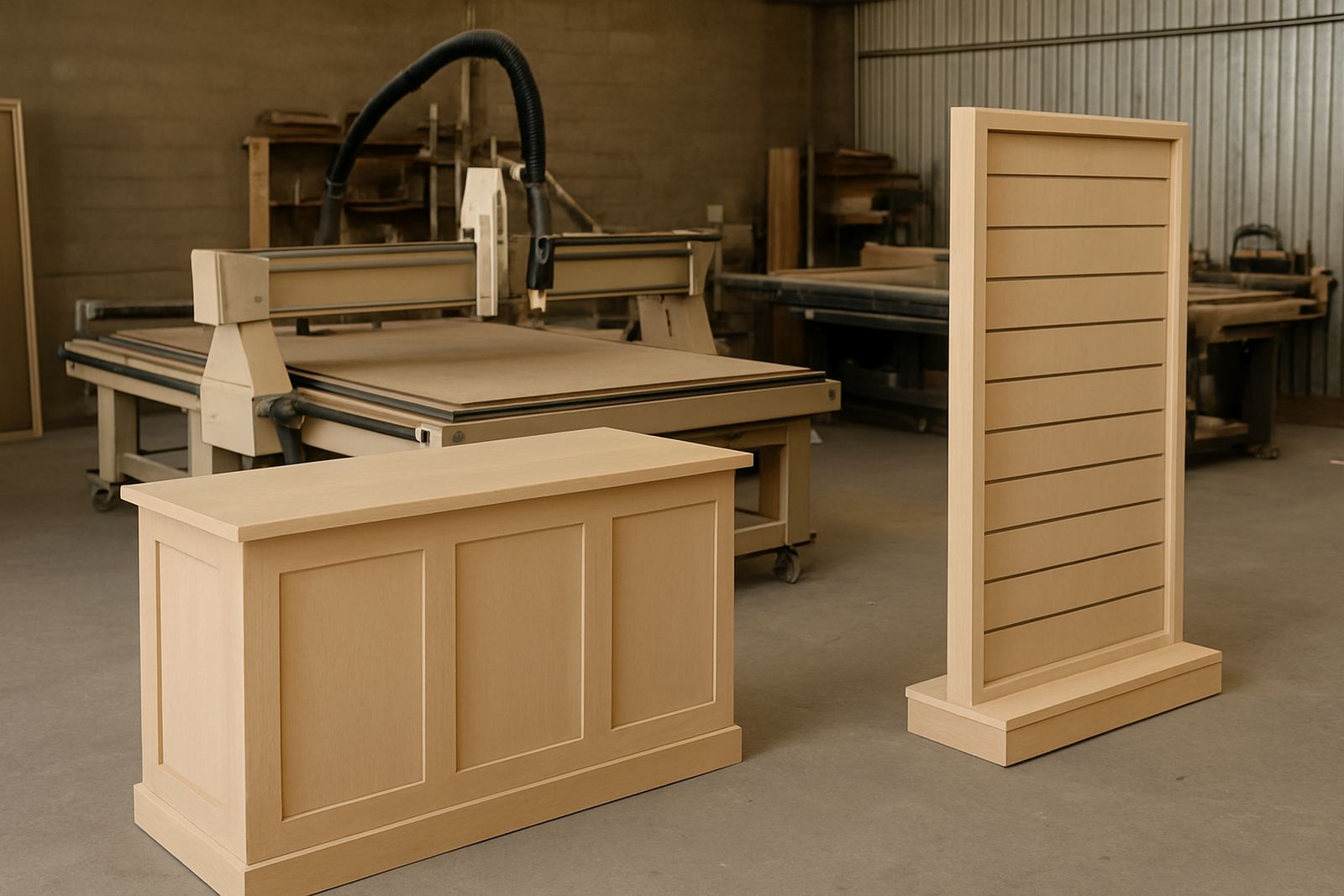
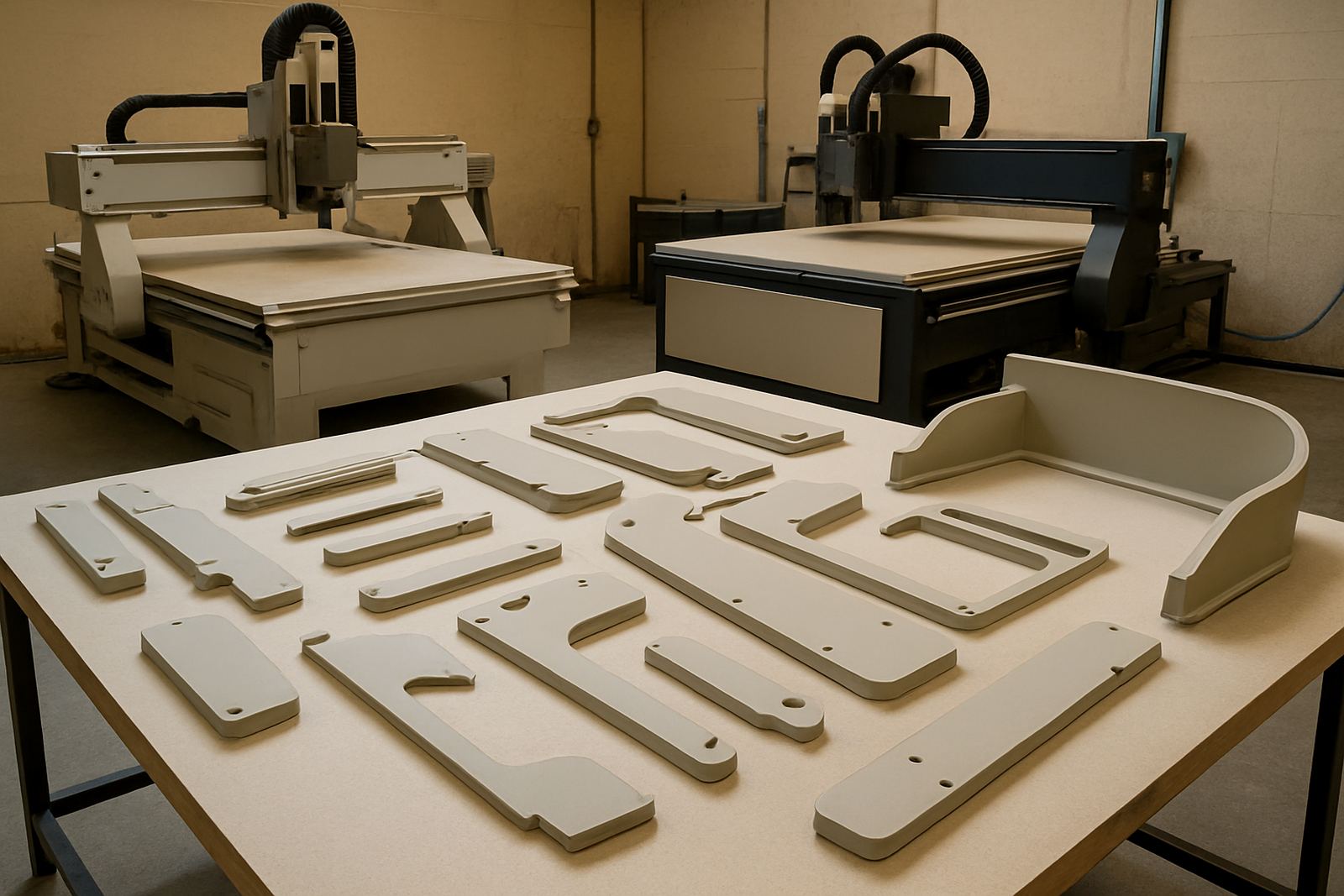
Sign making is rarely one-material work. One day the team is cutting acrylic letters, the next it is aluminium composite panels, PVC trim, foam board or timber backing pieces. The machine has to handle these changeovers without constant resetting and without leaving burrs, chip-out or wandering cuts. In a busy shop, that means proper spoilboard support, good dust extraction and a control system that operators can read quickly.
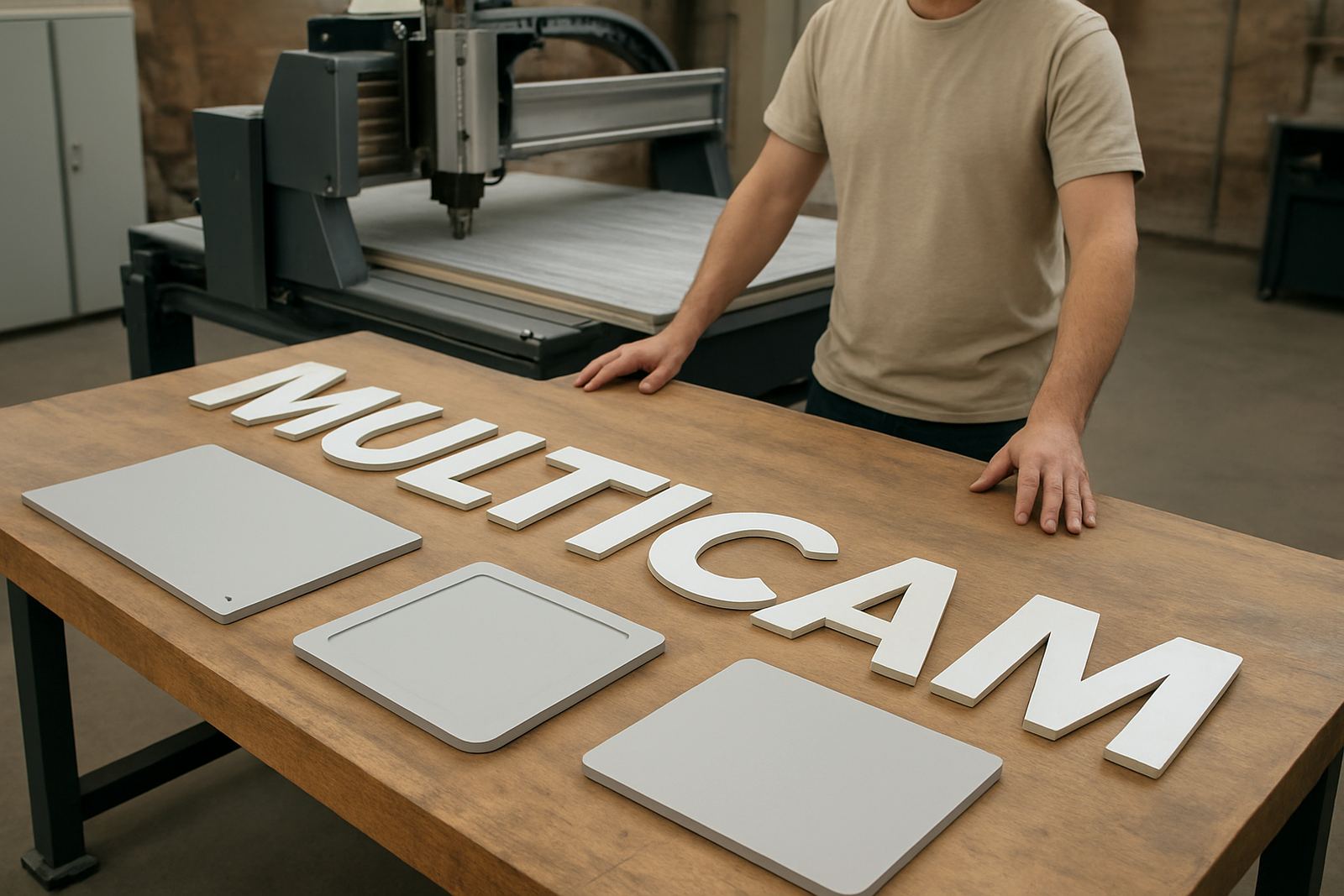
Many sign workshops start with hand routing or a small bench machine, then outgrow it once jobs become more repetitive. If your crew is producing shopfront lettering, directional signs, safety boards or promotional panels, a CNC router can cut the same profile all day with fewer offcuts and less rework. That matters when turnaround times are tight and clients want the next batch by tomorrow morning.
MultiCAM works with fabricators who need practical advice on machine size, tooling and table type. The aim is not just to buy a router, but to match the machine to sheet sizes, daily volume and the material mix in the shop.
A sensible equipment set for mixed-material sign work
For sign making, the usual starting point is a CNC router with a vacuum table, a reliable spindle and control that is easy for an operator to learn. Shops cutting full sheets often prefer a bed size that suits standard board formats, while smaller sign teams can work with a compact table if their jobs are mostly nested panels and cut-outs. Where dust and swarf are part of the day, extraction and vacuum leak control become just as important as spindle speed.
A practical setup often includes:
- A vacuum table for flat sheet holding and faster loading
- Router bits suited to acrylic, PVC, timber and aluminium composite
- Dust extraction matched to the cutting volume
- Spare spoilboards for quick changeovers
- Controller backups so a machine reset does not wipe out a job file
- Basic operator training for offsets, feeds and safe clamp placement
For shops that produce repeat signage, a second table or a simple production cell can reduce idle time. If the machine is sitting waiting for material prep, the real bottleneck is usually layout and handling, not cutting speed.
Layout planning for workshops in Germiston, Durban and Cape Town
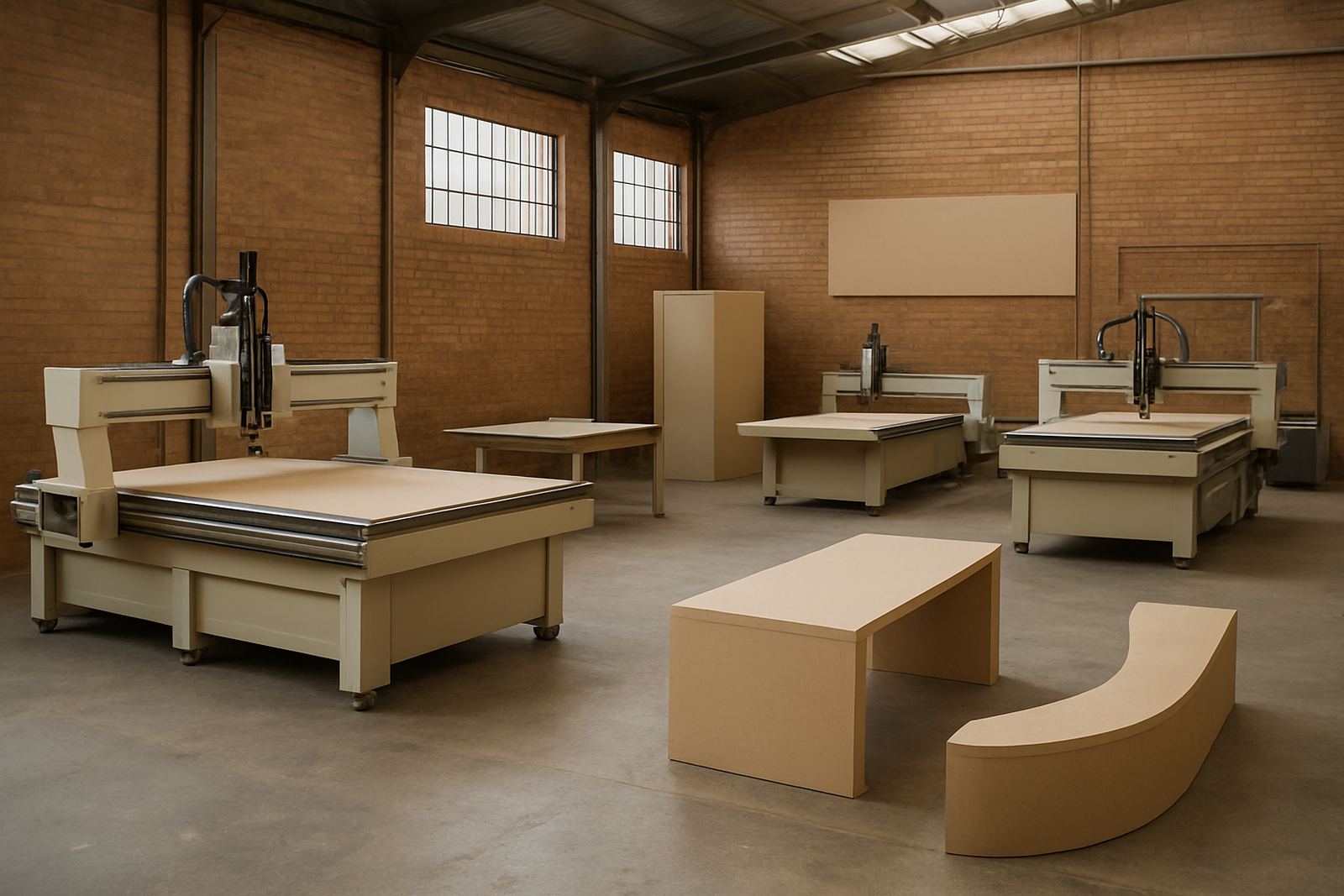
Machine placement has a real effect on output. In Johannesburg East and Germiston, many workshops work in tight industrial units where forklift access, sheet storage and dust routing all compete for space. A router needs room around the table for loading boards, changing tooling and clearing cut parts without knocking them onto the floor.
Before installation, plan the route for full sheets, the compressor position, vacuum lines and power supply. Coastal workshops in Durban North and Cape Town North should also think about humidity, corrosion and how stored boards behave in warm, damp conditions. That can affect flatness and hold-down, especially on thin panels and foamed boards. In some areas, noisy extraction and dust control may also need to fit local municipal or park rules, so it helps to know those details before the machine arrives.
- Keep material storage close to the infeed side of the table
- Leave a clear path for offcuts and finished signs
- Separate cutting dust from paint or finishing areas where possible
- Allow space for service access to the spindle, drives and filters
- Check that power and compressed air points are where the operator can reach them safely
A well planned floor layout saves time every day. It also reduces the small accidents that happen when people carry 2.4 metre boards through a cramped shop.
Common sign-making mistakes that cost time and Rand
One common mistake is choosing a machine only on bed size. A larger table is useful, but if the shop cannot feed it properly or the crew cannot set jobs quickly, the extra size becomes dead space. Another mistake is underestimating tooling. A sign workshop that cuts acrylic, MDF, PVC and aluminium composite needs more than one generic cutter. Wrong tooling leads to chipped edges, melted plastic and extra hand finishing.
Dust extraction gets ignored more often than it should. Fine dust builds up around the table, in the gantry and in the workshop air, and that affects both cut quality and operator comfort. Vacuum leaks are another issue. If the spoilboard is warped or the zones are not balanced, smaller parts move during cutting and the job has to be run again.
We also see shops skip backups and training. If one person knows the machine and nobody else does, sick leave or staff changes can slow the whole operation. A short training session on setup, feed rates, safe clamps and file checks is usually cheaper than recovering a full sheet of scrapped material.
Budget ranges for sign shops starting or upgrading
Budget depends on sheet size, automation level and how much material variety the workshop handles. As a practical guide, entry-level CNC routers for smaller sign makers can start around R180 000 to R350 000, depending on the table, spindle and control package. Mid-range machines for regular production and fuller sheet use often sit between R350 000 and R850 000. Larger production cells with stronger vacuum systems, automatic tool changing or multiple work zones can run from about R850 000 upwards.
It is worth setting a budget for the whole working system, not only the router. Many shops also need dust extraction, tooling, spoilboards, relocation, installation and operator training. In real terms, that can add a further R25 000 to R150 000 or more, depending on what is already in place. A cheaper machine that needs constant manual finishing often costs more over 12 months than a better matched setup.
For a growing sign shop, the right question is not only what the machine costs today, but how many extra jobs it can process in a week without stress on the team.
Installation, service and support from Germiston
MultiCAM is based in Germiston and supports sign makers across South Africa with machine installation, commissioning, preventive maintenance, spindle service, vacuum leak checks, controller backups, operator training, tooling setup, machine relocation and dust system balancing. That support matters when a shop is working to a deadline and cannot afford a machine sitting idle for half a day.
The team includes Marius Johannes van der Merwe, Lerato Nkosi, Stefan Naude, Lesedi Ntanzi, Farieda Adams, Mpho Mtshali and Chantel Naidoo, with branch support reaching Johannesburg East, Midrand, Pretoria East, Durban North and Cape Town North. Whether a shop is replacing a worn machine or setting up a first router, the goal stays the same: clean cutting, predictable setup and fewer surprises on the job.
For sign making, that calm, practical support often makes the difference between a machine that is impressive in the quote and one that actually earns its keep on the floor.