What a vacuum pump pack does on a CNC router
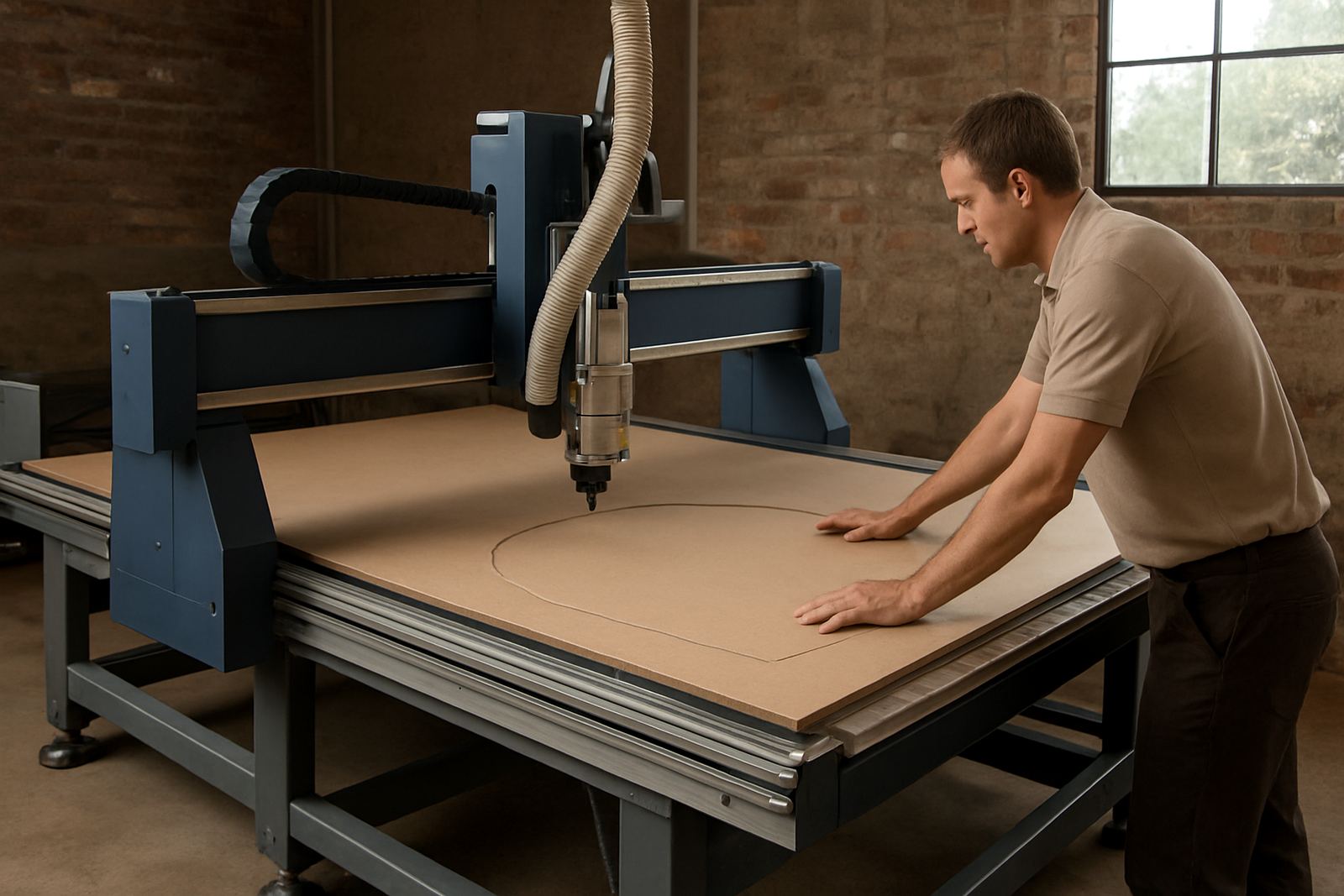
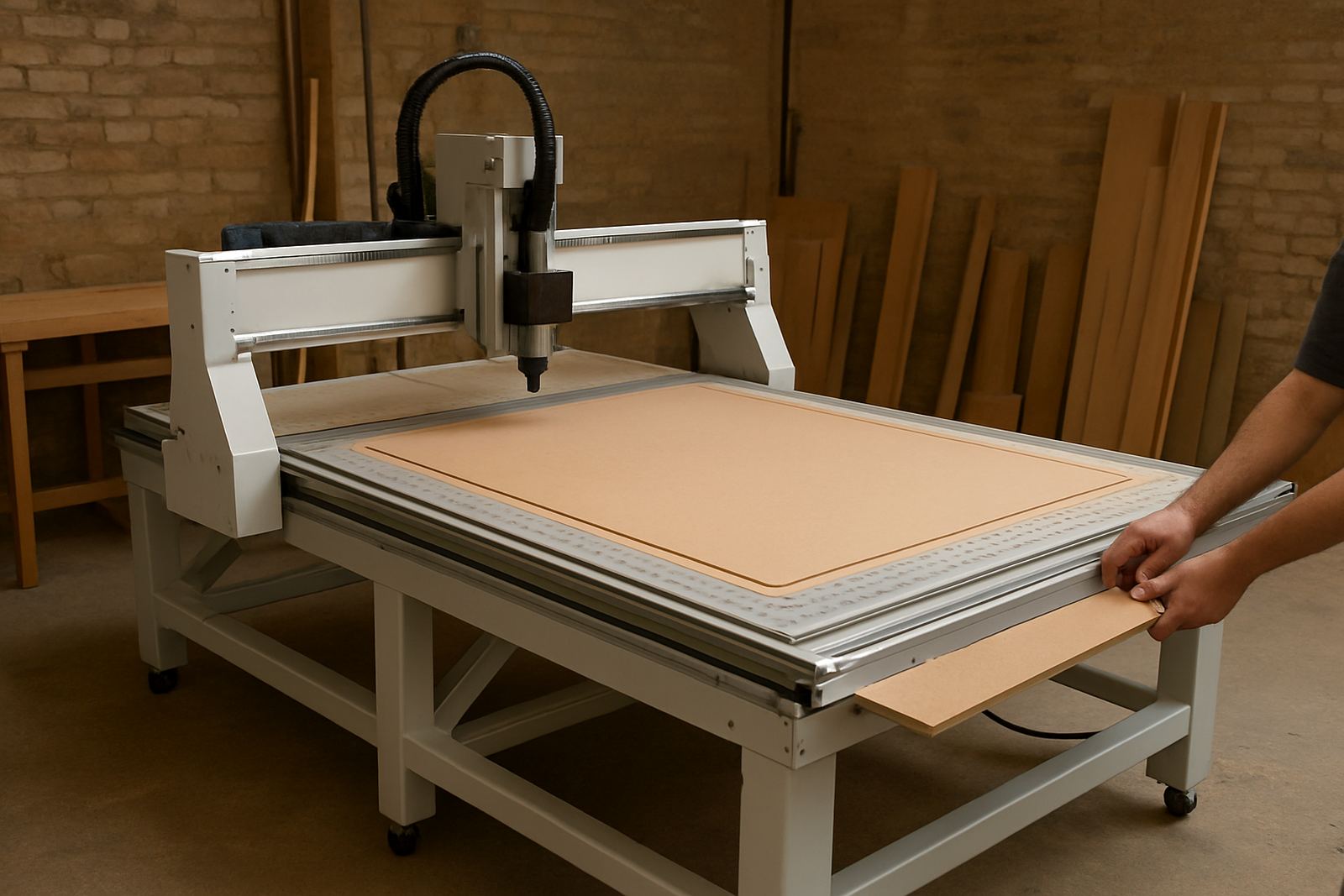
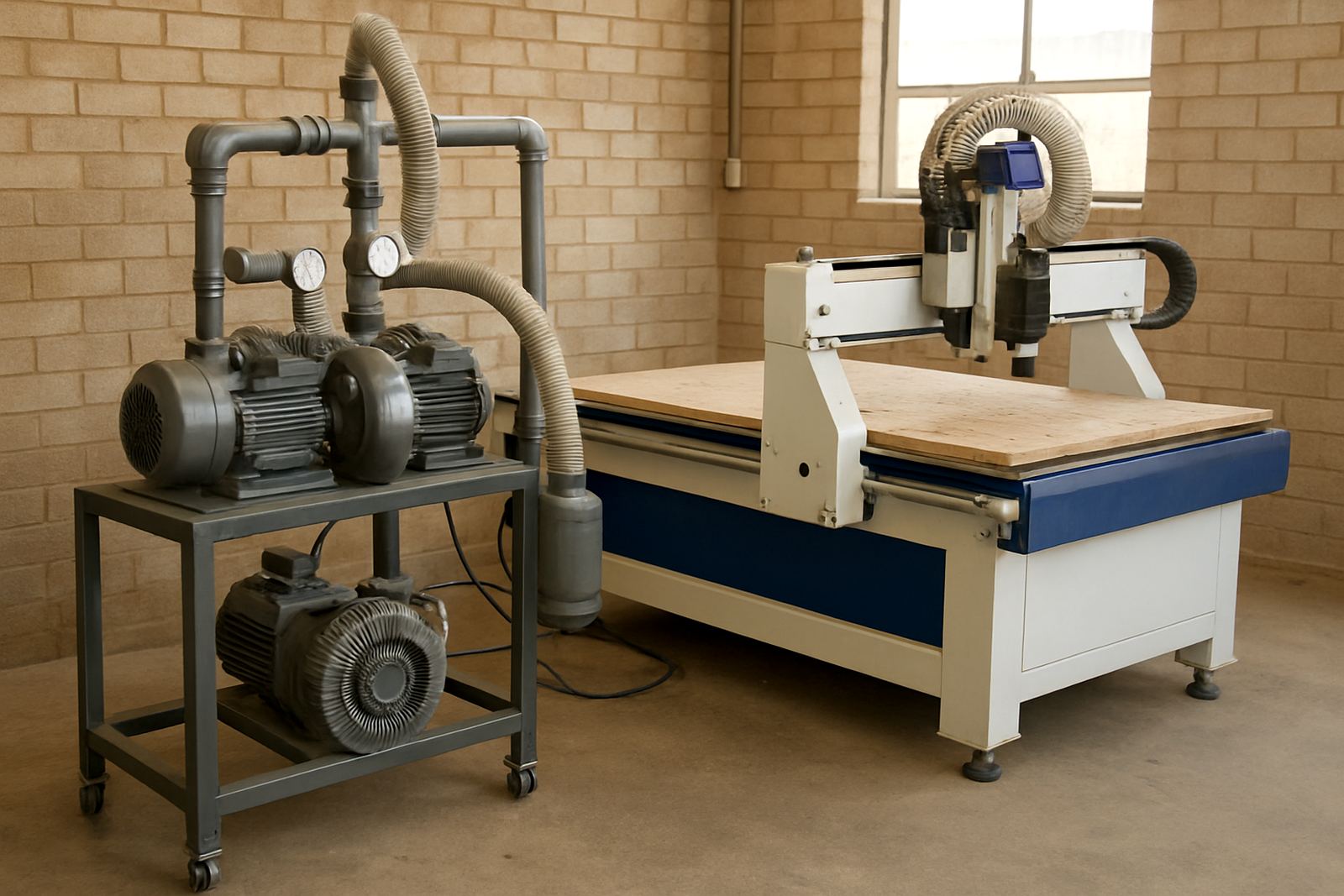
A vacuum pump pack is the part of the CNC setup that creates suction under the table, pulling the sheet tight against the spoil surface or vacuum pods. In plain terms, it helps keep the material flat while the router cuts, so parts do not creep when a tool changes direction or when the sheet has slight bow. That matters on nesting jobs where you are cutting full boards, running multiple parts at once, or working with thinner panels that can flutter if hold-down is not consistent.
For local workshops, the value is practical. Johannesburg dust, Durban humidity and Cape Town coastal air all affect how material behaves and how well seals hold. A well chosen vacuum system gives more dependable clamping than makeshift weights or tape, and it supports cleaner cut paths on furniture parts, signage sheets and plastic components. It also gives the operator a calmer job because the hold-down is doing its part, not fighting the cut.
- Stable hold-down for sheet nesting and repeated part runs
- Better support for thinner boards and larger format sheets
- Less movement during profiling, pocketing and drill patterns
- Works with vacuum tables, zones and gasketing layouts
Vacuum pump pack sizes and setup options
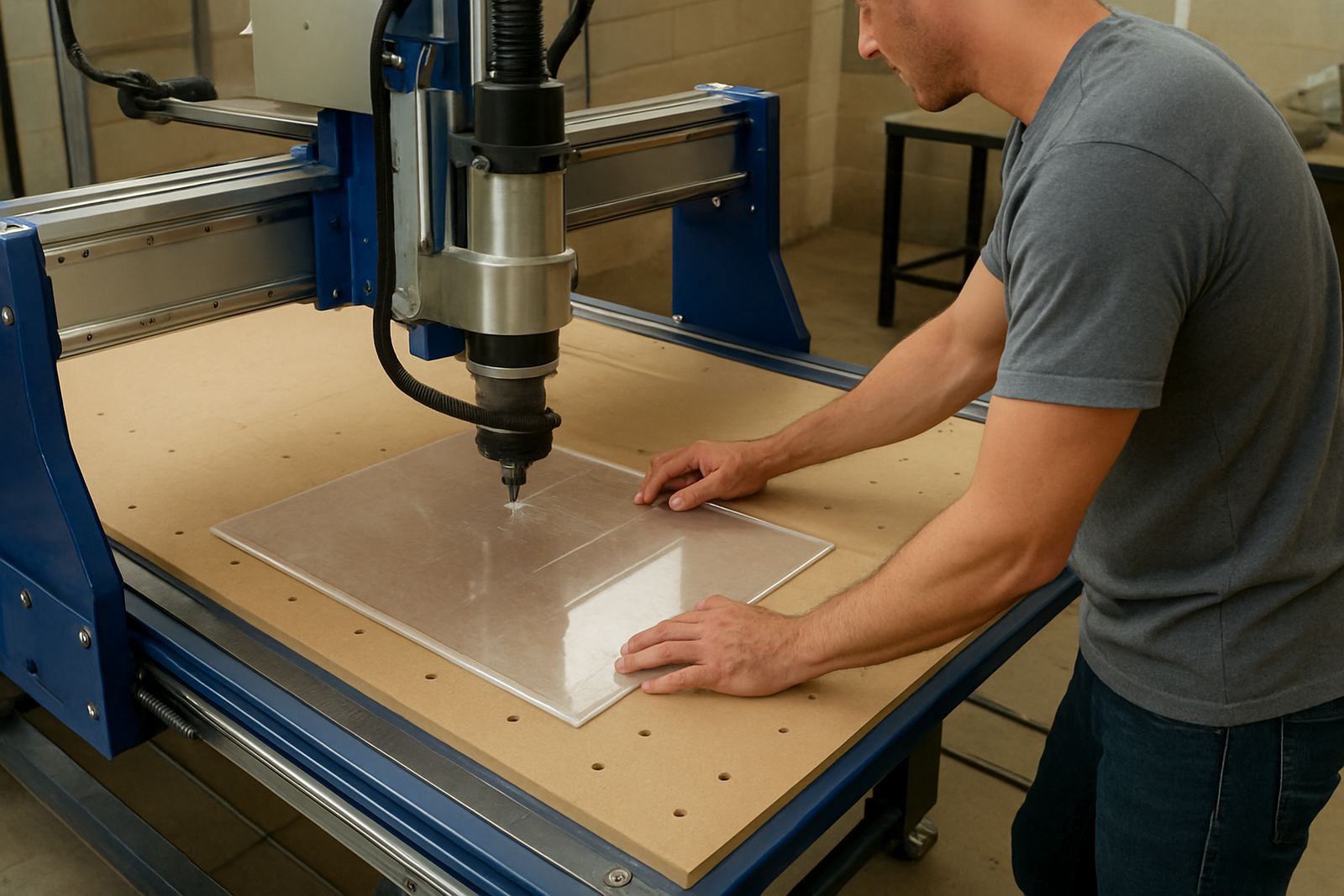
MultiCAM supplies vacuum pump pack options to suit entry routers, mid-size shops and higher output production cells. The right size depends on table area, number of vacuum zones, spoilboard porosity and the type of material you cut most often. A small pack may be enough for a compact router used on MDF, ply and acrylic, while a larger system is better for broad tables, long nesting shifts and mixed production where a few leaks are unavoidable.
Options usually include dry or oil-lubricated vacuum pumps, vacuum reserve tanks, filters, hoses, manifolds and isolation valves. Some workshops also need a booster setup or multiple pumps if they work with porous boards or want faster recovery between jobs. On production floors, separate zones help when you are loading one sheet and cutting another, because the machine can keep suction where it is needed most.
- Single pump packages for small and medium routers
- Multi pump or higher flow packs for large table areas
- Vacuum tanks for steadier pressure during interruptions
- Zone control for partial sheets and mixed job sizes
- Filter and moisture control for cleaner long term running
Where this hold-down system suits best
This package suits fabricators who cut flat sheet goods every day and need predictable hold-down without constant manual fixing. Cabinet shops use it for nesting carcass parts and doors. Sign shops use it for acrylic, PVC and composite panels. Plastic fabricators use it for routing and trimming. Light metal users can also benefit when cutting softer metals, provided the machine, tooling and feed rates are set correctly.
It also suits workshops that are growing from manual clamping into cleaner CNC production. If you are moving from a small router to a larger table, or you are adding a second shift, a good vacuum system can become the difference between an awkward machine and one that really earns its keep. In Germiston and the East Rand, many workshops run mixed materials in tight spaces, so a package that is planned around real airflow and table layout is usually worth more than just buying a pump on its own.
- Furniture and cabinet production
- Sign making and display panel cutting
- Plastic and acrylic routing
- Soft metal and aluminium light machining
- Shops with nesting production and repeat batches
Installation needs, power and workshop conditions
Vacuum systems need proper installation if they are going to work as expected. They should sit on a stable base, with good airflow around the motor and safe access for maintenance. Power requirements vary by pump size and whether the system uses single phase or three phase supply. Before order confirmation, MultiCAM checks the available supply, breaker capacity and the way the pump will start under load. That helps prevent nuisance trips, which are never welcome during a full day of cutting.
In some shops, the vacuum pump pack is installed close to the router, while in others it is placed in a separate service area to reduce noise and dust exposure. That choice depends on the building, the floor space and whether the site has room for ducting and cooling air. For coastal sites, corrosion control matters. For inland sites, dust filtration becomes more important. Good plumbing, correct hose sizing and leak free fittings all help the pump reach proper suction without working harder than it should.
- Confirm whether your workshop supply is single-phase or three-phase power
- Allow space for ventilation, service access and dust clearing
- Use correct hose sizes and proper fittings
- Plan for noise, moisture and dust exposure at the install point
- Confirm where the pump will sit relative to the router table
Care, servicing and day to day checks
A vacuum system gives best results when the workshop treats it like a production utility, not a fit and forget item. Filters need cleaning or replacement, seals should be checked for wear, and hoses must be inspected for splits or loose joins. If suction drops, the first problem is often a leak or a blocked filter rather than the pump itself. A quick check before the shift can save a lot of stoppages later in the day.
MultiCAM supports preventive maintenance, vacuum leak checks and controller backups as part of a practical service plan. On busy sites, operators should be trained to notice changes in sound, pressure recovery and part hold-down. If the pump runs hotter than usual, pulls too slowly or starts to cycle oddly, it is time to look at the system before a small fault becomes a stoppage. A clean spoilboard and sensible zone use also help the pump do less work. The old trick of ignoring a leak till next week is rarely worth it.
- Clean or replace filters on schedule
- Check seals, hose joints and valves for leaks
- Listen for changes in pump noise or recovery time
- Keep the spoilboard and gasketing in good condition
- Book servicing before peak production periods
What to check before ordering the pump pack
Before ordering a vacuum pump pack, it helps to have a clear picture of the machine and the work it will do. The table size, typical sheet size, material thickness, number of zones and daily runtime all affect the spec. You should also note whether you cut porous boards, solid timber, plastics or aluminium, because each one changes the airflow demand. If your workshop uses a dust extraction system already, it is worth planning the pump position so the two systems do not fight for space or cooling air.
MultiCAM can help with machine selection, tooling notes and setup guidance, but the details on the order sheet are what keep the install on track. Measure the space, confirm the power available and check where the operator will load sheets. If the site is in a municipal area with noise limits or restricted service access, that should be raised early. The more exact the brief, the fewer surprises on install day and the easier it is to get hold-down that behaves as expected.
- Machine model and table size
- Sheet sizes and material types
- Power supply available on site
- Space for pump, filters and service access
- Whether you need zones, tanks or multiple pumps
Key facts
| System type | Vacuum hold-down pack for CNC router nesting tables |
|---|---|
| Typical use | Sheet clamping for wood, plastics, composites and soft metals |
| Power options | Single phase or three phase depending on pump size |
| Main components | Pump, filters, hoses, manifolds, valves and optional tank |
| Control setup | Zone based hold-down or full table suction layout |
| Service support | Installation, commissioning, maintenance, leak checks and operator training |