
Why the cell waits are often not in the cut
When people compare production cells, they usually focus on spindle speed, tool change time and nesting software. Those matter, but in many South African workshops the biggest delays sit around the machine. A board is late to the table, offcuts are stacked in the wrong place, or cut parts need a second hand to sort before the next sheet can go down.
That is why timing should be planned as a full workflow, not just a machine spec. If one operator can keep up with the cut, the cell may run smoothly. If the team is still carrying sheets past a bottleneck in packing or sorting, the machine spends more time waiting than cutting. On a Monday morning in Germiston, that lost time can be the difference between finishing a kitchen run and pushing delivery into the afternoon.
Match the cell to the people doing the loading
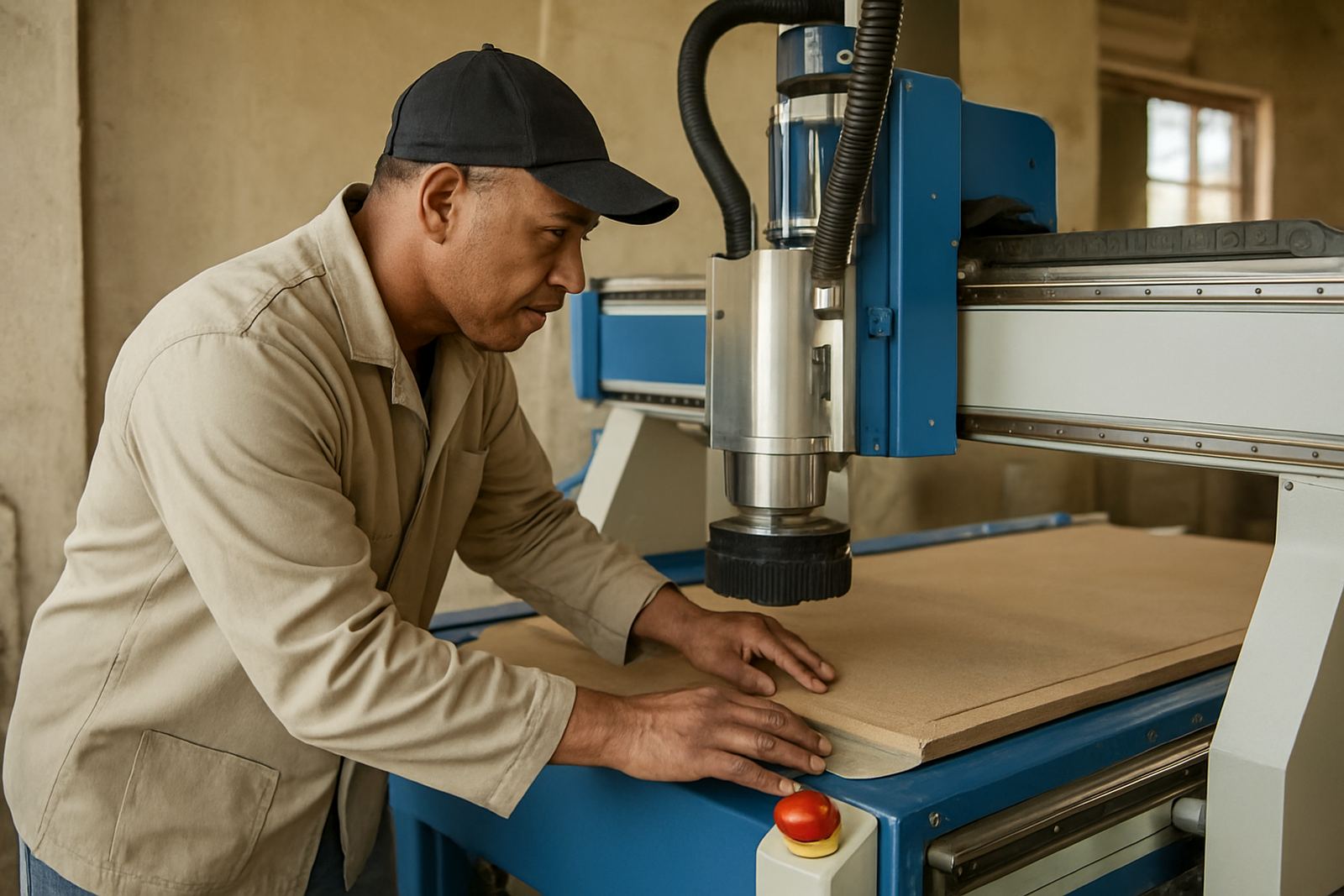
A production cell is only as fast as the people feeding it. In smaller Gauteng shops, one person may load, another may unload and sort, and a third may handle the next pack of material. In a busier factory, that same work may need a fixed loading bay, labelled trolleys and a clear path to the saw or storage rack.
If loading is awkward, the machine slows down. If sheets are stored too far from the table, or the path crosses other work areas, the risk of damage and injury rises. Many owners underestimate this and then blame the router for poor output. The truth is usually simpler: the cell has no clean handover point.
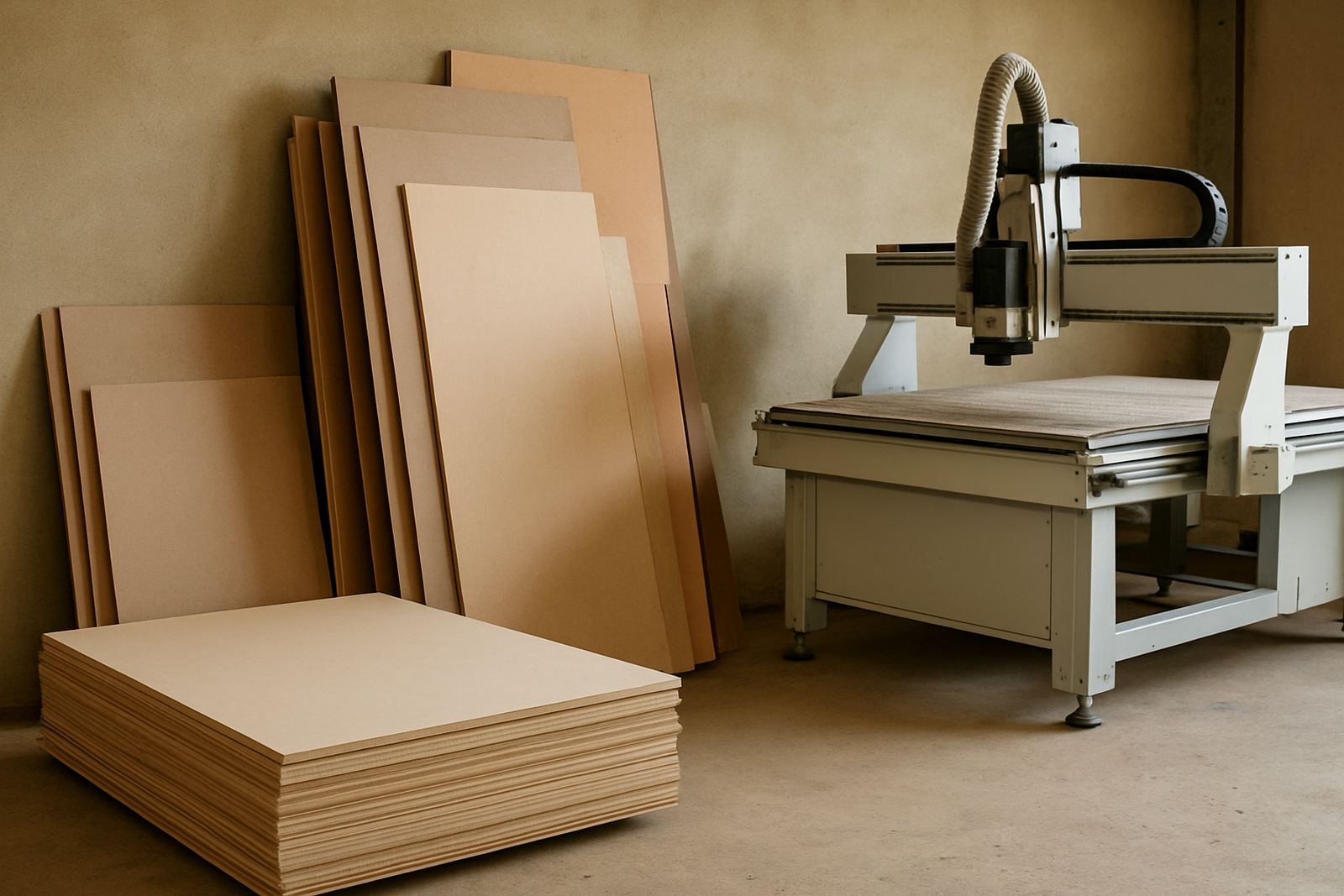
- Keep full sheets close to the infeed side.
- Mark a clear offload zone for finished parts.
- Separate long parts from small cuttings straight away.
- Make sure the same trolley size is used through the job.
Sorting time must be planned with the cut time
Nested CNC work often creates mixed piles of parts, offcuts and re-cuts. If those parts are not sorted immediately, the next nest can start before the first one is cleared and that leads to confusion. Labels fade, small parts get mixed, and someone ends up searching through a pile for the right panel.
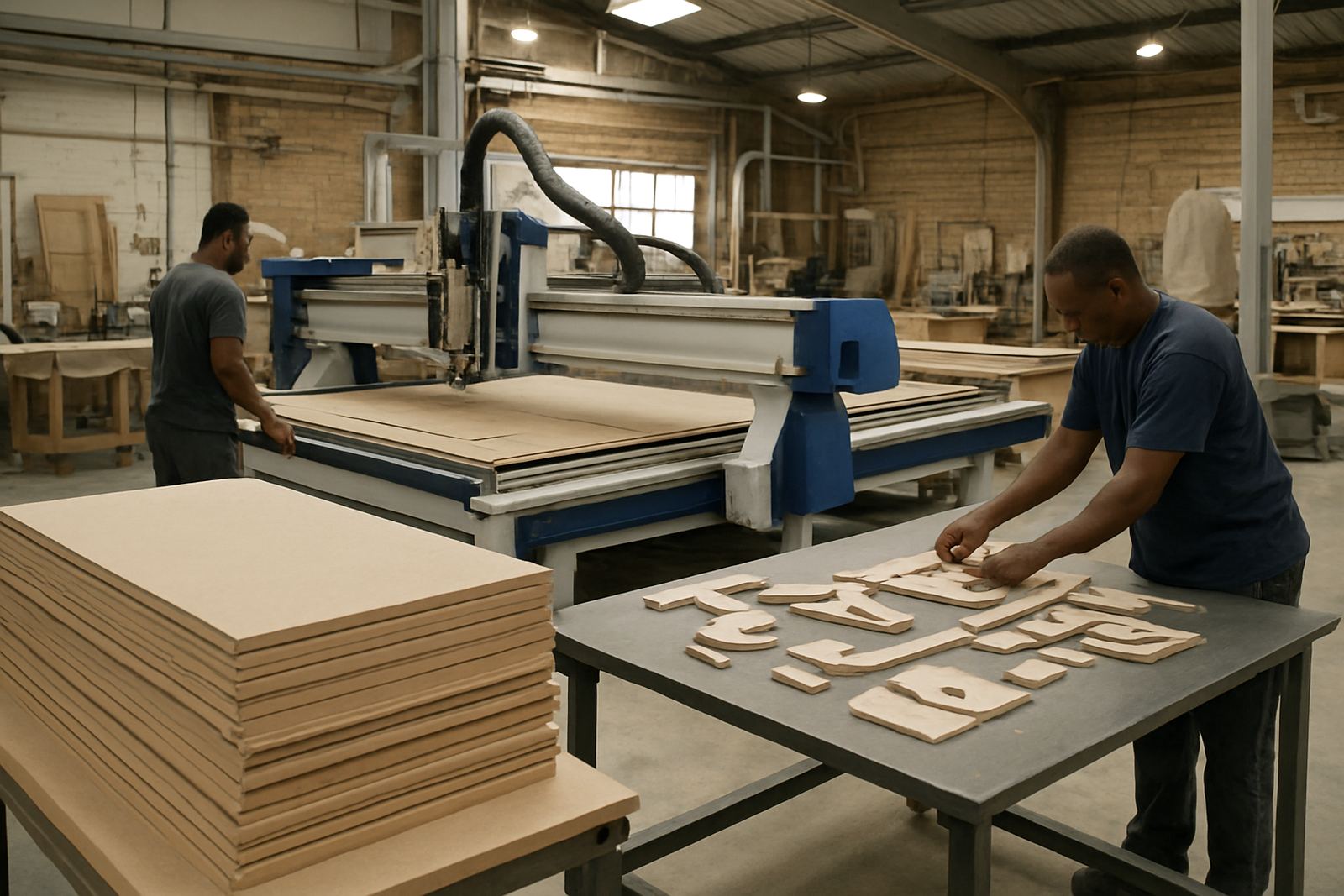
A practical cell needs a sorting method that matches the product mix. Sign shops may need bins for acrylic, PVC and aluminium composite. Furniture makers may need separate stacks for panels, edging parts and drilled components. The more variation in the job, the more important it is to sort as the parts come off the table, not after the shift ends. It saves time, and it reduces mistakes that cost money later.
- Use part tags or job cards at the offload point.
- Keep a bin for scrap that is not worth reusing.
- Set aside re-cut parts in a clearly marked tray.
- Count panels by job before they leave the machine area.
Vacuum, dust and table condition affect the clock
Timing is not only about people. Poor vacuum hold-down means more checks, more restarts and more scrap. Dust build-up can slow movement, affect finish quality and force extra cleaning between runs. In humid coastal areas, especially around Durban North and Cape Town North, moisture can also change how boards behave on the table and how well offcuts release.
A cell should be set up so the operator is not stopping every few sheets to fix a hold problem or clear dust from the spoil surface. Vacuum leak checks and dust system balancing are not side tasks, they are part of keeping the cell on time. If the table is not holding evenly, the machine may be ready but the job is not.
- Check seals, hoses and blanks before a production day starts.
- Clean the table surface between jobs.
- Watch for small leaks around unused zones.
- Service the extraction system before fine dust builds up.
Plan for South African power cuts and restart delays
In South Africa, production timing must include load-shedding and municipal power issues. Even a short interruption can throw off a nesting cycle, spoil a sheet, or force the team to re-home a job after rebooting. The cost is not only downtime, it is also the time needed to recover the setup and confirm the next cut is safe.
Good cells are set up with controller backups, clear restart notes and trained operators who know what to check before pressing go again. That matters whether you are in Midrand Service, Pretoria East or further afield in Durban North. If your team knows which job file was last used and which tool was in the spindle, you save a lot of guesswork after the lights come back on.
- Keep fresh backups of controller settings.
- Record the last safe tool and work offset.
- Train staff to pause and inspect before restarting.
- Have a written recovery step for every shift.
A Germiston example: faster on paper, slower in practice
A Germiston furniture shop once wanted a production cell to cut cabinet parts faster, but the machine kept waiting on the same three things: sheets were stored too far away, offcuts were piled beside the infeed, and the sorter shared space with the packing bench. The router itself was not the problem. The cell was simply crowded and the timing was broken.
After the layout changed, the team moved full boards closer to the table, created a sorting station at the offload side and gave the operator a clear path for the next sheet. No major machine change was needed. The improvement came from reducing the number of touches between board and finished part. That is often where the best gains sit in a South African workshop, especially where floor space is limited and every square metre must earn its keep.
Set the pace before you buy the bigger cell
If a workshop is thinking about moving from a single router to a full production cell, the first step is not the purchase order. It is checking whether loading, sorting, tooling setup and maintenance can keep pace with the expected output. If those parts are slow now, they will still be slow after the upgrade.
At MultiCAM, the focus is on practical machine selection and calm setup advice that fits real workshops. That includes installation, commissioning, operator training, preventive maintenance, spindle service, machine relocation and dust system balancing. The aim is simple: a cell that cuts on time, not one that looks good while the team scrambles around it.