Start with the part, not the table
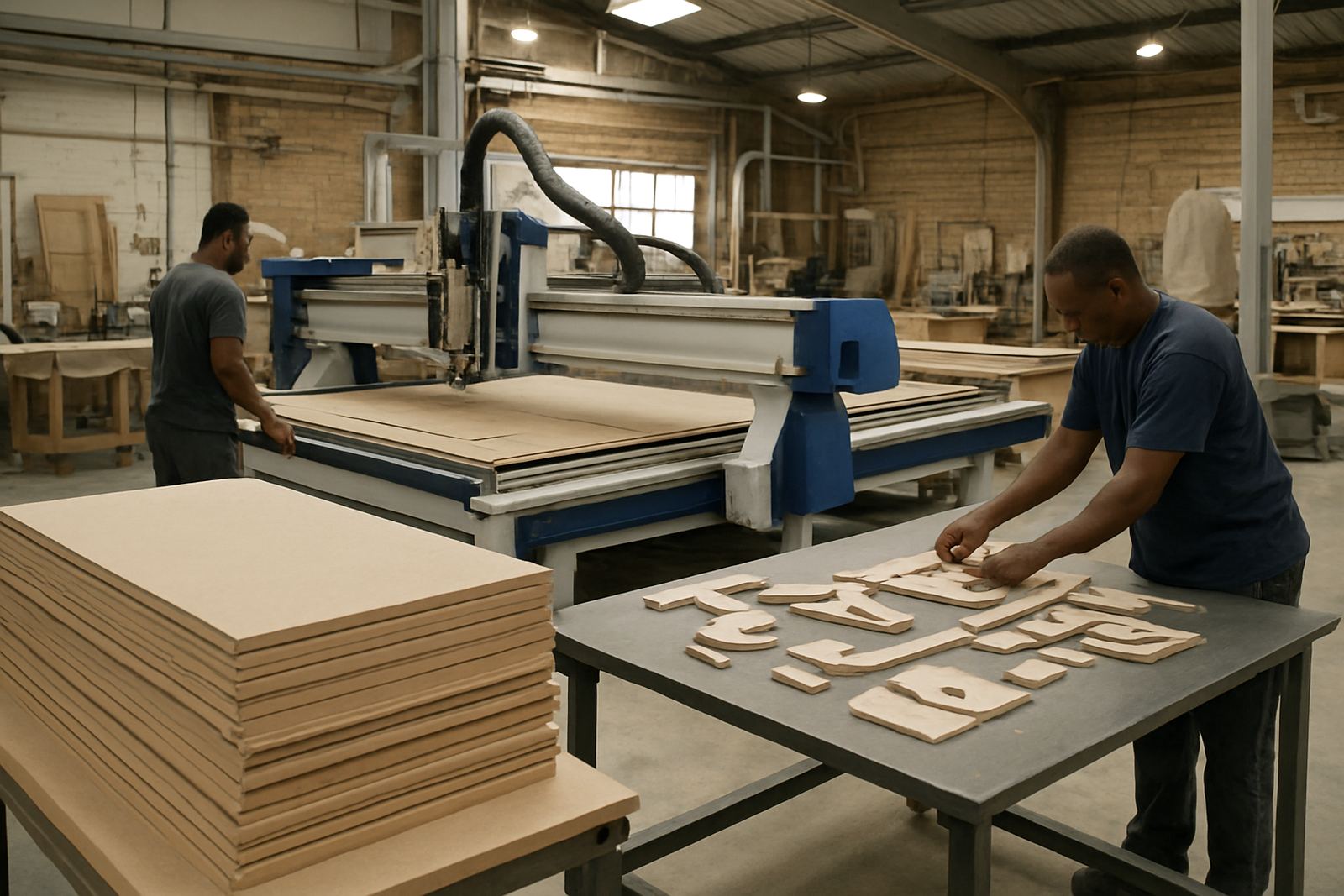
Many workshop problems start when the table is chosen before the work is understood. A sign shop cutting aluminium composite panels, a cabinet maker nesting melamine sheets and a jobbing fabricator holding short runs of plastic parts do not need the same workholding. If the table matches the job, the machine runs faster and operators spend less time improvising clamps and packing.
In South African workshops, that decision also has to fit the reality of load-shedding, dust, heat and the space available around the machine. A table that works on paper can still frustrate a team if it takes too long to set up or if it loses grip when the vacuum level drops. That is why it helps to compare the table types against the kind of parts you cut every week, not just against the machine brochure.
Vacuum tables: best for sheet nesting and repeat work
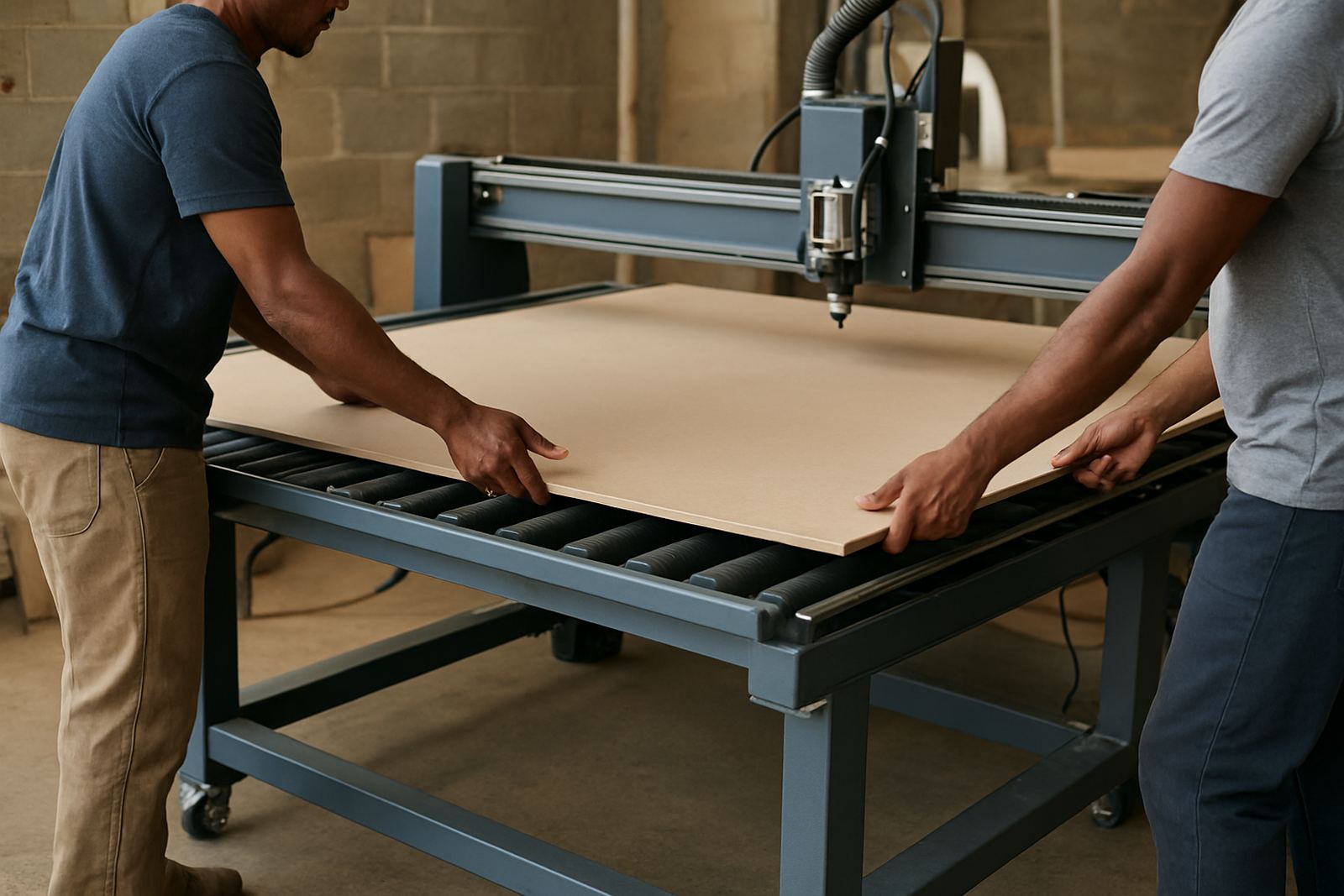
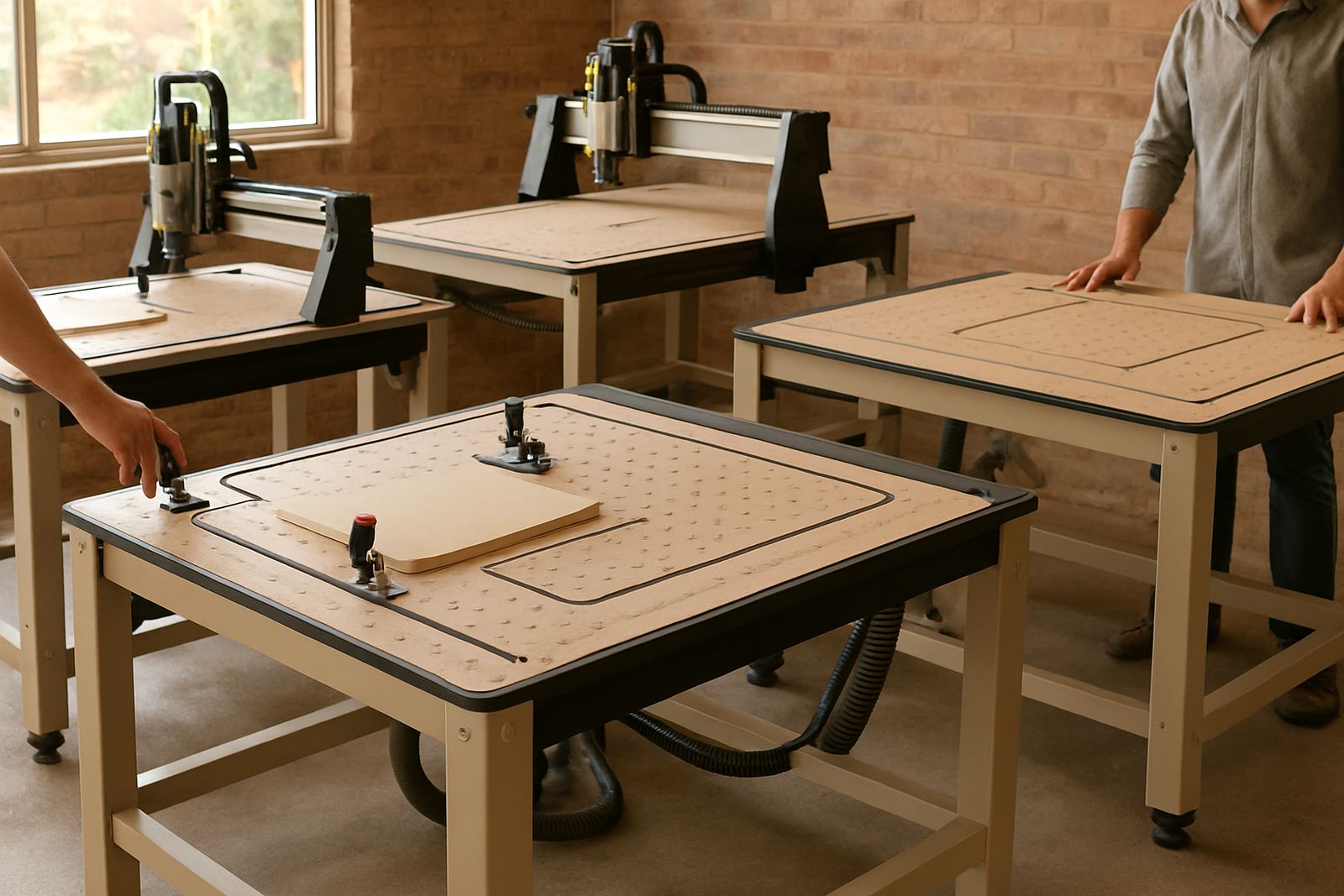
Vacuum tables are the first choice for many CNC router users because they hold flat sheet material quickly. Once the spoilboard is prepared and the pump system is sized correctly, operators can place a full sheet, switch zones and start cutting with very little clamping. That speed is valuable in furniture production, cabinet parts, display work and plastic sheet cutting.
They do ask for discipline. Gaskets, spoilboard condition and leaks all matter. If a workshop has open hose connections, damaged seals or badly planned nests, the hold-down force drops and small parts can move. In humid coastal conditions, and even in dusty inland workshops, regular checking keeps the system dependable.
- Good for melamine, MDF, plywood, foam and many plastics
- Faster loading for nesting jobs and sheet repeats
- Needs a sound pump, sealed zones and tidy spoilboard care
- Works best when parts have a decent surface area on the table
For Germiston and Johannesburg East users who cut the same parts daily, vacuum often pays for itself in saved handling time alone.
T-slot tables: simple, direct and flexible for mixed jobs
T-slot tables suit workshops that clamp many different shapes and cannot rely on sheet vacuum alone. They are practical for one-off parts, small runs, edge work and thicker sections where direct clamping is safer. Metal brackets, short plastic components and shaped wooden parts can all be held securely with the right fixtures.
The main advantage is control. You can clamp where needed, raise the part clear of the spoilboard and work on jobs that would be awkward on a full vacuum setup. The trade-off is set-up time. Every job needs thought, and operators must make sure the cutter path clears the clamp line. That is where training matters, because a neat clamp plan saves broken tooling and wasted material.
- Useful for odd shapes and mixed batches
- Good when only part of the sheet can be held by vacuum
- Accepts custom stops, jigs and packing blocks
- Slower to set up, but very adaptable
For smaller shops in Pretoria East or Midrand Service areas, a T-slot bed can be a cost-conscious choice when job variety is high and production volume is uneven.
Pod systems: strong on positioning and repeated accuracy
Pod tables are built for more structured production, especially when parts need to be held in defined positions and changed over quickly. They are common in panel furniture and routed component work where repeatability matters. Pods and beams can support the work from underneath while still giving access around the edges for profiling, drilling and shaping.
This system suits teams that run batches and want predictable setup. Once the reference points are fixed, operators can move from one part to the next with less measuring. It also helps when you need to machine both sides of a component or when the part shape does not suit a full vacuum bed. The important point is that the setup must be correct from the start, because a poorly planned pod layout will fight the process later.
Pods are not just for big plants. A well organised medium workshop in Durban North or Cape Town North can use a pod system to shorten changeovers and keep different jobs moving through the same machine.
What each system means for daily production
The real difference between these table types shows up on the shop floor. Vacuum rewards volume and flat sheet nesting. T-slots reward flexibility and hands-on clamping. Pods reward repeatable part positioning and more controlled batch work. If your crew switches between furniture panels in the morning and routed specials after lunch, you may need a hybrid approach rather than a single answer.
It also helps to think about who runs the machine. A good operator can work with any of the three systems, but the learning curve is different. Vacuum needs attention to leakage and zoning. T-slot needs sound fixturing habits. Pods need accurate location and a clear sequence. When the table type matches the team's skill level, training is simpler and errors drop.
- High sheet volumes point toward vacuum
- Frequent custom parts point toward T-slot
- Batch work with repeat locations points toward pods
- Hybrid shops may need two methods on one machine
Local conditions change the answer more than many people expect
Johannesburg workshops often have dry dust and power interruptions to plan around. Coastal workshops deal with moisture, corrosion and swelling in some materials. Those conditions affect more than the cutter. They affect pumps, seals, hose life, clamps and spoilboards too. A vacuum table that is neglected during summer humidity can lose performance quickly, while a T-slot bed may remain steady but demand more manual labour.
That is why machine selection should include the table, the extraction plan and the maintenance routine. A workshop in Germiston cutting cabinet parts for a chain of site installs may want vacuum for speed, plus a small T-slot area for odd jobs. Another business may prefer pods because its work changes every day but parts must still land in the same position each time.
It helps to ask one practical question: which system lets your team make the fewest compromises when the workshop is busy, the client is waiting and the next power cut is already on the way?
Get the table choice right before the machine goes in
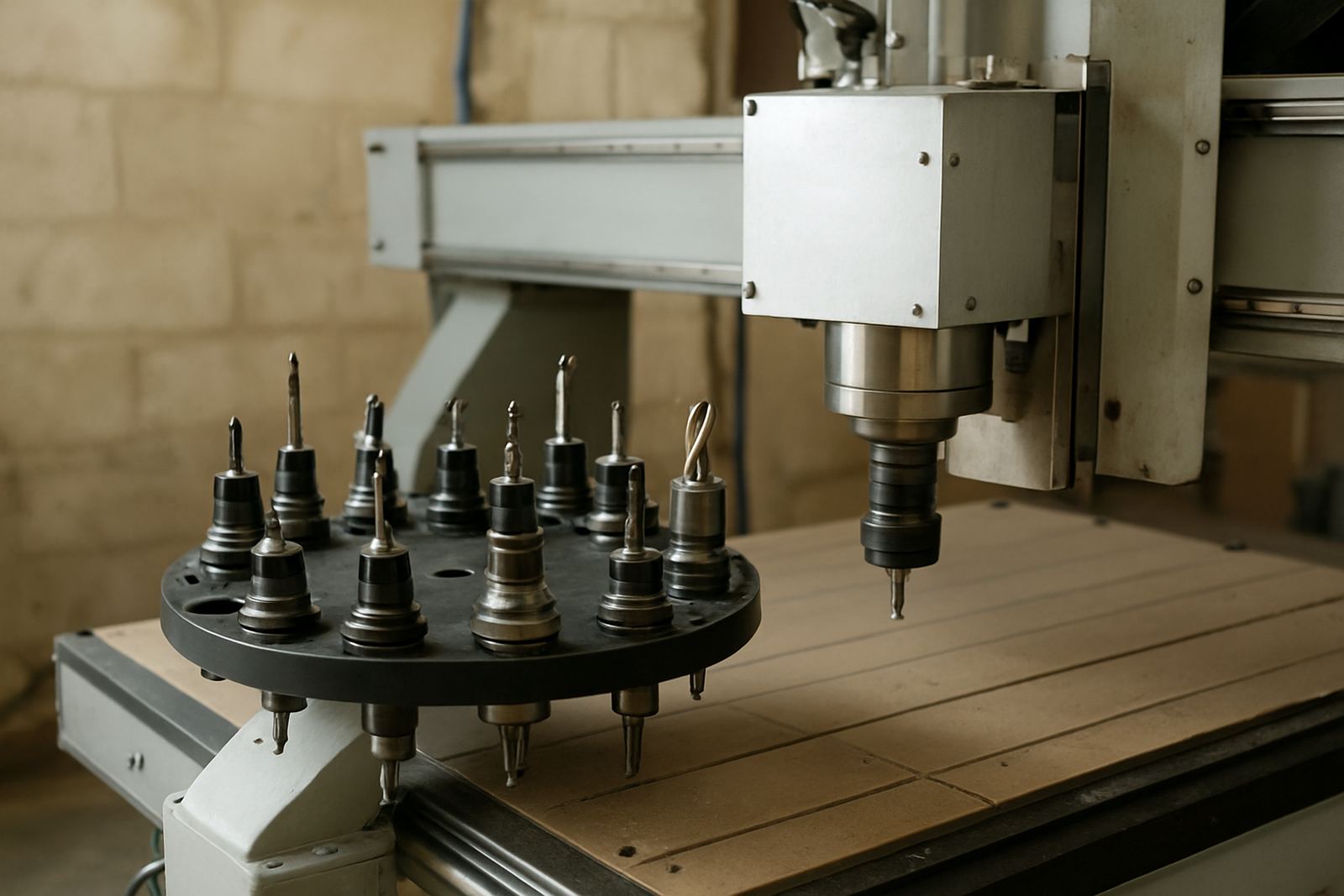
Table selection is easier when it is handled alongside installation, commissioning and operator training. That way the holding method, tooling setup and dust system can all be planned together. A table that is technically correct but awkward for the team will cost time every week.
MultiCAM works with fabricators, sign shops and furniture makers across South Africa from the Germiston base, with support in Johannesburg East, Midrand, Pretoria East, Durban North and Cape Town North. If you are comparing table types for a new router or looking at a changeover on an existing machine, the right advice starts with the parts you cut and the pace you need to hold.
For straight answers on machine installation, vacuum leak checks, controller backups, tooling setup and dust system balancing, contact the team at our contact form.